
My ExportersIndia

For Buyer

For Seller

For Help

Food Grains

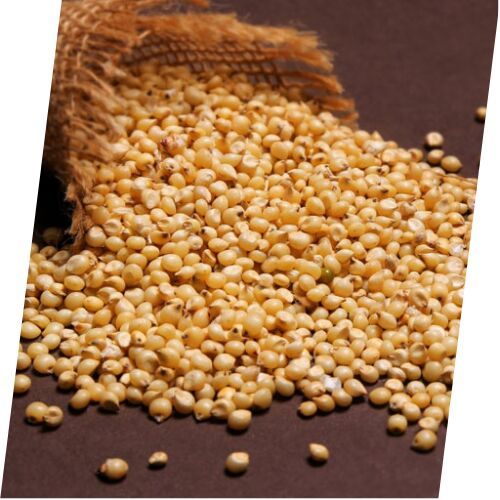
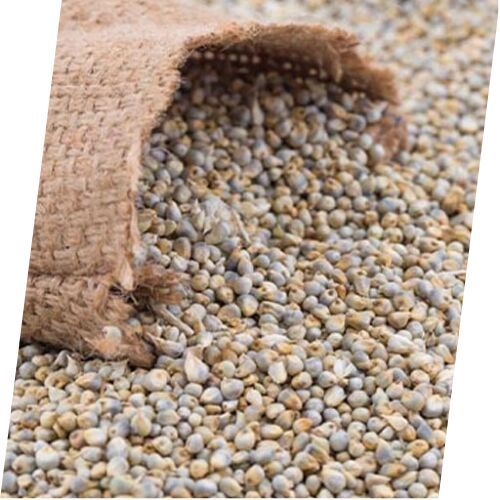
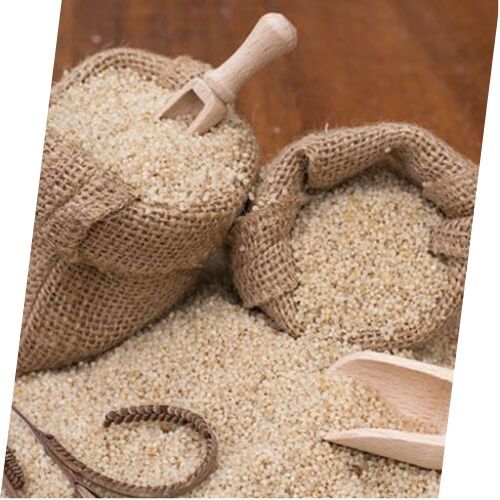
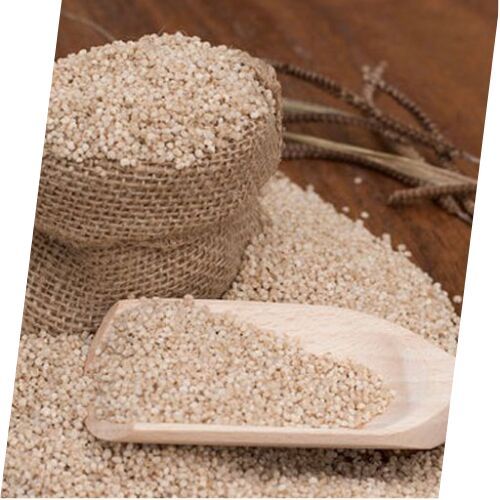
Our product range contains a wide range of Little Millet, Kodo Millet, Proso Millet, Finger Millet and Sorghum Millet
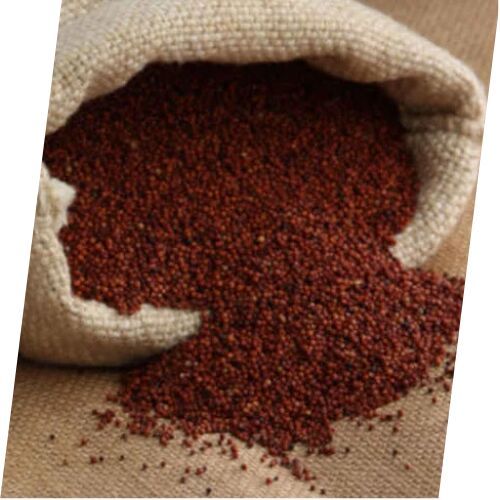
Finger Millet

40 - 50 / Kilogram Get Latest Price
  • Min. Order (MOQ) 1 Ton
  • Form Seeds
  • Application Cooking
  • Grade Food Grade
  • Feature No Preservative, Good For Health
  • Packaging Type Bag
  • Packaging Size 25Kg
  • Country of Origin India

Nutritional Profile

  • Finger millet is highly nutritious, offering a range of essential nutrients.
  • It is rich in carbohydrates, dietary fiber, and proteins, making it a valuable source of energy and promoting satiety.
  • Finger millet contains significant amounts of minerals such as calcium, iron, magnesium, phosphorus, and potassium.
  • It is also a good source of vitamins like thiamine, riboflavin, niacin, and vitamin B6.


Health Benefits

  • Gluten-free: Finger millet is naturally gluten-free, making it suitable for individuals with celiac disease or gluten intolerance.
  • Rich in Antioxidants: It contains antioxidants like phenolic compounds and flavonoids, which help in reducing oxidative stress and lowering the risk of chronic diseases.
  • High in Calcium: Finger millet is one of the richest sources of calcium among plant foods, making it beneficial for bone health and preventing osteoporosis.
  • Blood Sugar Regulation: Its low glycemic index helps in stabilizing blood sugar levels, making it suitable for people with diabetes or those looking to manage their blood sugar levels.


Culinary Uses

  • Finger millet can be used in various culinary applications, both in its whole form and as flour.
  • It is commonly used to make porridges, malted beverages, flatbreads, dosa, idli, and other traditional dishes.
  • Finger millet flour can be used in baking to make bread, cookies, cakes, and other baked goods.
  • Its earthy flavor and nutty taste make it versatile for both savory and sweet preparations.


Cultivation and Adaptability

  • Finger millet is a hardy crop that can thrive in diverse agro-climatic conditions, from dryland to semi-arid regions.
  • It is known for its resilience to drought, pests, and diseases, making it suitable for cultivation in marginal lands.
  • Finger millet is a short-duration crop, typically requiring 90 to 120 days to mature, which makes it suitable for cultivation as a rainfed crop.
  • Its ability to grow in poor soils and under low-input farming systems contributes to its sustainability and adaptability.


Cultural Significance

  • Finger millet holds cultural significance in many traditional cuisines and cultural practices, particularly in South Asia and East Africa.
  • It is often used in religious rituals, ceremonies, and festivals, symbolizing fertility, prosperity, and well-being.
  • Finger millet-based dishes are an integral part of the culinary heritage of communities where it is cultivated.


Economic Importance

  • Finger millet cultivation plays a significant role in the livelihoods of small-scale farmers in regions where it is grown.
  • It serves as a staple food crop, a source of income, and food security for rural communities, particularly in areas with limited access to irrigation and resources.
  • Finger millet production contributes to agricultural diversity, income generation, and sustainable farming practices in regions prone to climate variability and environmental stress.
View Complete Details

Sorghum Millet

55 - 60 / Kilogram Get Latest Price
  • Min. Order (MOQ) 1 Ton
  • Cultivation Type Natural
  • Storage Condition Dried
  • Packaging Type Bag
  • Country of Origin India

Nutritional Profile

  • Sorghum is highly nutritious and offers a range of essential nutrients.
  • It is rich in carbohydrates, dietary fiber, and proteins, making it a valuable source of energy.
  • Sorghum contains significant amounts of minerals such as iron, magnesium, phosphorus, and potassium.
  • It also provides essential vitamins including niacin, riboflavin, thiamine, and vitamin B6.


Health Benefits

  • Gluten-free: Like other millets, sorghum is naturally gluten-free, making it suitable for individuals with celiac disease or gluten intolerance.
  • Rich in Antioxidants: Sorghum contains various antioxidants, such as phenolic compounds and flavonoids, which help in reducing oxidative stress and lowering the risk of chronic diseases.
  • High in Fiber: Sorghum is a good source of dietary fiber, which promotes digestive health, prevents constipation, and may reduce the risk of colon cancer.
  • Low Glycemic Index: It has a low glycemic index, meaning it doesn’t cause a rapid spike in blood sugar levels, making it beneficial for managing diabetes and weight control.


Culinary Uses

  • Sorghum can be cooked and consumed in various forms, including whole grain, flour, flakes, or popped.
  • It is commonly used to make flatbreads, porridges, couscous, and in soups and stews.
  • Sorghum flour is used in gluten-free baking to make bread, cakes, cookies, and other baked goods.
  • Popped sorghum kernels can be enjoyed as a healthy snack similar to popcorn.


Cultivation and Adaptability

  • Sorghum is a versatile crop that can thrive in diverse agro-climatic conditions, from arid and semiarid regions to more temperate climates.
  • It is known for its drought tolerance and ability to grow in poor soils, making it an important crop in regions with limited water availability and soil fertility.
  • Sorghum is relatively resistant to pests and diseases, reducing the need for chemical inputs in cultivation.
  • Its short growing season makes it suitable for intercropping and rotation with other crops, contributing to sustainable farming practices.


Cultural Significance

  • Sorghum holds significant cultural importance in many societies, particularly in Africa and parts of Asia, where it has been cultivated for thousands of years.
  • It is often used in traditional ceremonies, rituals, and culinary traditions, symbolizing fertility, abundance, and prosperity.
  • Sorghum-based dishes are an integral part of the culinary heritage of communities in regions where it is cultivated.


Economic Importance

  • Sorghum cultivation plays a crucial role in the livelihoods of millions of small-scale farmers worldwide.
  • It serves as a staple food crop, a source of income, and food security, particularly in rural communities.
View Complete Details

Pearl Millet

45 - 55 / Kilogram Get Latest Price
  • Min. Order (MOQ) 1 Ton
  • Purity 100 %
  • Cultivation Type Natural
  • Storage Condition Dried
  • Packaging Type Bag
  • Packaging Size 25kg
  • Number Of Flower Pearl Millet
  • Country of Origin India

Nutritional Profile

  • Pearl millet is highly nutritious, offering a range of essential nutrients.
  • It is rich in carbohydrates, dietary fiber, and proteins, making it a valuable source of energy.
  • It contains significant amounts of minerals such as iron, magnesium, phosphorus, and potassium.
  • Pearl millet is also a good source of vitamins like niacin, thiamine, riboflavin, and folate.


Health Benefits

  • Gluten-free: Like other millet varieties, pearl millet is naturally gluten-free, making it suitable for individuals with celiac disease or gluten intolerance.
  • Rich in Antioxidants: It contains antioxidants such as phenolic compounds and flavonoids, which help in scavenging free radicals and reducing the risk of chronic diseases.
  • High Fiber Content: Pearl millet is rich in dietary fiber, which aids in digestion, prevents constipation, and promotes gut health.
  • Low Glycemic Index: It has a low glycemic index, making it suitable for people with diabetes as it helps in managing blood sugar levels.


Culinary Uses

  • Pearl millet can be cooked and consumed in various ways, similar to other grains like rice or wheat.
  • It is commonly used to make flatbreads, porridges, couscous, and traditional fermented foods like idli and dosa in India.
  • In some regions, pearl millet flour is used to make baked goods such as bread, cookies, and cakes.


Cultivation and Adaptability

  • Pearl millet is well-suited to grow in harsh environments with low rainfall and high temperatures, making it a staple crop in arid and semiarid regions.
  • It has a deep root system, allowing it to access water and nutrients from deeper soil layers, thereby enhancing its drought tolerance.
  • Pearl millet is relatively resistant to pests and diseases, reducing the need for chemical inputs in cultivation.
  • Its short growing cycle makes it suitable for intercropping and rotation with other crops, contributing to sustainable farming practices.


Cultural Significance

  • Pearl millet holds significant cultural importance in many African and South Asian societies, where it is often featured in traditional ceremonies, rituals, and culinary traditions.
  • It is considered a symbol of resilience and sustenance in regions prone to food insecurity and drought.
  • Pearl millet-based dishes are an integral part of the culinary heritage of communities in regions where it is cultivated.


Economic Importance

  • Pearl millet cultivation plays a crucial role in the livelihoods of millions of small-scale farmers in Africa and India.
  • It serves as a reliable source of income and food security, particularly in marginalized rural communities.
  • The grain’s resilience to adverse climatic conditions and its ability to thrive in challenging environments contribute to its economic importance in regions prone to climate variability.


View Complete Details

Little Millet

55 - 65 / Kilogram Get Latest Price
  • Min. Order (MOQ) 1 Ton
  • Cultivation Type Natural
  • Application Cooking, Cattle Feed
  • Storage Condition Dried
  • Packaging Type Bag
  • Packaging Size 25kg
  • Country of Origin India

Nutritional Profile

  • Little millet is highly nutritious, offering a range of essential nutrients.
  • It is rich in carbohydrates, dietary fiber, and proteins, making it a valuable source of energy and promoting satiety.
  • Little millet contains significant amounts of minerals such as iron, magnesium, phosphorus, and potassium.
  • It is also a good source of vitamins like niacin, thiamine, riboflavin, and vitamin B6.


Health Benefits

  • Gluten-free: Little millet is naturally gluten-free, making it suitable for individuals with celiac disease or gluten intolerance.
  • Rich in Antioxidants: It contains antioxidants like phenolic compounds and flavonoids, which help in reducing oxidative stress and lowering the risk of chronic diseases.
  • High in Fiber: Little millet is a good source of dietary fiber, which aids in digestion, prevents constipation, and promotes gut health.
  • Blood Sugar Regulation: Its low glycemic index helps in stabilizing blood sugar levels, making it suitable for people with diabetes or those looking to manage their blood sugar levels.


Culinary Uses

  • Little millet can be cooked and consumed in various ways, similar to other millet varieties.
  • It is commonly used to make porridges, upma, khichdi, pongal, and as a rice substitute in various dishes.
  • Little millet flour can be used in baking to make bread, roti, dosa, idli, and other baked goods.
  • Its mild flavor and soft texture make it versatile for both savory and sweet preparations.


Cultivation and Adaptability

  • Little millet is a hardy crop that can thrive in diverse agro-climatic conditions, from dryland to semi-arid regions.
  • It is known for its short growing cycle, typically ranging from 60 to 90 days, which makes it suitable for cultivation as a rainfed crop.
  • Little millet is relatively resistant to pests and diseases, reducing the need for chemical inputs in cultivation.
  • Its small plant stature and efficient use of resources make it suitable for intercropping and rotation with other crops, contributing to sustainable farming practices.


Cultural Significance

  • Little millet holds cultural significance in many traditional cuisines, particularly in South India, where it is a staple food in several regions.
  • It is often used in traditional festivals, rituals, and ceremonies, symbolizing fertility, prosperity, and well-being.
  • Little millet-based dishes are an integral part of the culinary heritage of communities where it is cultivated.


Eonomic Importance

  • Little millet cultivation plays a significant role in the livelihoods of small-scale farmers in regions where it is grown.
  • It serves as a staple food crop, a source of income, and food security for rural communities, particularly in areas with limited access to irrigation and resources.
  • Little millet production contributes to agricultural diversity, income generation, and sustainable farming practices in regions prone to climate variability and environmental stress.
View Complete Details

Kodo Millet

55 - 70 / Kilogram Get Latest Price
  • Min. Order (MOQ) 1 Ton
  • Cultivation Type Natural
  • Application Cattle Feed, Cooking
  • Storage Condition Dried
  • Packaging Type Bag
  • Packaging Size 25kg
  • Number Of Flower Millet
  • Country of Origin India

Nutritional Profile

  • Kodo millet is highly nutritious, offering a range of essential nutrients.
  • It is rich in carbohydrates, dietary fiber, and proteins, making it a valuable source of energy and promoting satiety.
  • Kodo millet contains significant amounts of minerals such as iron, magnesium, phosphorus, and potassium.
  • It is also a good source of vitamins like niacin, thiamine, riboflavin, and vitamin B6.


Health Benefits

  • Gluten-free: Kodo millet is naturally gluten-free, making it suitable for individuals with celiac disease or gluten intolerance.
  • Rich in Antioxidants: It contains antioxidants like phenolic compounds and flavonoids, which help in reducing oxidative stress and lowering the risk of chronic diseases.
  • High in Fiber: Kodo millet is a good source of dietary fiber, which aids in digestion, prevents constipation, and promotes gut health.
  • Blood Sugar Regulation: Its low glycemic index helps in stabilizing blood sugar levels, making it suitable for people with diabetes or those looking to manage their blood sugar levels.


Culinary Uses

  • Kodo millet can be used in various culinary applications, similar to other millet varieties.
  • It is commonly used to make porridges, upma, khichdi, dosa, idli, and as a rice substitute in various dishes.
  • Kodo millet flour can be used in baking to make bread, roti, dosa, idli, and other baked goods.
  • Its slightly nutty flavor and soft texture make it versatile for both savory and sweet preparations.


Cultivation and Adaptability

  • Kodo millet is a hardy crop that can thrive in diverse agro-climatic conditions, from dryland to semi-arid regions.
  • It is known for its resilience to drought, pests, and diseases, making it suitable for cultivation in marginal lands.
  • Kodo millet is a short-duration crop, typically requiring around 90 to 110 days to mature, which makes it suitable for cultivation as a rainfed crop.
  • Its ability to grow in poor soils and under low-input farming systems contributes to its sustainability and adaptability.


Cultural Significance

  • Kodo millet holds cultural significance in many traditional cuisines and cultural practices, particularly in South Asia.
  • It is often used in religious rituals, ceremonies, and festivals, symbolizing fertility, prosperity, and well-being.
  • Kodo millet-based dishes are an integral part of the culinary heritage of communities where it is cultivated.


Economic Importance

  • Kodo millet cultivation plays a significant role in the livelihoods of small-scale farmers in regions where it is grown.
  • It serves as a staple food crop, a source of income, and food security for rural communities, particularly in areas with limited access to irrigation and resources.
  • Kodo millet production contributes to agricultural diversity, income generation, and sustainable farming practices in regions prone to climate variability and environmental stress.
View Complete Details

Proso Millet

50 - 60 / Kilogram Get Latest Price
  • Min. Order (MOQ) 1 Ton
  • Cultivation Type Natural
  • Application Cooking, Cattle Feed
  • Storage Condition Dried
  • Packaging Type Bag
  • Packaging Size 25kg
  • Country of Origin India

Nutritional Profile

  • Proso millet is highly nutritious, offering a range of essential nutrients.
  • It is rich in carbohydrates, dietary fiber, and proteins, making it a valuable source of energy and promoting satiety.
  • Proso millet contains significant amounts of minerals such as iron, magnesium, phosphorus, and potassium.
  • It is also a good source of vitamins like niacin, thiamine, riboflavin, and vitamin B6.


Health Benefits

  • Gluten-free: Proso millet is naturally gluten-free, making it suitable for individuals with celiac disease or gluten intolerance.
  • Rich in Antioxidants: It contains antioxidants like phenolic compounds and flavonoids, which help in reducing oxidative stress and lowering the risk of chronic diseases.
  • High in Fiber: Proso millet is a good source of dietary fiber, which aids in digestion, prevents constipation, and promotes gut health.
  • Blood Sugar Regulation: Its low glycemic index helps in stabilizing blood sugar levels, making it suitable for people with diabetes or those looking to manage their blood sugar levels.


Culinary Uses

  • Proso millet can be used in various culinary applications, similar to other millet varieties.
  • It is commonly used to make porridges, pilafs, salads, soups, and as a rice substitute in various dishes.
  • Proso millet flour can be used in baking to make bread, pancakes, muffins, and other baked goods.


Cultivation and Adaptability

  • Proso millet is a hardy crop that can thrive in diverse agro-climatic conditions, from dryland to semi-arid regions.
  • It is known for its short growing cycle, typically ranging from 60 to 90 days, which makes it suitable for cultivation as a rainfed crop.
  • Proso millet is relatively resistant to pests and diseases, reducing the need for chemical inputs in cultivation.
  • Its small plant stature and efficient use of resources make it suitable for intercropping and rotation with other crops, contributing to sustainable farming practices.


Cultural Significance

  • Proso millet has cultural significance in various cuisines and cultural practices around the world.
  • It is often used in traditional dishes, rituals, and ceremonies, symbolizing fertility, prosperity, and well-being.
  • Proso millet-based dishes are an integral part of the culinary heritage of communities where it is cultivated.


Economic Importance

  • Proso millet cultivation plays a significant role in the livelihoods of small-scale farmers in regions where it is grown.
  • It serves as a staple food crop, a source of income, and food security for rural communities, particularly in areas with limited access to irrigation and resources.
  • Proso millet production contributes to agricultural diversity, income generation, and sustainable farming practices in regions prone to climate variability and environmental stress.
View Complete Details

Foxtail Millet

50 - 60 / Kilogram Get Latest Price
  • Min. Order (MOQ) 1 Ton
  • Cultivation Type Natural
  • Application Cooking
  • Packaging Type Bag
  • Packaging Size 25kg
  • Number Of Flower Foxtail Millet
  • Country of Origin India

Nutritional Profile

  • Foxtail millet is highly nutritious, offering a range of essential nutrients.
  • It is rich in carbohydrates, dietary fiber, and proteins, making it a valuable source of energy.
  • It contains significant amounts of minerals such as iron, magnesium, phosphorus, and potassium.
  • It is also a good source of vitamins like niacin, vitamin B6, and folate.


Health Benefits

  • Gluten-free: Foxtail millet is naturally gluten-free, making it a suitable grain for individuals with celiac disease or gluten intolerance.
  • Rich in Antioxidants: It contains antioxidants like polyphenols and flavonoids, which help in combating oxidative stress and reducing the risk of chronic diseases.
  • Low Glycemic Index: It has a low glycemic index, which means it doesn’t cause a rapid spike in blood sugar levels, making it beneficial for managing diabetes.
  • Heart Health: The presence of magnesium in foxtail millet supports heart health by regulating blood pressure levels and reducing the risk of cardiovascular diseases.


Culinary Uses

  • Foxtail millet can be cooked and consumed similar to rice or other grains. It can be boiled, steamed, or roasted.
  • It is commonly used in porridges, pilafs, salads, soups, and as a rice substitute in various dishes.
  • In some regions, it’s fermented and used to make traditional alcoholic beverages.
  • Its mild, nutty flavor makes it versatile for both sweet and savory preparations.


Cultivation and Adaptability

  • Foxtail millet is a hardy, drought-tolerant crop that thrives in semi-arid regions with low rainfall.
  • It requires minimal water and is relatively resistant to pests and diseases, making it a sustainable crop option.
  • Its short growing season and ability to grow in diverse soil types make it suitable for small-scale farming and marginal lands.


Cultural Significance

  • Foxtail millet has deep cultural and culinary significance in many Asian countries, particularly in India and China.
  • It features prominently in traditional festivals, rituals, and ceremonies in various communities.
  • Historically, it has been a staple food for millions of people, especially in regions where other grains may not thrive due to climatic conditions.


Economic Importance

  • Foxtail millet cultivation contributes significantly to the livelihoods of small-scale farmers in many developing countries.
  • It serves as a reliable source of income and food security for rural communities, particularly during times of crop failures or environmental stress.
View Complete Details

Barnyard Millet

70 - 80 / Kilogram Get Latest Price
  • Min. Order (MOQ) 1 Ton
  • Cultivation Type Natural
  • Packaging Size 25kg
  • Country of Origin India

Nutritional Profile

  • Barnyard millet is highly nutritious, offering a range of essential nutrients.
  • It is rich in carbohydrates, dietary fiber, and proteins, making it a valuable source of energy and promoting satiety.
  • Barnyard millet contains significant amounts of minerals such as iron, magnesium, phosphorus, and potassium.
  • It is also a good source of vitamins like niacin, thiamine, riboflavin, and vitamin B6.


Health Benefits

  • Gluten-free: Like other millet varieties, barnyard millet is naturally gluten-free, making it suitable for individuals with celiac disease or gluten intolerance.
  • Rich in Antioxidants: It contains antioxidants like phenolic compounds and flavonoids, which help in reducing oxidative stress and lowering the risk of chronic diseases.
  • High in Fiber: Barnyard millet is a good source of dietary fiber, which aids in digestion, prevents constipation, and promotes gut health.
  • Blood Sugar Regulation: Its low glycemic index helps in stabilizing blood sugar levels, making it suitable for people with diabetes or those looking to manage their blood sugar levels.


Culinary Uses

  • Barnyard millet can be cooked and consumed in various ways, similar to other millet varieties.
  • It is commonly used to make porridges, upma, pulao, kheer, and as a rice substitute in various dishes.
  • Barnyard millet flour can be used in baking to make bread, dosa, idli, and other baked goods.
  • Its slightly nutty flavor and soft texture make it versatile for both savory and sweet preparations.


Cultivation and Adaptability

  • Barnyard millet is a hardy crop that can thrive in diverse agro-climatic conditions, from dryland to semi-arid regions.
  • It has a short growing cycle, typically ranging from 60 to 90 days, which makes it suitable for cultivation as a rainfed crop.
  • Barnyard millet is relatively resistant to pests and diseases, reducing the need for chemical inputs in cultivation.


Cultural Significance

  • Barnyard millet holds cultural significance in many traditional cuisines, particularly in South Asia, where it is a staple food in several regions.
  • It is often used in traditional festivals, rituals, and ceremonies, symbolizing fertility, prosperity, and well-being.
  • Barnyard millet-based dishes are an integral part of the culinary heritage of communities where it is cultivated.


Economic Importance

  • Barnyard millet cultivation plays a significant role in the livelihoods of small-scale farmers in regions where it is grown.
  • It serves as a staple food crop, a source of income, and food security for rural communities, particularly in areas with limited access to irrigation and resources.
  • Barnyard millet production contributes to agricultural diversity, income generation, and sustainable farming practices in regions prone to climate variability and environmental stress.
View Complete Details
Tell Us What are you looking for? Will call you back

Contact Us