 Sharjah, United Arab Emirates
 Write a Review
Our Products
Leading Manufacturer, Supplier & Retailer of Sequencing Batch Reactor, ULTRA FILTRATION SYSTEM, Demineralization System, Mbbr System and Extended Aeration.
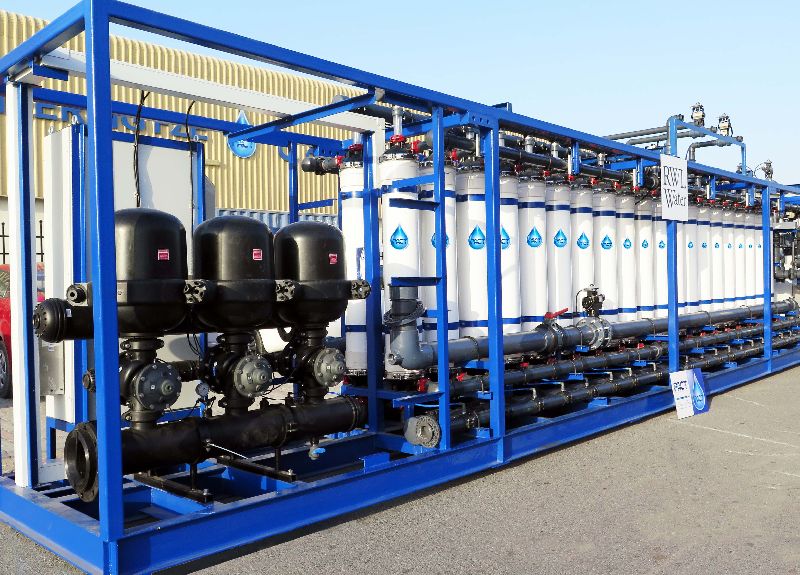
PACT Ultra Filtration (UF)involves pressure-driven separation of materials from a feed solution. Ultra filtration membrane productivity is high, while pressure differences remain low. Ultra filtration can be applied in cross-flow or dead-end mode and are commercially available in tubular, hollow-fiber, plate and frame, and spiral wound configurations. PACT Ultra filtration (UF) utilises asemi-permeable membraneto physically remove suspended particles from water based on particle size and the pore size rating of the UF membrane.Suspended solidsandsolutesof highmolecular weightare retained in the so-called retentate, while water and low molecular weight solutes pass through the membrane in the permeate(filtrate).
Among membrane technologies commonly used, UF is typically one step tighter with smaller pore size thanmicro filtration. Ultra filtration is not fundamentally different frommicro-filtration, both of them separate based on size exclusion or particle capture. Membranes tighter than UF areNano-filtersandreverse osmosis. UF membranes have pore sizes of approx. 0.005-0.05 micron. They facilitate the removal of molecules with higher molecular weights (e.g. proteins), while allowing dissolved ions and molecules with low molecular weights to pass which means that UF membranes can capture all microbes and bacteria, and also viruses. Due to difficulty in removing very small particles using conventionalwater treatment, and increased concerns about chlorine-resistant organisms, ultra filtration is increasingly becoming the method of choice for municipal water treatment plants.
Ultra filtration is achieving importance in the wastewater treatment sector. Ultra filtration is alsoused as a safe pre-treatment prior to reverse osmosis. PACT Ultra filtrationis very effective at removing tiny particles which can quickly foul reverse osmosis membranes, thus reducing the silt density index of the water. For this reason, it is frequently used as pre-treatment for surface water, seawater, and treated waste water upstream of RO. Ultra filtrationeliminates the extreme sensitivity of conventional plant treatment steps of coagulation, sedimentation and filtration to variable in fluent turbidities and particle charges. UF is also used in industry to separate suspended solids from solution. Industrial applications include power plants, petrochemical and chemical plants, Oil and Gas, pharmaceutical.
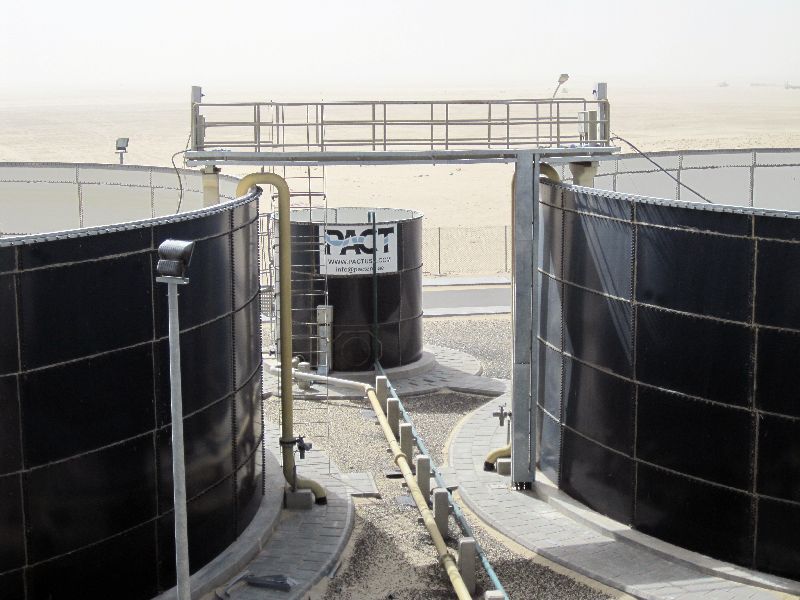
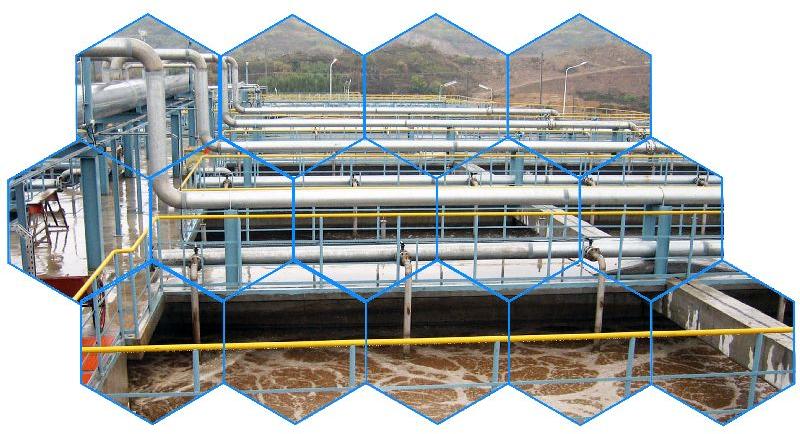
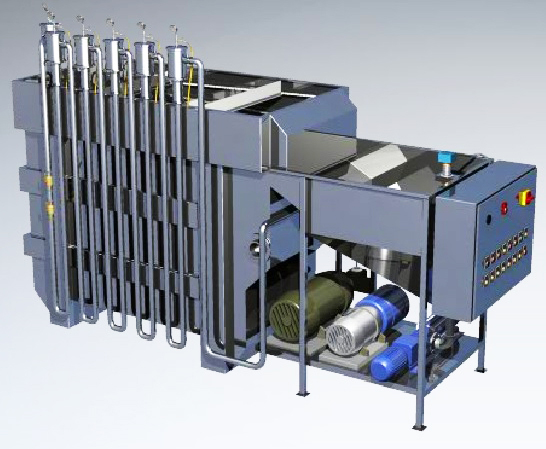
PACT Sequencing Batch Reactoris a modification of activated sludge process which has been successfully used to treat municipal and industrial wastewater. The difference between a conventional technology and SBR is that the SBR performs equalisation, biological treatment and secondary clarification in a single tank using a times control sequence. It has been very useful in the areas where there is limited amount of space. PACT Sequencing Batch Reactor is a fill and draw activated sludge system. In this system, the waste water is added to a single batch reactor, treated to remove undesirable components and then discharged. There are five stages in the treatment process: fill, react, settle, decant, idle.
The inlet valve opens and the tank is being filled in, while mixing is provided by mechanical means (no air). This stage is also called the anoxic stage. Aeration of the mixed liquor is performed during the second stage by the use of fixed or floating mechanical pumps or by transferring air into fine bubble diffusers fixed to the floor of the tank. No aeration or mixing is provided in the third stage and the settling of suspended solids starts. During the fourth stage the outlet valve opens and the clean supernatant liquor exits the tank. The separate treatment of the nitrogen-rich return liquors from sludge treatment represents a special application, which allows increased overall nitrogen removal and a reduction in biological treatment stage loads. Nitrogen removal can be achieved either conventionally with an external substrate for denitrification or using the innovative Anammox process.
 PACT Engineering (PACT Engineering)Warehouse # M3-10 & 12, Sharjah Airport Free zone P.O. Box 122150, United Arab Emirates
 Share us via