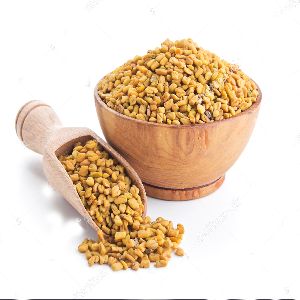
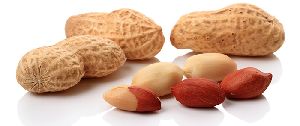
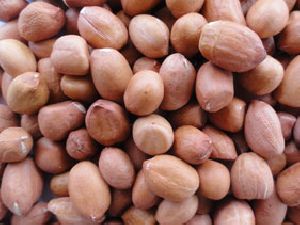
Native to Southeastern Europe and West Asia, fenugreek is cultivated in Rajasthan, Argentina, Egypt and the Mediterranean. Fenugreek seed is the ripe fruit of an annual herb. This robust herb has light green leaves, is 30-60 cm tall and produces slender, beaked pods, 10-15 cm long, each pod contains 10-20 small hard yellowish brown seeds, which are smooth and oblong, about 3mm long, each grooved across one corner, giving them a hooked appearance. Able to tolerate frost and low temperatures, fenugreek is grown in Rajasthan, Gujarat, Madhya Pradesh, Uttar Pradesh, Maharashtra and Punjab. Major importers of Rajasthan fenugreek are Saudi Arabia, Japan, Malaysia, Singapore, Sri Lanka, The United Kingdom and United States of America. Home Remedies Fenugreek seeds helps to control type I and II diabetes. It reduces high serum cholesterol. This seeds relieves constipation may be because the seeds contain a gum which when mixed with water expands in the gut and adds bulk to the stool. It can be prescribed to nursing mothers to increase their milk production. Since fenugreek seeds contain chemicals (diosgenin and estrogens isoflavones) similar to the female sex hormone oestrogen is considered as a potent menstruation promoter (menstrual discomforts), minimise symptoms of menopause. Fenugreek sprouts can be incorporated in your salads to help to minimise these problems.




 Nokha, Bikaner, Rajasthan
  Write a Review