


Individual (Sole proprietorship)
1983
51 - 100
Rs. 2.5 to 5 Crore Approx.
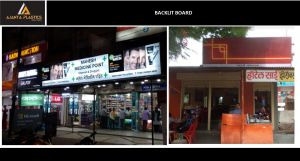
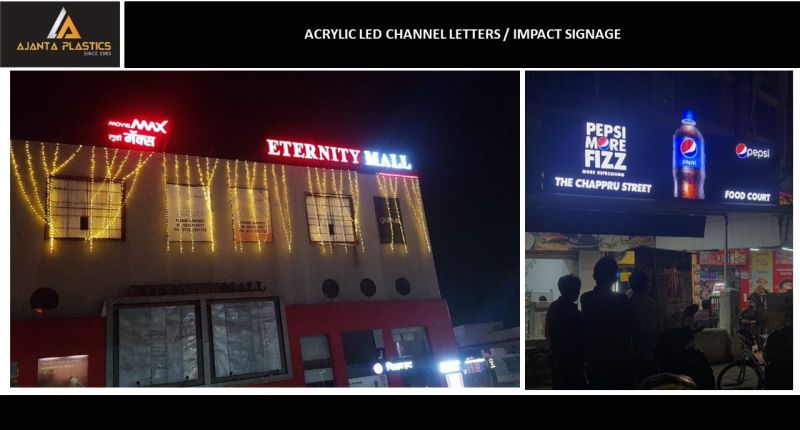
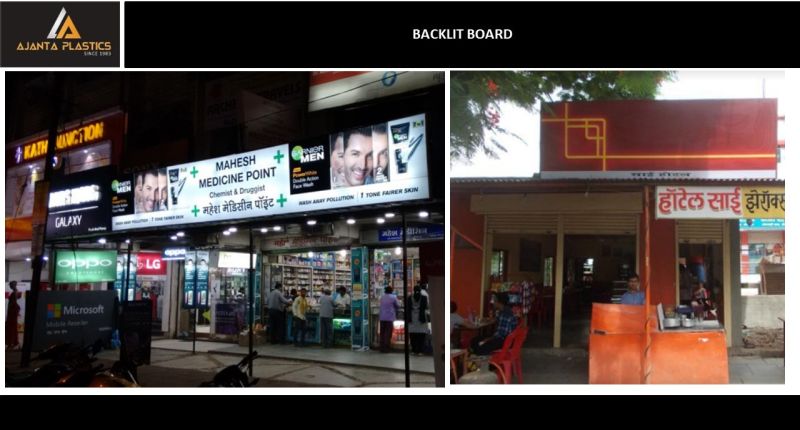
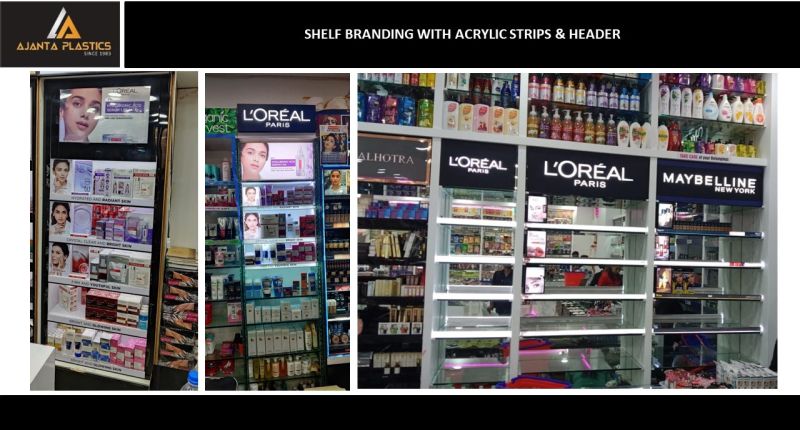
A backlit board is a type of display or signage that uses internal lighting, typically LED or fluorescent lights, to illuminate its surface from behind. This creates a bright and evenly lit appearance, making the content on the board highly visible and vibrant, especially in low-light or nighttime conditions. Common Features: Lighting Technology : LEDs are the most common choice due to their energy efficiency, durability, and bright, even lighting. Materials : The front panel is usually made of translucent materials like acrylic or polycarbonate to allow light to pass through. The frame is often metal or plastic for durability and stability. Design : The graphics or text on the board can be printed on a film or directly applied to the translucent panel. Customization : Available in various sizes, shapes, and designs to fit different purposes. Power Source : Operated via electric power, either through a direct plug-in or rechargeable batteries. Applications: Retail and Advertising : To highlight brand logos, promotions, or product details. Transportation : In bus stops, airports, and train stations for schedules or directions. Hospitality and Events : For event schedules, hotel branding, or directional signage. Corporate : As internal office displays or branding tools in lobbies and meeting rooms. Home Decor : For personalized messages or aesthetic purposes.
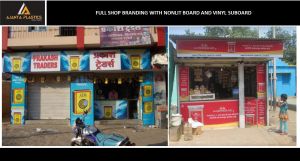
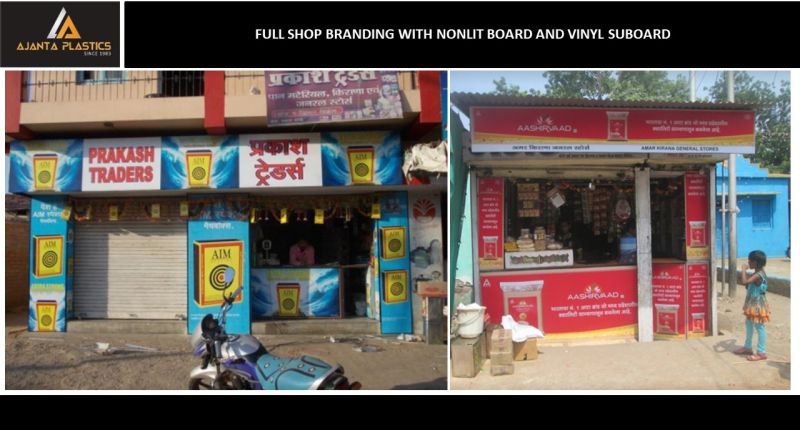
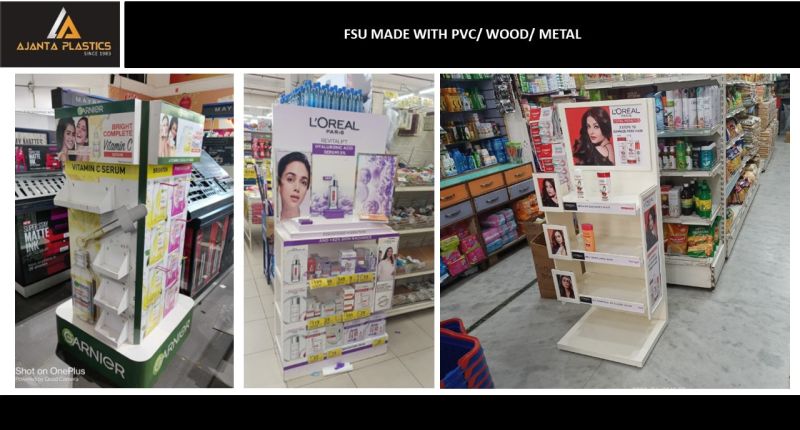
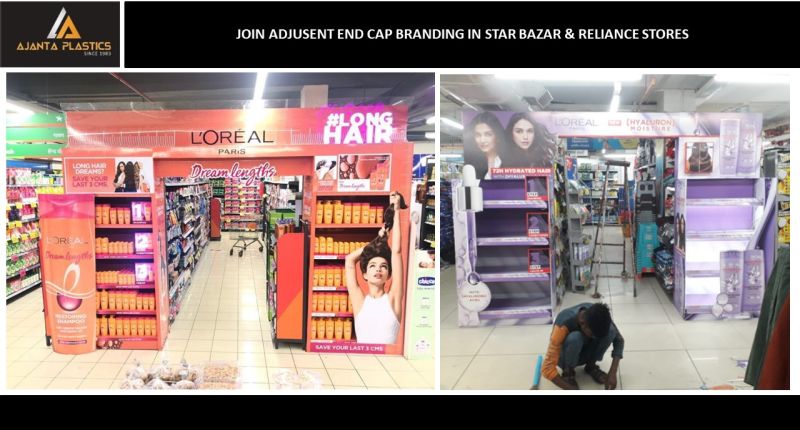
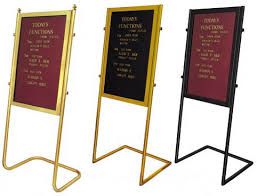
Nonlit boards are signage or display boards that do not have built-in lighting, relying instead on ambient light for visibility. These boards are a cost-effective and versatile option for various purposes, such as advertising, information dissemination, or decorative displays. Common Features: Materials : Front Surface : Typically made of materials like acrylic, aluminum, PVC, wood, or foam board. Frame : Often made from metal, wood, or plastic for durability. Design : May feature printed graphics, vinyl lettering, or hand-painted content. Available in a range of sizes, shapes, and thicknesses. Installation : Can be wall-mounted, freestanding, or suspended. Lightweight options are easy to move and reposition. Durability : Outdoor versions are often weatherproof, UV-resistant, and fade-resistant. Indoor boards may include protective coatings for longevity. Types of Nonlit Boards: Advertising Boards : Used for promotional purposes in retail, real estate, or events. Informational Boards : Common in schools, offices, hospitals, and public spaces. Decorative Boards : Used for home or event décor, such as welcome signs or wall art. Chalkboards and Whiteboards : Versatile options for temporary and customizable messages. Applications: Retail and Business : For branding, product promotions, or directional signage. Education : As notice boards, classroom aids, or informational displays. Events and Hospitality : To display schedules, menus, or welcome messages. Personal Use : Home organization or DIY projects. Nonlit boards are favored for their affordability, simplicity, and the ability to customize designs to suit specific needs. While they lack the attention-grabbing quality of illuminated boards, their adaptability makes them a practical choice for many scenarios.
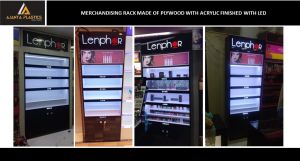
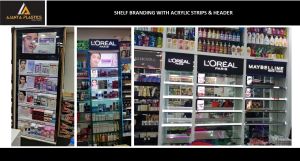
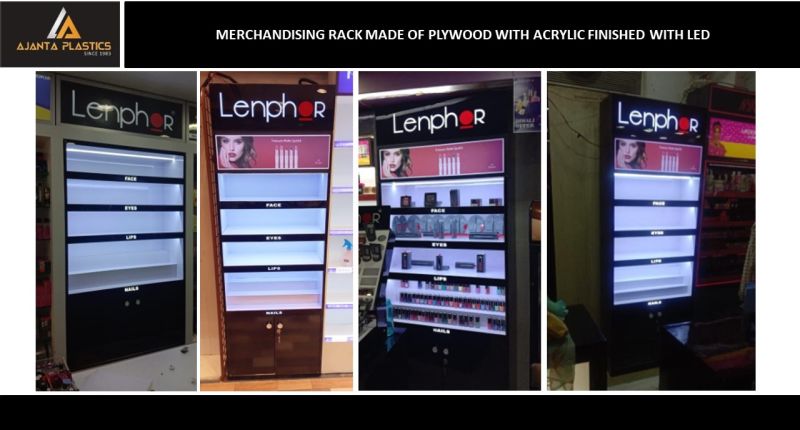
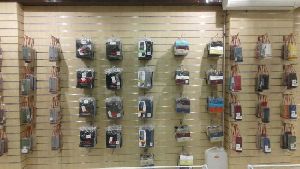
Acrylic shelf strips are thin, durable strips of acrylic material used as dividers, labels, or support components for shelving systems. These strips are highly versatile and enhance the organization, functionality, and aesthetics of shelves in retail, office, and residential environments. Features of Acrylic Shelf Strips : Material Properties : Made from high-quality acrylic, offering durability and a glass-like appearance. Lightweight yet strong enough to handle regular use. Scratch-resistant and UV-stable options available for extended longevity. Design : Typically flat, with smooth edges for a clean finish. Available in clear, frosted, or colored options to match specific applications or branding. Customizable in length, width, and thickness to fit various shelving systems. Mounting Options : Can be slotted, attached with adhesive, or screwed into place. Compatible with various shelf types, including wood, metal, and glass. Applications of Acrylic Shelf Strips : Retail Environments : Label Holders : Display product prices, descriptions, or promotional details. Dividers : Separate products for a neat and organized display. Edge Protectors : Prevent damage to shelf edges and provide a finished look. Office and Library Use : Organize files, books, or documents by acting as dividers. Label sections or categories for easy navigation. Home Organization : Create sections on pantry shelves for different food items. Enhance the organization of closets or bathroom shelves. Exhibitions and Events : Used in display setups to highlight or categorize showcased items. Advantages of Acrylic Shelf Strips : Aesthetic Appeal : Clear or colored acrylic blends seamlessly with various shelving materials, enhancing visual appeal. Customizability : Easily tailored to different shapes and sizes for specific needs. Durability : Resistant to impact, weather, and general wear and tear. Ease of Maintenance : Simple to clean and maintain, retaining a polished look over time. Versatility : Suitable for both functional and decorative purposes. Common Dimensions : Width : Typically ranges from 1 to 6 inches. Length : Can be customized to fit shelves of any size. Thickness : Standard thickness ranges from 1mm to 5mm, depending on use. Acrylic shelf strips are an ideal solution for enhancing the functionality and aesthetics of shelving systems, offering a combination of durability, customization, and elegance.
Share your thoughts with other customers for Ajanta Plastics
Add Review Ashwajeet Lokhande (Ajanta Plastics)
 Plot No. 16, opposite Prashant Primary School, near Tathagat Buddha Vihar, Hiwari Nagar, Uday Nagar, Wardhaman Nagar Colony, Nagpur, Maharashtra 44000, Padole Nagar - 440008, India
 Share us via









 GST : 27ACMPL0189P1ZV