 GST : 24ACCFA9694A1ZI
 5.0/5
5.0/5
Our Products
Industrial Water Filters
2 Products availableRO Membranes
2 Products availableWater Cooler
2 Products availableWater Chiller
2 Products availableWater Softening Plant
2 Products availableEffluent Treatment Plant
1 Products availableDemineralisation Plants
1 Products availableMineral Water Plants
1 Products availableWater Treatment Plant
1 Products available
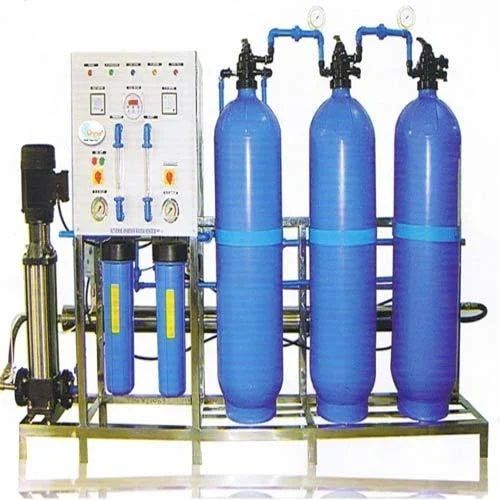
A Mineral Water Plant is Designed to Purify and Bottle Water Containing Natural Minerals, Ensuring It Meets Health and Safety Standards While Retaining Its Mineral Content. Here’s a Comprehensive Guide to Setting Up and Operating a Mineral Water Plant.
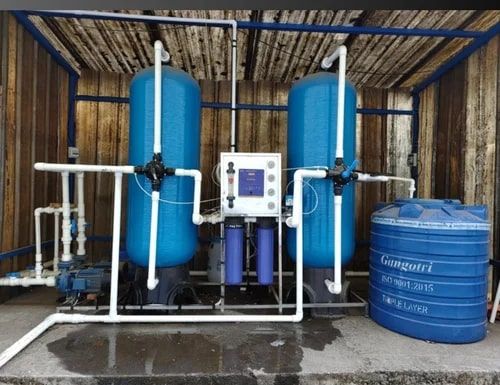

A Water Softening Plant is a Facility or System Designed to Reduce the Hardness of Water by Removing Minerals, Primarily Calcium and Magnesium Ions. Here's a Brief Description:A Water Softening Plant Typically Employs Ion Exchange Technology. The Process Involves Passing Hard Water Through a Resin Bed Containing Sodium Ions. As the Hard Water Flows Through the Resin, Calcium and Magnesium Ions Are Exchanged for Sodium Ions, Resulting in Softened Water.Water Softening is Essential in Preventing Scale Buildup in Plumbing, Appliances, and Industrial Equipment. Hard Water Can Cause Scaling, Reducing the Efficiency of Water Heaters and Other Appliances, and Can Lead to Increased Maintenance Costs.Water Softening Plants Are Commonly Used in Residential, Commercial, and Industrial Settings Where Hard Water is a Prevalent Issue. They Contribute to Extending the Lifespan of Appliances, Improving the Efficiency of Water Heaters, and Enhancing the Overall Quality of Water for Various Applications.
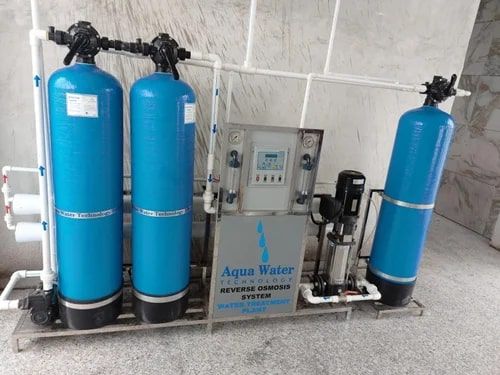
We Are Engaged in Offering 1000 Lph Ro Plant With Alkaline to Our Clients. Our Range of All Products is Widely Appreciated by Our Clients.
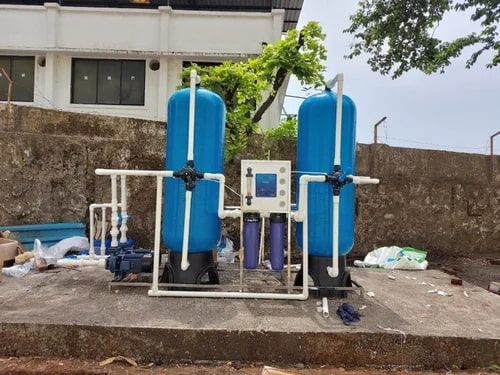
A Water Softening Plant is a Facility or System Designed to Reduce the Hardness of Water by Removing Minerals, Primarily Calcium and Magnesium Ions. Here's a Brief Description:A Water Softening Plant Typically Employs Ion Exchange Technology. The Process Involves Passing Hard Water Through a Resin Bed Containing Sodium Ions. As the Hard Water Flows Through the Resin, Calcium and Magnesium Ions Are Exchanged for Sodium Ions, Resulting in Softened Water.Water Softening is Essential in Preventing Scale Buildup in Plumbing, Appliances, and Industrial Equipment. Hard Water Can Cause Scaling, Reducing the Efficiency of Water Heaters and Other Appliances, and Can Lead to Increased Maintenance Costs.Water Softening Plants Are Commonly Used in Residential, Commercial, and Industrial Settings Where Hard Water is a Prevalent Issue. They Contribute to Extending the Lifespan of Appliances, Improving the Efficiency of Water Heaters, and Enhancing the Overall Quality of Water for Various Applications.

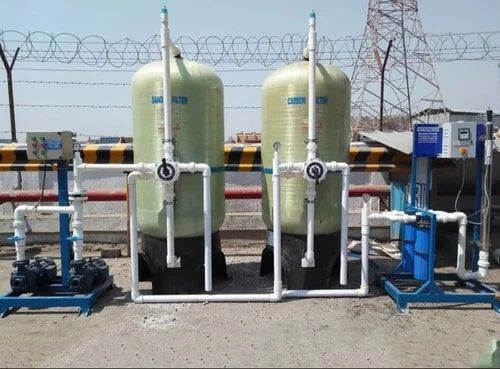
A Commercial Water Filter System is Designed to Provide Clean, Safe Drinking Water for Businesses, Including Restaurants, Offices, Hotels, and Manufacturing Facilities. Here’s an Overview of the Types, Benefits, Components, and Considerations for Selecting and Maintaining a Commercial Water Filter System.
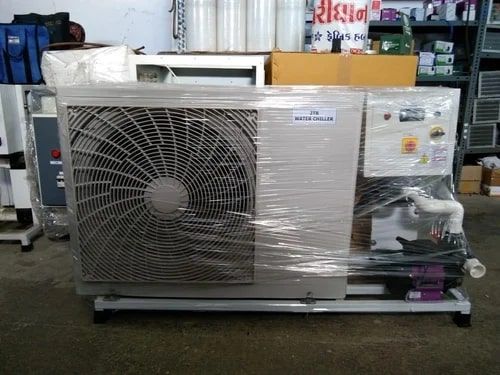
A 2-ton Online Water Chiller is a Cooling System Designed to Remove Heat From Liquids, Commonly Used in Commercial and Industrial Applications. Here’s an Overview of Its Key Features, Benefits, Components, and Considerations.
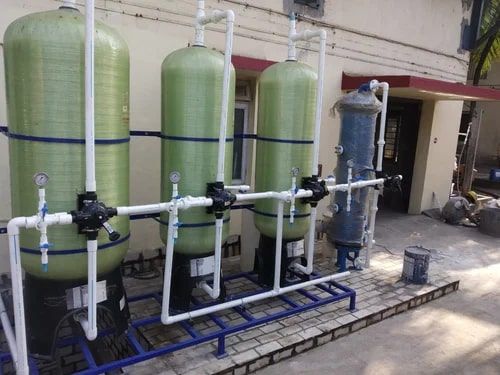
A Demineralized (Dm) Water Plant is Designed to Remove Minerals and Salts From Water, Producing High-purity Water Suitable for Various Industrial Applications. Here’s an Overview of the Components, Processes, Benefits, and Considerations Involved in a Dm Water Plant.

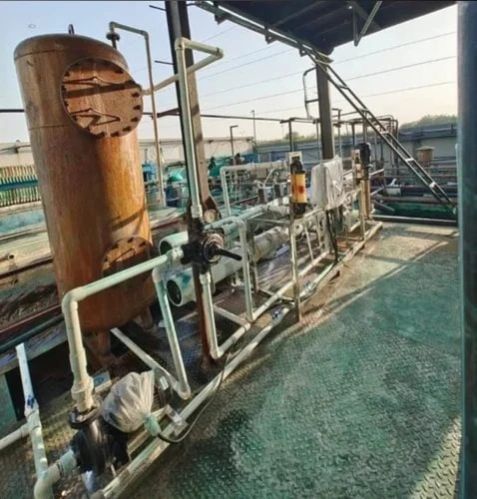
A Wastewater Treatment Plant is a Facility Designed to Treat and Purify Contaminated Water From Industrial, Commercial, and Domestic Sources. The Primary Goal is to Remove Pollutants and Harmful Substances, Making the Water Safe for Discharge Into the Environment or Reuse. The Process Typically Involves Several Stages, Such as Preliminary Treatment, Primary Treatment, Secondary Treatment (Often Utilizing Biological Processes), and Tertiary Treatment for Further Purification.
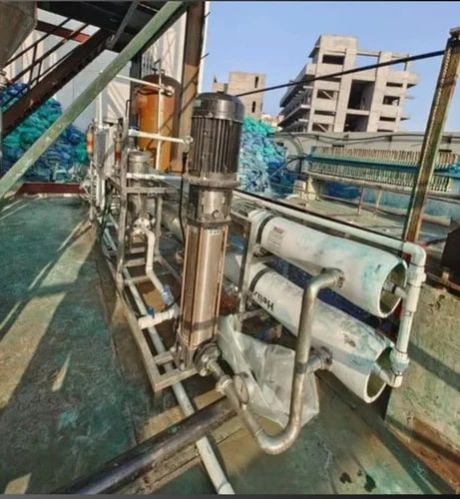
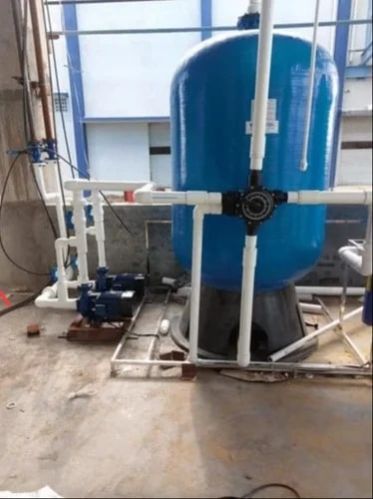
A 20, 000 Liters Per Hour (Lph) Water Softener is a System Designed to Treat Water by Removing Minerals, Primarily Calcium and Magnesium Ions, Which Cause Water Hardness. The Softening Process Typically Involves Ion Exchange, Where Hard Ions Are Exchanged for Sodium Ions. This Helps Prevent Scale Buildup in Pipes and Appliances, Improving the Efficiency and Lifespan of Water-using Equipment. The 20, 000 Lph Capacity Indicates the Maximum Flow Rate at Which the Water Softener Can Effectively Operate, Making It Suitable for Applications With a High Demand for Treated Water, Such as Large-scale Industrial or Commercial Settings.

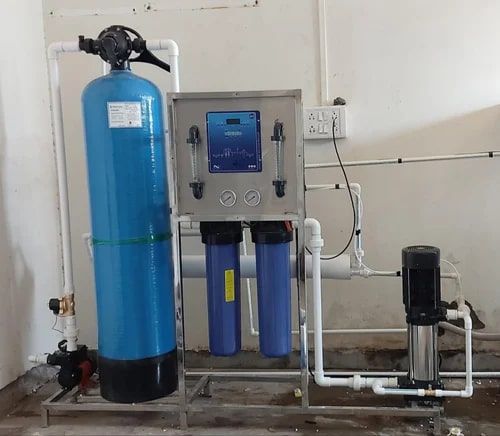
A 150 Lph (Liters Per Hour) Reverse Osmosis (Ro) Plant is Designed for Small to Medium-scale Water Purification Applications. It’s Commonly Used in Various Sectors Such as Drinking Water Production, Food and Beverage Processing, and Small Industrial Applications. Here’s a Detailed Overview of Its Components, Benefits, Applications, and Maintenance Considerations.
A 20, 000 Liters Per Hour (Lph) Water Softener is a System Designed to Treat Water by Removing Minerals, Primarily Calcium and Magnesium Ions, Which Cause Water Hardness. The Softening Process Typically Involves Ion Exchange, Where Hard Ions Are Exchanged for Sodium Ions. This Helps Prevent Scale Buildup in Pipes and Appliances, Improving the Efficiency and Lifespan of Water-using Equipment. The 20, 000 Lph Capacity Indicates the Maximum Flow Rate at Which the Water Softener Can Effectively Operate, Making It Suitable for Applications With a High Demand for Treated Water, Such as Large-scale Industrial or Commercial Settings.
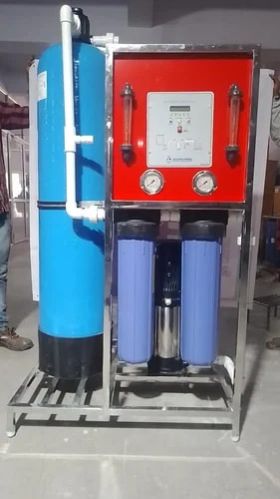
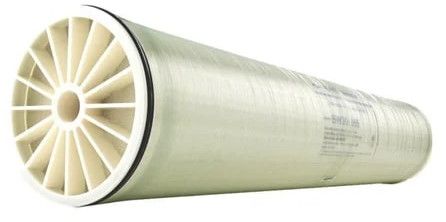
Hi tds membranes
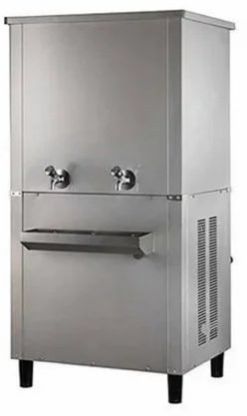
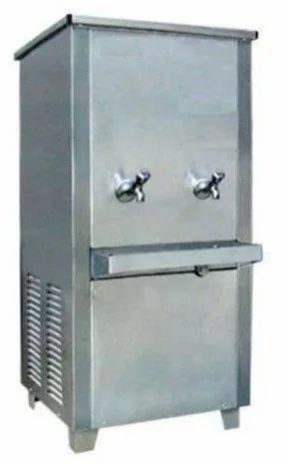
A Water Cooler Plant Typically Refers to a Facility or System That Produces and Distributes Chilled Water for Cooling Purposes in Various Applications. This Could Include Air Conditioning Systems, Industrial Processes, or Other Cooling Needs. Here's a Brief Description:A Water Cooler Plant Consists of Refrigeration Equipment Designed to Chill Water Efficiently. The Process Involves Circulating Water Through a System Where It is Cooled by a Refrigerant, Typically Through the Use of a Compressor and an Evaporator. The Chilled Water is Then Pumped to the Desired Location, Where It Absorbs Heat and Provides Cooling.These Plants Are Commonly Used in Large-scale Air Conditioning Systems for Buildings, Data Centers, and Industrial Facilities. They Play a Crucial Role in Maintaining Optimal Temperatures for Equipment and Processes, Ensuring Efficient Operation and Comfort.Water Cooler Plants Are Designed With Varying Capacities to Meet the Specific Cooling Requirements of Different Environments. They Contribute to Energy Efficiency by Providing a Central Cooling Source, Reducing the Need for Individual Cooling Units in Various Spaces.
 Mr. Hasamukh (Antra Exports LLP)
 Plot No. 64/65 Sohem Industries, Neer Navagam, Kamrej, Surat, Gujarat - 394185
 Share us via