 GST : 18BGUPY1221Q1ZF
 Write a Review
Our Products
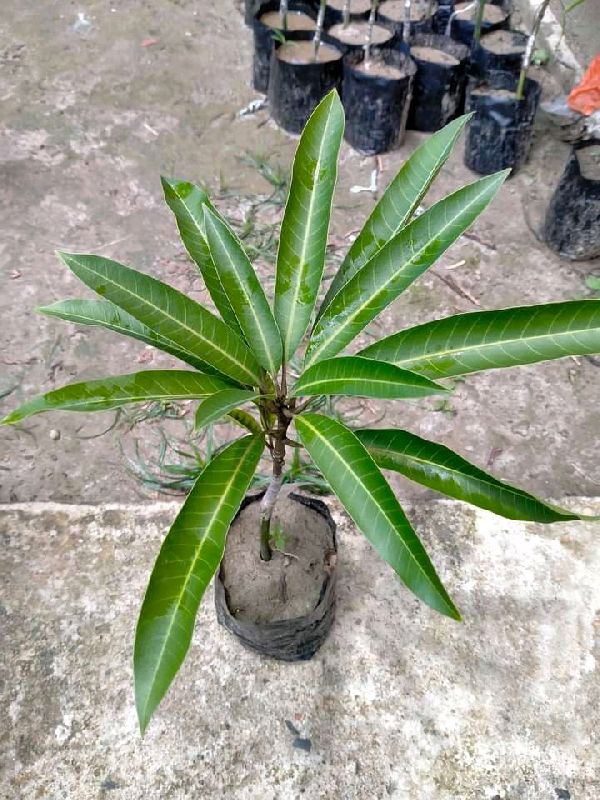
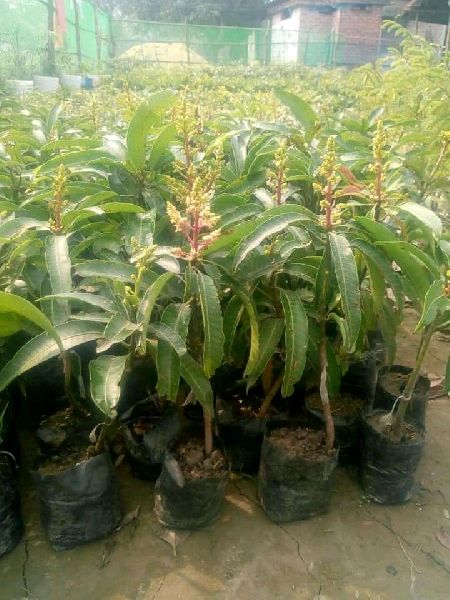
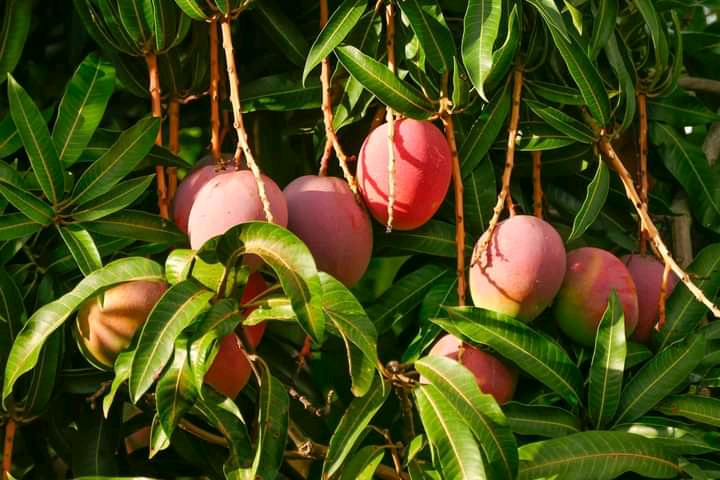
We are leaders in the market for providing best range of Avocado Plant, Mango Plant, Bamboo Plant, Areca Palm Plant and Black Pepper Plant
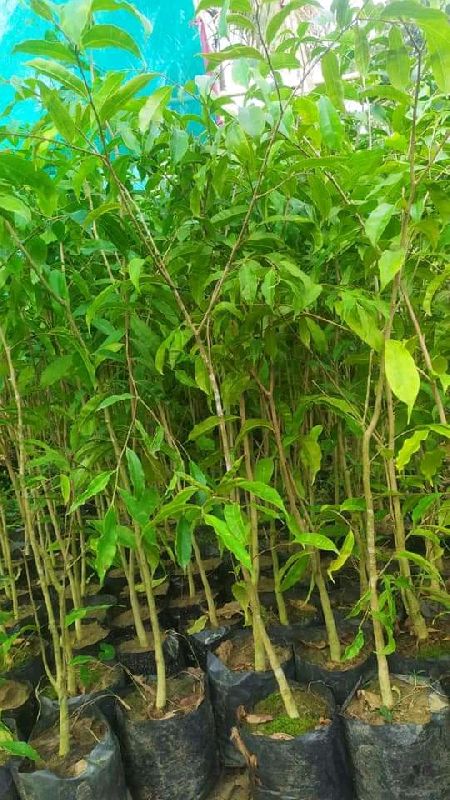
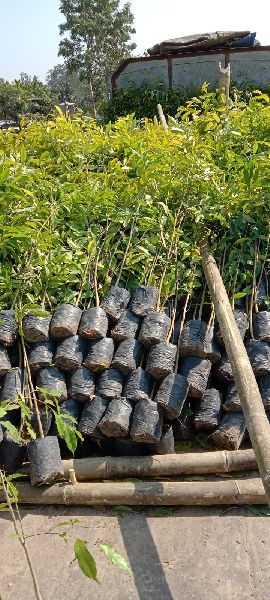
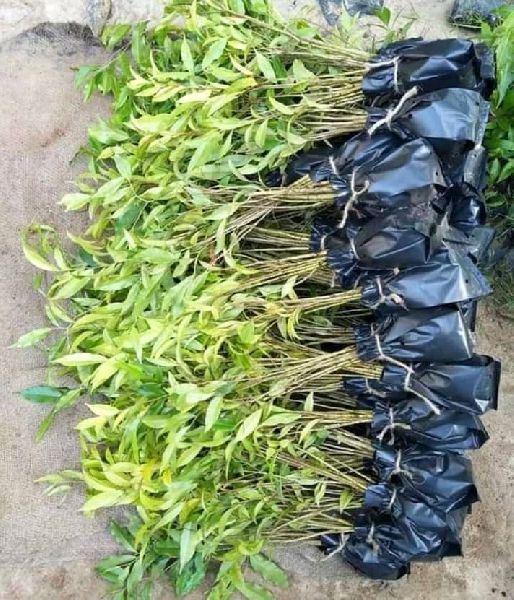
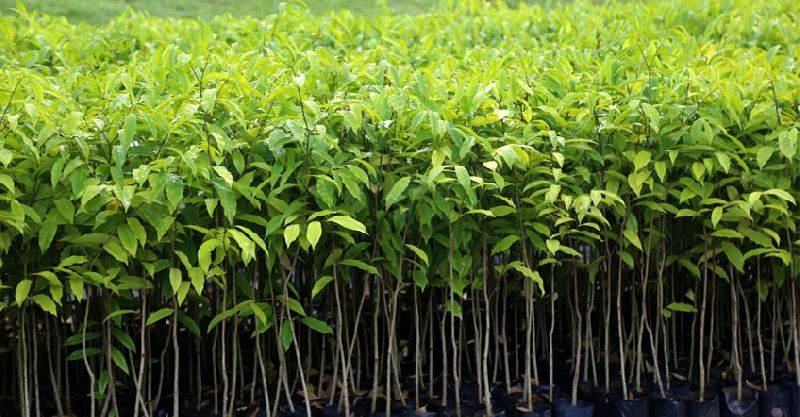
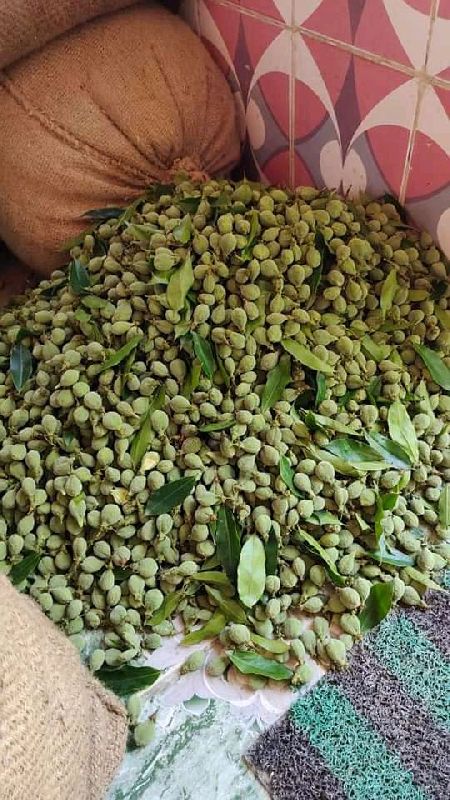
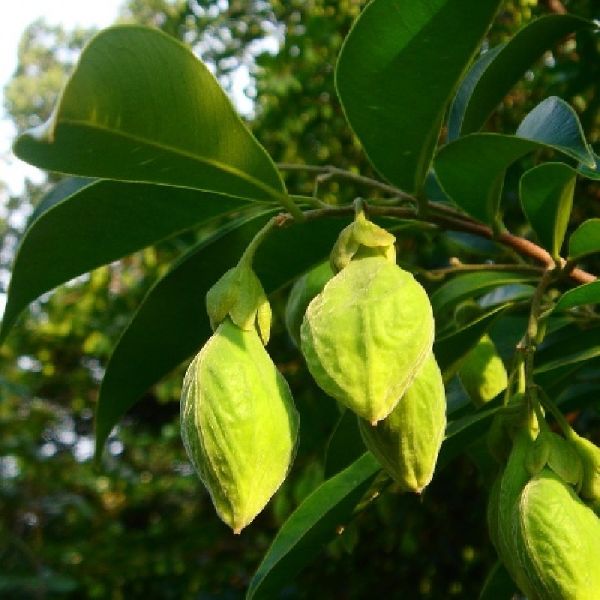
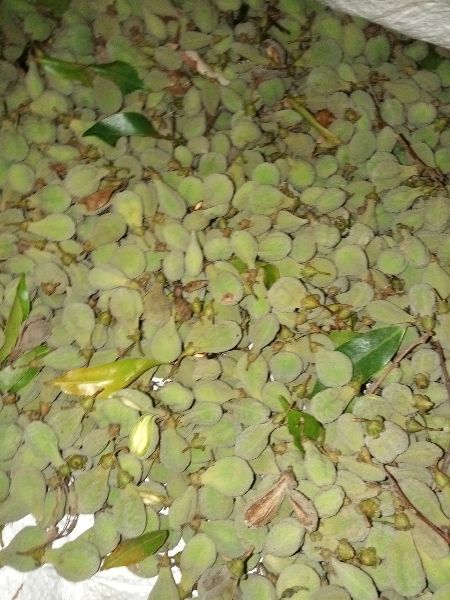
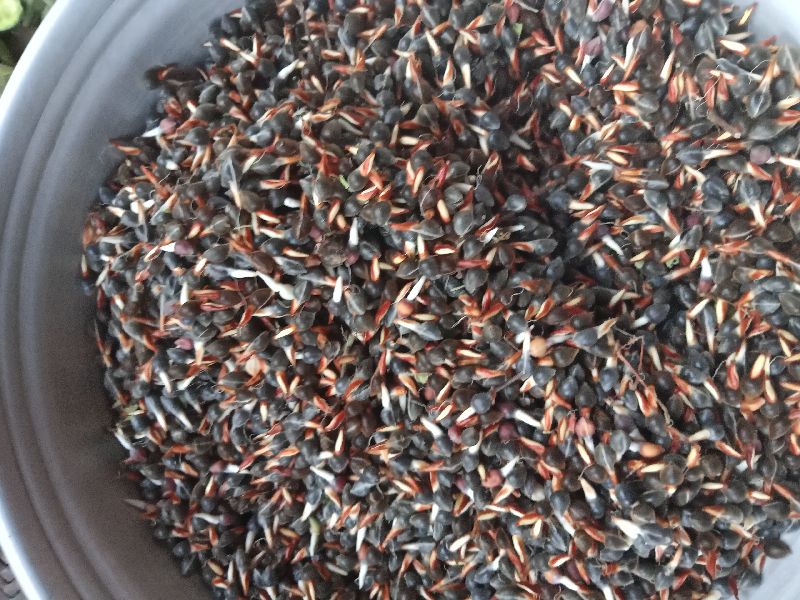
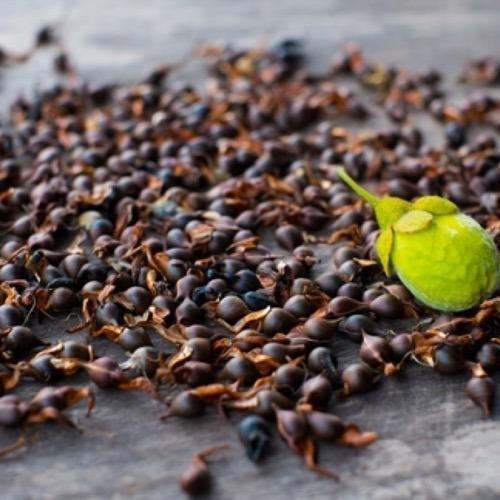
Agarwood is called as Woods of God. The scientific name of Agarwood is Aquilaria and the scientific name of Aquilaria is resinous heartwood. It is native of South East Asia. Agarwood is the infected wood of Aquilaria. It is a forest tree and reaches a height of 40 meters and 80 centimeters wide approximately. These wild trees become infected by some molds or parasitic fungi called Phialophora parasitica and begin to produce Agarwood in heartwood due to unaffected response to this attack. It is an odorless prior infection. As the infection progresses, it gives dark resin embedded in heartwood. This embedded wood is valuable. It gives remarkable fragrance and thus used in incense and perfumes. These aromatic qualities are influenced by the species, geographic location, trunk, branch, root origin, time taken since infection and methods of harvesting and processing. Approximately 10% of wild mature Aquilaria tree can naturally produce resin.
Additional Information:
Payment Terms : L/C, D/A, D/P, T/T, ,
Packaging Details : Box Packing, Bag Packing
Delivery Time : 3/4 Working Days
Agarwood, a highly precious non-timber fragrant wood ofAquilariaspp. (Thymelaeaceae), has been widely used in traditional medicine, religious rites, and cultural activities. Due to the inflated demanding and depleted natural resources, the yields of agarwood collected from the wild are shrinking, and the price is constantly rising, which restricts agarwood scientific research and wide application. With the sustainable planting and management of agarwood applied, and especially the artificial-inducing methods being used in China and Southeast Asian countries, agarwood yields are increasing, and the price is becoming more reasonable. Under this condition, illuminating the scientific nature of traditional agarwood application and developing new products and drugs from agarwood have become vitally important. Recently, the phytochemical investigations have achieved fruitful results, and more than 300 compounds have been isolated, including numerous new compounds that might be the characteristic constituents with physiological action. However, no one has focused on the new compounds and presented a summary until now. Alongside phytochemical advances, bioactivity screening and pharmacological investigation have also made a certain progress. Therefore, this review discussed the new compounds isolated after 2010, and summarized the pharmacological progress on agarwood andAquilariaplants.
Additional Information:
Payment Terms : L/C, D/A, D/P, T/T, ,
Packaging Details : Box Packing.
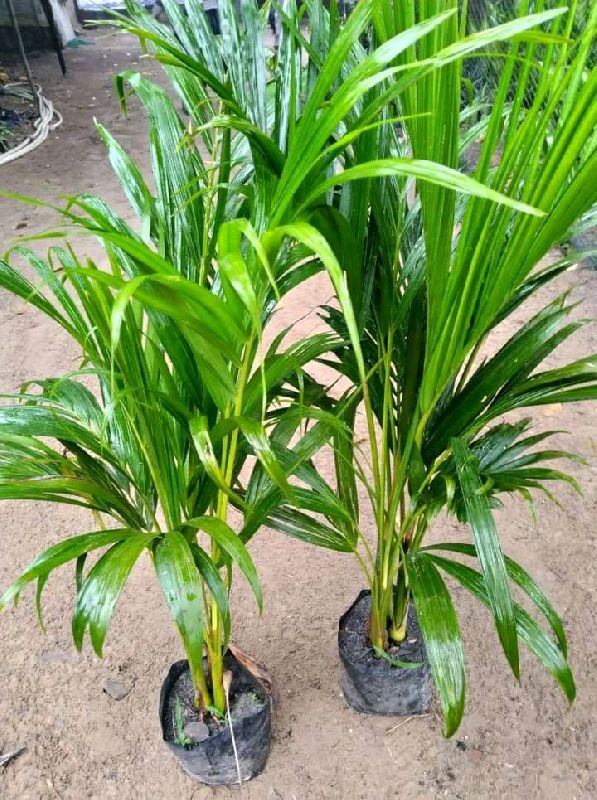
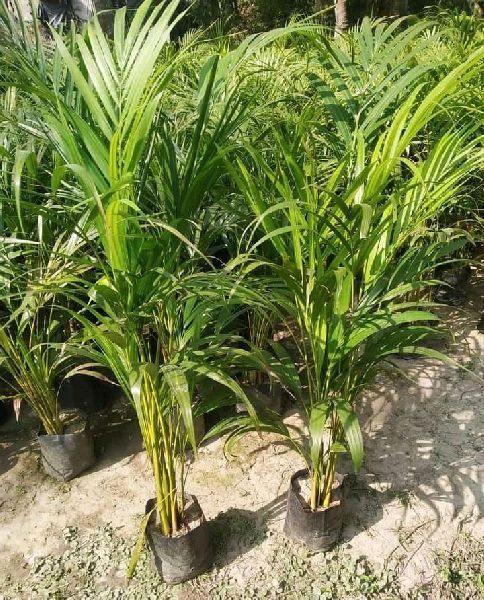
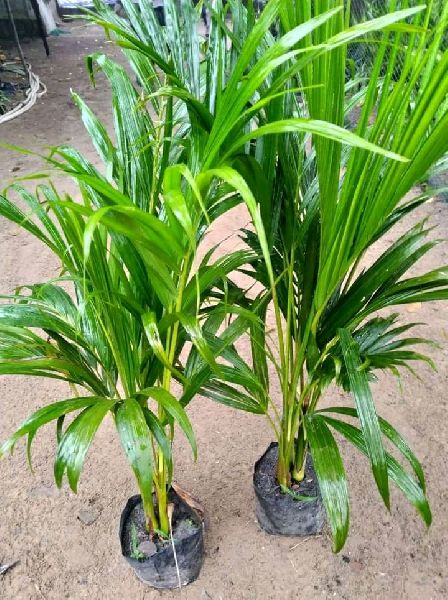
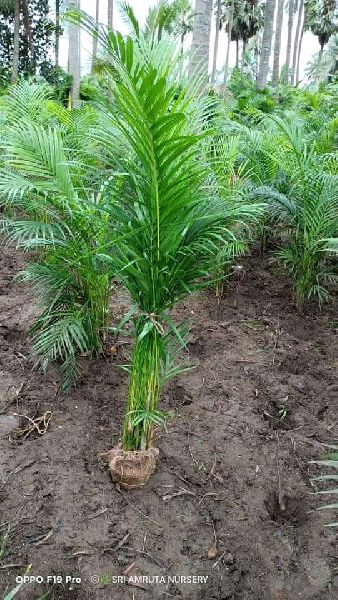
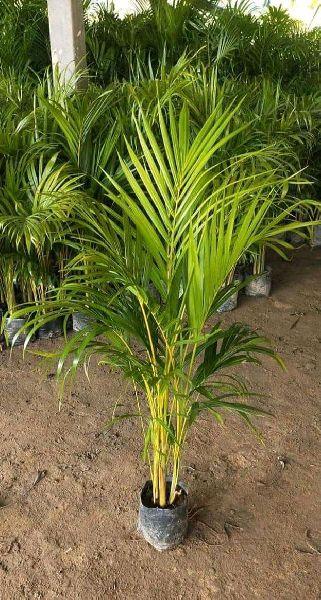
The Areca Palm gets its nickname, the Butterfly Palm, because its long feathery fronds (leaves) arch upwards off of multiple reed like stems.
Although the areca palm can grow as high as 30 feet outdoors, in interior locations, it tends to average only 6 to 7 feet. Long evergreen leaf stems shoot up from golden stalks and arch outward and down. The small white flowers and dark purple oblong fruits can appear year-round. These palms typically grow 6 to 7 inches per year.
Areca Palm is effective in removing benzene, formaldehyde and trichloroethylene from the air.
EnvironmentThe areca needs filtered light, preferably near a southeast or west-facing window. Use a moist, well-drained soil (preferably acidic soil), and water the plants as soon as the soil feels dry a little below the surface. Areca palms do not respond well to overwatering. Never allow an Areca to sit in water as this causes root rot. The fronds of an Areca wilt when they need water but quickly perk up once the soil is drenched.
Mist the leaves several times a week with a spray bottle. Mist the plant more frequently in the summer growing season. the more water you can supply the blooms, the healthier it will be.
Fertilize areca palm plants with a time-release fertilizer in spring. This gives the plant most of the nutrients it needs for the entire season. The fronds benefit from a micronutrient spray in summer.Leaf color is one of the best guide , Rich green indicates fertilizer levels are adequate & slight overall yellowish color may mean the to apply nutrients
Landscape
This palm tree , with its long, graceful feather-shaped fronds, will add a tropical feel to your home and is especially well suited for screened patios and atriums.
Additional Information:
Payment Terms : L/C, D/A, D/P, T/T, ,
Packaging Details : Bag, paccking, Box Packing
Delivery Time : 3/4 Working Days
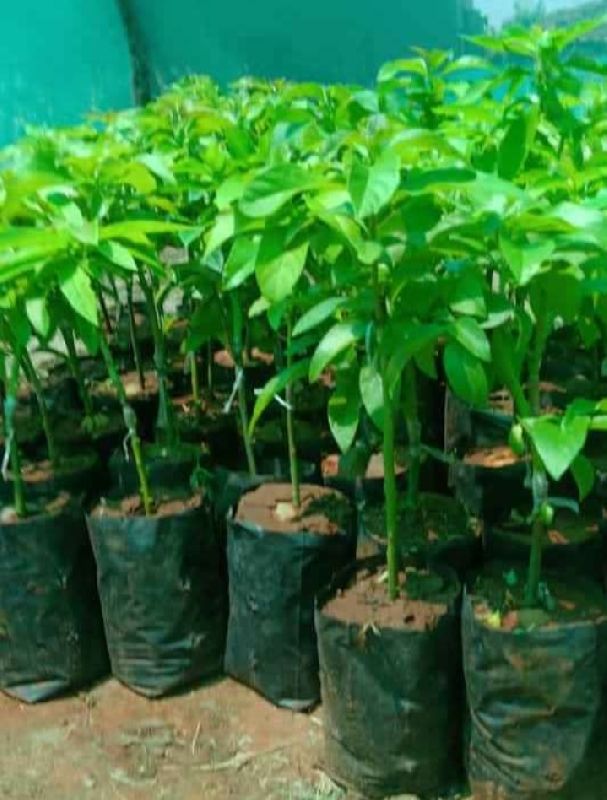
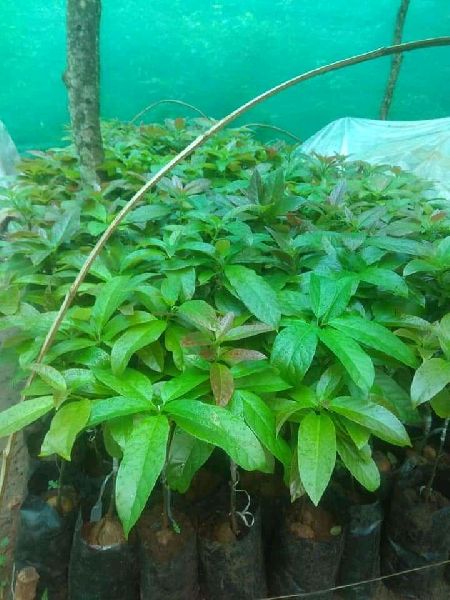
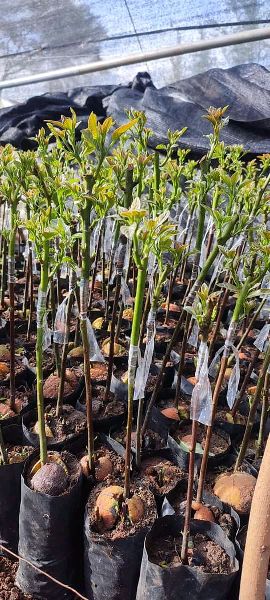
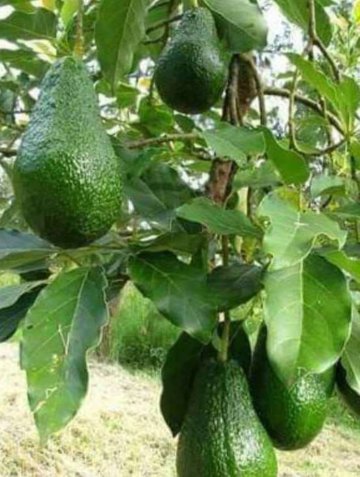
Avocadotreescan be tall or spreading, and they have elliptic to egg-shapedleavesthat are 1030 cm (412 inches) in length. The small greenishflowersare borne indenseinflorescencesand lack true petals. The flowers have nine stamens, arranged in three series, and a one-celled ovary. Interestingly, there are two types of avocado flowers, A and B, depending on thecultivar. These flowers are dichogamous (male and female parts mature separately), and eachfloweropens only twice. Type A flowers are functionally female in the morning, close at midday, and then reopen as functionally male in the afternoon of the following day. Type B flowers are functionally female in the afternoon, close in the evening, and then reopen the following morning as functionally male. When the two flower types are grown together, thistemporaloverlap of mature male and female parts encouragescross-pollinationand, thus, greater fruit production.
Additional Information:
Payment Terms : L/C, D/A, D/P, T/T, ,
Packaging Details : Box Packing, Bag packing,
Delivery Time : 3/4 Working Days
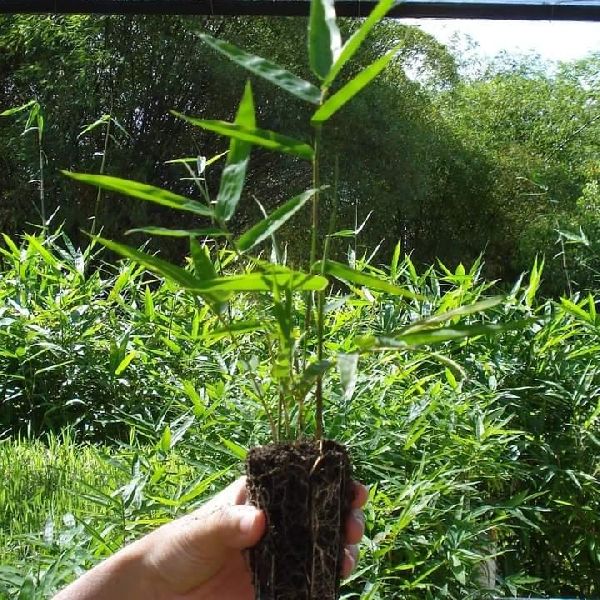
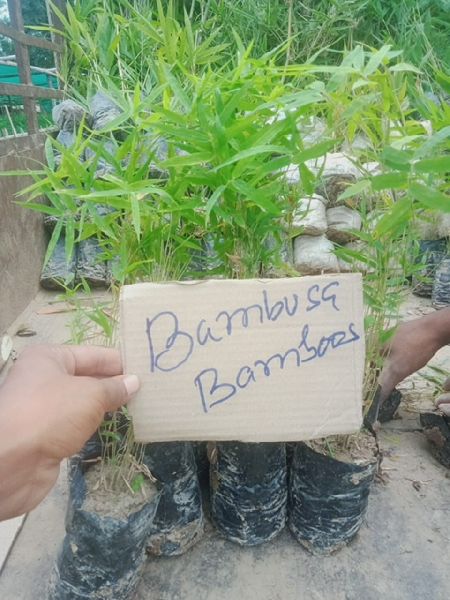
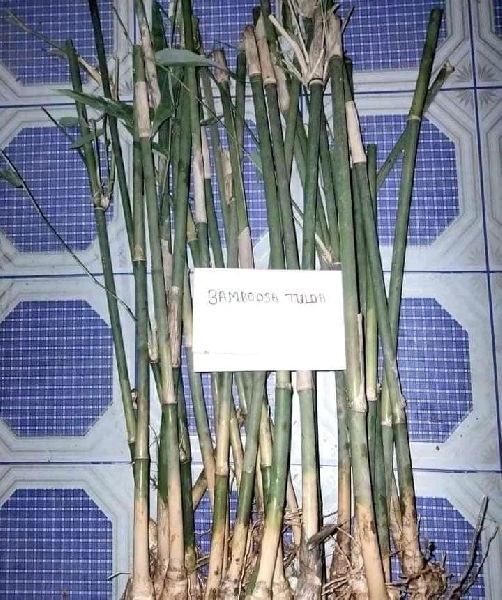
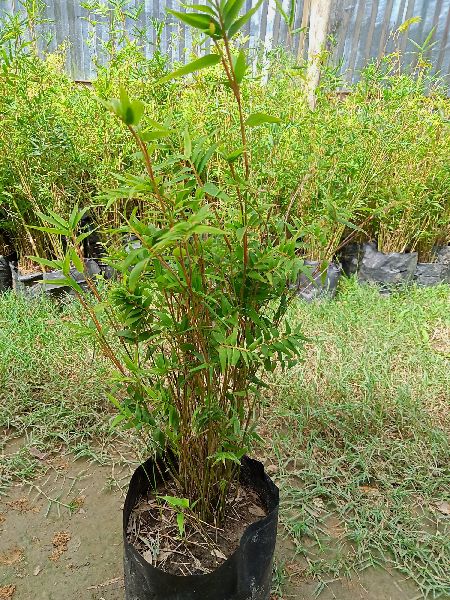
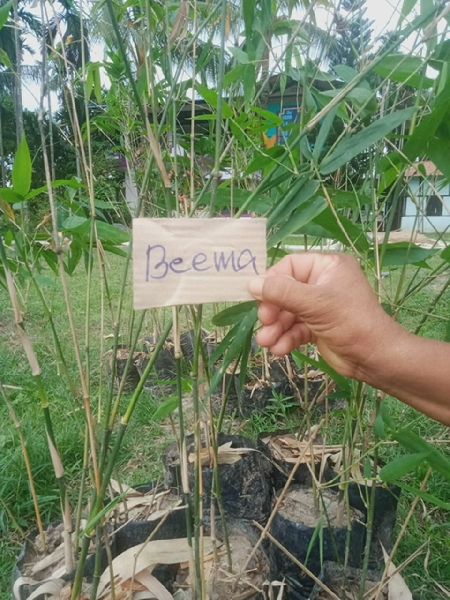
bamboo, (subfamily Bambusoideae), subfamily of tall treelike grasses of the familyPoaceae, comprisingmore than 115 genera and 1, 400 species. Bamboos are distributed in tropical and subtropical to mild temperate regions, with the heaviest concentration and largest number of species in East andSoutheast Asiaand on islands of the Indian and Pacific oceans. A few species of the genusArundinariaare native to the southern United States, where they form dense canebrakes along riverbanks and in marshy areas.
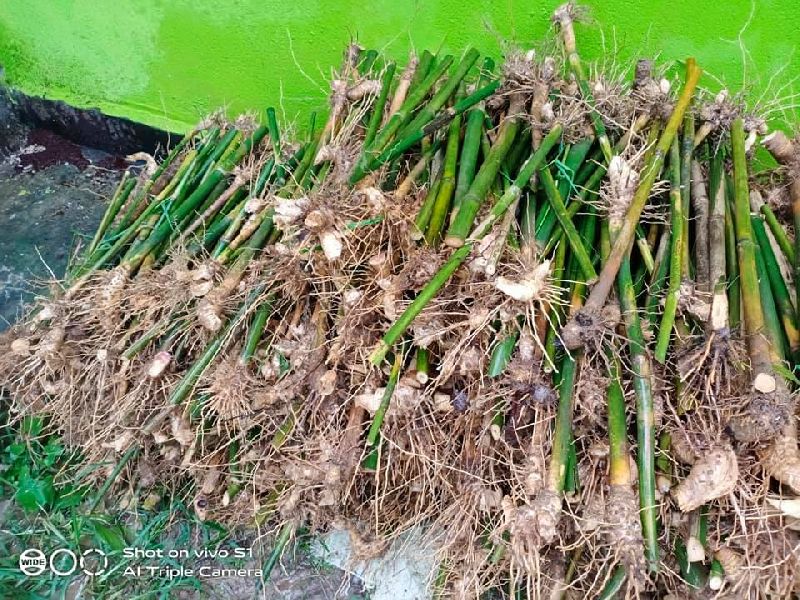
Bamboos are typically fast-growingperennials, with some species growing as much as 30 cm (1 foot) per day. The woody ringed stems, known asculms, are typicallyhollowbetween the rings (nodes) and grow in branching clusters from a thickrhizome(underground stem). Bamboo culms can attain heights ranging from 10 to 15 cm (about 4 to 6 inches) in the smallest species to more than 40 metres (about 130 feet) in the largest. While the narrowleaveson young culms usually arise directly from thestemrings, mature culms often sprout horizontal leaf-bearing branches. Most bamboos flower and produceseedsonly after 12120 years growth, and then only once in their lifetime; reproduction is largely vegetative. Some species spread aggressively and can form a dense undergrowth that excludes other plants.
Additional Information:
Payment Terms : L/C, D/A, D/P, T/T, ,
Packaging Details : Bag packing, Box packing
Delivery Time : 3/4 Working Days
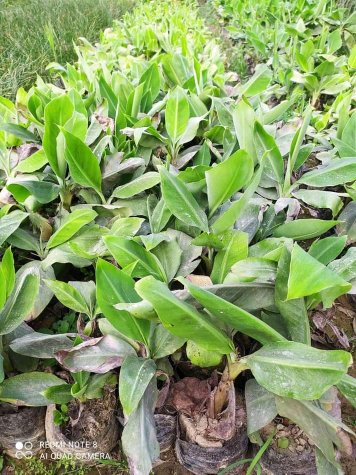
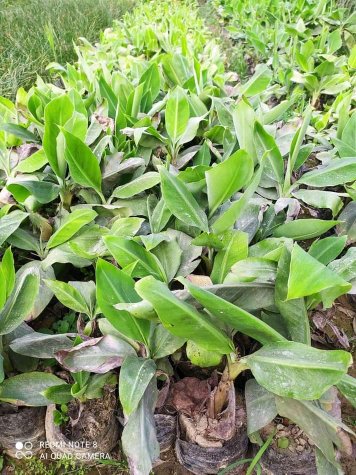
The banana plant, often erroneously referred to as a "tree", is a large herb, with succulent, very juicy stem (properly "pseudostem") which is a cylinder of leaf-petiole sheaths, reaching a height of 20 to 25 ft (6-7.5 m) and arising from a fleshy rhizome or corm. Suckers spring up around the main plant forming a clump or "stool'', the eldest sucker replacing the main plant when it fruits and dies, and this process of succession continues indefinitely. Tender, smooth, oblong or elliptic, fleshy-stalked leaves, numbering 4 or 5 to 15, are arranged spirally. They unfurl, as the plant grows, at the rate of one per week in warm weather, and extend upward and outward, becoming as much as 9 ft (2.75 m) long and 2 ft (60 cm) wide. They may be entirely green, green with maroon splotches, or green on the upperside and red purple beneath. The inflorescence, a transformed growing point, is a terminal spike shooting out from the heart in the tip of the stem. At first, it is a large, long-oval, tapering, purple-clad bud. As it opens, it is seen that the slim, nectar-rich, tubular, toothed, white flowers are clustered in whorled double rows along the floral stalk, each cluster covered by a thick, waxy, hoodlike bract, purple outside, deep-red within. Normally, the bract will lift from the first hand in 3 to 10 days. If the plant is weak, opening may not occur until 10 or 15 days. Female flowers occupy the lower 5 to 15 rows; above them may be some rows of hermaphrodite or neuter flowers; male flowers are borne in the upper rows. In some types the inflorescence remains erect but generally, shortly after opening, it begins to bend downward. In about one day after the opening of the flower clusters, the male flowers and their bracts are shed, leaving most of the upper stalk naked except at the very tip where there usually remains an unopened bud containing the last-formed of the male flowers. However, there are some mutants such as 'Dwarf Cavendish' with persistent male flowers and bracts which wither and remain, filling the space between the fruits and the terminal bud.
As the young fruits develop from the female flowers, they look like slender green fingers. The bracts are soon shed and the fully grown fruits in each cluster become a "hand" of bananas, and the stalk droops with the weight until the bunch is upside down. The number of "hands" varies with the species and variety.
The fruit (technically a "berry") turns from deep-green to yellow or red, or, in some forms, green-and white-striped, and may range from 2 1/2 to 12 in (6.4-30 cm) in length and 3/4 to 2 in (1.9-5 cm) in width, and from oblong, cylindrical and blunt to pronouncedly 3-angled, somewhat curved and hornlike. The flesh, ivory-white to yellow or salmon-yellow, may be firm, astringent, even gummy with latex, when unripe, turning tender and slippery, or soft and mellow or rather dry and mealy or starchy when ripe. The flavor may be mild and sweet or subacid with a distinct apple tone. Wild types may be nearly filled with black, hard, rounded or angled seeds 1/8 to 5/8 in (3-16 mm) wide and have scant flesh. The common cultivated types are generally seedless with just minute vestiges of ovules visible as brown specks in the slightly hollow or faintly pithy center, especially when the fruit is overripe. Occasionally, cross-pollination by wild types will result in a number of seeds in a normally seedless variety such as 'Gros Michel', but never in the Cavendish type.
Additional Information:
Payment Terms : L/C, D/A, D/P, T/T, ,
Packaging Details : Bag packing, box packing, carton packing.
Delivery Time : 3/4 Working Days
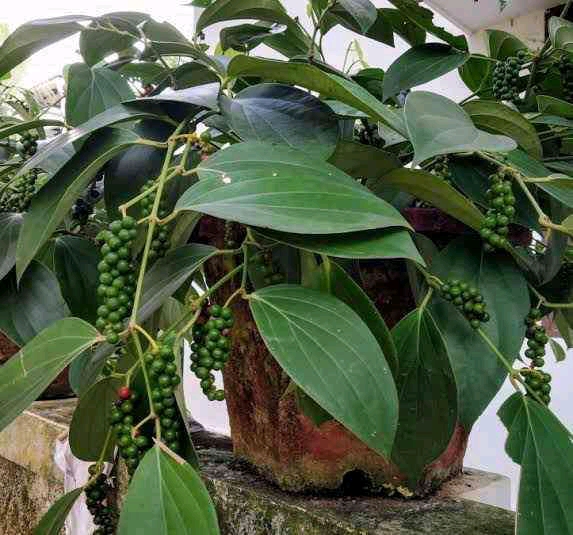
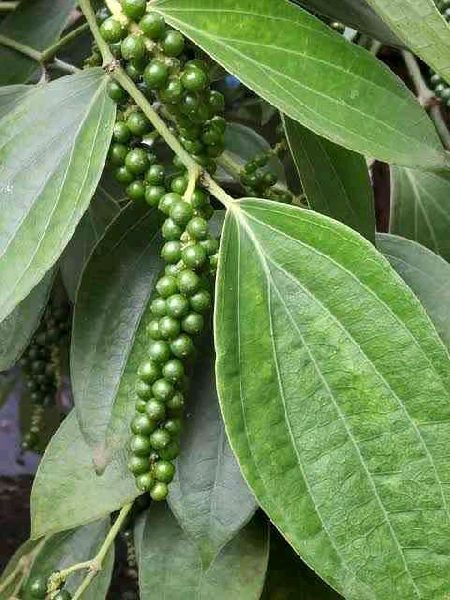
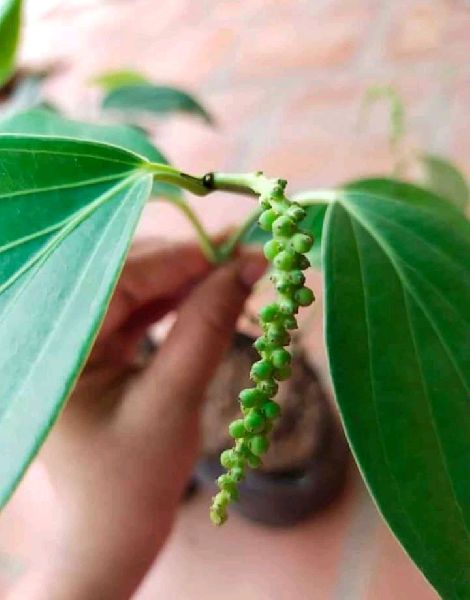
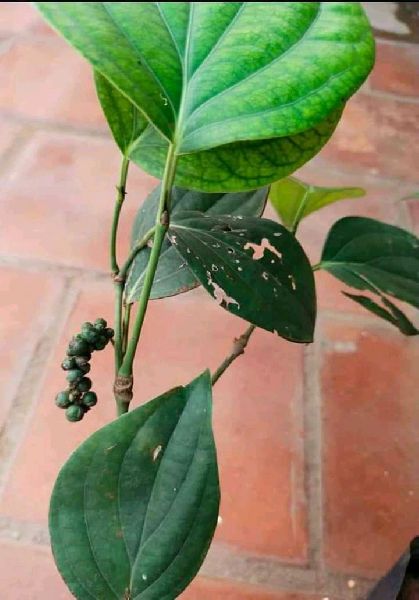
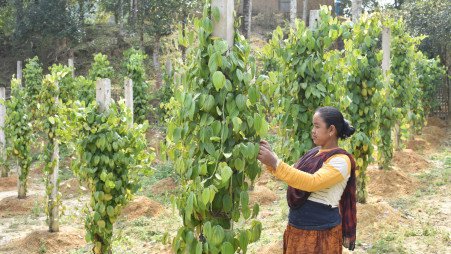
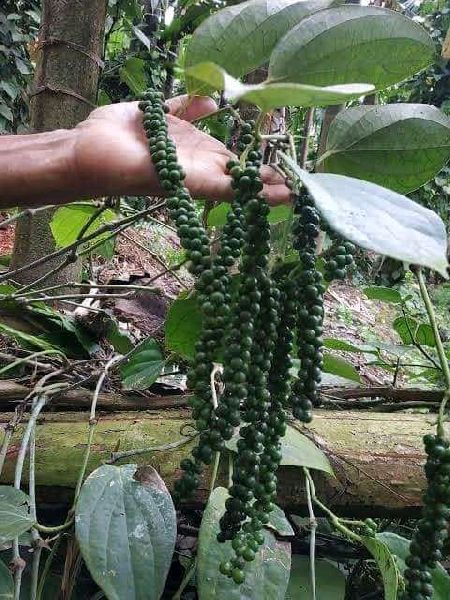
The black pepper plant is a woody climber and may reach heights of 10 metres (33 feet) by means of itsaerialroots. Its broad shiny greenleavesare alternately arranged. The smallflowersare in dense slender spikes of about 50 blossoms each. The fruits, which are sometimes called peppercorns, aredrupesabout 5 mm (0.2 inch) in diameter. They become yellowish red at maturity and bear a singleseed. Their odour is penetrating and aromatic; the taste is hot, biting, and very pungent. Ground black pepper contains up to 3 percentessential oilthat has the aromatic flavour ofCapsicumpeppersbut not the pungency. The characteristic flavour is principally derived from the chemicalpiperine, though the seeds also contain chavicine, piperidine, and piperettine.
The plant requires a long rainy season, fairly high temperatures, and partial shade for best growth.Propagationis usually by stem cuttings, which are set out near a tree or a pole that will serve as a support. Pepper plants are sometimes interspersed inteaorcoffeeplantations. They begin bearing in 2 to 5 years and may produce for as long as 40 years.
Additional Information:
Payment Terms : L/C, D/A, D/P, T/T, ,
Packaging Details : bag packing , box packing,
Delivery Time : 3/4 Working Days
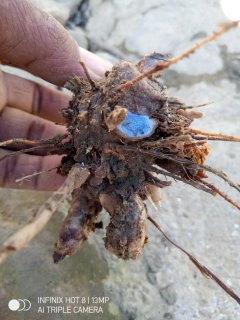
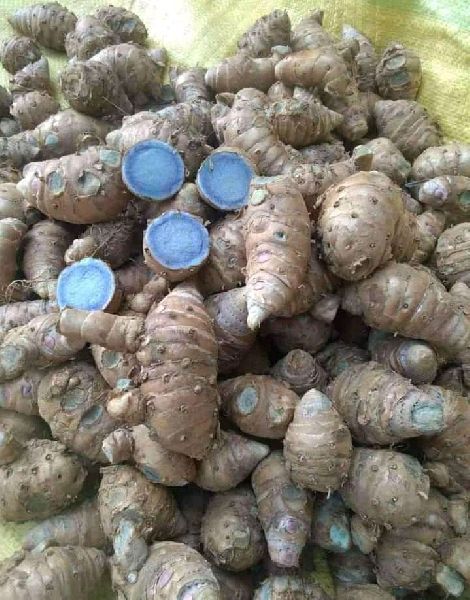
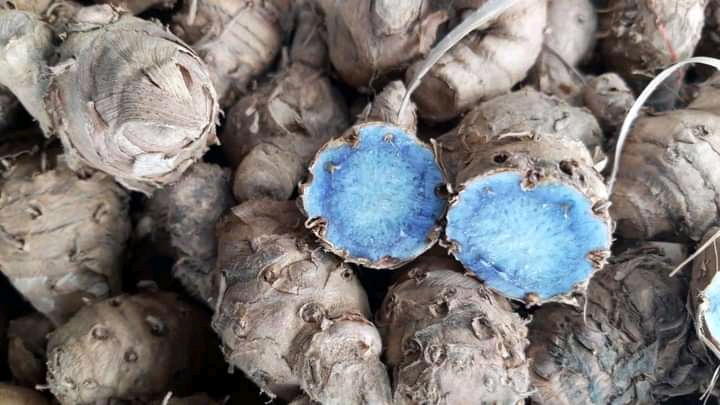
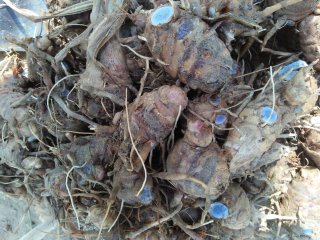
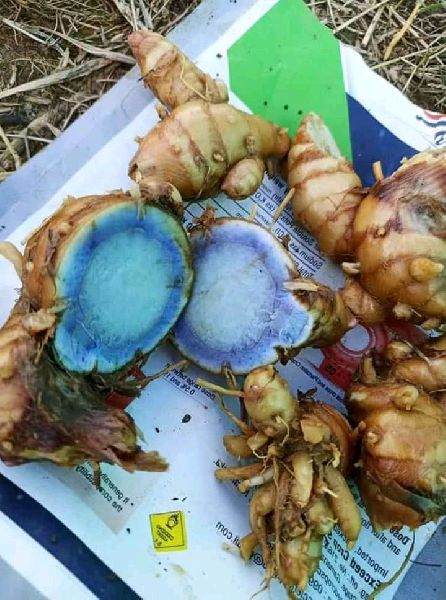
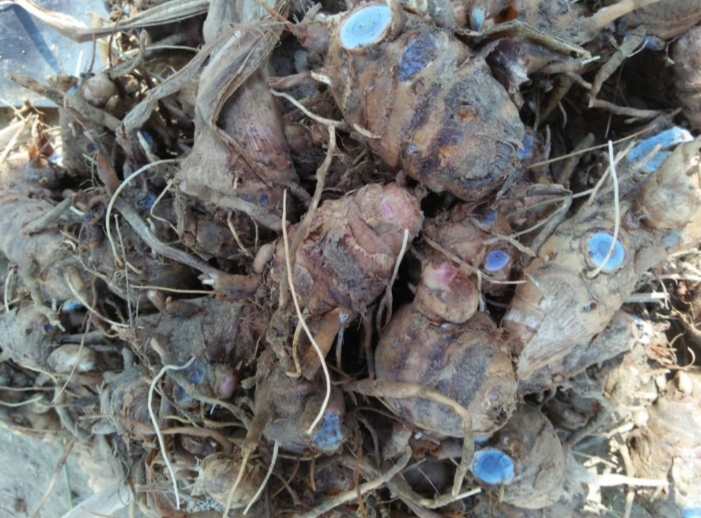
Black turmeric looks quite different than the more common orange turmeric. Black turmeric has an appearance that more closely resembles its cousin, the knobby ginger. The main stem, or rhizome, may have smaller rhizomes branching out, reaching from one to two inches in length. The outer part of the rhizome is a light brown, with rough areas. The flesh is a bluish-purple color that can appear entirely blue or in light and dark concentric circles, sometimes lighter in the center or just near the skin. Black turmeric has a pungent, camphor-like smell. It is somewhat bitter, with an earthy, hot taste.
Black turmeric is typically harvested in mid-winter.Current Facts
Black turmeric is a rare herb. It is the underground portion of the stem, or rhizome, of the Cucurma caesia plant. The plant itself is sometimes grown as an ornamental, but the root has been used for centuries for medicinal and religious purposes. Black turmeric offers benefits similar to the orange variety, but the darker cultivar contains higher concentrations of curcumin than any other Curcuma species. In Hindi, the herb is called Kali Haldi. It is used widely in India for health and religious purposes.
Additional Information:
Payment Terms : L/C, D/A, D/P, T/T, ,
Packaging Details : Box packing , Bag Packing
Delivery Time : 3/4 Working Days
 Manoj (Blue Breeze Enterprise)
 Lanka, Lumding road, Hojai, Assam - 782446
 Share us via