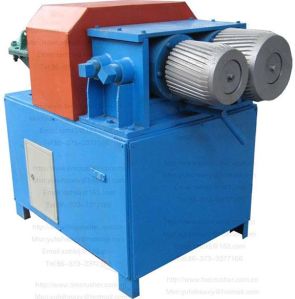
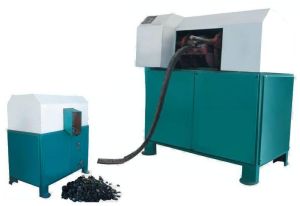
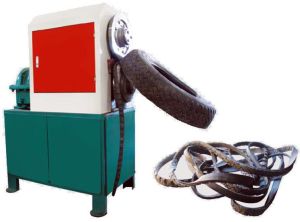
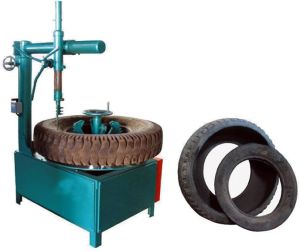
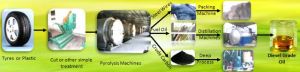
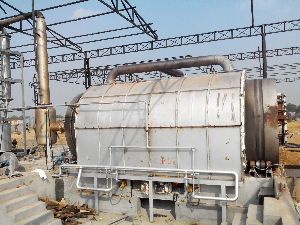
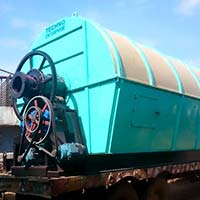
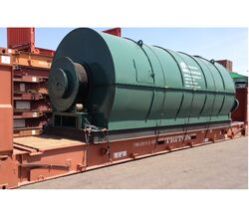
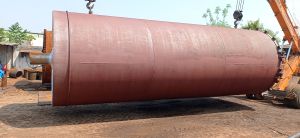
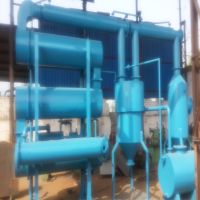
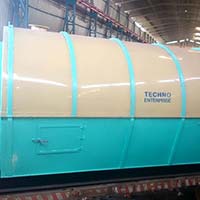
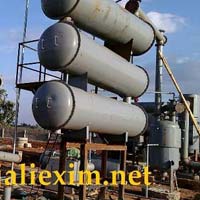
We are offering tyre pyrolysis plant. avail from us energy-efficient and high performing tyre pyrolysis plant . We deliver tyre pyrolysis plant with capacities of 5 ton per day, 10 ton per day, and its multiples. The company is a sought-after tyre pyrolysis plant supplier and exporter in honk kong. The out products of the tyre pyrolysis plant find applications in various sectors. features 100% waste tyre recycling is achieved (no churn left after the process) no chemical ingredients are used in process (environment friendly) during and after the process, no soil, water, or air pollution is observed creates economical products out of waste (all of the products are industrial raw materials that have a market value) raw material (waste tyre) is cheap and easily available. These waste tyres are the by-products of tyre production each recycled ton of tyre preserves 10 tons of co2 that is a major greenhouse gas the process can be applied to all rubber based materials the system creates an alternative source of energy to replace petroleum products and natural gas system gives the opportunity to deal with the waste tyre problem to a great extent system prevents the spread of diseases caused by waste tyres what is pyrolysis? pyrolysis is a thermochemical decomposition of organic material at elevated temperatures without the participation of oxygen. The process involves simultaneous change of chemical composition and physical phase, and is irreversible. The word is coined from the greek-derived elements pyr, meaning "fire" and lysis, meaning "separating". The process is the most cost-effective waste tyre recycling technology in the world. The process of pyrolysis has duration of 4 to 12 hours, depending on the amount and type of tyre (car tyre, truck tyre, etc.). During the process, different vacuum values are applied in pre-determined temperatures and in different phases different gases are obtained, and the condensed gas is stored as fuel-oil in tanks. output products efficient industrial pyrolysis is a process to treat the rubber and industrial plastic waste. Pyrolysis is the decomposition of organic compounds under oxygen free atmosphere that produces gas, oil, carbon black, and steel. below is the output percentage and usage of the output products fuel oil (40 to 45%) the main oil product produced by this recycling application is the fuel oil, which is wide used for industrial and commercial purposes. The oil has 40%-45% of the amount of recycled scrap tyres, which will be carried with licensed tanker trucks. carbon black (30 to 35%) carbon black is the main product recycled of the pyrolysis technology. The amount of recycled carbon black is 35%-42% (depending on the type of tyre) of the total amount of scrap tyres recycled in the system. Carbon black is used as raw material or main ingredient in many industries. The chemical structure of carbon black strengthens, lengthens the endurance, and improves the coloring features of the materials. carbon black produced by pyrolysis application (cbp) is more economical as compared to the one produced primarily from petroleum and is more price-efficient to be used as an ingredient in the application areas that are listed below: electric cable jacketing conveyor band carrier bands hose and doormat black nylon bag rubber additive automotive spare parts heat isolation black colorant in rubber materials plastic pipe industrial rubber products fire fighting steel wire (10 to 15%) tyres contain steel wires and the amount ranges from 10% 15% of the total tyre weight. All of the steel present in the tyre can be detached after the pyrolysis recycling process is completed. Valuable steel wires are pressed and sold to steel and scrap dealers. gas (10 to 12%) non-condensable gases arise during the recycling application which: has a higher calorific value compared to natural gas can replace natural gas and propane when safely stored can be used as energy resource in gas burners, which are also used in pyrolysis system the amount of gas generated in the system is 12% to 15% of the total amount of recycled tyres and considering the 10 ton scrap tyre/ day recycling capacity, the facility generates 1400-1500 m³/ day gas, which has an enormous energy potential.




 Write a Review