Every lab test starts with a good tool. Scientific and laboratory instruments help people measure, weigh, heat, clean, and test samples. Schools, hospitals, factories, and research centers use them every day. One small error in a scale or a thermometer can spoil your work. So you need to choose well.
India makes many kinds of lab products. You can find simple glassware and also strong testing machines. The hard part is finding a supplier you can trust. Read the company profile. Check the product details. Ask to see the papers. You can also post what you need and wait for suppliers to send offers.
ExportersIndia keeps makers, exporters, and suppliers of lab tools in one directory. You can compare many choices in one place. This guide shows the main product types, what to check before you buy, and how the market is changing.


Automatic Metal Liquid Level Indicator For Storage Tanks
Price: 8,250 / piece

Analogue Tachometer for Monitoring Rotational Speed in Industrial Machinery
Price:
54,418 / Piece

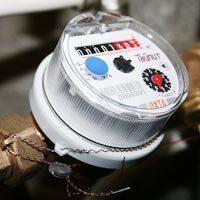
Cast Iron Automatic Hot Water Meter Multisizes, 15mm - 200mm
Price:
5,200 / PIECE

Domestic Smart Ultrasonic Water Meter for Residential Water Management
Price:
4,500 - 25,000/ Piece

Applied Techno Systems Opacity Analyzer
Price:
3.25 Lakh - 7.55 Lakh/ Set

Digital Opacity Tester Model 136R with 340 to 960 nm Range
Price:
18,000 / Piece

Mett-Bio Disc Corrosion Coupon, Certification : ISO 17025:2017 - NABL
Price:
900 - 1,000/ piece

Digital Vibration Meter with Plastic Body for Industrial Usage
Price:
1.07 Lakh / 110000 Piece

Digital Distortion Meter for Measuring Audio Distortion Levels
Price:
19,500 / Piece

Digital Meter for E Rickshaw with Plastic Body
Price:
300 / Piece


PH Meter, Display Type : Digital
Price:
45,000 / Piece
 35,000 / Piece
 215 - 235/ 500ML

Kled-70 Nir Moisture Transmitter, Display Type : Digital
Price:
9 Lakh - 10 Lakh/ piece

Indosaw Moisture Meter for Moisture Measurement in Wood
Price:
47,320 / piece
 4.25 Lakh - 4.25 Lakh/ Piece

700 G Online Do Meter, Voltage : 220V
Price:
40,000 / Piece

Electronic Compression Testing Machine, Voltage : 240/380 V
Price:
6 Lakh - 20 Lakh/ Piece

V Tech VT-19188 Breath Alcohol Analyzer for Law Enforcement Agencies
Price:
5,824 / Piece

MS Dead Weight - 5000 KG, Packaging Type : Box
Price:
5 Lakh / Unit

Temperature & Humidity Stability Chamber for Pharmaceutical Stability Testing
Price:
2.50 Lakh - 12 Lakh/ piece

Tulip Syphicheck Device, Packaging Size : 25 Pcs.
Price:
770 / Piece

Kyoritsu Packtest COD TEST KIT Range 0-250ppm
Price:
5,999 - 7,999/ kit
 59,000 - 1.26 Lakh/ Nos

Secondary Injection Test Kit Model RELAY100X for Testing
Price:
48,000 / Set

Csn Test Kit for Measuring Chlorides in ppm
Price:
2.50 Lakh / piece

Digital Nephelometer, Brand Name : Sansel for Industrial Use
Price:
8,000 / piece

Turbidity Meter with LCD Display and Infrared LED Light Source
Price:
76,500 - 80,000/ piece

Online Turbidity Meter for Water Treatment with 0 to 400 NTU Measurement Range
Price:
5,000 / Piece

Nice Water Hardness Testing Kit, Packaging Type : Box
Price:
900 / piece
 37,800 - 40,500/ Unit

MAHIR Friablity Drum For Labouratory Use
Price:
2,000 - 3,000/ Piece

230v / 50 Hz Lacquer Porosity Test Apparatus, For Laboratory
Price:
1.30 Lakh - 1.70 Lakh/ Piece


William Type Oil Penetration Tester, Display Type : Digital
Price:
85,000 / Piece

Gokul Laboratory Scrappers, Color : White, Packaging Type : Box
Price:
80 / Piece

Industry 4.0 Modular Manufacturing Set Up Lab Equipment
Price:
11 Lakh / Piece

Tail Suspension Test Apparatus, Certification : CE Certified
Price:
65,500 - 85,000/ Piece

Motorized Precision Tissue Sectioning Fully Automatic Microtome for Histopathology Laboratories
Price:
2.50 Lakh - 4 Lakh/ Piece
 55,000 / Piece

Vertical Triple Wall High Pressure Autoclave by BP Lab India
Price:
54,000 - 80,000/ piece

Stainless Steel Horizontal Hospital Autoclave
Price:
1 Lakh - 1.50 Lakh/ Piece

Labomed Prima Oph Z Axis Microscope
Price:
4.50 Lakh / Piece

Metal Glass Brinell Microscope, Color : Black Silver
Price:
2,200 / Piece

Stainless Steel LED Electricity Binocular Microscope
Price:
12,500 - 36,000/ piece
 90,000 / Piece

Mild Steel B.O.D Incubator Model BPL-16 for Industrial Use
Price:
38,000 / piece

Aluminium Alloy Jolting Apparatus, Power Supply : Single Phase
Price:
68,290 / Piece

SSW MP1291 Melting Point Apparatus for Pharma Applications
Price:
20,000 - 90,000/ Piece

MAHIR Imported Dissolution Validation Kit, Color : Grey, White
Price:
75,000 - 95,000/ piece

Electric Diffusion Cell Apparatus
Price:
68,500 - 95,500/ Piece

V Tech Chest Depth Caliper - Analog Aluminium Calipers for Laboratory Use
Price:
8,190 / Piece

Electric Multi Parameters Universal Spectrometer, Color : Black
Price:
25 Lakh / Piece

Artificial Breast Milk Or Simulated Breast Milk
Price:
16,975 - 92,150/ Unit
 9.54 Lakh - 12.54 Lakh/ piece

Metal Industrial Autoclaves for Cement Use
Price:
10,000 - 20 Lakh/ Piece

Mild Steel Industrial Autoclave
Price:
5 Lakh / Units

Polished 5000-10000kg Metallic Industrial Autoclave, Shape : Vertical
Price:
5,000 - 50 Lakh/ Piece

MURHOPYE Polished Stainless Steel Rotary Autoclave, For Industrial Use, Shape : Horizontal
Price:
10 Lakh - 50 Lakh/ Piece

Ammeter-Voltmeter Combined Single Phase Direct Type (Model Pgav &Ndash; 72×72 Mm, up to 60A)
Price:
270 - 350/ Piece

E Rickshaw Battery Voltage Meter - Digital Voltmeter, CE Certified
Price:
250 / Piece

Zoom Voltmeter, Certification : CE Certified
Price:
190 / Piece
 20,000 / Piece

Stainless Steel Portable Mud Balance - Standard Rectangle Shape
Price:
11,501 - 13,001/ Piece

Aluminium Mud Balance, Brand Name : SS Enterprises
Price:
20,000 / Piece
 1,750 / Piece
 16,500 - 16,500/ piece

V Tech VT-32 Digital Hygrometer for Industrial Applications
Price:
63,700 / Piece

Digital Indoor Thermo Hygrometer With Clock For Home Use, Lab Use, Medical Use, Industrial
Price:
800 - 950/ piece

Digital Thermo Hygrometer - Plastic Material for Indoor Use
Price:
2,600 / Piece

V-TECH Aluminum Prism Pole 2.5Mtr with Telescoping Design
Price:
3,300 / Piece

Plastic Accu Star Electronic Clinometer, For Survey, Packaging Type : Carton Box
Price:
25,000 / Piece

Heinlanz Inclinometer Rotary Encoder 24VDC Power Source 20cm Arm Length
Price:
23,400 / number

High Quality Plane Table, For Survery Instrument, Feature : Well Finished
Price:
6,500 - 8,500/ Set

Metal Digital Inclinometer for Exercise Application
Price:
22,000 / Piece

Brass Burton Compass for Navigation - 2.5 Inch Analog Display
Price:
2,400 / Piece

Battery Magnetic Compass 5 Cm to 30 Cm Diameter
Price:
50,000 / piece

Battery Polished Unique Brass Nautical Compass, Color : Golden
Price:
450 - 689/ Piece

Dual Lens Head Mounted Magnifier for Watch Repair & Precision Inspection
Price:
275 / Piece

V Tech Magnifier Glass Lens - Plastic 30x Magnification A4 Size
Price:
1,055 / piece

Indoe Enterprises Plastic Magnifier Lamp For Monitor Temprature
Price:
7,500 - 15,000/ piece

Magnifying Glass, Shape : Round
Price:
500 / Piece

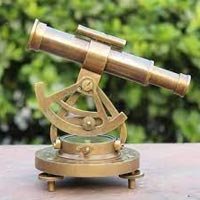
Polished Brass Victorian Marine Telescope, Color : Golden
Price:
900 - 2,500/ Piece

High Quality ASTRONOMICAL TELESCOPE RX2 302, Feature : Durable, Easy To Use, Well Finished
Price:
4,000 - 7,000/ Set
V Tech Magnifier Glass Lens - Plastic 30x Magnification A4 Size
Price:
1,055 / piece
Magnifying Glass, Shape : Round
Price:
500 / Piece

Heavy Glass Magnifying Nautical Lens
Price:
2,500 - 7,500/ 250 piece

Polished Bone Inlay Magnifying Glass, Color : White, Customize
Price:
1,000 / piece


Air Velocity Calibrator, Color : White for Milliamp
Price:
10 Lakh / Piece

Stainless Steel Digital Temperature and Humidity Indicator
Price:
6,370 / piece

Digital Oil Temperature Indicator, For Industrial, Certification : ISI Certified
Price:
3,800 / Piece

Flameproof Digital Temperature Indicator for Indoor Industrial Monitoring
Price:
2,250 / piece

Electric 4" Jumbo Humidity and Temperature Indicator for Industrial
Price:
13,500 / Piece
 3,500 - 7,500/ piece

Weight Indicator, Feature : Durable, High Accuracy, Stable Performance
Price:
10,000 - 50,000/ Piece

Nagarjun Technovision Weight Indicator
Price:
25,000 - 35,000/ piece
 10,000 / Piece

Thermopro Tm02 Multifunction Digital Kitchen Timer With Alarm
Price:
950 - 1,000/ Piece

Digital Timer for Incubator with LED Display and Automatic Operation
Price:
2,050 / piece

Digital Stopwatch Timer in Black Plastic for Sports
Price:
150 / Piece

Digital Timer With Thumbwheel Setting (3 Digit Display)
Price:
1,200 / piece

3 Door Status Indicator Panel for Clean Room Door Monitoring
Price:
10,000 - 12,000/ piece
 8,000 / Piece

GOLDFIELD PANEL PVC INDICATOR, Max. Voltage : 110
Price:
4,675 - 5,500/ piece

SIBASS Plastic Panel Indicators
Price:
20 / Piece

Online Chlorine and Turbidity Analyzer System for Water Treatment
Price:
75,000 - 3.50 Lakh/ Piece

Residual Chlorine Analyzer for Water Treatment and Effluent Monitoring
Price:
50,000 / Piece
 3.50 Lakh / Piece

V Tech Portable Gas Purity Analyzer with Graphical LCD Display
Price:
2.73 Lakh / Piece

Electric Analytical Instruments with Automatic System 4-20 for Scada DCS
Price:
62,000 / Piece

Electric 0-20kg Analytical Instruments, Style : Table Top
Price:
6,000 / Piece

Dga Standard, Brand Name : Chemix for Industrial
Price:
5,999 / piece
3.50 Lakh / Piece
V Tech Portable Gas Purity Analyzer with Graphical LCD Display
Price:
2.73 Lakh / Piece

Digital Moisture Analyzer Machine for Food Applications
Price:
18,000 - 95,000/ piece

Digital Dissolved Oxygen DO Meter Analyzer for Water Treatment
Price:
12,000 - 85,000/ Piece

Single Beam UV Vis Microprocessor Spectrophotometer in White Plastic for Industrial Use
Price:
1.79 Lakh / piece

Plastic Single Beam Spectrophotometer, Packaging Type : White
Price:
60,000 - 90,000/ Piece

Near Infrared Spectrophotometer, Weight : Approx. 20 Kg
Price:
20 Lakh / Piece
 1 Lakh - 1.20 Lakh/ piece

Logic Analyzer for Analyzing and Debugging Digital Circuits
Price:
26,000 / Piece

0-5kg Battery Portable Oxygen Purity Analyzer, Certification : Ce Certified, Iso 9001:2008
Price:
25,000 - 85,000/ Piece

Flow CAM Dynamic Imaging Particle Size & Shape Analyzer
Price:
20 Lakh / piece

Calibration Of Vibration Analyzer Csi 2140 For Industrial Use
Price:
1.50 Lakh / piece
 7,500 / Piece
 31,000 / Piece
 16,000 / Piece

Romaina Online Continuous Emission Monitoring System
Price:
5.50 Lakh / Piece

Ultra Sonic Weather Station for Weather Monitoring
Price:
3 Lakh - 3.25 Lakh/ Piece
 1.60 Lakh - 2 Lakh/ Piece

Online SPM Analyzer System for Dust Measurement - SPM-205
Price:
1.50 Lakh - 6.50 Lakh/ Piece

Steel Grain Moisture Meter - Universal Digital Moisture Meter
Price:
26,390 / piece

Semi Automatic ABS Plastic Digital Moisture Meter Model Ats 301D
Price:
78,500 / piece


Digital Concrete Temperature Meter for Measuring Temperature Of Concrete
Price:
1,183 / Piece

Stainless Steel Temperature Meter for Industrial Applications
Price:
190 - 600/ Piece

Microprocessor Based PH-mV Temperature Meter Model 155R
Price:
16,000 / Litre

Digital RH Temperature Meter in Black ABS Plastic for Laboratory Use
Price:
30,000 / Piece

Humidity Meter HTC-1 with Digital Display and Backlight
Price:
950 / NO S

Digital Humidity Meter Model HTC-1 with Temperature Range -50 to 70° C
Price:
600 / Piece
 9,500 / Piece

Plastic Insize Mini Temperature And Humidity Meter, Color : White
Price:
773 / Piece

Das Dynamic Check Weighing Machine
Price:
7.75 Lakh / piece

Personal Weighing Scale with Step-On Technology and 180 Kg Capacity
Price:
500 / Piece

Digital Medical Weighing Scale for Clinical Weight & Height Assessment
Price:
2,500 - 5,000/ Piece

Phoenix Hanging Scale - Digital Stainless Steel, 1000 Kg Capacity
Price:
22,750 / Piece

HANGING Scale 200 Kg X 50 Gm - A-308
Price:
1,249 - 1,250/ Unit

Natraj Plastic Scale, Color : Transparent
Price:
8 / Piece

Scale Pallet Truck, Size Of Forks:178x60 Mm
Price:
70,000 / Piece

Wooden Meter Scale, Color : Yellow
Price:
45 / Piece

Alpha Luggage Scale, Color : Black
Price:
360 / Piece

Automatic Coin Weighing Machine
Price:
8,500 - 18,500/ piece
Das Dynamic Check Weighing Machine
Price:
7.75 Lakh / piece

230 V 2 Head Linear Weigher Machine
Price:
1.50 Lakh / Piece

Das Electronics Electric Automatic Weighing Machine, Display Type : Digital
Price:
9 Lakh - 12 Lakh/ Piece

Buoyant Apparatus for 12 or 20 Persons - Marine Application - Orange
Price:
30,000 - 40,000/ Piece
 3,000 / 3100 piece

Stainless Steel Hectoliter Weight Apparatus for Measuring Grains
Price:
15,470 / Piece
Phoenix Hanging Scale - Digital Stainless Steel, 1000 Kg Capacity
Price:
22,750 / Piece
HANGING Scale 200 Kg X 50 Gm - A-308
Price:
1,249 - 1,250/ Unit


Stainless Steel Hanging Scale, Color : Multicolor
Price:
5,000 / piece

Hand Pallet Truck With Digital Crane Scale
Price:
28,000 - 35,400/ piece

Battery Infrared Thermometer, For Medical Use, Certification : CE Certified
Price:
450 - 500/ Box

Precimeasure Thermometer, For Industrial, Certification : CE Certified
Price:
2,000 / Piece


NST Ultra-low Temperature Atmospheric Plasma Cleaner, Certification : CE Certified
Price:
1.50 Lakh - 6.50 Lakh/ piece
 750 / Piece

Graphic 256X128 FSTN Type Reflective Positive LCD Display
Price:
6,305 / Piece

FANUC Mono CRT Display, Color : BLACK
Price:
17,300 / Piece
 1,500 / Piece
 9,000 / Piece

Kled Measurement Battery Polished Brass Ultrasonic Water Flow Meter
Price:
8,000 / piece

Gas Flow Meter, Brand Name : Chemix
Price:
6,999 / piece

Brass/plastic/stainless Steel Ultrasonic Flow Meter (Domestic)
Price:
5,500 / piece

Portable Asthma Monitoring Peak Flow Meter Model V2 in Medical Grade ABS Plastic
Price:
450 - 750/ piece
Battery Infrared Thermometer, For Medical Use, Certification : CE Certified
Price:
450 - 500/ Box

Digital Clinical Thermometer for Body Temperature Monitoring
Price:
180 - 350/ Piece

NST Ultra-low Temperature Atmospheric Plasma Cleaner, Certification : CE Certified
Price:
1.50 Lakh - 6.50 Lakh/ piece
Battery Infrared Thermometer, For Medical Use, Certification : CE Certified
Price:
450 - 500/ Box
NST Ultra-low Temperature Atmospheric Plasma Cleaner, Certification : CE Certified
Price:
1.50 Lakh - 6.50 Lakh/ piece
 700 / Piece

Mild Steel Concentricity Gauge, Color : Black
Price:
51,000 / Units

Lakshmi Vertical Wear Measuring Gauge For Railway
Price:
3,100 - 3,658/ Unit

Alloy Steel Limit Gauges, For Industrial, Commercial
Price:
850 / Piece


Differential Pressure Gauge Pcal 1300/350, Brand Name : Sansel
Price:
52,000 / piece
 520 / Piece

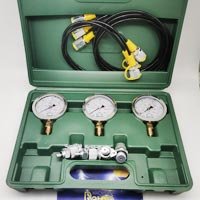
63 Mm SS Industrial Gauge For Process Industries
Price:
490 / Set

Digital Vacuum Micron Gauge With Bluetooth - Model VT-552, 2.5 Inch Display
Price:
40,970 / Piece

Compact Digital Pressure Gauge for Industrial Pressure Monitoring
Price:
1,500 - 2,000/ Piece

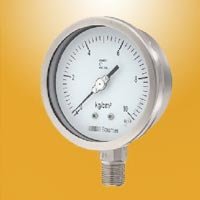
Stainless Steel Dial Gauge for Measuring Pressure
Price:
4,550 / Piece


Register Your Business
Create an account with your name, email ID, and mobile number

Complete Business Profile
Add company details, contact information, and business description

List Your Products
Upload product details so buyers can find your offerings

Respond to Buyer Requirements
Receive inquiries through email, calls, and buy leads
 270 - 350 /Piece
 1.39 Lakh - 1.89 Lakh /Piece


Connect with us


 For Buyer
 For Seller
 Help