


2022
21 - 50
Below Rs. 0.5 Crore Approx.
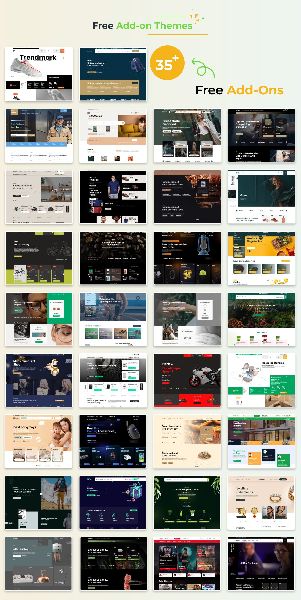
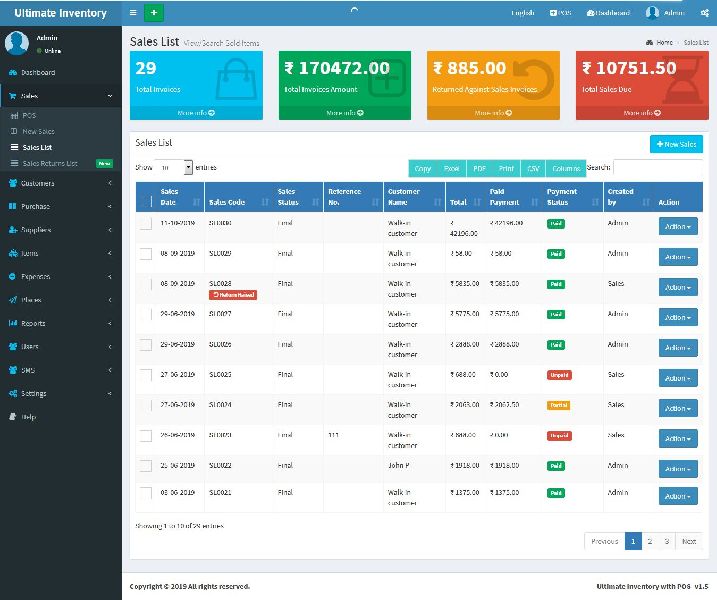
"E-commerce service" typically refers to the range of services and tools that facilitate online buying and selling of goods and services. It encompasses various solutions designed to support businesses in establishing and managing their online presence, conducting transactions, and providing a seamless shopping experience for customers. Here are some key components and services associated with e-commerce: E-commerce Platform: The foundation of online selling, an e-commerce platform provides the infrastructure for creating and managing an online store. Popular platforms include Shopify, WooCommerce, Magento, and BigCommerce. Website Design and Development: Designing and developing a user-friendly and visually appealing e-commerce website is crucial. This includes creating product pages, shopping carts, and a secure checkout process. Payment Gateways: Integrating payment gateways allows businesses to accept online payments securely. Popular examples include PayPal, Stripe, and Square. Shopping Cart Software: Shopping cart software enables customers to add products to their cart, review their selections, and proceed to checkout. Product Management: Tools for managing product listings, including adding new products, updating descriptions, and organizing products into categories. Inventory Management: Efficiently tracks and manages inventory levels, automates restocking, and helps prevent overselling. Order Processing and Fulfillment: Streamlines the process of receiving and processing orders, including order confirmation, packing, and shipping. Shipping and Logistics: Integrates with shipping carriers to calculate shipping costs, generate labels, and provide real-time tracking information. Security and Compliance: Implements security measures to protect customer data and ensure compliance with payment card industry (PCI) standards. Mobile Commerce (M-commerce): Ensures the website is mobile-friendly and may include mobile apps for shopping on smartphones and tablets. Multi-channel Selling: Integration with various sales channels, including online marketplaces (Amazon, eBay) and social media platforms, to expand reach. Customer Relationship Management (CRM): Manages customer data, order history, and supports personalized marketing efforts to enhance customer relationships. Analytics and Reporting: Provides insights into website traffic, sales performance, and customer behavior through analytics and reporting tools. Marketing and Promotions: Tools for running marketing campaigns, offering discounts, and implementing promotions to attract and retain customers. Customer Support: Integrates customer support features, such as live chat, email, and FAQs, to address customer inquiries and concerns. E-commerce Security: Ensures the security of online transactions, including the use of SSL certificates and other encryption methods. Scalability: Allows for easy scaling of the e-commerce platform to accommodate business growth and increased traffic.
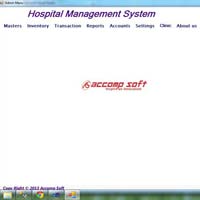
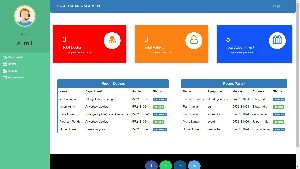
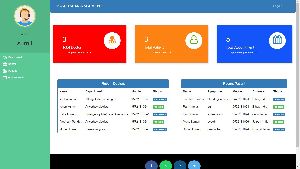
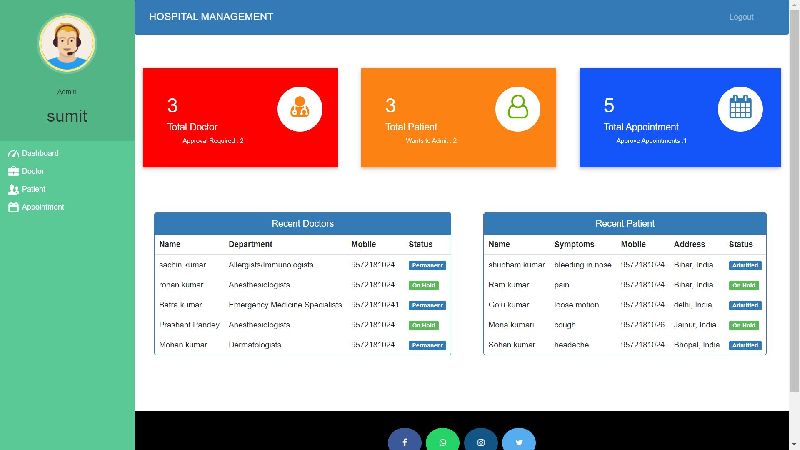
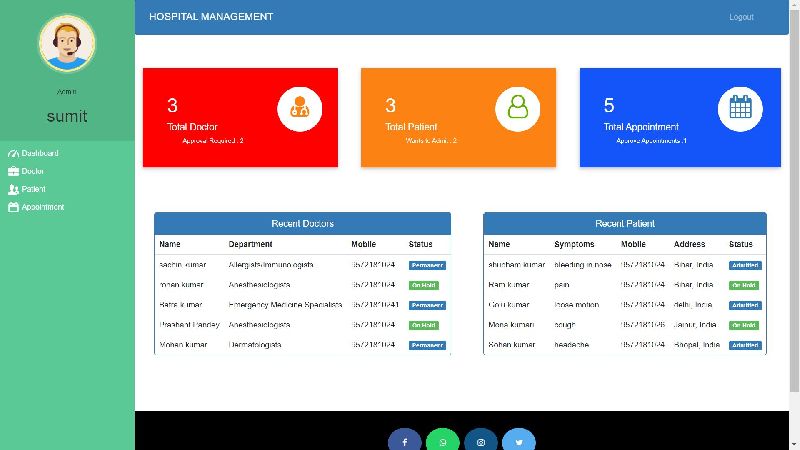
Healthcare software refers to computer programs and applications designed to support healthcare professionals in managing and delivering patient care. These software solutions can streamline various healthcare processes, improve efficiency, and enhance patient outcomes. Here are some common types of healthcare software:Electronic Health Record (EHR) and Electronic Medical Record (EMR) Systems: EHR: An EHR is a digital version of a patient's paper chart, containing their medical history, diagnoses, medications, treatment plans, immunization dates, allergies, radiology images, and laboratory test results. EMR: Similar to EHR, an EMR focuses on the patient's medical history within a single practice or healthcare organization. Practice Management Software: Helps healthcare providers manage administrative and operational aspects of their practice, including scheduling, billing, and insurance claims processing. Telehealth Software: Facilitates remote patient consultations through video conferencing, secure messaging, and other communication tools. Picture Archiving and Communication System (PACS): Manages medical images, such as X-rays, MRIs, and CT scans, allowing healthcare professionals to store, retrieve, and share diagnostic images. Clinical Decision Support Systems (CDSS): Provides healthcare professionals with information and tools to assist in clinical decision-making, often by analyzing patient data and suggesting appropriate treatment options. Health Information Exchange (HIE) Systems: Enables the electronic sharing of health-related information among different healthcare organizations and facilitates communication between them. Healthcare Analytics Software: Utilizes data analysis tools to extract insights from healthcare data, helping in decision-making, resource allocation, and improving patient outcomes. Remote Patient Monitoring (RPM) Systems: Allows healthcare providers to monitor patients' vital signs and other health data remotely, often in real-time, to manage chronic conditions and prevent hospital readmissions. Pharmacy Management Software: Helps pharmacists manage prescription orders, dispensing, inventory, and patient information. Laboratory Information Management System (LIMS): Manages and tracks laboratory processes, including sample tracking, data management, and quality control. Radiology Information System (RIS): Manages and tracks radiology imaging orders, scheduling, and reporting.
Customer Relationship Management (CRM) software is designed to help businesses and organizations manage their interactions and relationships with customers and potential customers. CRM software typically includes a range of tools and features to streamline processes, improve customer satisfaction, and enhance overall business efficiency. Here are some key aspects and functionalities of CRM software: Contact Management: Allows users to store and manage customer contact information, including names, addresses, phone numbers, and email addresses. It helps in keeping a centralized and organized database of customer details. Lead Management: Assists in tracking and managing leads throughout the sales pipeline. This includes capturing leads, assigning them to sales representatives, and monitoring their progress through the sales process. Sales Automation: Automates repetitive sales tasks, such as sending emails, updating contact records, and managing follow-up activities. This helps sales teams focus on building relationships and closing deals. Opportunity Management: Tracks and manages sales opportunities, providing insights into potential deals, sales stages, and probabilities of closing. Pipeline Management: Provides a visual representation of the sales pipeline, allowing users to see the status of deals at various stages and identify potential bottlenecks. Reporting and Analytics: Generates reports and analytics on various aspects of customer interactions, sales performance, and other relevant metrics. This information can be crucial for decision-making and strategy development. Email Integration: Integrates with email platforms to centralize communication history, track email interactions, and provide context for customer engagement. Customer Support and Service: Includes features for managing customer support requests, tracking service issues, and ensuring timely resolution of customer inquiries. Workflow Automation: Automates business processes and workflows, improving efficiency and ensuring consistency in how tasks are handled. Integration with Other Systems: Connects with other business systems, such as marketing automation tools, accounting software, and ERP systems, to provide a comprehensive view of customer interactions across the organization. Mobile Access: Enables users to access CRM data and functionalities on mobile devices, facilitating real-time updates and collaboration, especially for sales teams on the go. Social Media Integration: Integrates with social media platforms to monitor and engage with customers on various channels, providing insights into customer sentiment and preferences.
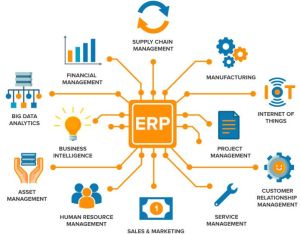
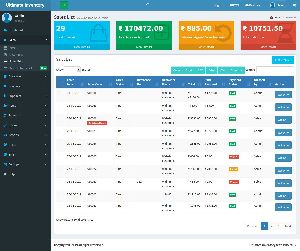
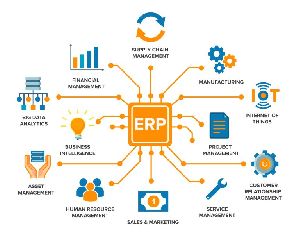
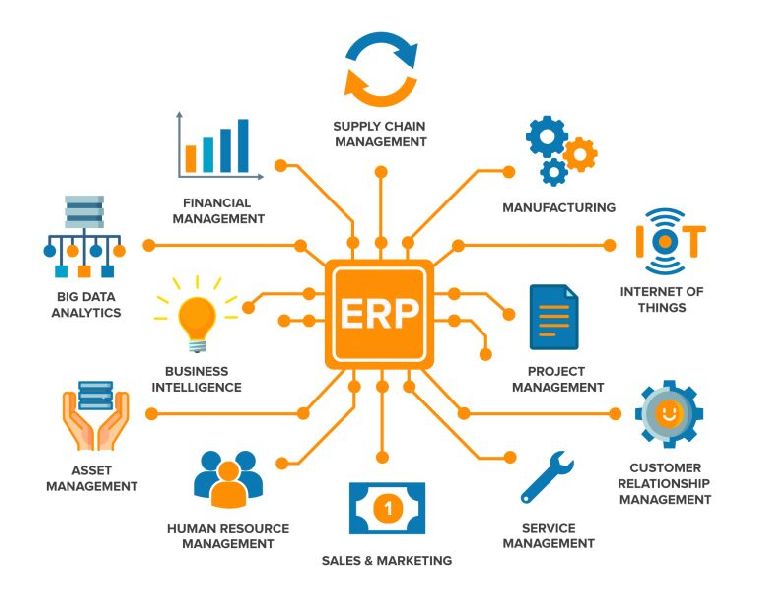
INOERP (InoERP is an acronym for "in Open Source Enterprise Resource Planning") is an open-source Enterprise Resource Planning (ERP) software. It is designed to help businesses manage various aspects of their operations, including finance, procurement, inventory, and human resources. INOERP is not a Software as a Service (SaaS) product, meaning it is not delivered as a cloud-based service, and users typically need to install and host it on their own servers. Below are some key features and aspects of INOERP: Open Source: INOERP is open-source software, which means its source code is freely available for users to view, modify, and distribute. This can provide flexibility for businesses with specific customization needs. Modules: Finance: Manages financial transactions, budgeting, and accounting. Procurement: Handles the purchasing process, vendor management, and purchase order generation. Inventory: Tracks and manages inventory levels, including stock movements and valuation. Human Resources (HR): Manages employee information, attendance, payroll, and other HR-related functions. Customization: As an open-source solution, users have the ability to customize and tailor INOERP to meet their specific business requirements. On-Premise Deployment: INOERP is typically deployed on-premise, meaning users need to install and maintain the software on their own servers or infrastructure. Community Support: Being an open-source project, INOERP relies on community contributions and support for ongoing development and improvements. Users can access community forums and resources for assistance. Integration: INOERP may support integration with other systems and applications to ensure data consistency across different parts of the business. Security: Users are responsible for the security of their INOERP deployment, including implementing security measures and updates. Cost: INOERP is generally cost-effective compared to proprietary ERP solutions, as there are no licensing fees. However, businesses should consider factors like implementation, customization, and support costs. Learning Curve: Users may need to invest time in understanding and configuring INOERP, especially if customization is required. Training resources and documentation are typically available.
"E-commerce service" typically refers to the range of services and tools that facilitate online buying and selling of goods and services. It encompasses various solutions designed to support businesses in establishing and managing their online presence, conducting transactions, and providing a seamless shopping experience for customers. Here are some key components and services associated with e-commerce: E-commerce Platform: The foundation of online selling, an e-commerce platform provides the infrastructure for creating and managing an online store. Popular platforms include Shopify, WooCommerce, Magento, and BigCommerce. Website Design and Development: Designing and developing a user-friendly and visually appealing e-commerce website is crucial. This includes creating product pages, shopping carts, and a secure checkout process. Payment Gateways: Integrating payment gateways allows businesses to accept online payments securely. Popular examples include PayPal, Stripe, and Square. Shopping Cart Software: Shopping cart software enables customers to add products to their cart, review their selections, and proceed to checkout. Product Management: Tools for managing product listings, including adding new products, updating descriptions, and organizing products into categories. Inventory Management: Efficiently tracks and manages inventory levels, automates restocking, and helps prevent overselling. Order Processing and Fulfillment: Streamlines the process of receiving and processing orders, including order confirmation, packing, and shipping. Shipping and Logistics: Integrates with shipping carriers to calculate shipping costs, generate labels, and provide real-time tracking information. Security and Compliance: Implements security measures to protect customer data and ensure compliance with payment card industry (PCI) standards. Mobile Commerce (M-commerce): Ensures the website is mobile-friendly and may include mobile apps for shopping on smartphones and tablets. Multi-channel Selling: Integration with various sales channels, including online marketplaces (Amazon, eBay) and social media platforms, to expand reach. Customer Relationship Management (CRM): Manages customer data, order history, and supports personalized marketing efforts to enhance customer relationships. Analytics and Reporting: Provides insights into website traffic, sales performance, and customer behavior through analytics and reporting tools. Marketing and Promotions: Tools for running marketing campaigns, offering discounts, and implementing promotions to attract and retain customers. Customer Support: Integrates customer support features, such as live chat, email, and FAQs, to address customer inquiries and concerns. E-commerce Security: Ensures the security of online transactions, including the use of SSL certificates and other encryption methods. Scalability: Allows for easy scaling of the e-commerce platform to accommodate business growth and increased traffic.
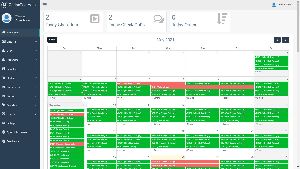
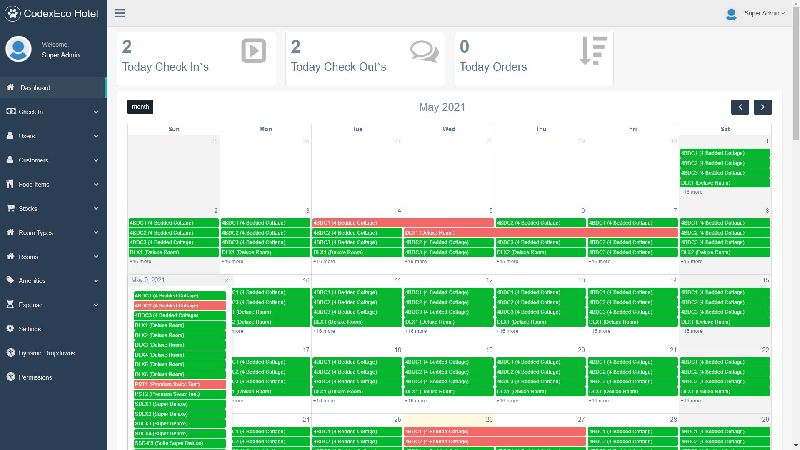
Hotel Management Software is a suite of tools designed to streamline and automate various operational and administrative tasks within the hospitality industry, specifically for hotels, resorts, and other lodging establishments. This software helps hoteliers manage bookings, reservations, guest interactions, and overall hotel operations efficiently. Here are key features commonly found in hotel management software: Reservation and Booking Management: Facilitates the easy and efficient management of room reservations and bookings, including online reservations through the hotel's website or third-party booking platforms. Front Desk Management: Provides tools for managing check-ins, check-outs, room assignments, and guest requests at the front desk. Room Inventory Management: Tracks room availability, updates in real-time, and ensures efficient allocation of rooms based on reservations and guest preferences. Point of Sale (POS) Integration: Integrates with POS systems for managing on-site services like restaurants, bars, and other amenities, allowing guests to charge expenses directly to their room. Billing and Invoicing: Automates billing processes, generates invoices, and manages financial transactions related to room charges and additional services. Guest Profile and History: Maintains guest profiles, preferences, and booking history to enhance personalization and improve guest experiences. Housekeeping Management: Coordinates housekeeping schedules, tracks room cleaning status, and ensures timely turnaround of rooms. Channel Management: Integrates with online travel agencies (OTAs) and other distribution channels to manage room availability, rates, and reservations across multiple platforms. Reporting and Analytics: Provides insights into key performance indicators (KPIs) such as occupancy rates, revenue, and guest satisfaction through reporting and analytics tools. Mobile Access: Allows hotel staff to access and manage reservations, guest information, and other critical data via mobile devices for on-the-go efficiency. Guest Communication: Facilitates communication with guests through automated messaging, email notifications, and other channels. ** loyalty Programs:** Manages loyalty programs and guest rewards to encourage repeat business and enhance guest loyalty. Security and Compliance: Implements security features to protect guest data and ensures compliance with data protection regulations. Multi-Property Management: Supports hotel chains or businesses with multiple properties, providing centralized control and visibility into operations. Integration with Property Management Systems (PMS): Integrates seamlessly with other systems such as PMS, CRM, and payment gateways for a unified hotel management experience. Events and Conference Management: Manages bookings for events, conferences, and meeting spaces within the hotel. Spa and Wellness Management: Includes tools for managing spa services, wellness facilities, and associated appointments.
Share your thoughts with other customers for ITMCORE PRIVATE LIMITED
Add Review Rahul Yadav (ITMCORE PRIVATE LIMITED)
 C/O A-1 RAM PRATAP ATESUA MAHONA ITAUNJA BKT LUCKNOW Lucknow, Jankipuram, Uttar Pradesh - 226203, India
 Share us via