 Karachi, Pakistan
 Write a Review
Our Products
Our Complete range of products are Sea Salt and Himalayan Pink Salt.

The manufacture of salt is one of the oldest chemical industries. A major source of salt is seawater, which has a salinity of approximately 3.5%. This means that there are about 35 grams (1.2 oz) of dissolved salts, predominantly sodium (Na+ ) and chloride (Cl ) ions, per kilogram (2.2 lbs) of water. The world's oceans are a virtually inexhaustible source of salt, and this abundance of supply means that reserves have not been calculated. The evaporation of seawater is the production method of choice in marine countries with high evaporation and low precipitation rates. Salt evaporation ponds are filled from the ocean and salt crystals can be harvested as the water dries up. Sometimes these ponds have vivid colours, as some species of algae and other micro-organisms thrive in conditions of high salinity.
Specifications
| Component | Range % |
|---|---|
| Sodium Chloride (Nacl) on dry basis | 95-97 |
| Moisture | 42861 |
| Calcium (Ca) | 0.25-0.75 |
| Magnesium (Mg) | 0.25-0.50 |
| Sulphate (So4) | 38354 |
| Iodine (KIO3) | UPTO 135 ppm |
| Matter Insoluble in Water | UPTO .020% |
| Total Hardness of 5% Aqueous Solution As (CaCo3) | UPTO 1500 ppm |
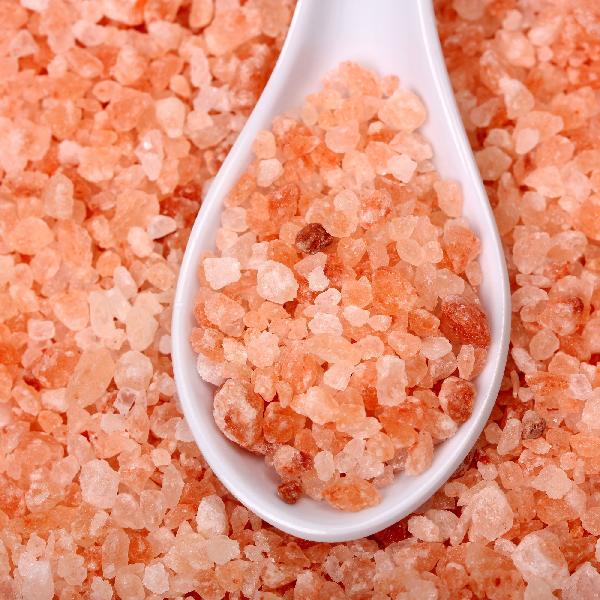
Himalayan salt is often marketed as coming from a non-polluted area deep in the Himalayas. The salt is actually harvested at the foot of the Himalayas, in a rock salt mine in Pakistan, which is considered to be the second largest mine in the world. Himalayan salt, known as white gold in its region of origin, contains 84 natural elements and minerals that are vital to our health, including magnesium, potassium, calcium, chloride, phosphorus and iron. The salts signature pink color is a result of a tiny amount of iron oxide (rust). Zinc, selenium, iodine and copper are also present in trace quantities. Generally speaking, Himalayan salt is considered a healthy salt because no chemicals or additives are added to it, and its a naturally occurring substance. Usually, this salt is sold as coarse grains, but you can also find it finely grained or as large blocks, which can be used as a unique way to serve your culinary specialties. No matter the form, the prized mineral benefits are always there.
 Mr. Malik (Malik Sons)I.I. Chundrigar Road, Karachi - 74000, Pakistan
 Share us via