Gwalior Road, Agra, Uttar Pradesh
  Write a Review


Welcome to Marble Emporium
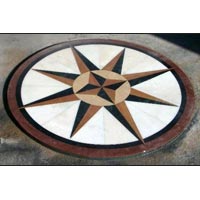
The artistic tradition of inlay of gemstones on marble dates back to the 1500s when this art first made its appearance in Rome as “Pietra Dura”. The Medici Grand Duke Ferdinando I of Tuscany founded the Galleria di’Lavori in 1588, today known as the Opificio delle Pietra Dura, for the purpose of developing art forms of his time. This concept of cutting, shaping, polishing and setting gem stones and precious materials in marble came all the way to India in the 17th century, during the reign of Mughals. However it reached its pinnacle only under Emperor Shah Jehan, who was an ardent patron of arts and architecture especially in white marble. In India this art came to be known as “Parchin Kari” a Persian term for hard stone inlay work. The most illustrious example of this art without doubt is the Taj Mahal, one of the seven modern wonders of the world. This white marble cenotaph erected by Emperor Shah Jehan to fulfill the last wishes of his most beloved wife Empress Mumtaz Mahal, is an exemplary model of fine Persian architecture and decorative arts of its time such as filigree work, stone relief work and above all “Parchin Kari” on the tombs and the walls. During later years, which marked India’s struggle for freedom from the British Empire, this once flourishing art reached near extinction due to lack of patronage.