FeaturesRapid observations of ambient total aerosol number concentration, Size resolved optical number concentration
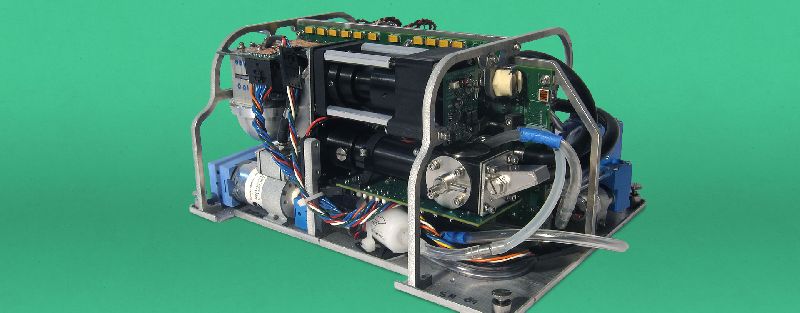
The ACCESS suite of instruments is an ideal measurement solution for applications like Unmanned Aerial Vehicles (UAV) requiring small size, portability, low weight, and low power usage. ACCESS includes four miniaturized measurement modules that can fit on a single UAV: a small Mixing Condensation Particle Counter (MCPC) for real-time total number concentration observations, an Optical Particle Counter (OPC) for number size distribution measurements between 0.1 and 10 m, a Single-channel Tricolor Absorption Photometer (S-TAP) for light absorption and black carbon measurements, and an eight-channel filter sampler for off-line chemical composition measurements.
Specifications:3Lpm Sampling Rate, Wide Range 100-240VAC
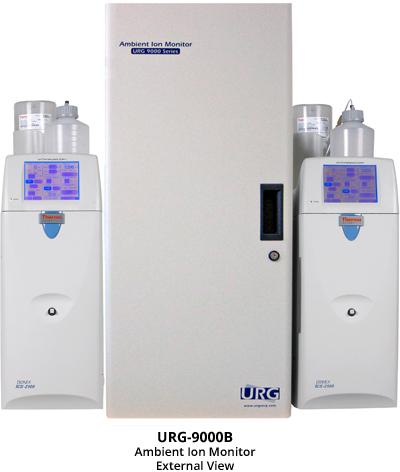
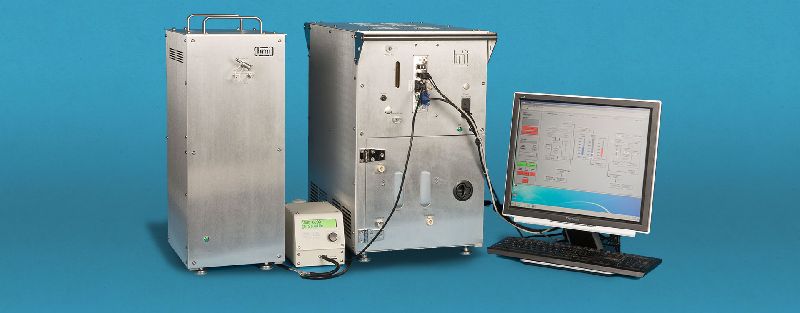
The 9000B Ambient Ion Monitor (AIM) is a scientifically-advanced, multi-pollutant monitoring method which allows for continuous measurements of particle nitrate, sulfate, nitrite, ammonium, chloride, potassium, magnesium, phosphate, calcium and sodium.
PurityServo Motor Drive, Simultaneous X-Y Movement - Not Sequential
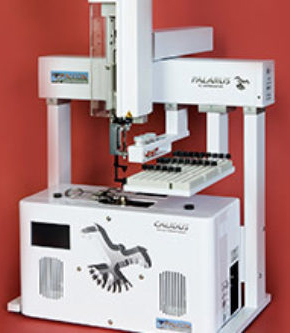
Falcon Analytical.the pioneering professionals who created the ultrafast, ultra-user-friendly, highly durable, practical, reliable and economical CALIDUS GC are now offering their own advanced LSI autosampler.the PALARUS GC Autosampler.
PurityElimination of laboratory sample handling, Low acquisition and operating cost
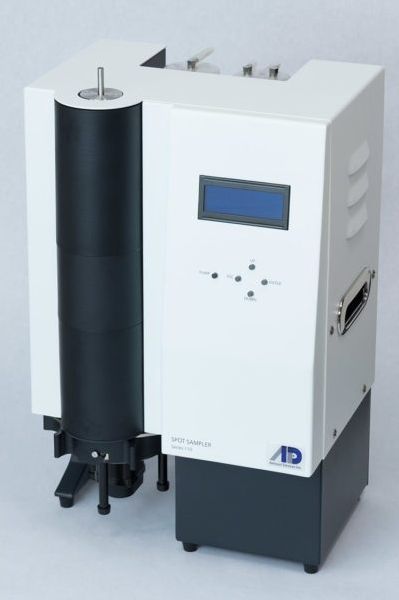
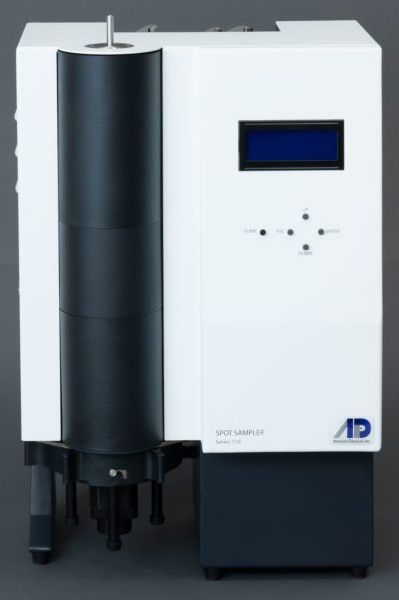
The Series 110 Universal Spot Sampler provides maximum flexibility for aerosol research requiring a variety of analytical approaches. The common growth tube platform accommodates easy exchange between Liquid Spot and Sequential Spot Collector modules.
PurityHigh collection efficiency from 5 to >25, 000nm, No particle bounce
The Series 110 Sequential Spot Sampler instrument enables affordable, time-resolved characterization of particulate chemical composition at multiple locations. It provides an uninterrupted collection of particulate matter (PM) as concentrated dry deposits into small sample wells. PM deposits can be analyzed directly using spectrographic methods, or extracted for wet chemistry analysis.