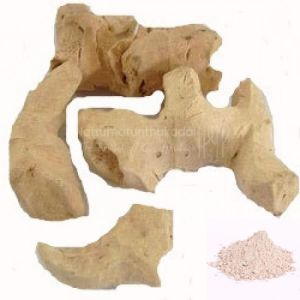
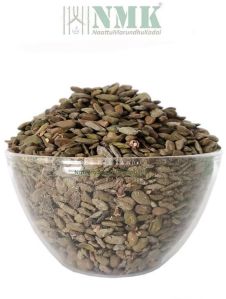
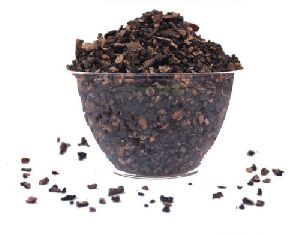
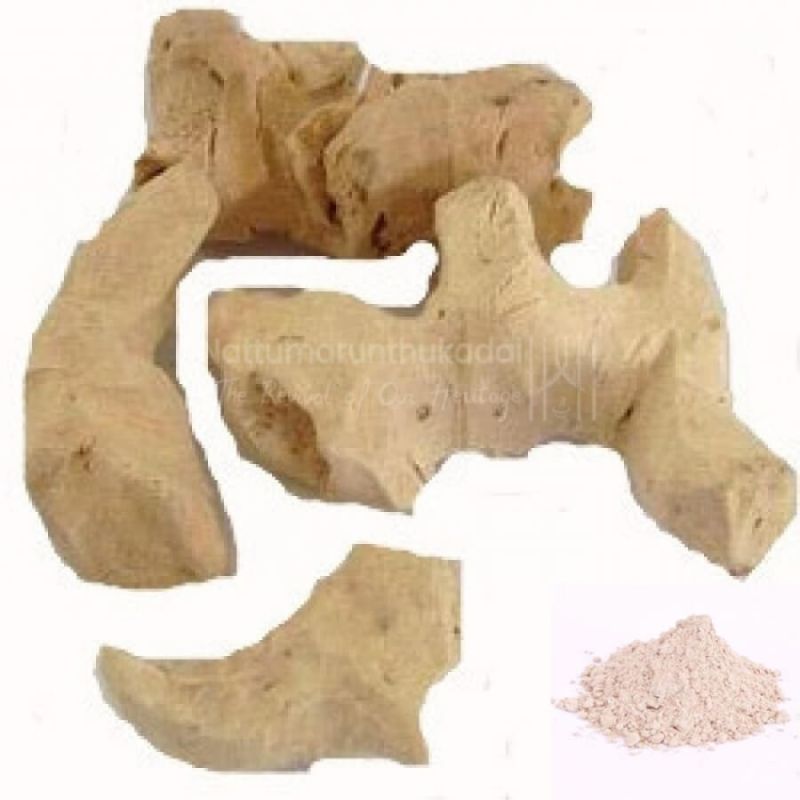
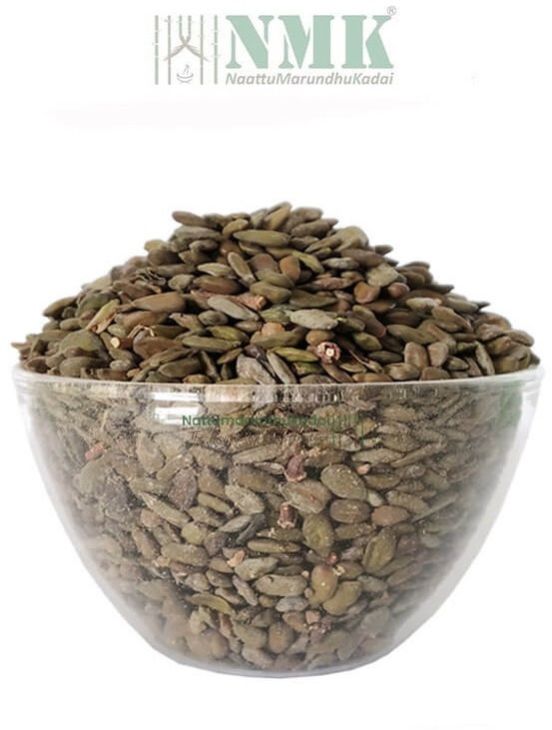
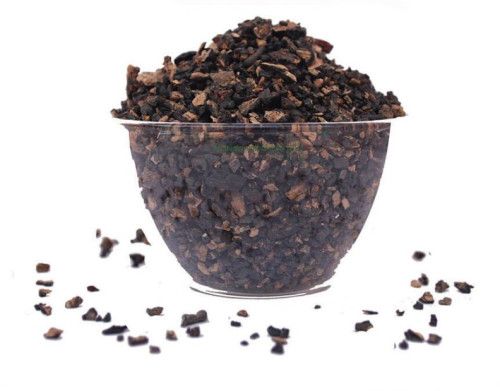
About Parangi Pattai (China Root):- Shrub thickets in hills and mountains. Forests, thickets, hillsides, grassy slopes, shaded places along valleys or streams from near sea level to 2000 meters. When the seedlings eventually germinate, prick them out into individual pots when they are large enough to handle and grow them on in the greenhouse for at least their first year, though we normally grow them on in pots for 2 years. Plant them out into their permanent positions in early summer. Division in early spring as new growth begins. Larger divisions can be planted out direct into their permanent positions. Internal Benefits of Parangi Pattai (China Root):- It treats rheumatoid arthritis, gout, enteritis, urinary tract infections, Skin ulcers . Parangi Chakkai preparation heals skin diseases like psoriasis, eczema and reduces the blood sugar levels in diabetic patients .
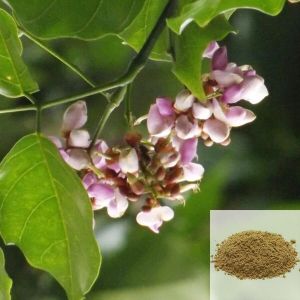
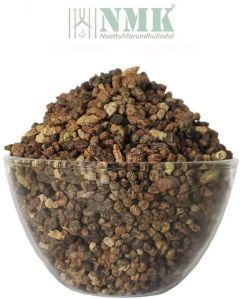
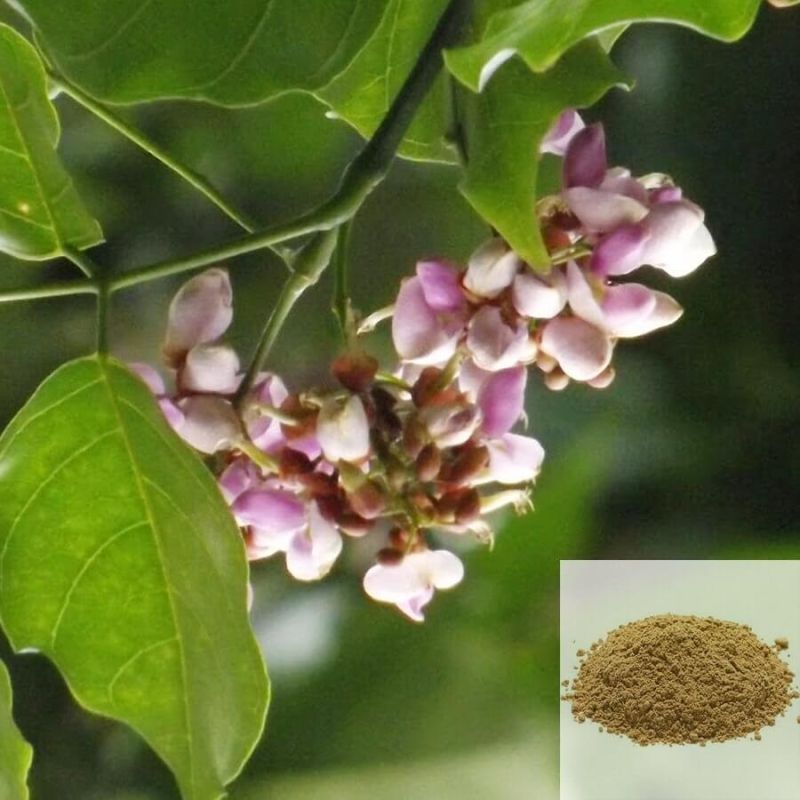
Punga Oil Tree/Pungan Maram is a regular native tree, It has flowers in axillary racemes or fascicles with the color of pinkish white. The leaves are mostly green and it has two kinds of galls are present one each on the leaf and on the inflorescence and the leaves glossy above. Punga Flower possesses huge medicinal benefits. Punga Oil Tree/Pungan Maram is a regular native tree, It has flowers in axillary racemes or fascicles with the color of pinkish white. The leaves are mostly green and it has two kinds of galls are present one each on the leaf and on the inflorescence and the leaves glossy above. Punga Flower possesses huge medicinal benefits. Benefits of Punga Poo (Indian Beech Tree / Punga Oil Tree Flower):- Pungapoo is used to treat diabetes . Punga poo is very useful in treating skin diseases . Used in treating piles and hemorrhoids. It can relieve bloating, flatulence, and stomach ailments. It can relieve worm infestation and aid the quick healing of wounds .
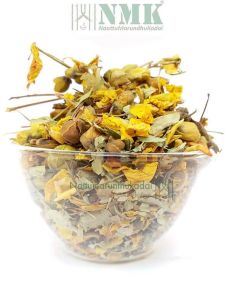
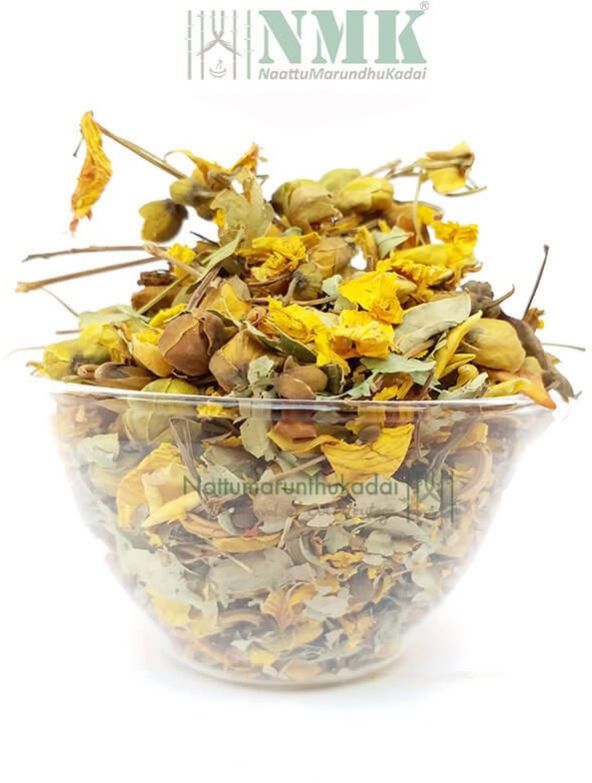
Avaram Senna (Cassia auriculata) is a common tree in Asia, which has been widely used in Indian traditional medicine. The tree grows wildly and is found abundantly near the river beds. Avaram Senna flower, which is called Cannes cassia is bright yellow in color Avaram Senna (Cassia auriculata) is a common tree in Asia, which has been widely used in Indian traditional medicine. The tree grows wildly and is found abundantly near the river beds. Avaram Senna flower, which is called Cannes cassia is bright yellow in color. The dried flowers and buds have many therapeutic benefits.
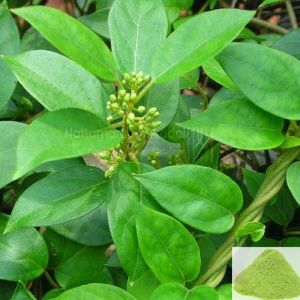
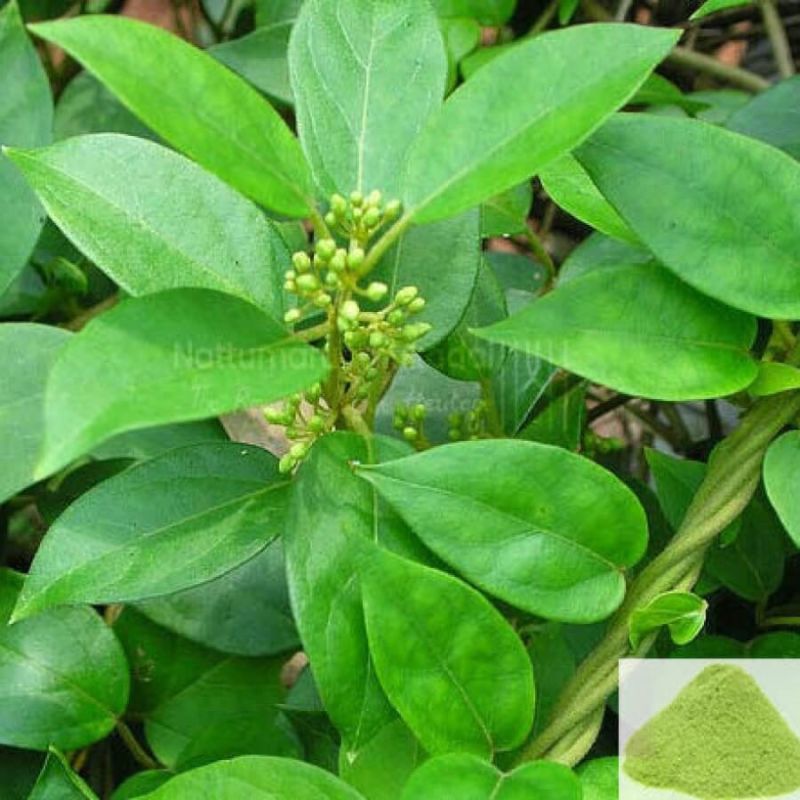
Cowplant - Gymnema Sylvestre is an herb native to the tropical forests of southern and central India and Sri Lanka. Gymnema Sylvestre is an herb found in the tropical forests of India and Asia. Gymnema has historic use as a therapy for diabetes and arthritis and has also earned significant recent interest as a multi-supportive therapy for weight management. Evidence suggests Gymnema can reduce cravings for sweets, sugar absorption during digestion, and promote normal blood sugar levels. Gymnema Sylvestre is an herb native to the tropical forests of southern and central India and Sri Lanka. Gymnema Sylvestre is an herb found in the tropical forests of India and Asia. Gymnema has historic use as a therapy for diabetes and arthritis and has also earned significant recent interest as a multi-supportive therapy for weight management. Evidence suggests Gymnema can reduce cravings for sweets, sugar absorption during digestion, and promote normal blood sugar levels.The Gymnema plant contains a number of compounds, such as acidic glycosides and anthraquinones. The primary bioactive constituent of Gymnema, known as gymnemic acid, is found in the leaves and roots. Gymnemic acids are sweetness inhibitors. Simply put, chewing Gymnema leaves will reduce the taste of sugar, or “sweetness, ” in the mouth
Tanners Cassia is a branched shrub, growing up to 1-1.5 m high. It has a smooth reddish-brown bark. It has many ascending branches and 8-10 cm long pinnate leaves. Tanner's Cassia is a branched shrub, growing up to 1-1.5 m high. It has a smooth reddish-brown bark. It has many ascending branches and 8-10 cm long pinnate leaves. There are 8-12 pairs of leaflets, each 2-3 cm long. Bright yellow flowers appear in racemes at the end of branches. The flowers are 4-5 cm across. The upper three stamens are reduced to staminodes. Fruit is a 7-12 cm long, flat brown pod
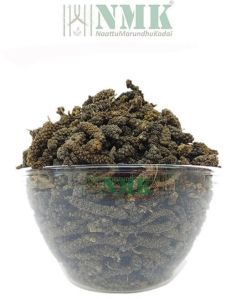
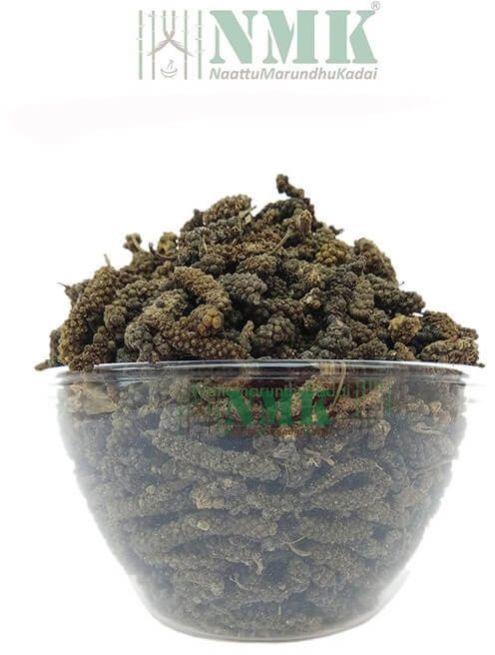
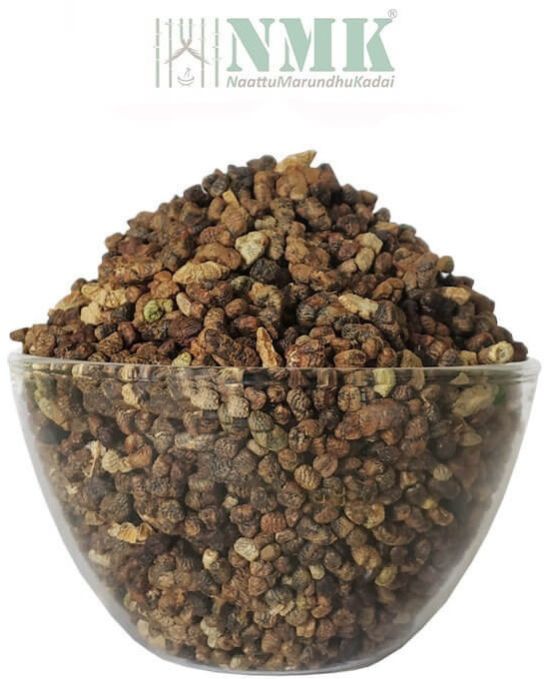
Thippili is very very famous all over Tamil Nadu and is used extensively in home remedies. Not only in Tamil Nadu, but long pepper has also been in use all over the world from ancient times. We use both the dried fruits and the roots of the plant in remedies. Thippili is very very famous all over Tamil Nadu and is used extensively in home remedies. Not only in Tamil Nadu, but long pepper has also been in use all over the world from ancient times. We use both the dried fruits and the roots of the plant in remedies. The fruits are called " Arisi Thippili" in Tamil and the roots are called " Kandathippili in Tamil". Thippili is called Long Pepper (or) Indian Long Pepper in English, Pippali. Its botanical name is Piper Longum and it is widely used in Ayurveda. Thippili is one of the three ingredients that make up the very famous trikatu (we call it thirikadugam in Tamil), which by itself signifies its importance in Ayurvedic medicine
Share your thoughts with other customers for nmkonline
Add Review Nmk (nmkonline)
 Evergreen Eco Farms Private Limited, No 735, Goldwins, Avina, Avinashi Road, Coimbatore, Tamil Nadu
 Share us via