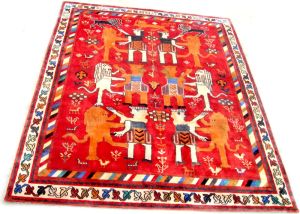
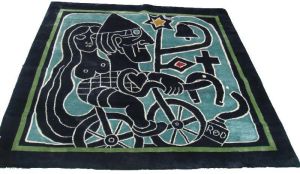
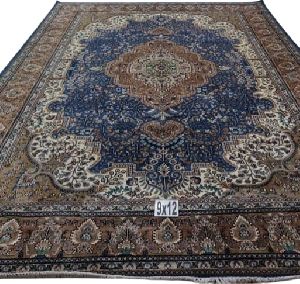
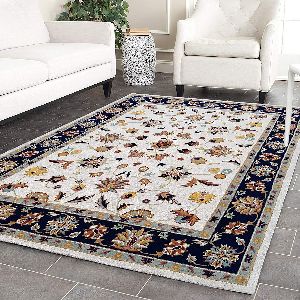
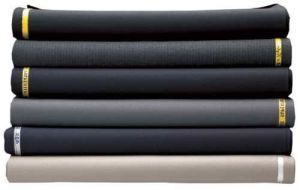
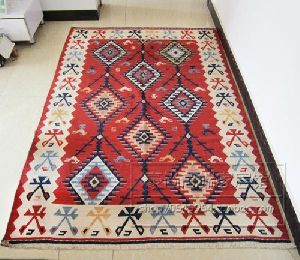
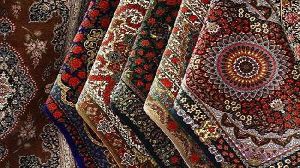
We are offering nepali handmade carpets. our carpet is woven in wooden looms based on the size of the carpet. The yarn is woven or rather knotted around cotton threads stretched horizontally and vertically across frames. Has-nepal currently produces carpets in 50, 60, 80, 100, 150 and 200 knots. Has-nepal specializes in production of regular as well as custom shapes, sizes, and designs. raw material processing wool is the basic raw material for a majority of carpets. Has-nepal imports raw sheep and camel wool from different parts of the world which is processed to transform into woolen yarns. Besides wool hasnepal uses a number of different fibers to produce carpets based on customer needs. wool sorting and washing raw wool is sorted by hand which is then washed and dried in order to remove impurities like dirt, fat, and wax from the material. carding carding is done both by machine and hand for all wool. spinning wool spinning ?wool is spun using a hand wheel (charkha). The wool is spun into either coarse or fine yarns. The finer yarns are used for making high-knots and extremely fine carpets. dyeing has-nepal uses synthetic swiss dyes that are free from azo-based compounds, a chemical harmful for the human skin. Hasnepal uses the traditional pot-dyeing, machine dyeing, and vegetable dyeing process to dye its raw materials based on the customer’s needs. spooling after the yarn is dyed, it is spooled in a spherical form which is then ready to be woven. manufacturing process: all processes involved in manufacturing the carpet is done manually. graphing graphs graphing graphs are produced both manually and electronically based on the integrity of the design. warping once the raw materials and graph are ready, cotton threads are vertically warped in the loom which provides as the base over which the carpet is woven. The length of warp is adjusted to the desired length of the carpet. poking after the carpet has been woven, yarns can be seen on its surface which is either pushed through the surface or cut out. The back side of the carpet is poked with a thick and sharp needle-like equipment which gives the proportionate finishing to the carpet’s back. cutting the front-side of the carpet in turn needs to be cut with scissors or machine to give a proportionate level to the surface of the carpet. trimming specific designs and patterns are carved into the woven carpets with scissors by expert hands. The smoothing of different pile heights per the design is also done during this stage. Trimming helps smoothen the surface of the woven carpet and also brings out the designs more prominently. washing & dyeing the trimmed carpets are then washed using chemical free techniques to clean it from small scrap fibers and give the carpet fresher and brighter look. These carpets are then dried in sunlight. stretching the dried carpets have to be stretched to bring it to original size to improve the appearance of the carpets. Stretching of the carpet also removes shrinkage and twisting that results from the process of washing and drying the carpet and helps straighten the corners of the carpet.




 Kathmandu, Nepal
 Write a Review