


Welcome to Pratham Texchem
Supplier / Retailer Of Acid Dyes, Pigment Powder, Direct Dyes, VAT Dyes, Food Colors, Veneer Edges, Textile Auxilliaries
 Write a Review
Welcome to Pratham Texchem
Supplier / Retailer Of Acid Dyes, Pigment Powder, Direct Dyes, VAT Dyes, Food Colors, Veneer Edges, Textile Auxilliaries
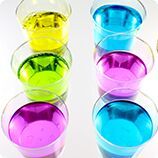
Acid dyes are typically soluble in water and possesses affinity for amphoteric fibers while lacking direct dyes' affinity for cellulose fibers. When dyeing, ionic bonding with fiber cationic sites accounts for fixation of colored anions in the dyed material. Acids are added to dyeing baths to increase the number of protonated amino-groups in fibers. Some acid dyes are used as food colorants.
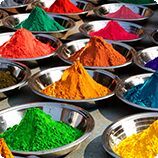
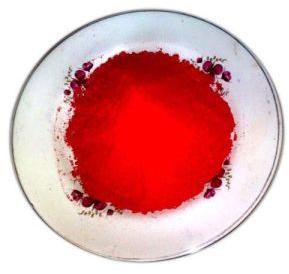
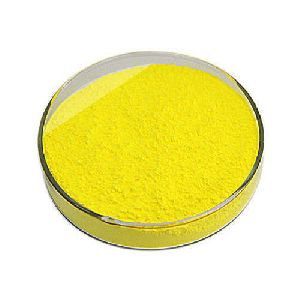
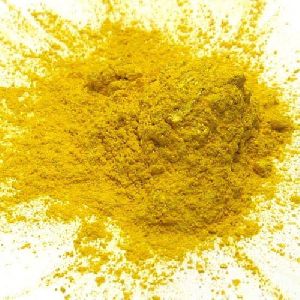
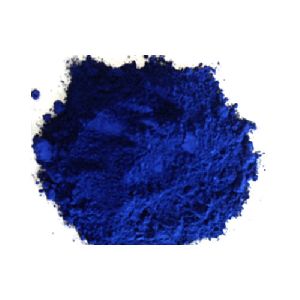
Pigments are used for coloring paint, ink, plastic, fabric, cosmetics, food and other materials. Most pigments used in manufacturing and the visual arts are dry colorants, usually ground into a fine powder. A pigment must have a high tinting strength relative to the materials it colors. It must be stable in solid form at ambient temperatures
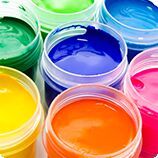
Direct dyes are used on cotton, paper, leather, wool, silk and nylon. They are also used as pH indicators and as biological stains. The name 'direct dye' alludes to the fact that these dyes do not require any form of 'fixing'. They are almost always azo dyes, with some similarities to acid dyes. They also have sulphonate functionality, but in this case, it is only to improve solubility, as the negative charges on dye and fibre will repel each other.
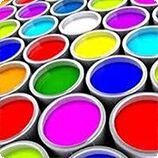
Vat dyes are a class of dyes that are classified as such because of the method by which they are applied. Vat dyeing is a process that refers to dyeing that takes place in a bucket or vat. Almost any dye, including fiber-reactive dyes, direct dyes, and acid dyes, can be used in a vat dye. Cotton, wool, and other fibers can be all dyed with vat dyes. The original vat dye is indigo, once obtained from plants but now produced synthetically.
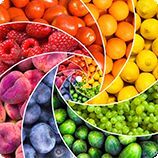
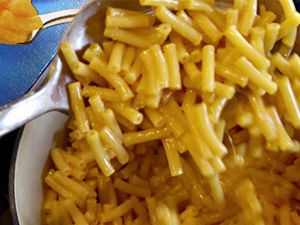
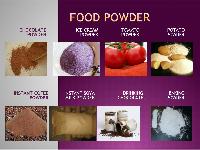
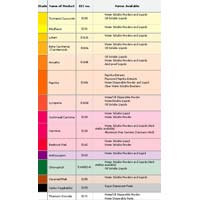
Food coloring, or color additive, is any dye, pigment or substance that imparts color when it is added to food or drink. They come in many forms consisting of liquids, powders, gels and pastes. Food coloring is used both in commercial food production and in domestic cooking. Due to its safety and general availability, food coloring is also used in a variety of non-food applications including cosmetics, pharmaceuticals, home craft projects and medical devices
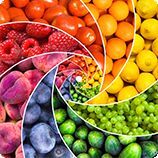
Reactive dyes have good fastness properties owing to the bonding that occurs during dyeing. Reactive dyes are most commonly used in dyeing of cellulose like cotton or flax, but also wool is dyeable with reactive dyes. Reactive dyeing is the most important method for the coloration of cellulosic fibres. Reactive dyes can also be applied on wool and nylon; in the latter case they are applied under weakly acidic conditions
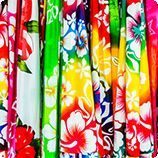
Thousands of formulated textile auxiliaries are produced world-wide to provide processability of fibers and webs as well as desired quality of the final textile goods. Behind the tailor-made properties of these textile auxiliaries, the key is the synergistic combination of specific chemicals, mainly surfactants.
Share your thoughts with other customers for Pratham Texchem
Add Review Aayush Shah (Pratham Texchem)
 Astodia Road,Near Colour Merchant's Co Operative Bank ,Astodia,Ahmedabad 380001, Khamasa, Gujarat, India
 Share us via