
Company Information
 Member Since 8 Years
 Nature of Business Manufacturer
 GST No. 24AANFV1195L1ZN
Ask for more detail from the seller
Contact Supplier
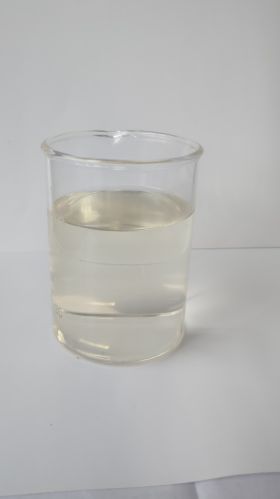
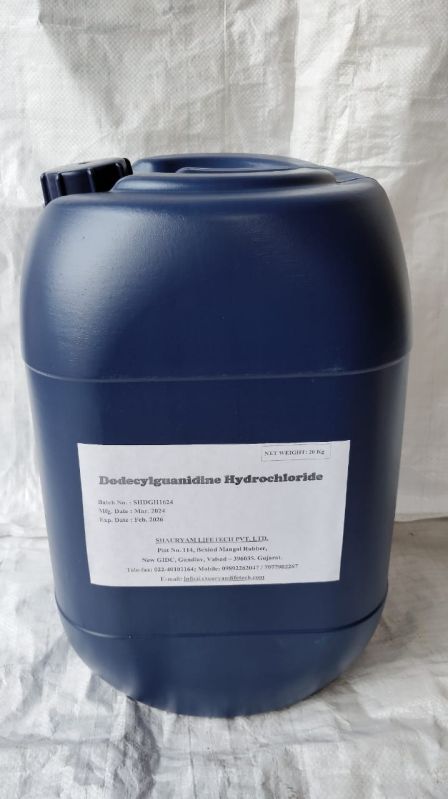
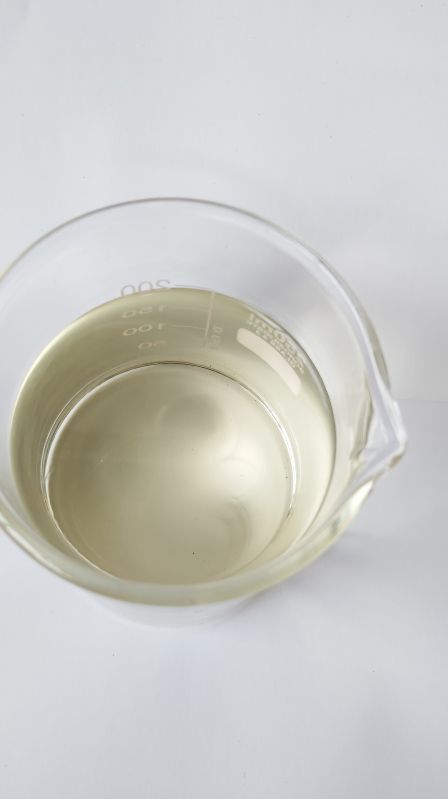
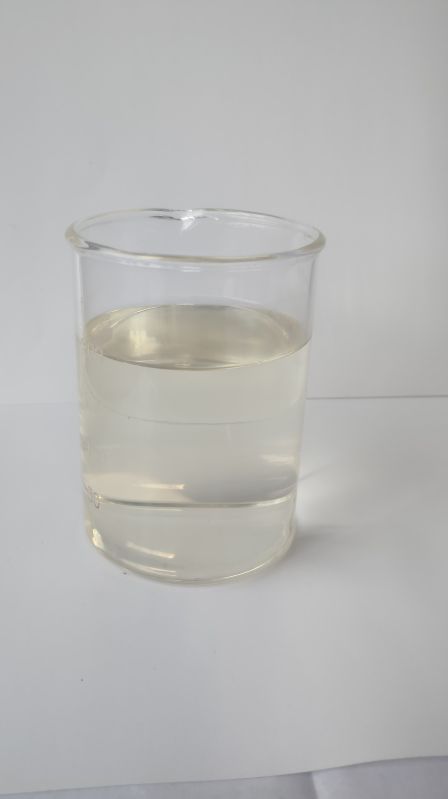
Dodecyl Guanidine Hydrochloride 35% DGH 35%
Synonyms:
Dodecyl Guanidine Hydrochloride 35% or DGH 35% or Guanidine, N-dodecyl-, hydrochloride or 1-dodecylguanidinde hydrochloride or Dodine hydrochloride or 1-dodecylguanidinium hydrochloride or Veriguard
CAS No. : 13590-97-1
Dodecylguanidine Hydrochloride (DGH) - A unique active ingredient. Proven compatibility for water treatment, polymer emulsions, Biocide and detergents; Chemically stable: No formaldehyde, no AOX.
Application:
1. Dodecylguanidine Hydrochloride is used for the control of algae, bacteria, fungi.
2. Dodecylguanidine Hydrochloride is used in a wide range of industrial process waters, air washing systems, industrial recalculating water cooling towers, oil field water systems, oil recovery drilling fluids, sewage disposal lagoons and pulp & paper mill systems.
3. Dodecylguanidine Hydrochloride can also be used for material preservation such as adhesive systems (nonfood contact), paints, coatings & stains, pigments, dyes & filler suspensions, polymer dispersions & emulsions,pulp & paper mill processing and food packaging.
4. DGH Use Profile :
Type of Pesticide: Antimicrobial
Pesticide Category: Sanitizer, Bacteriostat, Microbiocide, Microbiostat, Fungicide, Algicide, Molluscicide
Use Sites: Water cooling towers, sewage disposal lagoons, additive to preserve finished paper and paperboard products (including food contact surfaces), brewery pasteurizer water, industrial disposal water, air washer water systems, waste water systems, sewage effluent water, sewage systems, industrial processing water, non-potable water, adhesives, glues, coatings, oil recovery drilling mud, secondary oil recovery injection water, polymers, latex, resin emulsions, latex emulsions, paper-making chemicals, alum solutions, printing pastes, evaporate condenser water, heat exchange water, disposable diapers, and slurries.
Target Pests: Algae, animal pathogenic bacteria, deterioration/spoilage bacteria, fouling organisms, fungal slime, fungi, mold, mollusks, slime-formulating bacteria, slime-formulating fungi, and yeasts.



Connect with us





 For Buyer
  For Seller
  Help
Help 

 Sidhpur, Patan, Gujarat
  Send Enquiry