
Company Information
 Member Since 22 Years
 Nature of Business Retailer
 GST No. 09AABTI4874P1ZV
Ask for more detail from the seller
Contact Supplier
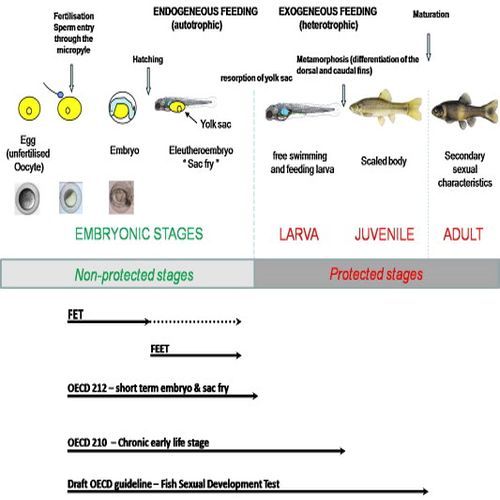
The Fish Embryo Toxicity (FET) test is an alternative method to traditional acute fish toxicity tests, utilizing the early life stages—specifically embryos—of fish to evaluate the toxic effects of chemicals or substances. This test is commonly used in environmental risk assessments to determine the potential harm a substance may pose to aquatic ecosystems.
One of the key advantages of the FET test is its ethical benefit, as it significantly reduces the use of live adult fish in toxicity testing. By focusing on embryos, the method aligns with the principles of the 3Rs (Replacement, Reduction, Refinement) in animal testing.
The FET test provides reliable and reproducible data on endpoints such as mortality, developmental abnormalities, and hatching rates, making it a valuable tool for regulatory screening and hazard classification. It is widely accepted for testing a broad range of substances, including industrial chemicals, pharmaceuticals, and environmental pollutants.



Connect with us





 For Buyer
  For Seller
  Help
Help 

 Ghaziabad, Uttar Pradesh


 Send Enquiry