
Company Information
 Member Since 1 Year
 Nature of Business Manufacturer
 GST No. 09BTLPS6002H1ZG
Ask for more detail from the seller
Contact Supplier
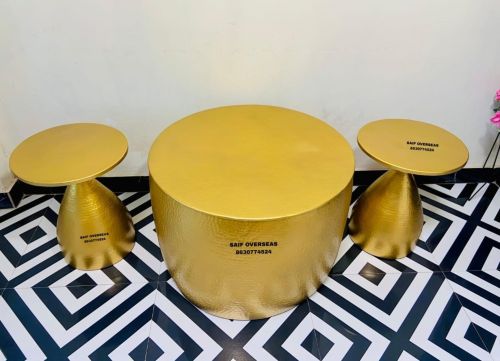
The design of restaurant tables and chairs plays a crucial role in creating a welcoming and comfortable dining experience for patrons. When crafting the ambiance of a restaurant, the choice of furniture becomes a pivotal aspect that can significantly impact the overall atmosphere and aesthetic appeal.
Let's delve into the world of restaurant tables and chairs, exploring the various aspects that contribute to their design, functionality, and the overall dining experience they offer.
**Design Considerations:**The design of restaurant tables and chairs should align with the overall theme and concept of the establishment. Modern, rustic, vintage, or contemporary styles may influence the choice of materials, colors, and shapes. Tables and chairs contribute to the visual identity of a restaurant, leaving a lasting impression on visitors.
**Materials:**The selection of materials for restaurant furniture is crucial for both aesthetics and durability. Common materials include wood, metal, plastic, and upholstery. Wooden tables and chairs exude warmth and are often chosen for their classic appeal, while metal furniture can lend a sleek, modern look. The choice of materials also affects maintenance requirements and longevity.
**Functionality:**Functionality is paramount when it comes to restaurant furniture. Tables should be spacious enough to accommodate dishes and beverages comfortably, and chairs should provide adequate support for patrons during their dining experience. Ergonomics is a key consideration, ensuring that patrons can enjoy their meals without discomfort.
**Space Optimization:**Restaurants, especially in urban areas, often grapple with limited space. Therefore, the design of tables and chairs must consider space optimization. Round tables, for instance, can maximize seating capacity while minimizing wasted space. Folding or stackable chairs offer flexibility, allowing for easy rearrangement to accommodate varying party sizes.
**Comfort:**Comfort is a significant factor in the overall dining experience. Chairs with appropriate padding and back support encourage patrons to linger, enhancing their enjoyment of the meal. Additionally, the height of the table should complement the chair height, promoting a comfortable dining posture.
**Aesthetic Appeal:**The visual appeal of restaurant furniture contributes to the establishment's atmosphere. Color coordination with the overall interior design, patterns, and textures can enhance the dining environment. Thoughtful design choices in furniture can create a cohesive and visually pleasing space that resonates with the restaurant's brand.
**Customization:**Many restaurants opt for custom-designed tables and chairs to align with their unique brand identity. Customization allows for the incorporation of logos, specific color schemes, and design elements that distinguish the restaurant from others. This personal touch can leave a memorable impression on patrons.
**Durability and Maintenance:**Given the high traffic and varied use, restaurant furniture must be durable and easy to maintain. Sturdy construction and high-quality materials contribute to the longevity of tables and chairs. Additionally, furniture that is easy to clean and resistant to spills and stains is crucial for maintaining a clean and inviting dining environment.
In conclusion, the design of restaurant tables and chairs goes beyond mere functionality; it is an art that combines aesthetics, comfort, and practicality. A well-thought-out choice of materials, shapes, and customization can elevate the dining experience, making the restaurant a memorable and inviting space for patrons to savor not only the cuisine but also the ambiance.



Connect with us





 For Buyer
  For Seller
  Help
Help 

 Karula, Moradabad, Uttar Pradesh
 Send Enquiry