






Partnership
2016
51 - 100
Rs. 2.5 to 5 Crore Approx.
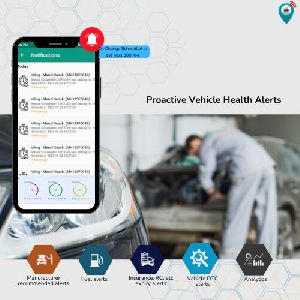
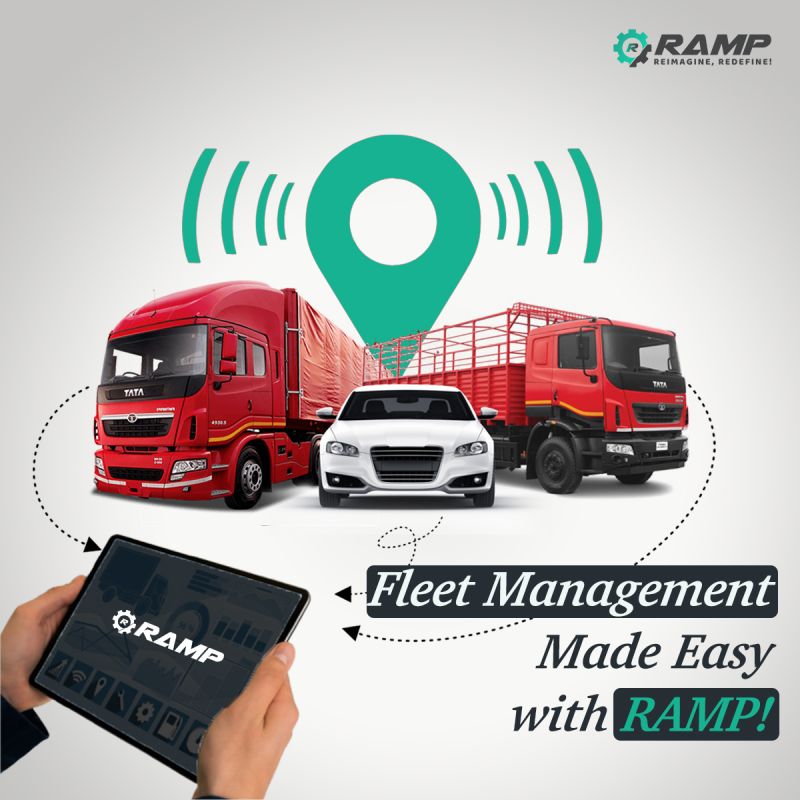
Features of RAMP Fleet Maintenance System (https://www.rampglobal.com/product/fleet) 1. Operational Efficiency >>Measure and Optimize Performance: Measure and optimize fleet performance to meet business goals using real-time or historical data trends. >>Quantifiable Business Decisions: Make quantifiable business decisions that help cut operating expenses and improve productivity. 2. Analysis & Forecasting >>Fleet Utilization Forecast: Forecast and plan fleet utilization according to vehicle availability. >>Vehicle Downtime Trends: Identify trends for vehicle downtime and set goals to improve availability. 3. Management Decisions >>Vehicle Acquisition: Make informed decisions on when to buy vehicles. Vehicle Selection: Select vehicles based on make/model during procurement. >>Disposition Decisions: Make decisions regarding the disposition of vehicles. >>Fleet Performance Reports: Obtain detailed fleet reports that provide necessary insights for effective management. 4. Vehicle Tracking & Availability >>Vehicle Availability: Monitor and improve vehicle availability. >>Utilization Planning: Forecast and plan fleet utilization based on availability. >>Downtime Trends: Identify and address vehicle downtime trends. 5. Driving Behavior Rating >>Driver Training: Implement driver training programs. >>Driver Management: Manage driver performance. >>Skill-Specific Enrollment: Enroll new drivers with specific skill sets. >>Performance Schemes: Introduce schemes to encourage optimal driver performance. 6. Maintenance Cost & Time Reporting >>Expense Evaluation: Evaluate maintenance expenses. >>Process Planning: Plan and execute processes to benefit from existing commercials. >>Downtime Improvement: Improve vehicle downtime for maintenance. >>Maintenance Forecasting: Forecast maintenance expenses monthly, quarterly, and annually. >>Resource Allocation: Allocate manpower and resources for maintenance tasks efficiently. 7. Fuel Maintenance Software >>Fuel Consumption Analysis: Analyze fuel consumption trends and forecast requirements. >>Theft Detection: Detect and prevent fuel theft. >>Fuel Cost Management: Manage fuel costs and plan procurement based on forecasts. 8. Tyre Management >>Tyre Tracking: Track and manage tyre usage and investment. >>Retreading Forecasting: Forecast tyre retreading timelines and plan accordingly. >>Procurement Analysis: Analyze tyre brands for durability and reliability and validate procurement decisions. 9. Vehicle Past Performance >>Performance Insights: Identify the best-performing vehicles for the company. >>Cost Management: Operate vehicles with lower maintenance and running costs based on detailed analysis. >>Fleet Operations Planning: Plan fleet operations based on brand-wise and model-wise scrutiny. 10. Inventory Management >>Forecasting: Forecast inventory requirements for upcoming months or years. >>Fund Allocation: Allocate funds and budgets based on forecasted requirements. >>Organized Ordering: Ensure organized ordering of inventory with requirement analysis. >>Vendor Selection: Select vendors based on delivery timelines and costs. Stock Management: Avoid unnecessary stock orders to manage inventory efficiently.
CRMaaS is integrated with RAMP GMS, providing a seamless experience from vehicle servicing to customer follow-ups. Key features include: Service Reminders : Automated calls 15 days before the next service due date. Post-Service Feedback : Calls 7 days after servicing to gather customer feedback. Customer Wins : Reaching out to customers who haven’t returned to understand their reasons and encourage them to come back. New Offers & Promotions : Communicating new services, discounts, and events to customers. CRMaaS helps workshops understand their customers better, identify gaps in service delivery, and improve overall customer satisfaction. Comprehensive reports generated after each interaction provide valuable insights, helping workshops retain and regain customers, and grow their business

 Amit Kumar (RAMP Global)
 Level 4 & 5, Plot No- 24, 25, 26, Behind Himagiri Hospitals, Indira Nagar, Gachibowli, Hyderabad-500032, Telangana
 Share us via