Welcome to Riddhisiddhi Enterprises
manufacturing disposable paper cups and plates using specialized machinery. The business requires investment in machinery, raw materials, and potentially a manufacturing facility. It leverages the growing demand for disposable food service items, particularly in the food and beverage industry, and among consumers who value convenience and sustainability.
Here's a more detailed breakdown:
1. Business Overview:
Product:
The business produces paper cups and plates, which are widely used for serving food and beverages in various settings like restaurants, events, and homes.
Market:
The market for paper cups and plates is substantial and projected to grow, driven by factors like convenience, hygiene, and increasing environmental awareness.
Sustainability:
The use of paper products aligns with the growing demand for eco-friendly packaging, especially compared to plastic alternatives.
2. Machinery:
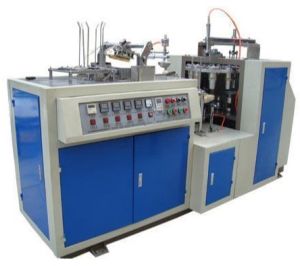
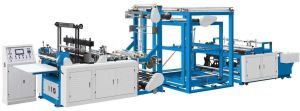
Paper Cup Machines: These machines automate the process of forming paper cups from paper blanks, sealing them, and potentially printing designs.
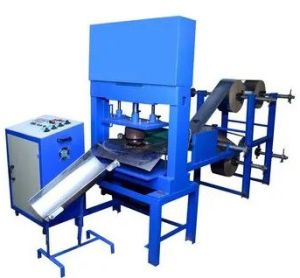
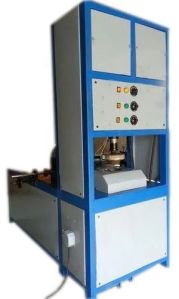
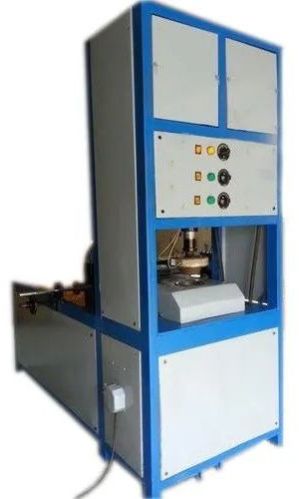
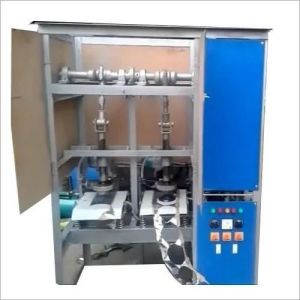
Paper Plate Machines: These machines cut and mold paper into the desired plate shapes and sizes.
Key Considerations: When selecting machinery, factors like automation level (manual, semi-automatic, fully automatic), speed, capacity, and reliability are crucial.
Supplier: Choosing a reputable supplier with good after-sales service is important.
3. Manufacturing Process:
Raw Materials:
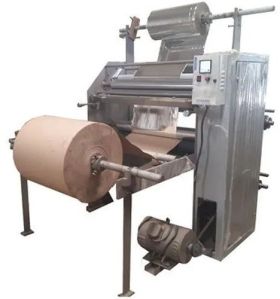
The primary raw material is PE-coated paperboard, which is typically supplied in rolls.
Printing:
Machines can print designs or branding onto the paper before or after forming.
Forming:
Machines shape the paper into cups and plates, using heat and pressure to seal the edges.
Finishing:
This may involve processes like curling the rim of the cup or adding a coating to enhance durability.
4. Business Aspects:
Investment:
Starting a paper cup and plate manufacturing business requires significant initial investment in machinery, raw materials, and potentially a facility.
Market Research:
Thorough market research is essential to understand local demand, competition, and pricing strategies.
Legal Compliance:
Ensuring compliance with relevant regulations and obtaining necessary permits and licenses is crucial.
Financial Planning:
Developing a comprehensive business plan that includes financial projections, cost analysis, and funding options is important.
Sales and Distribution:
Establishing a strong sales and distribution network to reach target customers is essential for success.
Quality Control:
Implementing rigorous quality control measures to ensure consistent product quality is vital.
Company Facts
Ownership 
Individual (Sole proprietorship)
Year of Estd
2020
Number of Employees
6 - 20
Annual Turnover
Below Rs. 0.5 Crore Approx.

 GST : 09BXYPK9855K1Z5






 Mr. Sandeep Tripathi (Riddhisiddhi Enterprises)
 25, Takharaou Habeli, Near Panchayat Ghar, Takharaou, Karhal, Mainpuri, Uttar Pradesh - 205268
 https://www.riddhisiddhientp.in
 Share us via







