Write a Review
Our Products
Our Complete range of products are Indian Vintage Printed Silk Fabric Craft Orange Saree, Pure Silk Pink Floral Printed Saree, Beautiful Peach Grey Colored Printed Pure Crepe Silk Saree, Indian Vintage Printed Saree Pure Silk Fabric Craft Dark Orange Sari and Sanskriti Indian Vintage Printed Saree 100% Pure Silk Fabric Craft Lemon Sari.
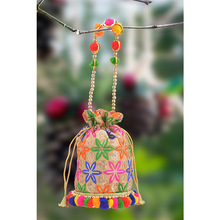
We are the main supplier of this product.
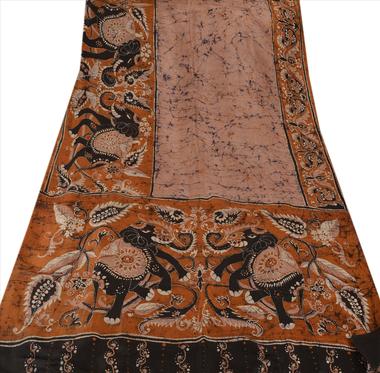
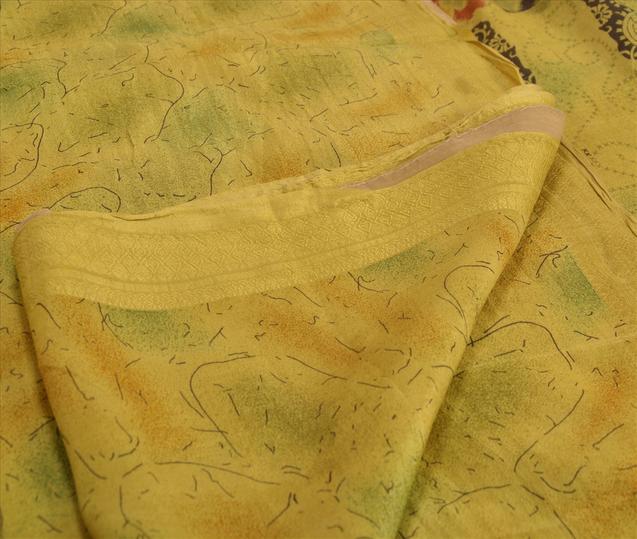


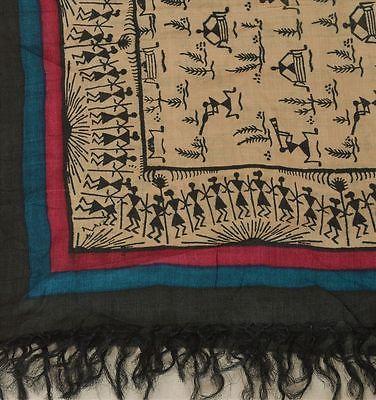
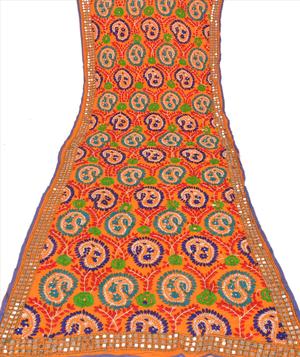
Beautiful dark orange colored printed pure silk saree . Pallu has abstract & paisley design. Paisley design in center part of sari. What is special about this saree? Unique pattern with printed work on dark orange color base fabric is really enhancing the beauty of the saree. This unique vintage saree can be used for various crafting ideas even if you don't want to use it as a sari. Design a dress, use it as a throw, as window dressing, upholstery, sarongs, table linen and much more. Let your creative juices flow and use this decorated fabric in multiple fashion.


? Beautiful orange & pink colored printed pure silk saree . ? Pallu has printed floral & paisley design . ? Floral design in center part of sari . What is special about this saree? Excellent color contrast with printed work on pure silk base fabric is really enhancing the beauty of the saree. This unique vintage saree can be used for various crafting ideas even if you don't want to use it as a sari. Design a dress, use it as a throw, as window dressing, upholstery, sarongs, table linen and much more. Let your creative juices flow and use this decorated fabric in multiple fashion
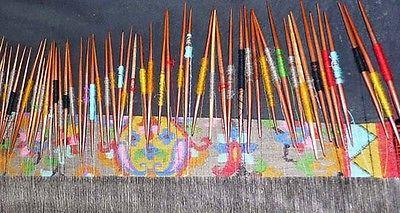
For making aari pashmina, a typical type of long needle (aari) is used. This embroidery work is done by hand. The stitching style is chain stitching and the floral designs are created by sewing circles in a properly aligned and continuous manner. Aari pashmina shawls enjoy good market appreciation, because of the overall elegant nature.
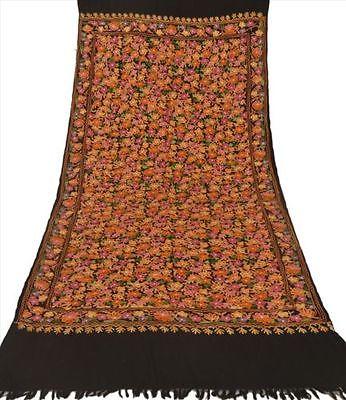
Kaani is a Kashmiri word and denotes wooden stick pieces or spools. For creating this embroidery on a loom, such small sticks are used as tools and so the embroidery work bears this name. The preconceived designs are created by using different colored threads. The item is very much attractive and has great demand.
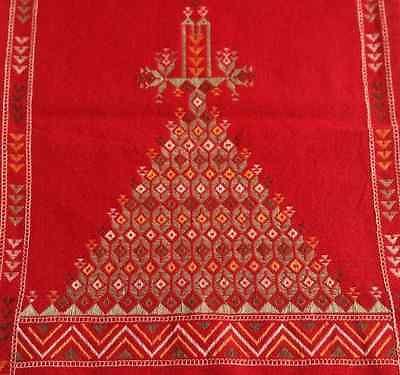
The Suf triangle (calculated on both warp and weft) is the basis of this designing method and the task is indeed painstaking. This embroidery work requires meticulous manual labor. The stitching work is done on the reverse side using the surface satin stitch. Here the designs are not sketched; the craftsman will have to visualize the desired design and count it on the warp and weft, and then embroider it! Experience, geometrical analyzing capacity, and sharp vision are the prerequisites to become an expert Suf designer.
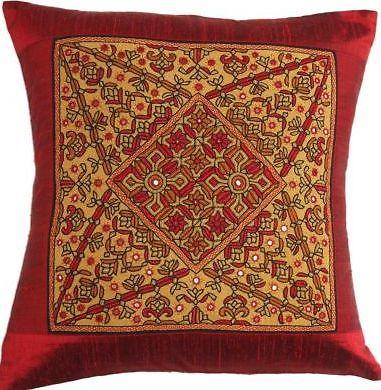
The meaning of Paako is hard. This embroidery will have series of solid squares and the stitching style is double buttonhole. Generally the designs will be flowers which are set in proportional patterns.
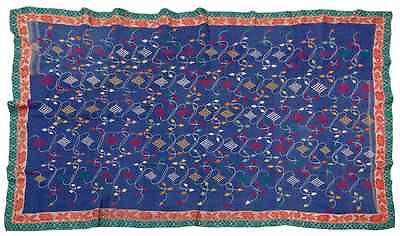
Sujani Kantha These have rectangular shape and will serve the purpose of comfy Kantha blankets (can be also used as spreads for special functions).
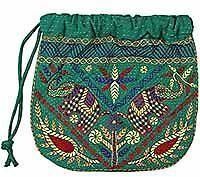
In this one, the outlining work is done ornately, using numerous colorful motifs. This Kantha will be handy for varied requirements like book wrapping, designing cute pouches, etc.
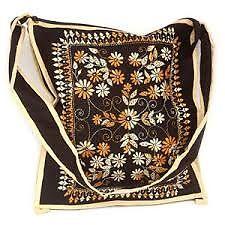
This can be utilized for designing attractive wallets or bags; the pieces come in rectangle shapes and generally have central designs of flowers or lotus.
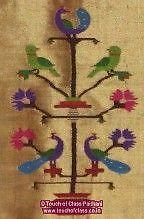
Munia Brocade:The term Munia denotes Parrot. Here the designs will have green color and these are interlaced with the border and pallu.
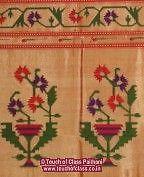
This is a flower vase with attractive flowers. In Asawali Paithani sarees the borders will be bedecked with the designs of such flower vases or vine patterns.
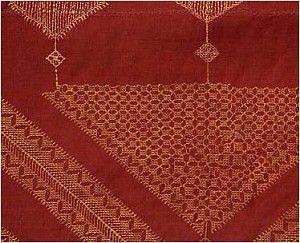
Chope Phulkari: After the ceremonial wedding day bath, the bride is dressed in this sari; the perceptible peculiarity is that, this saree is made by her mothers mother. The base color will be maroon and the two sides will have identical designs. The embroidery work will be done using yellow or golden yarn.
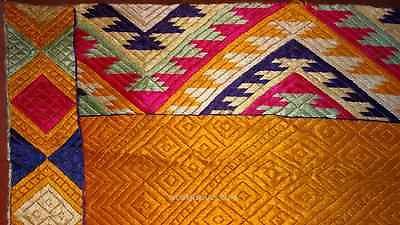
Vari-da-Bagh Phulkari: When the bride enters the house of the bridegroom, the bridegrooms father and mother gift this saree to her. The base cloth will be Khaddar and the color will be orange-red. The embroidery work will be done using either gold, or orange colored threads.
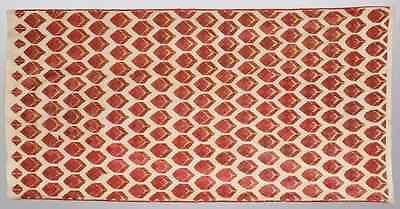
Thirma Phulkari: The base cloth is Khaddar and the color will be white. Generally, widows or old women wear this brand saree. The thread used for the embroidery work will be usually pink or red.
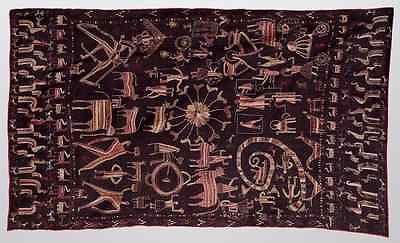
Sainchi Phulkari: The usage of this one is limited to certain regions of Punjab, and usually the embroidery designs will be that of boxers, agriculturalists, rural life, animals, etc. However, Sainchi Phulkari is hardly seen these days!
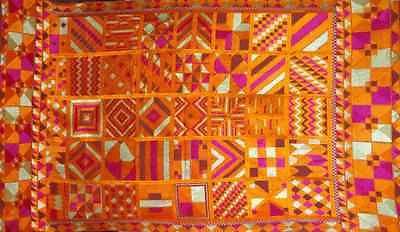
Bawan Bagh Phulkari: Bawan is a Hindi word, and the meaning is 52 (fifty two). This is a seldom seen Phulkari, and in this design, there will be 52 diverse kinds of patterns.
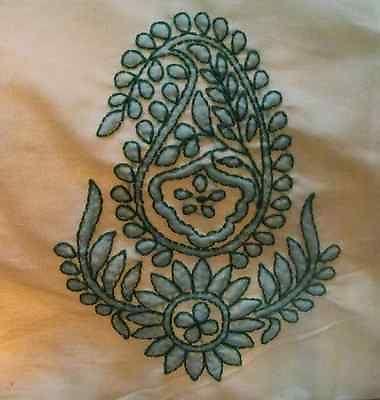
'Bakhia'stitches are effective in bringing in a shady look, and the style is more or less comparable to 'herringbone' stitching.
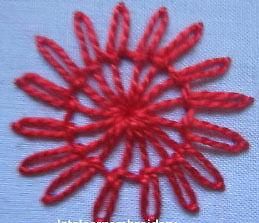
Gitti: This is a mix of 'satin' and 'buttonhole' stitches, and is mainly used to create designs like wheels which have small center holes.

Beautiful peach & grey colored printed pure crepe silk saree . All over sari has printed floral design . This unique vintage saree can be used for various crafting ideas even if you don't want to use it as a sari. Design a dress, use it as a throw, as window dressing, upholstery, sarongs, table linen and much more. Let your creative juices flow and use this decorated fabric in multiple fashion.
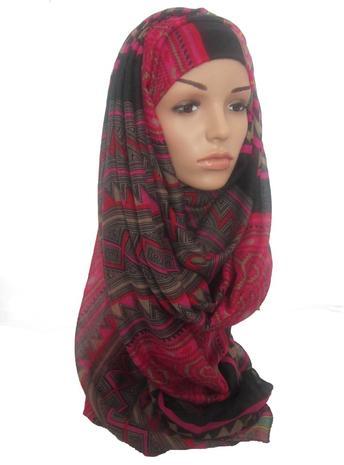
You can fashion out fashionable neckerchief, bandanas and hijabs by making use of attractive dupattas. This will certainly add more charm to your dressing pattern!
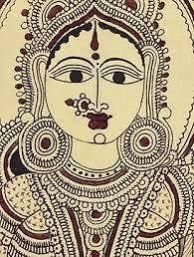
The word Kalamkari, which comes from the Persian language, consists of two distinct words, kalam, and kari. Kalam is pen and kari denotes work; in essence, the word meaning comes as a drawing that is done using a pen. The pen that is used for doing this art work is a shaped bamboo stick.
This is a South Indian art form; it was in Machilipatnam (which is in the district of Krishna, Andhra Pradesh). It is generally considered that the Mughals greatly supported this particular art, which got originated in the 17thcentury. This was particularly true in Coromandel and Golconda areas. However, it must be also pointed out that, even the British rulers who came later into India supported this magnificent art form, simply because of its highly decorative nature.
The creation of this art form involves several processes. Initially, the material used is dipped in a mixture of milk taken from either buffalo or cow, and myrobalan (a typical resin). This will hold the deepness of the used colors as such and will give the cloth an exclusive smoothness. After this process, the material is washed thoroughly in running water so that the smell of milk is removed. Subsequently, the designing work is done using blocks, or the motifs are drawn with the help of a specially prepared bamboo stick, which is dipped in the fermented jaggery solution. Afterwards, vegetable dyes are applied. After the completion of coloring works, the material is washed carefully. The use of alum makes sure of the quality and strength of the colors used. Until now, only naturally available elements are used to create this decorating art method; this is in fact, a traditional approach. Generally, the colors used are green, yellow, black, blue, and red. The dyeing process of the cloth is done by using the myrobalan nut powder. For creating a typical blue color, indigo plant extract is used, and for phasing in an alluring yellowish color, the root of Madder plant is used; dried Myrobalan flowers are also used for creating yellow. For creating red shades, alum (potassium) is used.
In general, cotton materials are used to perform Kalamkari. Because of the application of deep colors, the overall appearance will be very much smooth and alluring. Usually, the designs used will be the characters or scenes taken from the popular Hindu epics. You can also see Kalamkari work having the motifs of numerous types of flora and fauna.
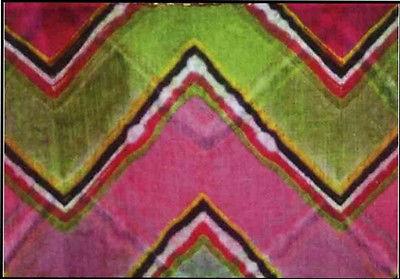
Crisscross design is a difficult one to create; here the four pleats are made into the form of a wave, which is generally termed as Gandadar.
You can identifyLeheria by taking note of the banded designs.In printedLeheriathe bands (stripes) will look proportioned; however, when tie & dye method is applied, the stripes will be somewhat unsymmetrical, which of course is prevalent in manual work.
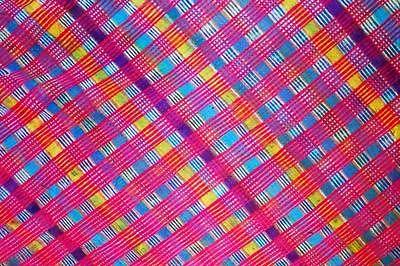
In this model, tie & dye method is applied to create a typical plaid pattern that looks alluring.
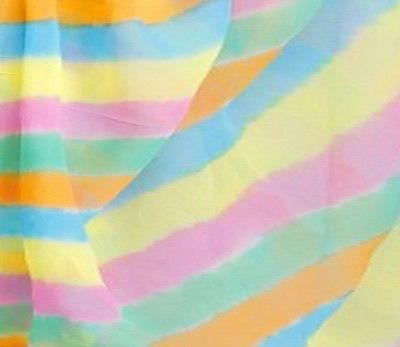
Samunder Laher is a Hindi phrase and the meaning is 'Waves of Ocean'. The typical trait of this brand Leheria is that, light dyes which are similar to ocean water such as Sea Green, Pale Yellow, Blue, Pastel Green, etc are used for dyeing. There will be crosswise bands of identical width.
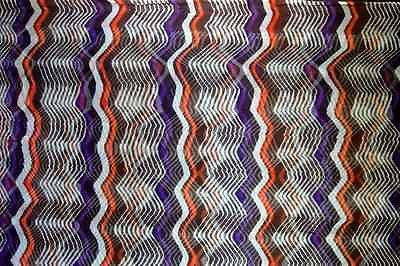
Here the design will be in a crisscross manner. Numerous pleats are created first and are reeled crosswise; this will create a crisscross design.
Leheria is named in accordance with the use of dyes; in'Dho Ranga Laheriya', two different dyes are used, there will be three different dyes in Teen Ranga Leheria, and for creating Panch Ranga Leheria, five different dyes are used.
Patta is the wide strip in Leheria andShike is the thin strip.
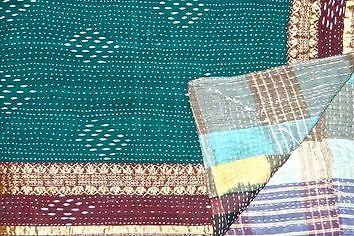
Here, the wraps are rectangular and the item is thickly cushioned. This is generally used to make Kantha bedspread, Kantha Quilts, Kantha blankets with plain running stitches.
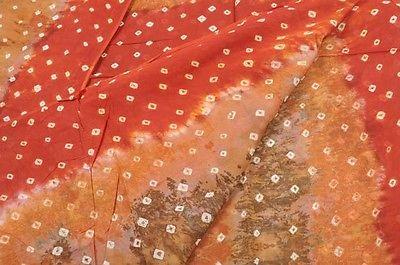
Bandhani and Leheria sarees are very much popular in Rajasthan, which is situated in the western segment of India. In this designing method, small parts of the base cloth are selected and tied, and then the process of dyeing is performed. The generally created saree designs include small bands, dots, waves, and squares. Varied colors are used for dyeing to make the material highly attractive.
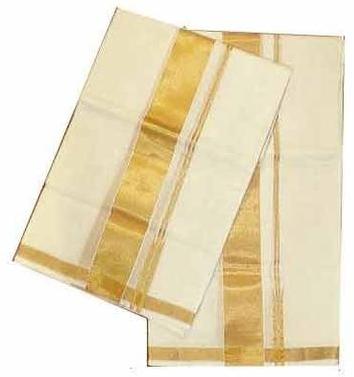
Mundum Neriyathum, which can be termed as a two-piece sari item is the conventional dressing pattern of Kerala women. There will be one piece for the lower part of the body and another for the upper part. The material is created using superior quality cotton and the borders will have zari (golden) border. Different colored threads are used at times in the border, to make the item more alluring. These days Kerala ladies wear this dress format during festival seasons and on special occasions.
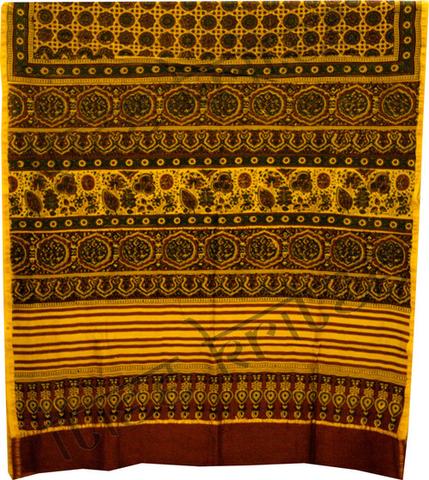
Block printing is made on superior quality smooth cotton. These days many women prefer to have block printed sarees forevery day use. The list of such sarees includes Bagru, Ajrakh, and Dabu (Gujarat/Rajasthan, India), the Bagh print (Madhya Pradesh, India) and Kalamkari (Andhra Pradesh).
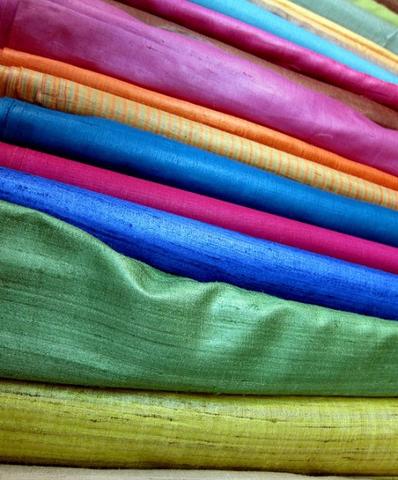
A typical genus of silk worms (broad-winged) that are grown on Oak, Jamun, and Arjun trees are used to form the special threads for Tussar / Kosa Silk. These species can be copiously seen in Jharkhand region. The special quality of Tussar is the genuine golden color, and this cord can be effectively tinted in various colors.
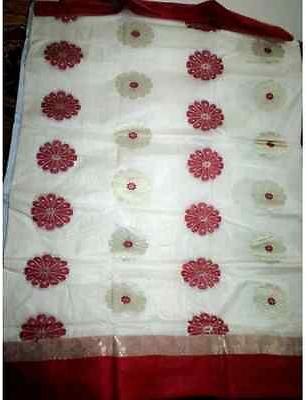
This comes under the tag of all the rage sarees and is generally worn on festive days and during religious rituals like the famous Durga Puja of West Bengal. The base cloth will be white and there will be a deep red colored border.
Garad Silk Sari is very much akin to Korial Lal Paar Saree; however, here there will be flower designs even though the base cloth will be white.
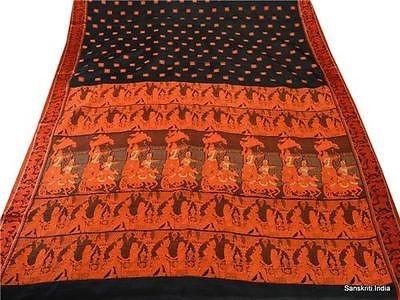
This is manufactured from Murshidabad District (West Bengal). One notable factor of Baluchari Silk Sarees is that the pallu will be imprinted with diverse designs of mythological characters (taken from Hindu epics Ramayana and Mahabharata).
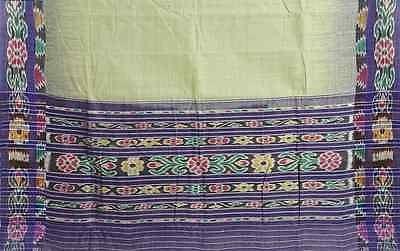
Sambalpuri Ikat Silk Sari is a superb saree item and is manufactured in the District of Boudh, Odisha. This is a conventional saree and is woven manually and the dyeing technique of Ikat is applied here. A notable feature is that conventional symbols such as Phool (flower), Shankha(shell) and Chakra(wheel) used for creating the designs. The used cords are tie dyed before the weaving process, and because of this, the creation of Sambalpuri is a long process and will get stretched into weeks.
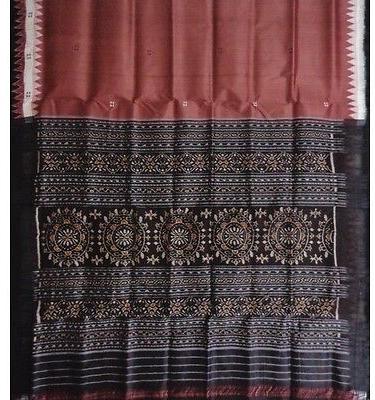
This brand sari is manufactured in Odisha (Bomkai village) and Bhulia community creates it. These are Patola sarees and the Ikat method of dyeing is employed. The key feature of this brand sari is the light and graceful shade. The bead form of the border, the uneven temple design beside the border, the heavily decorated Pallu, and the bright color difference in the border are some of the other notable traits.
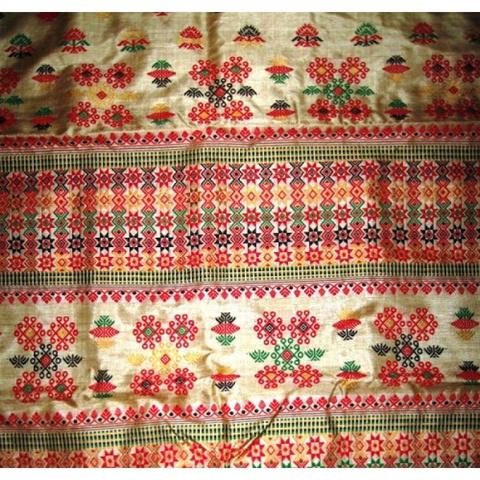
Mugga Silk is manufactured in Assam. The key feature of this sari is the attractive dazzling gold shade. Mugga is an Assamese word and the meaning is yellow. Mugga Silk is a pricey silk product; it has excellent texture and is also a long-lasting sari. Users say that washing increases the luster of this brand sari.
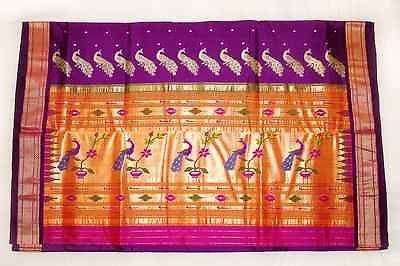
This is considered as one of the luxuriant sarees in the State of Maharashtra; the term Paithani is derived from Paithan, which is an Aurangabad city. The salient attributes of Paithani Silk Sari are the manually created border and the golden zari pallu. The generally used designs are flowers and peacocks.
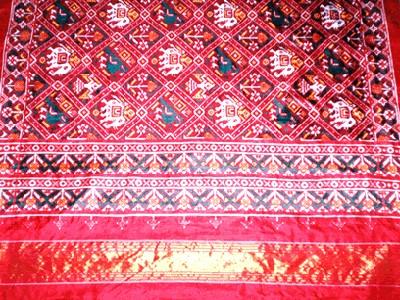
Patola Silk Sari is well accepted in Gujarat; as a matter of fact, Patola is regarded as the embodiment of quality andlastingness. The distinctive attributes of Patola are the artful designs. Usually, the applied patterns include geometrical shapes, flowers, dancers, parrots, elephants, etc. The special trait of double Patola is that weft and wrap will be uniformly dyed before the process of weaving and so, the wearer can use both sides.
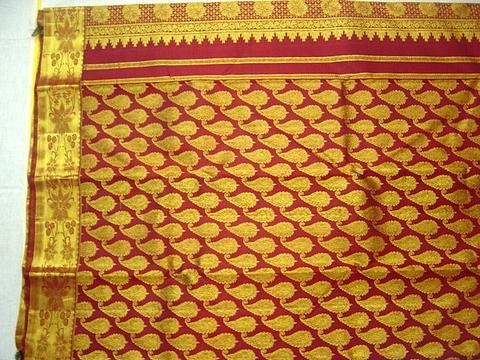
This one is a conventional brocade sari and is produced in Kanchipuram, Tamil Nadu. Genuine Mulberry Silk is used for weaving Kanjivaram Silk Sari. The special feature of this brand is that, the Pallu is independently created and then is nicely coupled to the main sari piece. Moreover, the pattern and the color of the Pallu and Body will be different. In addition to this, this brand sari will be weightier than the rest of the silk sarees, and hence will be more expensive.
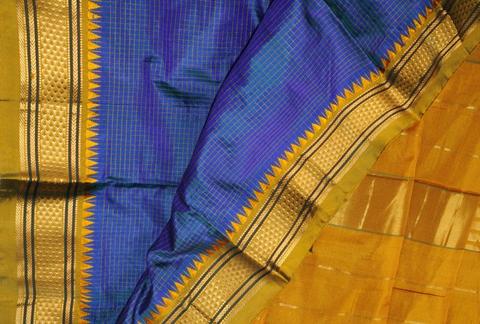
This brand sarees are manufactured in Thanjavur (Tamil Nadu). It is believed that the earliest Konrad Silk Sarees were created for the purpose of decorating deities. The key attribute of this sari is that, there will be a border of roughly 10 cm to 40 cm and the color will be plain; besides, there will be two thinly designed belts extra, next to the border (just about 3 cm from the edge of the border), which are termed as pettu or kampi. The sari body will generally have checks or stripes, and the zari work will be intense.
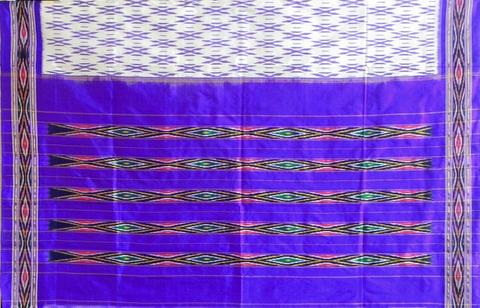
This is a conventional type sari and is manufactured from Pochampally (Bhoodan - Nalgonda District, Telangana). The special feature of this brand is the geometrical designs that are created by applying the dyeing technique of Ikat. Sico, which is a good mix of cotton and silk, is also used as the base cloth, apart from actual Silk.

This is a white sari having deep red border and the applied color will be dense.Customarily, ladies dress in this brand saree on days of religious importance and during festival days.
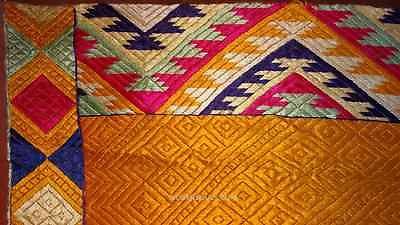
Vari-da-Bagh Phulkari: When the bride enters the house of the bridegroom, the bridegrooms father and mother gift this saree to her. The base cloth will be Khaddar and the color will be orange-red. The embroidery work will be done using either gold, or orange colored threads.
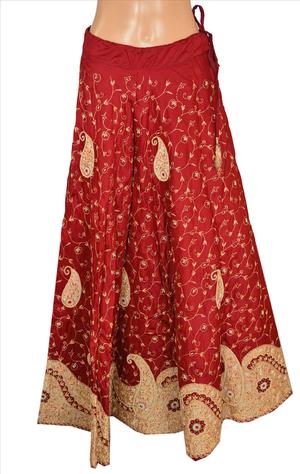
 Amit Kumar Arora (Sanskriti India)
 Patel Nagar, Delhi - 110008, India
 Share us via