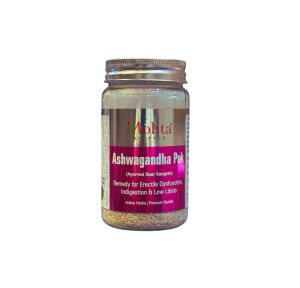
In Ayurveda, "Rasayana" refers to a category of therapeutic practices and preparations aimed at promoting health, vitality, longevity, and rejuvenation. Rasayana is one of the eight branches of classical Ayurveda, and its primary focus is on the preservation and enhancement of one's overall well-being and quality of life. The term "Rasayana" is derived from two Sanskrit words: "Rasa, " which means essence or sap, and "Ayana, " which means path or journey. Together, "Rasayana" can be understood as the path to obtaining and nourishing the essence of life. Rasayana therapies and formulations are designed to: Enhance Vitality: Rasayanas are believed to boost the body's strength and energy, leading to improved endurance and resistance to diseases. Promote Longevity: Rasayanas are thought to slow down the aging process and extend the lifespan. Improve Mental Clarity: They are said to enhance cognitive functions, such as memory and concentration. Strengthen the Immune System: Rasayanas are believed to bolster the body's natural defense mechanisms. Balance the Doshas: Ayurveda emphasizes the importance of balancing the three doshas (Vata, Pitta, and Kapha) for overall health, and Rasayanas aim to achieve this balance. Promote Tissue Rejuvenation: Rasayanas are thought to rejuvenate bodily tissues, enhancing the overall health of organs and systems. Rasayana formulations can be herbal mixtures, dietary recommendations, lifestyle practices, or a combination of these. They often include specific herbs, minerals, fruits, and other natural substances that are believed to have rejuvenating properties. Some well-known Rasayana herbs and preparations include Ashwagandha, Amalaki (Indian gooseberry), and Chyawanprash. Rasayana therapies may be recommended for individuals of all ages, with a focus on both prevention and treatment. The goal is to promote not only physical health but also mental and emotional well-being, contributing to a holistic sense of wellness and balance. It's important to note that Rasayana therapies should be chosen and undertaken under the guidance of a qualified Ayurvedic practitioner, as the specific Rasayana approach may vary depending on an individual's constitution (Prakriti) and current imbalances (Vikriti). Additionally, Rasayanas should be used in accordance with Ayurvedic principles and guidelines for the best results.





 Industrial Estate, Hathras, Uttar Pradesh
  GST : 09ABGCS2549L1ZT

 Write a Review