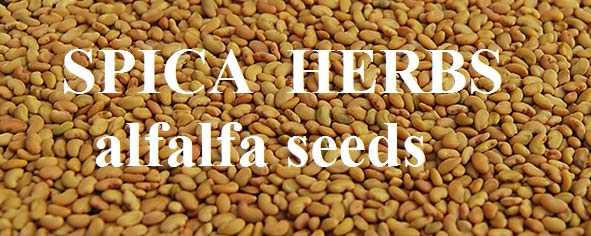
Calcium Sennosides Extract are obtained from the dried leaves of cassia senna. Senna leaves and pods are said to contain laxative property. It is a great purgative and a strong cathartic which is used in treatment of constipation. One can obtain pure and best quality extract from us. We make it available in various capacities according to customers requirements. We can deliver effectively on time.
Introduction :
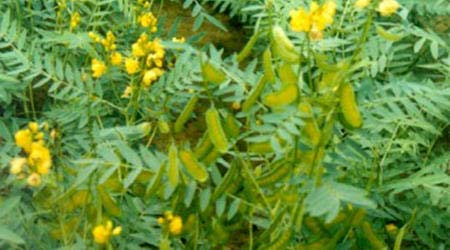
- Senna includes herbs, shrubs, and trees. The leaves are pinnate with opposite paired leaflets. The inflorescences are racemes at the ends of branches or emerging from the leaf axils.
- The flower has five sepals and five usually yellow petals.
- There are ten straight stamens. The stamens may be different sizes, and some are staminodes.
- The fruit is a legume pod containing several seeds.
Chemical Composition / Key Active Constituents :
- The pods contain sennosides A and B, sennidin – 8.8 – diglucoside, glycosides of rhein and chrysophanic acid, aloe- emodin, its dianthrone diglucoside and emodin glucoside.
- Occurrence of oxymethyl- anthraquinone has been reported from the fruits.
- Leaves contain flavanols, isorhamnetin, kaempferol, rhein, emodin, mucilage salicylic acid, volatile oil, calcium oxalate, & Sennosides A, B, C and D.
Pharmacology :
- Senna leaves and pods have been shown to have laxative activity. It is usefull in habitual constipation. Pharmacological investigations show that sennosides A and B account for the entire activity of the senna leaves and pods, Leaves contain glycosides, sennoside A, B, C and D. Two naphthalene glycosides have been isolated from leaves and pods.
- The medicinal action of Senna can be attributed mainly to the anthraquinone glycosides, especially sennoside A and B. It appears that the aglycone portion is responsible for its action. The breakdown of the anthraquinone glycosides in the digestive tract can occur in one of two ways.
- The bowel flora can directly hydrolyze themin a similar way to that of free active aglycone. Alternatively, in the presence of bile and the sugar moiety, the free aglycone can be absorbed into the blood stream and secreted later into the colon.
- The final result is stimulation of the Auerbach plexus resulting in increased intestinal muscle contraction. In addition, its mucilage content decreases bodily absorption of fluid leading to an enhancement of the final laxative action.
Uses :
- Senna is used in treating constipation, by stimulating intestinal peristalsis.
- It is useful in painful hemorrhoids, as it ensures soft and easy bowel movements.
- Paste of Senna leaves is applied to various skin diseases like acne, eczema etc
- It is used as an anthelmentic since it expels intestinal worms effectively.
- It is also used in hypertension and obesity.
- It is useful in loss of appetite, dysentry, hepatomegaly, spleenomegaly, indigestion, malaria, jaundice, biliousness, gout, rheumatism and anaemia.
Dosage:

 Write a Review
 Mr. Dhaval Vekariya (Spica Herbs)
 B-111, Jayshree Forge Campus, Near Hitachi Hi-Rel, Sector 25, Gujarat Industrial Development Corporation Zone, Gandhinagar - 382025
 Share us via