

Individual (Sole proprietorship)
2022
6 - 20
Below Rs. 0.5 Crore Approx.
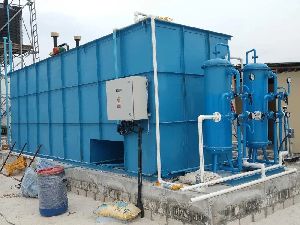
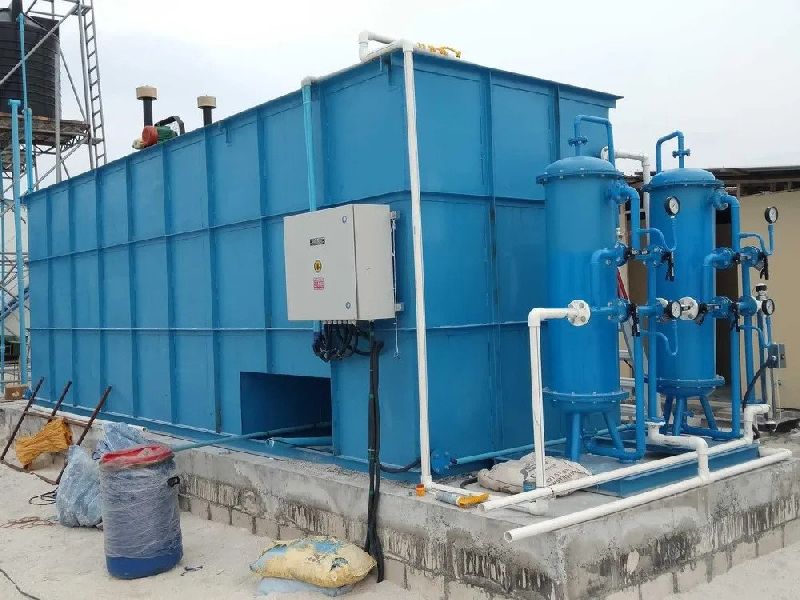
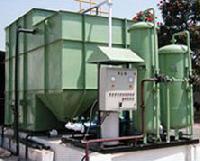
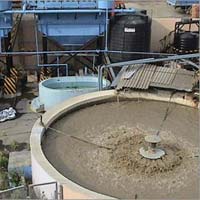
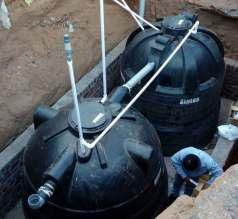
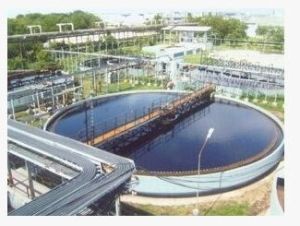
Sewage treatment involves three steps, the primary, the secondary and the tertiary. In the primary process, the sewage is temporarily held in a quiescent basin where the heavy solids can settle to the bottom, while oil, grease and other solids float to the surface. These are removed and the remaining liquid is subjected to the secondary treatment, wherein the suspended and dissolved biological impurities are removed. In tertiary treatment, the treated water is disinfected chemically or physically, before discharging into streams or rivers. SWAP provides different kinds of sewage treatment plants which vary in the process by which they treat wastewater. Generally, they can be classified into the following types of systems: 1. Activated sludge plant (ASP) 2. Moving Bed Biofilm Reactor (MBBR) 3. Membrane Bioreactor (MBR) 4. Sequencing batch reactor (SBR) 5. ZLD
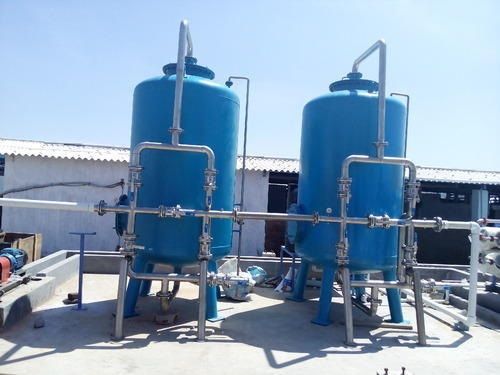
Water treatment is any process that improves the quality of water to make it appropriate for a specific end-use. The end use may be drinking, industrial water supply, irrigation, river flow maintenance, water recreation or many other uses, including being safely returned to the environment. Water treatment removes contaminants and undesirable components, or reduces their concentration so that the water becomes fit for its desired end-use. This treatment is crucial to human health and allows humans to benefit from both drinking and irrigation use. Demineralization is the process of removing mineral salts from Water by using the ion exchange process. Demineralised Water is Water completely free ( or almost ) of dissolved minerals as a result of one of the following processes : • Distillation • Deionization • Membrane filtration (reverse osmosis or nanofiltration) • Electrodyalisis • Or other technologies.
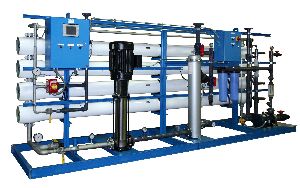
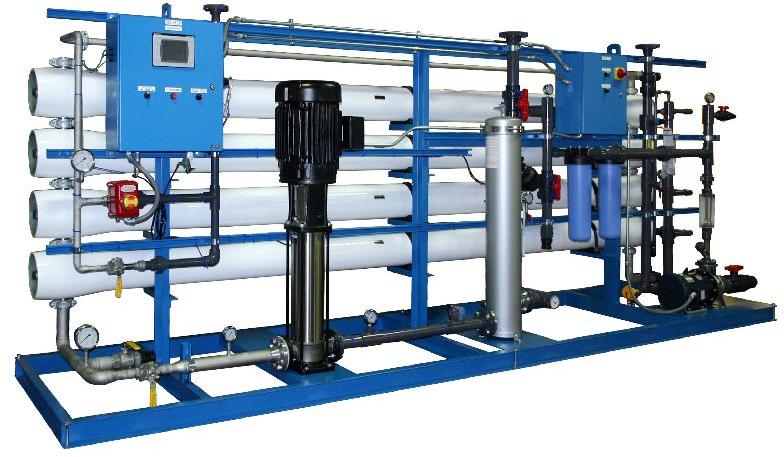
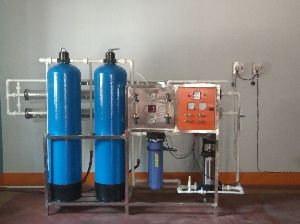
An Industrial RO plant is a system that removes impurities from raw water using reverse osmosis. These plants come equipped with membranes boasting state-of-the-art designs and are capable of removing impurities without using any ion exchange beds, resins, or chemicals. For your information, the term “raw water” is used for the water type that has not undergone any treatment or has its natural mineral-content intact. RO plants receive raw water either directly from the mains or through a break tank. The quality of this water tends to differ depending on the user’s geographical location. For a RO plant to work smoothly, having a high-pressure pump is mandatory. This makes the unit different from many other filtration units that do their job using low-pressure water systems. This feature allows RO to remove more impurities from raw water than all those other filtration units.
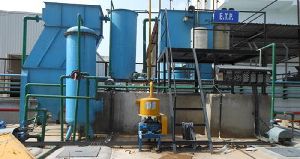
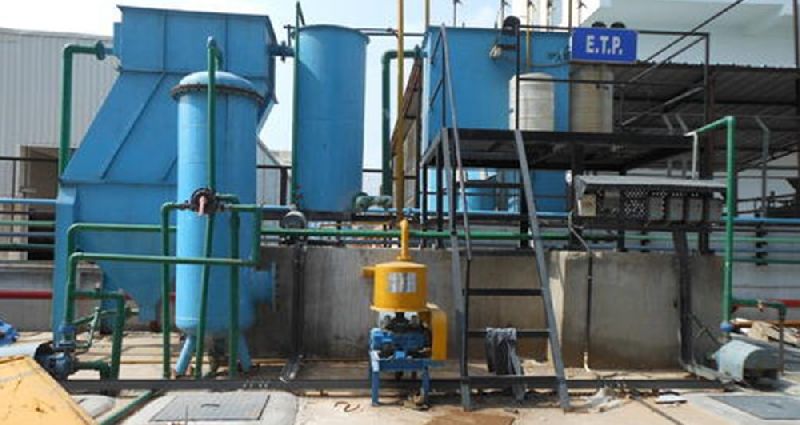
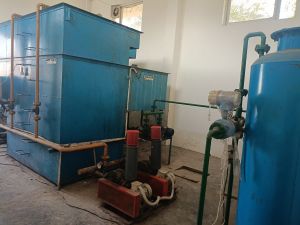
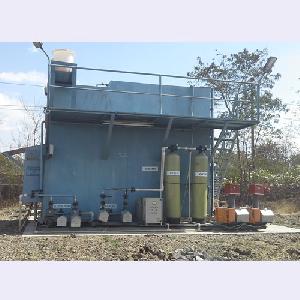
The Process Effluent treatment plant manufacturers and suppliers should be ready to install the complete setup process. Trade effluent is nothing but the wastewater that is the by-product of any kind of industrial process. The basic process comprises the trade effluent being passed through a screen chamber for removal of floating materials at first and then making it flow to the oil and fat removal tank. From this tank, the effluent is then passed onto the collection and equalization tank, where it gets mixed with air through coarse air diffusers. The anaerobic part : From the collection and equalization tank, the effluent is passed through the anaerobic filter, which reduces the BOD level drastically. The aerobic part : Next it passes through the Airbio Reactor, where the bacteria oxidize the organic matter to carbon dioxide and water by the aeration principle. There are some other tertiary processes for treatment of effluent, which helps in treating waste water and recycling
Share your thoughts with other customers for Swap Engineering
Add Review Mohammad Amir Khan (Swap Engineering)
 Shop No 13 First Floor GSR Center Point, Awas Vikas, Vrindavan Yojna, Lucknow, Uttar Pradesh - 226029
 Share us via








 GST : 09CRDPK4081K1ZH