

Individual (Sole proprietorship)
2025
51 - 100
Rs. 0.5 to 2.5 Crore Approx.
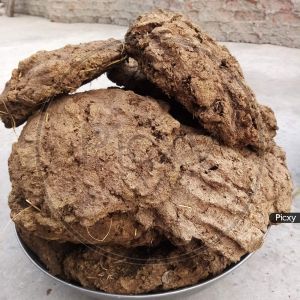
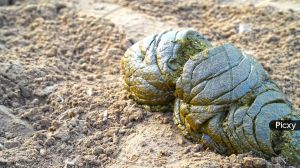
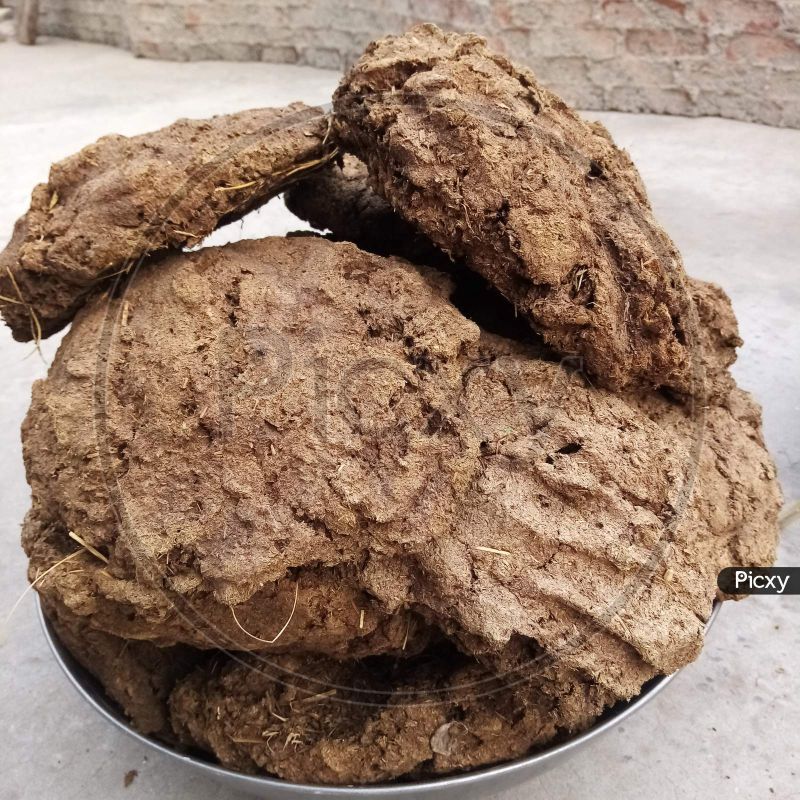
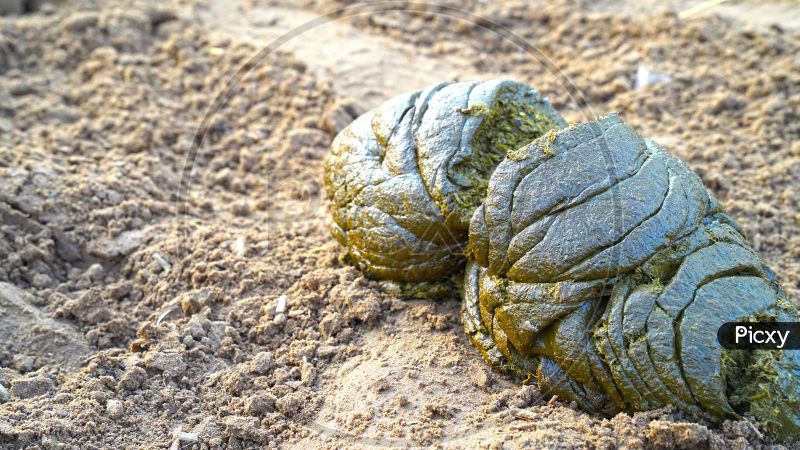
Dried cow dung has various uses and benefits, especially in rural areas. It's valued for its versatility, sustainability, and eco-friendliness. Here's a deeper look into its uses and how it's prepared: 🌾 How to Dry Cow Dung: Collection: First, collect fresh cow dung from the cows. It is best to collect it when it's still fresh and moist. The dung is typically gathered in a bucket or on the ground. Shaping: After collecting the dung, it's often shaped into small, flat cakes or patties, which makes it easier to dry. In many places, these are pressed directly into the ground or on large flat surfaces. The shape may vary, but generally, flat, round or square shapes are preferred. These patties are usually about 4–6 inches thick, depending on the environment. Drying: Sun Drying: Place the shaped cow dung patties in direct sunlight on a clean surface like a large sheet or piece of cloth. Ensure the surface is not contaminated to avoid bacteria or other harmful elements. Turn Regularly: Turn the patties every few hours to ensure that they dry evenly on all sides. Drying can take a few days to a week, depending on the weather conditions (hotter, drier climates dry faster). Storage: Once the dung is thoroughly dried, it can be stored in a dry, cool place. It’s best to keep it away from rain to prevent it from becoming re-moisturized. 🔥 Uses of Dried Cow Dung: Fuel: Cow Dung Cakes: The most common use for dried cow dung is as a fuel source. Dried cakes or patties are used for cooking in traditional stoves or fireplaces, especially in rural regions where wood or gas may be scarce or expensive. Eco-Friendly Alternative: It's a more sustainable option compared to burning wood because it produces less smoke and fewer harmful emissions, though it does still produce some carbon. It's also renewable because the dung can be replenished by the cows. Biogas Production: Biogas Plants: Dried cow dung is often used in biogas plants, where it undergoes anaerobic digestion to produce methane gas. This gas can be used for cooking or generating electricity. In some areas, biogas is a major source of clean energy, helping reduce reliance on fossil fuels. Natural Pesticide: Pest Repellent: When dried cow dung is burned, it can help ward off mosquitoes and other insects. This makes it useful in rural areas to keep homes and gardens free from pests. Dried Dung Ash: Sometimes, the ash from dried dung is sprinkled around garden plants to act as a natural pesticide or fertilizer. Farming & Agriculture: Compost: Dried cow dung is often composted with other organic materials (like straw or leaves) to make nutrient-rich compost. This compost can improve soil quality, enhance plant growth, and increase soil moisture retention. Natural Fertilizer: Sometimes, dried cow dung is ground into a powder and mixed with water to create a natural liquid fertilizer. Traditional and Cultural Uses: Sacred and Ritualistic Purposes: In many cultures, especially in India, dried cow dung is considered sacred and is used in religious rituals. It’s used for purifying spaces or even as offerings. Household Cleaning: In some traditions, dried cow dung is used to wash and clean floors, as it is believed to have disinfectant properties. It's also used for decorating homes or temples during festivals. Building Material: Mud Walls: In certain rural regions, dried cow dung is mixed with mud or clay to form strong building materials. It’s used for plastering walls or sealing floors, providing both insulation and a natural, eco-friendly option. Mud Stoves: In some areas, dried dung is used to create traditional mud stoves (also known as chulhas) for cooking. These stoves are fueled by the dung cakes, providing an energy-efficient way to cook. 🌍 Environmental Impact of Dried Cow Dung: Reduction of Waste: Instead of being discarded, cow dung is reused, helping reduce waste in rural communities. Eco-Frie
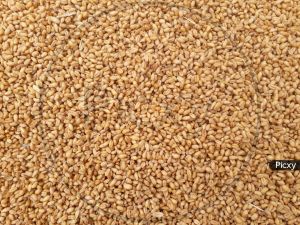
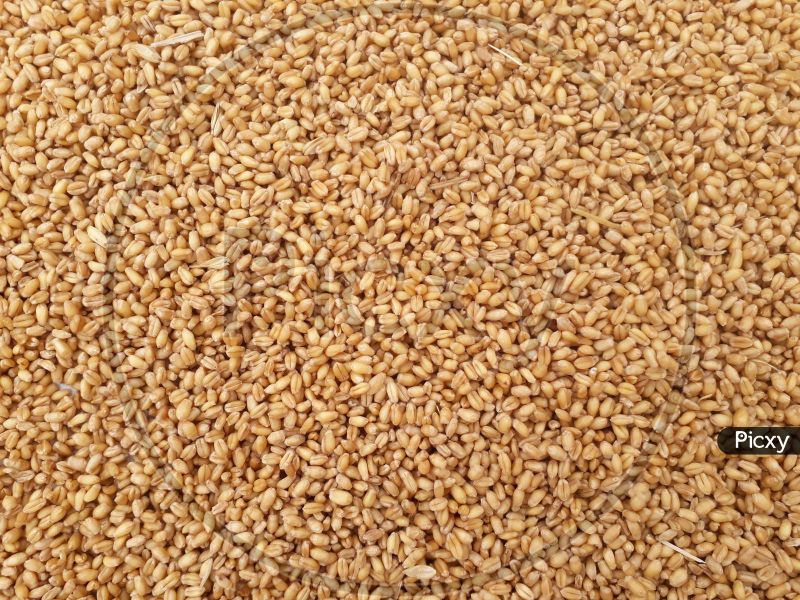
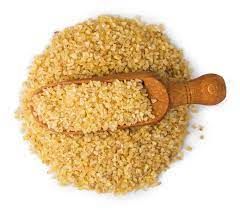
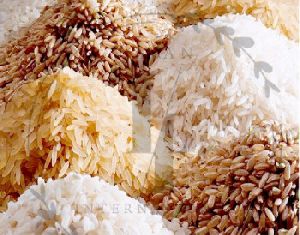
Wheat grains are a staple food and a significant source of carbohydrates, fiber, and essential nutrients. They are the foundation of various food products, including flour, bread, pasta, and more.
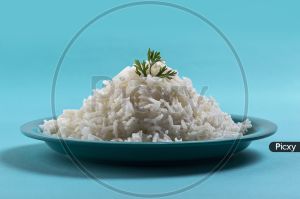
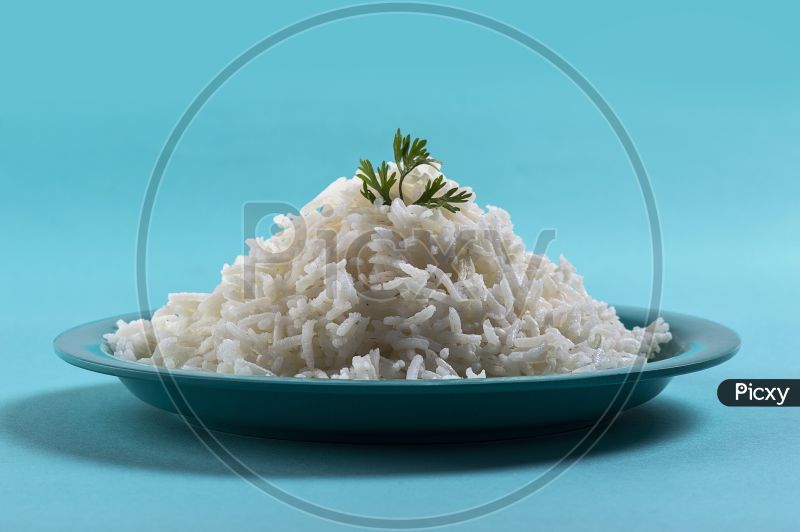
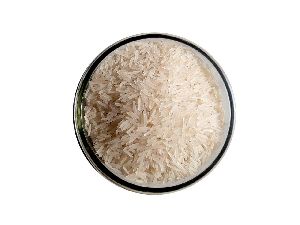
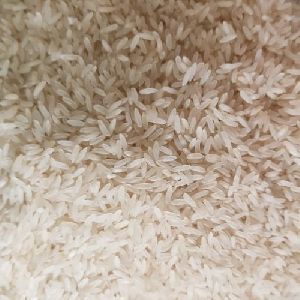
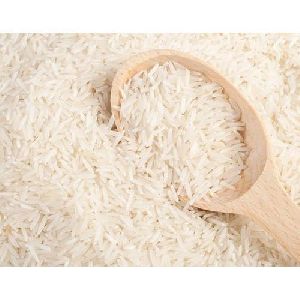
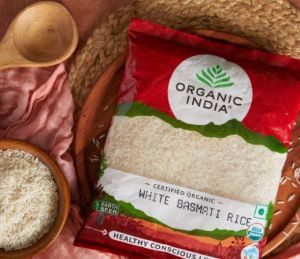
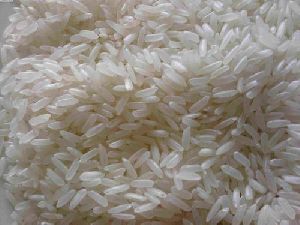
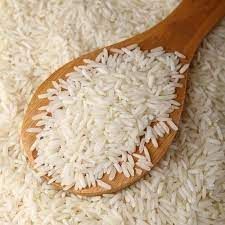
White basmati rice is a long-grain rice variety known for its fragrant aroma, fluffy texture, and slightly nutty flavor. It’s commonly used in Indian, Middle Eastern, and Persian cuisine—perfect for dishes like biryani, pilaf, or served plain with curries.
Share your thoughts with other customers for TANDULA GRIHUDYOG
Add Review DOMESHWER DHANKAR (TANDULA GRIHUDYOG)
 Dhobanpuri, Balod, Chhattisgarh - 491227, India
 Share us via







 GST : 22CGMPD6433N1Z8
