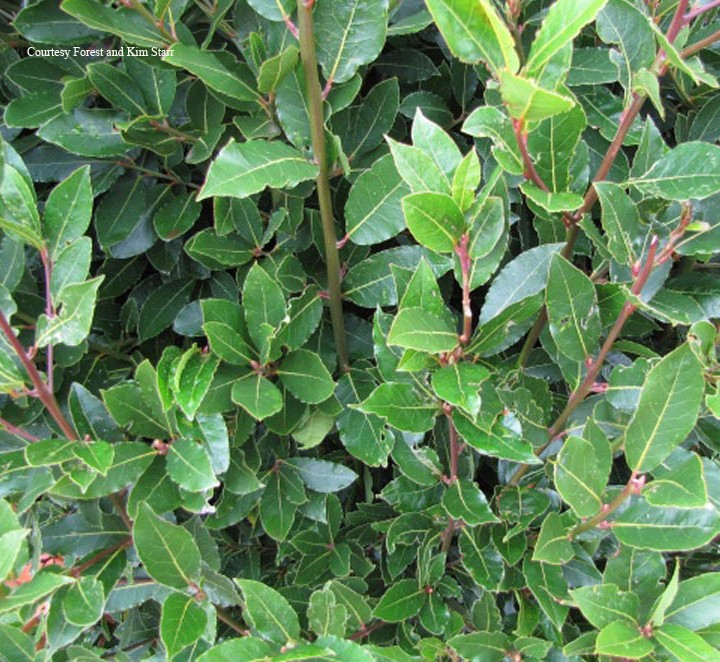
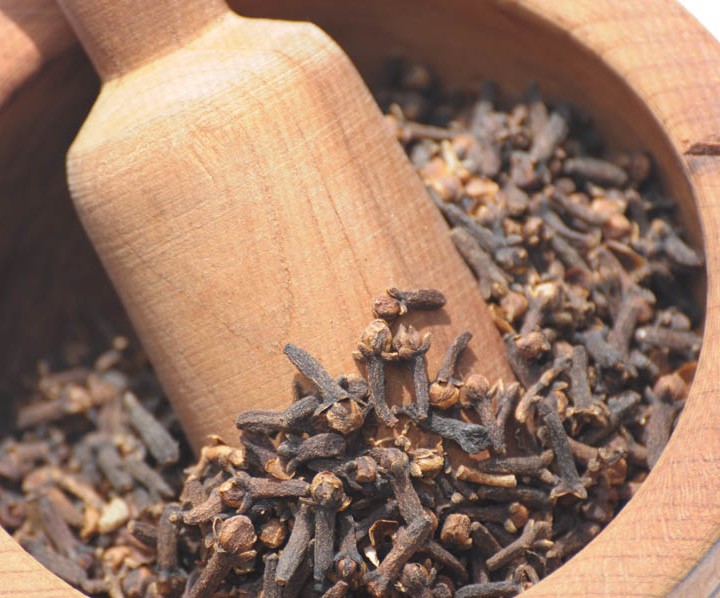
Botanical Name: Eugenia caryophillata Origin: MadagascarPart Used: BudsProcess: Steam DistillationPlant Description: Native to the Maluku Islands, clove trees are cultivated worldwide, especially in the Philippines, Comoros Islands, Zanzibar, Pakistan, Sri Lanka and India; grown for production of essential oil in Madagascar and Indonesia. Clove Bud essential oil comes from a slender evergreen tree that grows to a height of 45 feet, with flower buds appearing at the start of the rainy season. When the unopened buds turn deep red, they are hand-picked or beaten from the trees for drying prior to distillation.Oil Description: Pale yellow liquid with a warm, sweet-spicy aroma, a fresh, fruity top note and a faint woody undertone.HistoricalTraditional Uses: Clove Bud has an extensive history of use, for medicinal purposes and as a culinary spice, in Europe from the 4th century BCE and in China from the 3rd century BCE. During the Han Imperial Dynasty of China (206 BCE 220 CE), representatives and diplomats of the court were required to hold cloves in their mouths to freshen their breath when addressing the emperor. During this dynastys rule, diplomatic outreach into Central Asia marked the beginning of the Silk Road trade network that extended to the Roman Empire. It was along this trade route by both land and sea that spices, including cloves, reached the European continent. Hildegard of Bingen (1098-17 September 1179) used clove buds warming effect for a stuffy head, gout, intestinal issues, and hiccoughs. During the Black Plague of the mid-14th century, thieves robbing the deceased victims made use of cloves and other spices and herbs for protection against infection. Rondeletia, a classic 16th century Italian perfume, was composed primarily of cloves and lavender.Applications (Uses and Indications): In aromatherapy, Clove Bud essential oil is indicated for athletes foot, toothaches, halitosis, indigestion, repelling mosquitoes, intestinal parasites, and respiratory issues. When included in the diet during the last month of pregnancy, clove is said to tone and strengthen the uterus in preparation for childbirth. It is used externally, greatly diluted, for arthritis and muscular aches and pains. When inhaled, Clove Bud instills confidence, trust and motivation, stimulates memory, and helps overcome exhaustion, while its antiseptic and antiviral action is beneficial for fighting off infectious diseases. In perfumery, Clove Bud essential oil is a middle note that blends well with allspice, basil, bergamot, black pepper, cardamom, carnation, cinnamon, citronella, clary sage, geranium, ginger, grapefruit, lavender, lemon, nutmeg, orange, patchouli, peppermint, rose, rosemary ct cineol, sandalwood, vanilla, vetiver, and ylang ylang.Contraindications (Safety and Precautions): Clove Bud essential oil is generally non-toxic when used in moderation, but can cause skin and mucous membrane irritation, dermatitis, and skin sensitization; avoid repeated application and excessive inhalation, use in low dilution (1% or less). Avoid use if using blood thinner medications. Clove Leaf and Clove Stem essential oils are not recommended for aromatherapy use.Standard Safety Precautions: Always dilute essential oils before using. Keep essential oils out of the eyes and mucous membranes; in case of contact, DO NOT use water, instead place a drop or two of vegetable oil on a tissue to gently wipe out of eye or off area of contact. In severe cases, seek professional help immediately. Keep out of the reach of children. In case of ingestion, call 911 immediately.The FDA has not evaluated the statements on this website. No claims are made as to any medicinal value of this or any products from Ancient Ways Botanicals. The information presented here is for educational purposes of traditional uses and is not intended to prevent, diagnose, treat, or cure, any disease. For external use only. You are responsible for understanding the safe application of these products.
 .., United States
 Write a Review
 Andrew Barber (Ancient Ways Botanicals)
 Share us via