 Write a Review
Our Products
Our offered Product range includes Microcrystalline Wax for Candles, fischer-tropsch f110 eva adhesive wax, White Mineral Oil, Food Grade White Oil for Cake Demoulding and White Mineral Oil USP (SUS 70).


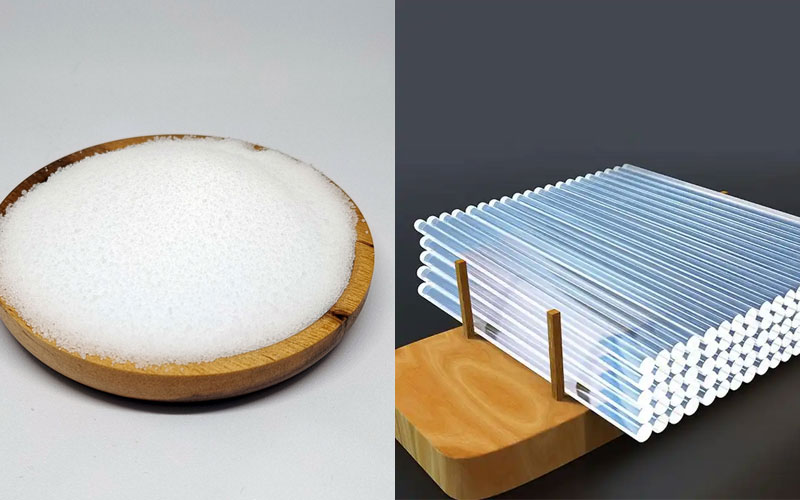
Microcrystalline wax is a type of wax that is commonly used in the manufacturing of hot melt adhesives. The No. 80 microcrystalline wax provided by WJWAX has a drop melting point of 80 , which is an ideal additive for hot melt adhesives and is highly welcomed by domestic and foreign hot melt adhesive manufacturers.
Hot melt adhesives are widely used in many industries, including packaging, woodworking, and automotive. They are popular due to their fast bonding capabilities, high strength, and versatility.
Microcrystalline wax is a by-product of the petroleum refining process. It is a type of wax that has a higher melting point than other waxes, such as paraffin wax. Microcrystalline wax is made up of small, crystalline structures that give it its unique properties. It is a soft, pliable wax that is easy to work with and has excellent adhesive properties.
One of the main benefits of using microcrystalline wax in hot melt adhesives is its ability to enhance adhesive strength. Microcrystalline wax has a high molecular weight, which means it has a strong bond to surfaces. This makes it an ideal ingredient in hot melt adhesives, where strong bonding is crucial.
Another benefit of using microcrystalline wax in hot melt adhesives is its ability to improve the flexibility of the adhesive. Microcrystalline wax has a low viscosity, which means it is easy to apply and can flow into tight spaces. This makes it ideal for use in applications where flexibility is important, such as in automotive manufacturing or packaging.
Microcrystalline wax is also resistant to moisture and other environmental factors, which makes it an ideal ingredient in hot melt adhesives that are exposed to harsh conditions. It also has a high melting point, which means it can withstand high temperatures without melting or losing its adhesive properties.
In addition to its adhesive properties, microcrystalline wax is also used in other applications, such as in the production of candles, cosmetics, and pharmaceuticals. It is also used as a coating material for paper and textiles, as well as a lubricant in various industries.
In conclusion, microcrystalline wax is an essential ingredient in the manufacturing of hot melt adhesives. Its unique properties, including its strong bonding capabilities, flexibility, and resistance to environmental factors, make it an ideal ingredient for a wide range of applications. As the demand for hot melt adhesives continues to grow, the use of microcrystalline wax is expected to increase as well.
FAQs
What's the delivery time?
Deposit received within 10-15 days after delivery.
What is your company's biggest advantage?
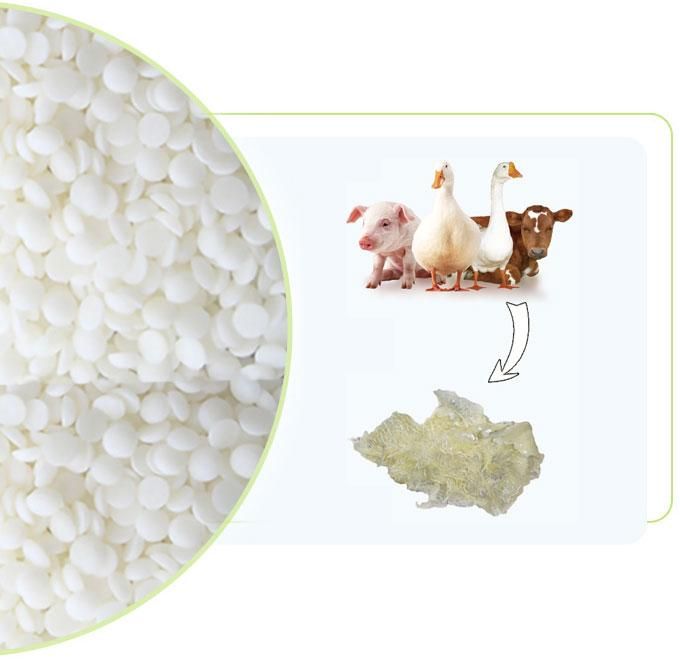
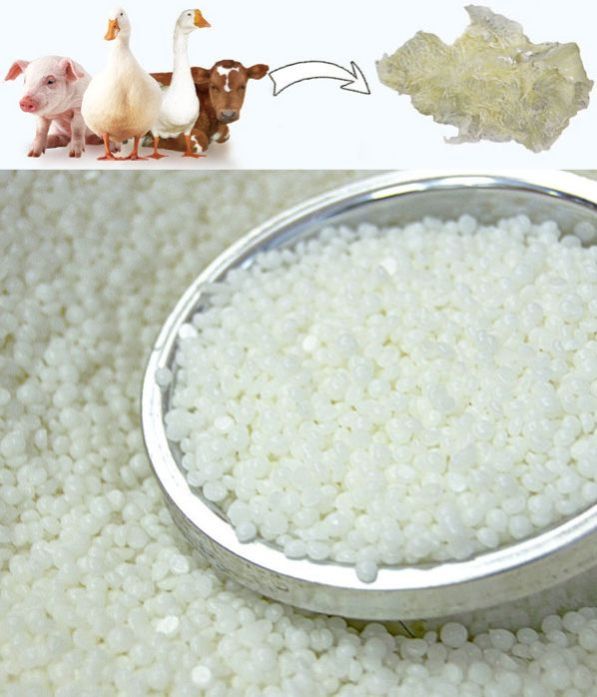
Our advantage is the production of special waxes, such as food-grade microcrystalline wax, rubber protective wax, automobile chassis anti-rust wax, poultry hair wax, explosive compound wax, etc.
Why did lots of customers choose us?
Good quality, competitive price, and timely delivery time. The most important point is that we have focused on the production of special wax for more than 20 years.
Are you a manufacturer or trade company?
I am a sales manager in the wax manufacturer located in Jingmen City Hubei Province, welcome to our factory.
How can l get the samples?
Samples are available after confirmation of the price. We provide free samples to check the quality except for delivery charges. However, if there is a cooperation agreement in the future, we can help you make up the express fee for the sample.
Additional Information:
Payment Terms : D/P, T/T
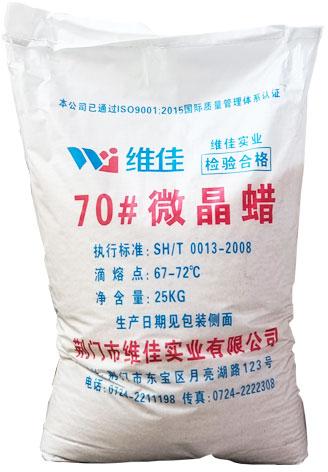
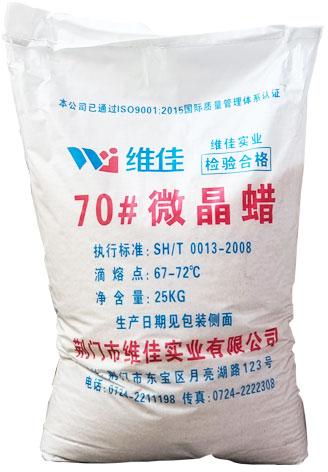
Packaging Details : 25KG/BAG
Delivery Time : 15-30 days

Product Features
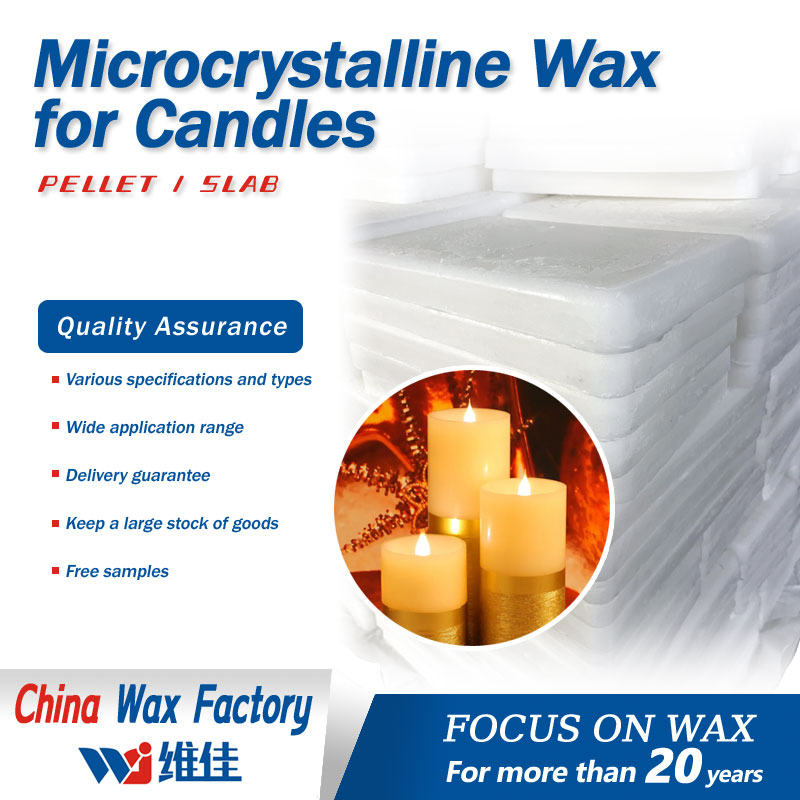
Microcrystalline wax is a type of wax that is commonly used in candle-making due to its excellent properties.
It is a by-product of the petroleum refining process and is created by breaking down the heavy hydrocarbons that are left over after gasoline and other fuels have been extracted.
Microcrystalline wax is a versatile wax that can be used in various applications, including candles, cosmetics, and pharmaceuticals. In this article, we will focus on using microcrystalline wax in candle making.
Product Application
One of the main advantages of using microcrystalline wax in candle making is its superior ability to hold fragrance. This wax has a high oil content, which allows it to absorb and hold onto fragrances much better than other waxes. This means that candles made with microcrystalline wax will have a stronger and longer-lasting scent than those made with other waxes.
Another advantage of microcrystalline wax is its ability to produce a smooth and creamy appearance. This wax has a fine crystalline structure that gives candles a shiny and polished look. It also has a low melting point, which means that it will melt evenly and smoothly when lit.
Microcrystalline wax is also known for its excellent burn characteristics. It has a high melting point, which means that it will burn at a higher temperature than other waxes. This results in a cleaner and more efficient burn, with less soot and smoke produced. Microcrystalline wax also has a longer burn time than other waxes, which means that candles made with this wax will last longer.
When it comes to color, microcrystalline wax is a good choice for candles that require a clear or translucent appearance. This wax is naturally colorless and has a low level of oil content, which means that it will not affect the color of the candle dye. However, if you want to create a colored candle, microcrystalline wax can be easily dyed with candle dye.
In conclusion, microcrystalline wax is an excellent choice for candle-making due to its superior fragrance retention, smooth appearance, excellent burn characteristics, and versatility. If you are looking to create high-quality candles with a strong and long-lasting scent, consider using microcrystalline wax as your wax of choice.
FAQs
Does our company produce microcrystalline wax?
Of course, we are a manufacturer that produces microcrystalline wax for food grade and cosmetic grade.
How long has our company been engaged in foreign trade?
Our company has only just started, so our foreign trade business requires your cooperation. We are a manufacturer and can provide highly competitive prices.
Why did lots of customers choose us?
Good quality, competitive price, and timely delivery time. The most important point is that we have focused on producing special wax for more than 20 years.
Additional Information:
Payment Terms : D/P, T/T
Packaging Details : 50kg/bag
Delivery Time : 15-30 days


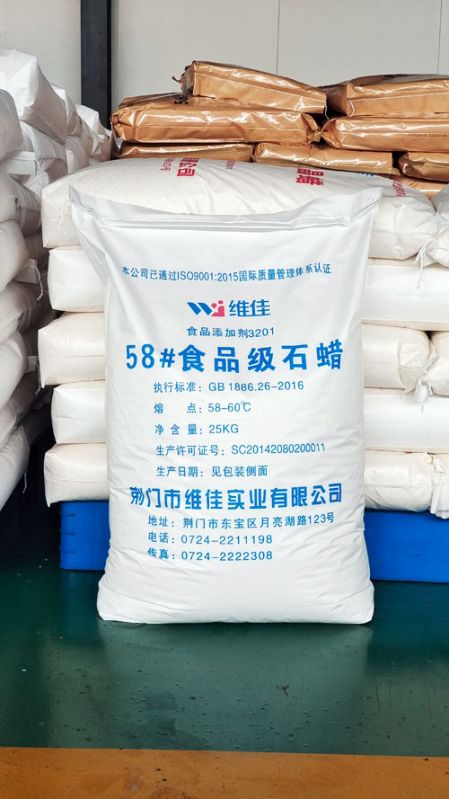
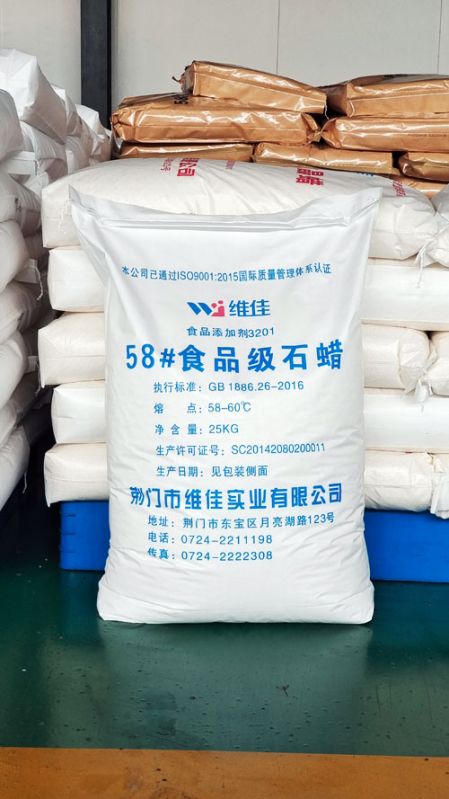
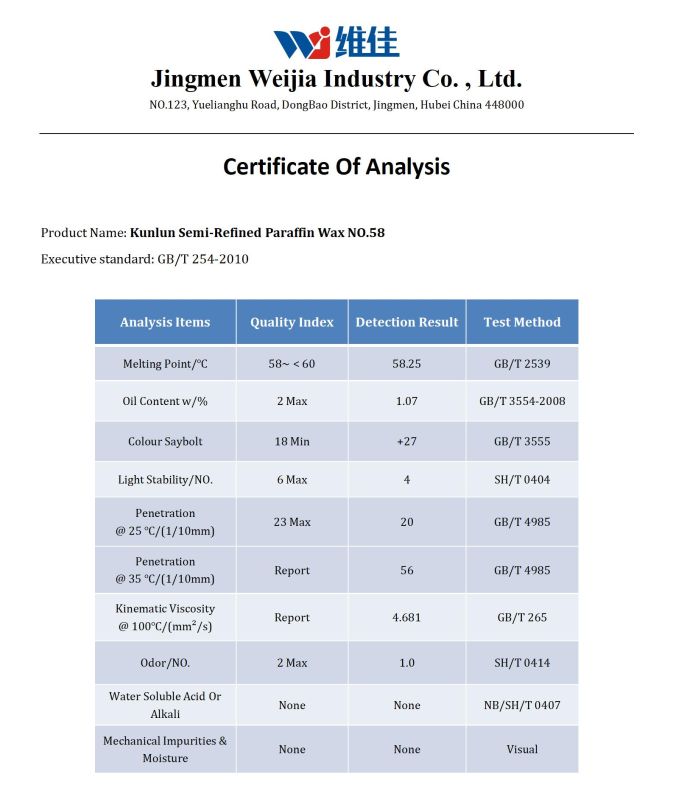
Our company WJWAX mainly sells SINOPEC and KUNLUN brands FRPW and SRPW, with hot sales brands 54, 56, 58, 60, 62, 64, etc. We are a first-tier distributor with a great price advantage. Welcome to inquiry. Semi-Refined Paraffin Wax 58/60 means its melting point is 58 to 60.
Source
Semi-refined paraffin wax is a type of wax that is widely used in various industries, including cosmetics, pharmaceuticals, crayons, food packaging, and candles. It is a by-product of petroleum refining and is derived from the slack wax that is obtained during the production of lubricating oil.
Features
Semi-refined paraffin wax is a white, odorless, and tasteless substance that has a low melting point and a high viscosity. It is composed of long-chain hydrocarbons that make it highly resistant to water and chemicals, which makes it an ideal material for many applications.
Application of Candles
One of the most common uses of semi-refined paraffin wax is in the production of candles. It is an excellent material for making candles because it has a low melting point and a high melting range, which means that it can easily be molded into different shapes and sizes. Additionally, it has a low level of impurities, which makes it burn cleanly and evenly.
Application of Cosmetics
In the cosmetics industry, semi-refined paraffin wax is used in the production of creams, lotions, and other skincare products. It is an excellent emollient that helps to soften and moisturize the skin, and it also has a thickening effect that helps to stabilize the texture of the product.
Application of Packaging
Another industry that uses semi-refined paraffin wax is the food packaging industry. It is commonly used as a coating for fruits and vegetables to help preserve their freshness and extend their shelf life. Additionally, it is used in the production of food packaging materials such as paper and cardboard to provide a moisture barrier that helps to keep the food fresh.
Application of Pharmaceutical
In the pharmaceutical industry, semi-refined paraffin wax is used in the production of ointments and creams. It is an excellent base material that helps to deliver active ingredients to the skin, and it also has a soothing effect that helps to relieve skin irritation and inflammation.
In conclusion, semi-refined paraffin wax is a versatile material that has many applications in various industries. It is an excellent material for making candles, cosmetics, food packaging, and pharmaceuticals.
Additional Information:
Payment Terms : D/P, T/T
Packaging Details : 50KG/BAG
Delivery Time : 15-30 days
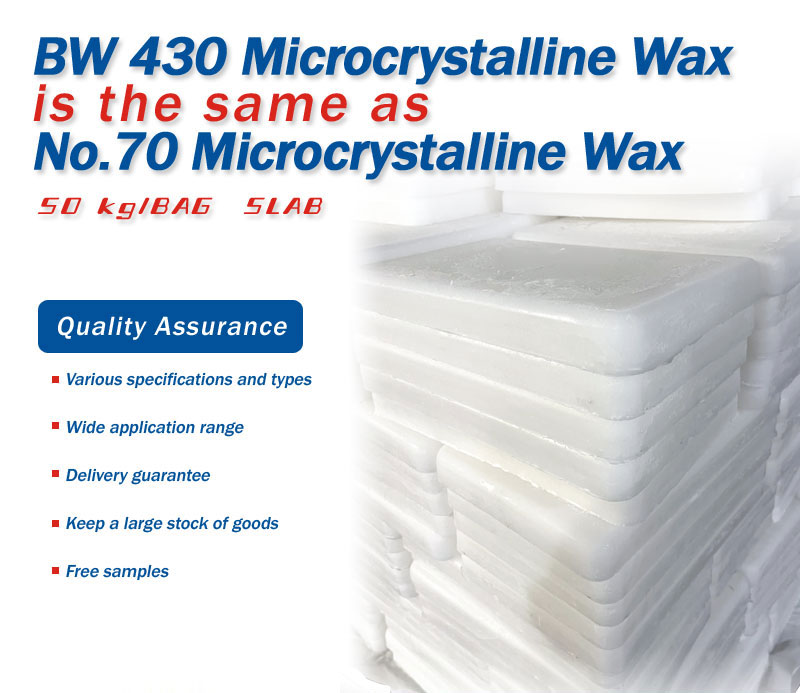
Product Features
Are you looking for BW 430 microcrystalline wax? This white microcrystalline wax is soft, flexible, and has a 160(71) melt point. Its Oil Content (D-721) is 1.5% Max. Needle Penetration (D-1321) 0.1 mm @ 77(25) is 20-30, 0.1 mm @ 100(37.7) is 85-110. The parameters of this BW 430 Microcrystalline wax are the same as those of WJWAXs No.70 microcrystalline wax. If you are looking for a substitute, you can contact us. We are a professional microcrystalline wax production and blending manufacturer in China, providing highly competitive prices.
Product Application
Do you know anything about microcrystalline wax?
Microcrystalline wax is a type of wax that is commonly used in various industries such as cosmetics, pharmaceuticals, and food. It is a petroleum-based wax that is composed of small, crystalline structures that give it unique properties compared to other waxes.
One of the primary characteristics of microcrystalline wax is its high melting point. Unlike other waxes, it does not easily melt at room temperature and requires a higher temperature to liquefy. This property makes it useful in products that require a higher melting point, such as lipsticks, candles, and polishes.
Another advantage of microcrystalline wax is its excellent binding ability. It can hold together a variety of ingredients and bind them into a stable and cohesive mixture. This property makes it an ideal ingredient in many cosmetic products, such as lip balms, lotions, and ointments.
Microcrystalline wax also has a smooth and creamy texture that gives it a luxurious feel. It is often used in the formulation of high-end cosmetics and personal care products that require a smooth and silky finish. It also has a non-greasy feel, which makes it an ideal ingredient in many skin care products.
In the food industry, microcrystalline wax is used as a coating for fruits and vegetables to extend their shelf life. It can also be used as a glazing agent for confectionery and baked goods, as it provides a glossy finish and prevents moisture loss.
In conclusion, microcrystalline wax is a versatile and useful ingredient in various industries. Its unique properties, such as its high melting point and binding ability, make it a popular choice in the formulation of cosmetics, pharmaceuticals, and food products.
Physicochemical Indicators
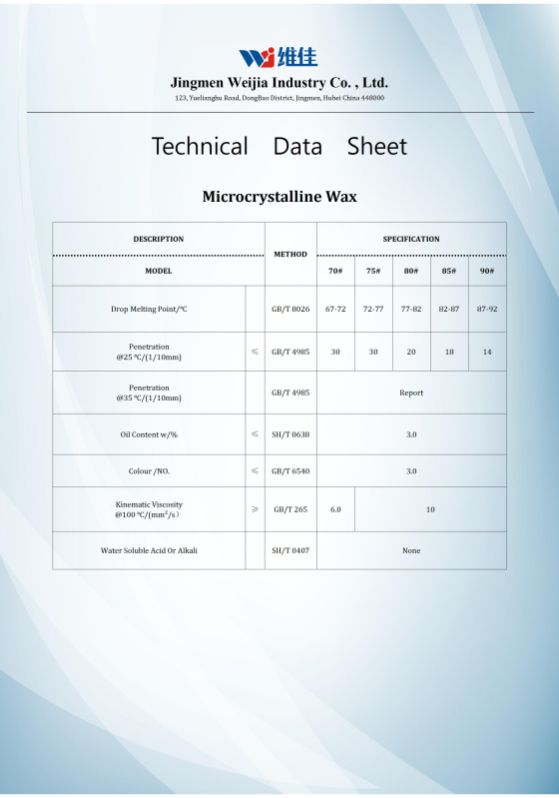
DESCRIPTIONTESTSPECIFICATION OF MICROCRYSTALLINE WAX
#70: Dropping melting point/ is 67-72, Oil content w/% 3.0, Viscosity kinematic (100 )/(mm / s 6.0, Penetration(25)(1/10mm)30
#75: Dropping melting point/ is 72-77, Oil content w/% 3.0, Viscosity kinematic (100 )/(mm / s 10, Penetration(25)(1/10mm)30
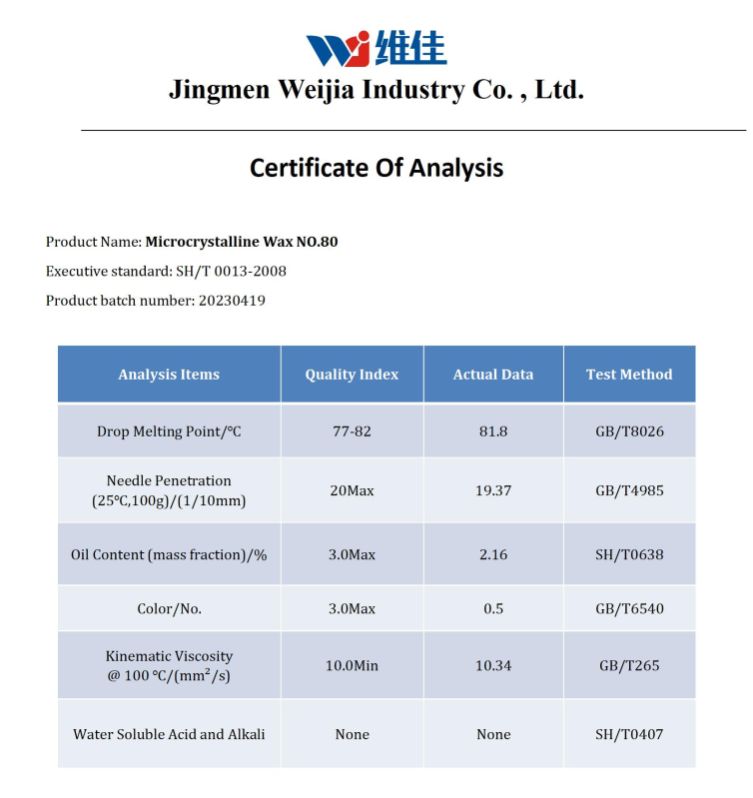
#80:Dropping melting point/ is 77-82, Oil content w/% 3.0, Viscosity kinematic (100 )/(mm / s 10, Penetration(25)(1/10mm)20
#85:Dropping melting point/ is 82-87, Oil content w/% 3.0, Viscosity kinematic (100 )/(mm / s 10, Penetration(25)(1/10mm)18
#90: Dropping melting point/ is 87-92, Oil content w/% 3.0, Viscosity kinematic (100 )/(mm / s 10, Penetration(25)(1/10mm)14
FAQs
What are your main products?
Our main products are divided into three series: Refined paraffin wax, Microcrystalline wax, and Food grade white oil. But our biggest advantage lies in the research and development of food-grade and special waxes (Such as rubber protection wax, automobile chassis anti-rust wax, and poultry hair removal wax).
Are you a factory or trade company?
We are a factory since 2000, after more than 20 years of hard-working, we have developed into a globally integrated enterprise with the production, processing, and sales of wax products and white oil products.
Why did lots of customers choose us?
Good quality, competitive price, and timely delivery time. The most important point is that we have focused on producing special wax for more than 20 years.
Phone: 86+18120383251 (whatsapp&wechat)
E-mail: lane.zheng#wjwax.com (#@)
Additional Information:
Payment Terms : D/P, T/T
Packaging Details : 50KG/BAG or 25KG/BAG
Delivery Time : 7-15 days
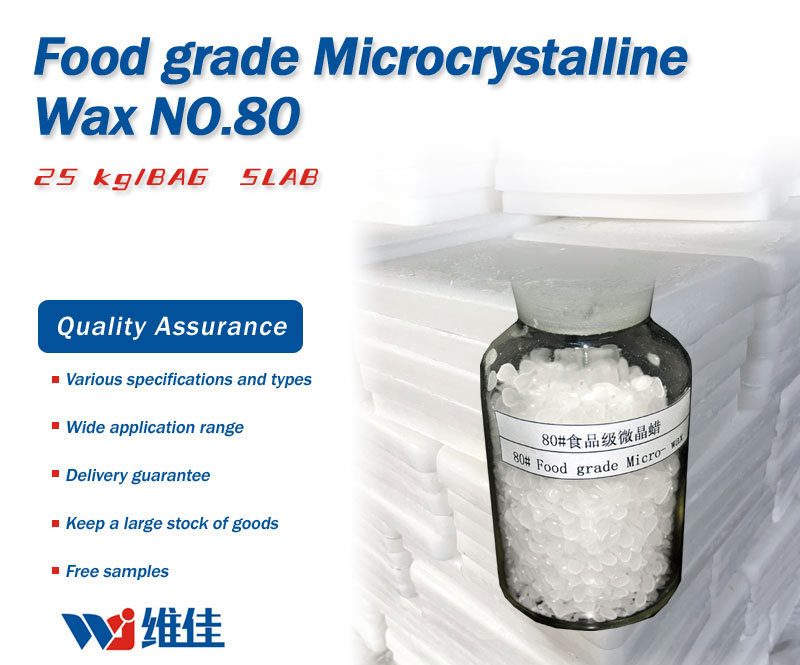
Product Features
Food grade microcrystalline wax is derived from heavy fractions of petroleum or solvent deasphalting oil from vacuum residue, which is then refined, dewaxed, deoiled, and then refined by clay or hydrogenation. This product has a clean white color, good stability, low oil content, and certain toughness, meeting food hygiene requirements.
And Food grade Microcrystalline wax NO.80 refers to its drop melting point is 77 to 82. Due to the moderate melting point of No. 80, it is currently a popular product in the market. If you have purchasing needs, you can contact WJWAX, which is a professional manufacturer.
Product Application
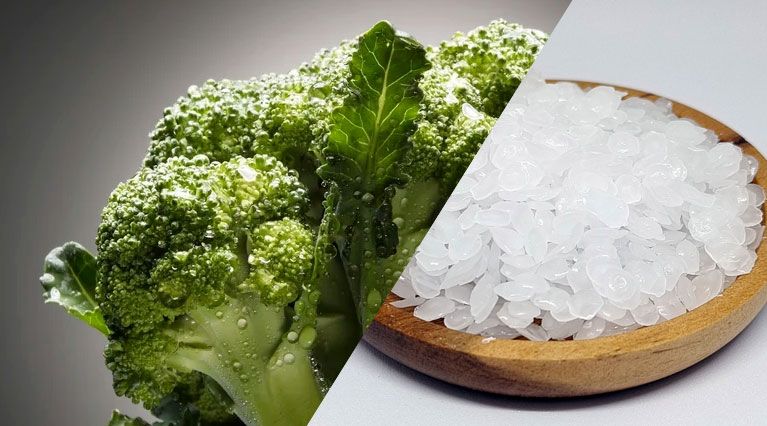
Food grade microcrystalline wax is made from highly refined petroleum-based sources which go through a purification process to remove any impurities that could potentially harm human health. The wax is tasteless, odorless, and has a neutral color, making it an ideal choice for food coating and packaging applications.
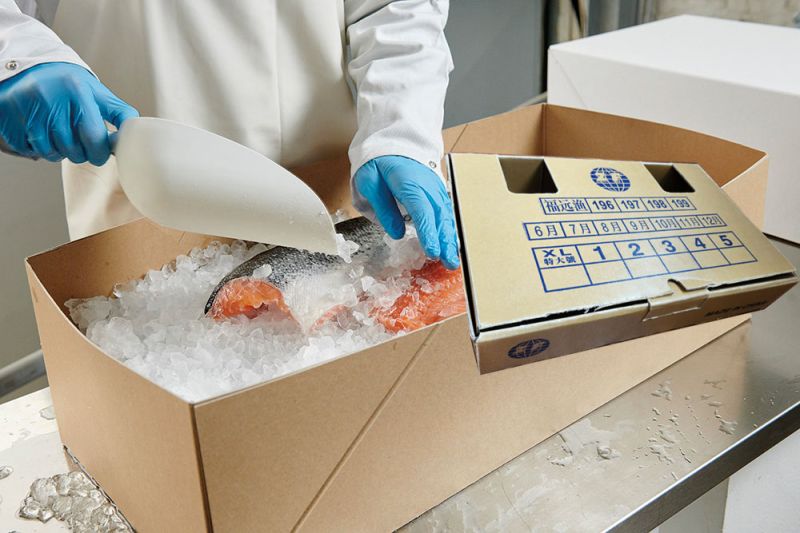
One of the most common uses of food grade microcrystalline wax is as a coating for fresh fruits and vegetables. The wax coating helps to preserve the freshness and appearance of the produce, as it forms a barrier that prevents moisture and oxygen from getting in. It also helps to prevent bruising and damage during transportation, which can result in a longer shelf life for the produce.
Another important use of food grade microcrystalline wax is in the production of chewing gum. The wax serves as a base for the gum, helping to give it its chewiness and preventing it from sticking to the teeth. The wax is tasteless and odorless, ensuring that it does not affect the flavor of the gum.
Food grade microcrystalline wax is also used in the production of confectionery such as candy and chocolate. These products often require a smooth and shiny appearance, which can be achieved through the use of the wax. It is used as a glazing agent, giving the confectionery a glossy finish and helping to prevent it from melting or sticking together.
Apart from food, It is also used in cosmetic and pharmaceutical industries, as a binding agent for tablets, ointments, and creams. In cosmetics, it is used as an emollient, improving the texture and softening properties of beauty products. Food grade micro wax is also used in personal care products such as lipsticks, due to its excellent film-forming properties, which help the product to adhere better to the skin.
In conclusion, food grade microcrystalline wax is an essential ingredient in the food industry, serving a variety of uses such as preserving the freshness of produce, giving confectionery products a smooth finish, and improving the texture of cosmetic products. Its neutral taste and odor make it a popular choice for use in the food industry, and it is considered safe for human consumption when used within the recommended levels.
Physicochemical Indicators
DESCRIPTIONTESTSPECIFICATION O FOOD GRADE MICROCRYSTALLINE WAX
MODEL:
#70: Dropmelting point/is 67-72, Penetration(25)(1/10mm)is not more than 35, Oil Content is not more than 3%, Viscosity kinematic (100 )/(mm/ sis not less than 6.
#75: Dropmelting point/is 72-77, Penetration(25)(1/10mm)is not more than 35, Oil Content is not more than 3%, Viscosity kinematic (100 )/(mm/ sis not less than 10.
#80: Dropmelting point/is 77-82, Penetration(25)(1/10mm)is not more than 30, Oil Content is not more than 3%, Viscosity kinematic (100 )/(mm/ sis not less than 10.
#85: Dropmelting point/is 82-87, Penetration(25)(1/10mm)is not more than 23, Oil Content is not more than 3%, Viscosity kinematic (100 )/(mm/ sis not less than 10.
#90: Dropmelting point/is 87-92, Penetration(25)(1/10mm)is not more than 15, Oil Content is not more than 3%, Viscosity kinematic (100 )/(mm/ sis not less than 10.
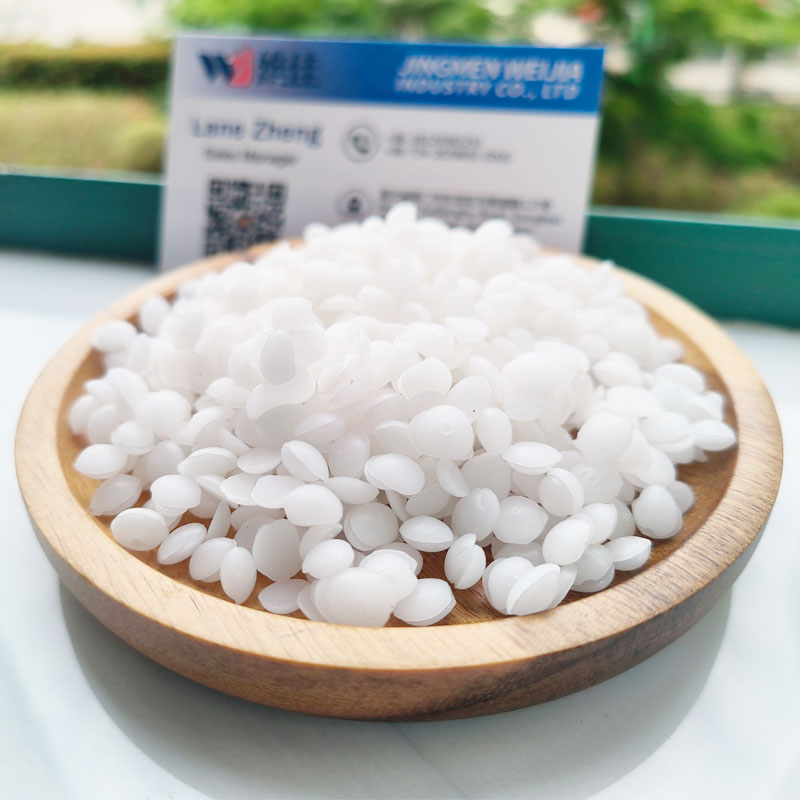
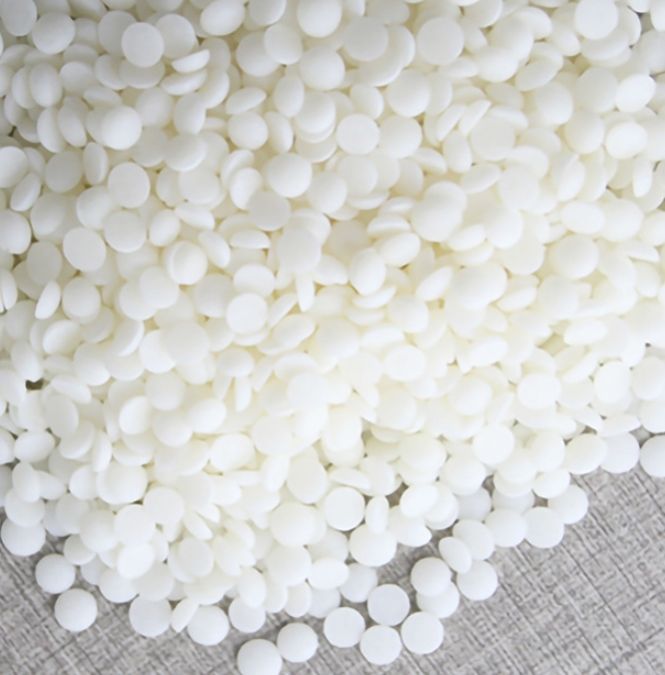
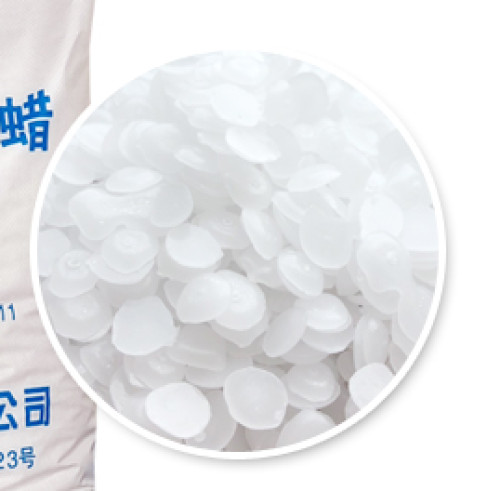
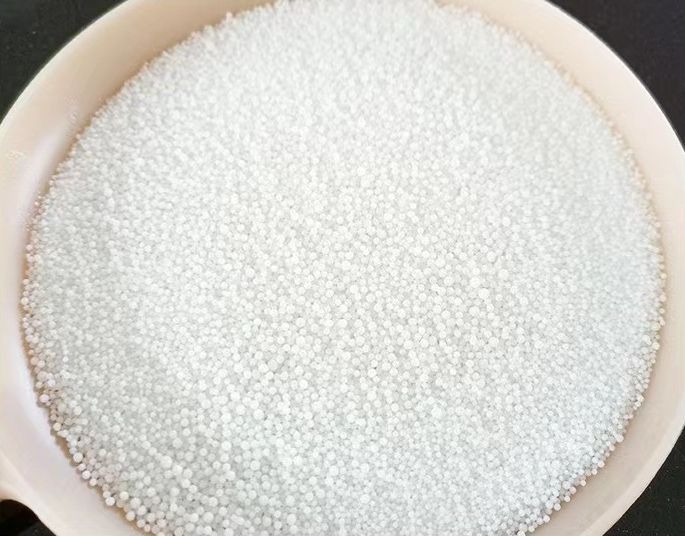
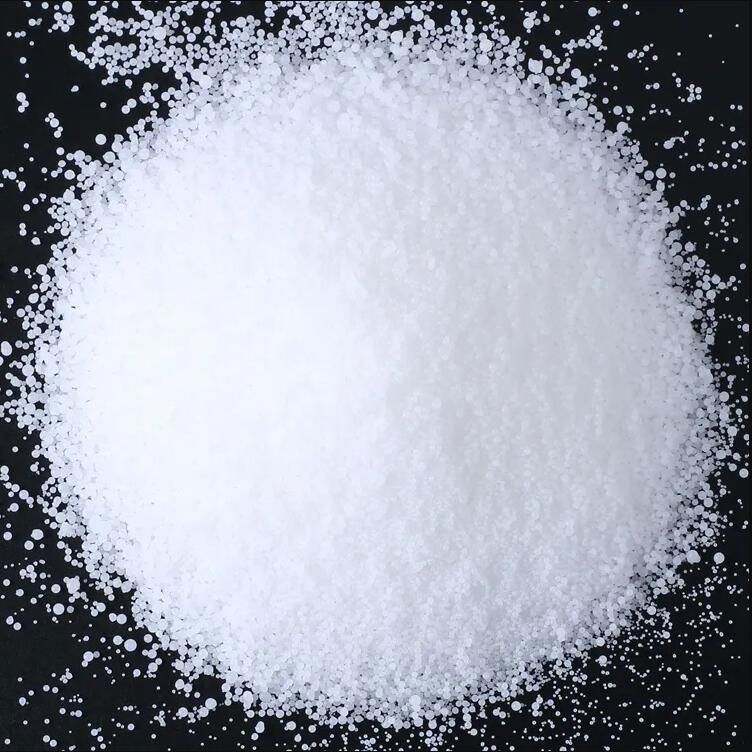
Product form: white pellets
Product packaging:25kg, Kraft Paper Bag
Manufacturer: Contact us to customize the parameters.
Additional Information:
Payment Terms : L/C, D/P
Packaging Details : 25kg/bag
Delivery Time : 15-30 days
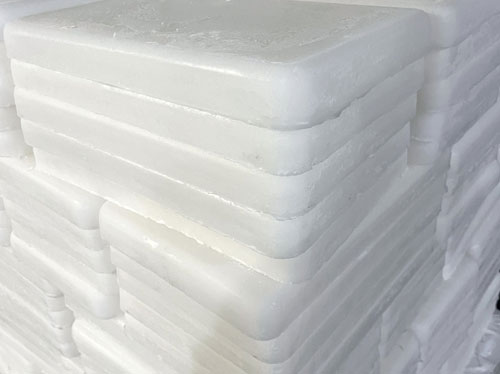
sonneborn microcrystalline wax multiwax
sonneborn microcrystalline wax is currently a popular brand of microcrystalline wax products in the market. such as sonneborn multiwax 180 mh, 180-w, 7545, ml-445-h, w-445, w-835, etc.
wjwax also offers microcrystalline wax products with high melting points and white color, such as popular products such as microcrystalline wax grades 70, 75, and 80(drop melting point is 80). as a professional manufacturer of microcrystalline wax blending in china, we provide comprehensive technical support and after-sales service.
microcrystalline wax is a type of petroleum wax that is composed of small, crystalline structures. it is a byproduct of the refining process of crude oil, and it is commonly used in a wide range of industries due to its unique properties. in this article, we will explore the properties and applications of microcrystalline wax.
properties of microcrystalline wax
1. melting point: microcrystalline wax has a relatively low melting point, typically ranging from 60c to 90c. this makes it ideal for use in products that require a low melting point, such as candles, polishes, and lubricants.
2. consistency: microcrystalline wax has a soft, pliable consistency that makes it easy to work with. it is also highly adhesive, which makes it ideal for use in adhesives and coatings.
3. color: microcrystalline wax is typically white or light yellow in color, although it can be dyed to produce a range of different colors.
4. chemical composition: microcrystalline wax is composed of a complex mixture of hydrocarbons. it contains a high percentage of branched-chain hydrocarbons, which gives it its unique properties.
product application
1. candles: microcrystalline wax is commonly used in the production of candles. it has a low melting point, which allows it to melt easily and produce a smooth, even burn. it is also highly adhesive, which helps to keep the candle wax from cracking or breaking.
2. polishes: microcrystalline wax is commonly used in the production of polishes for furniture, floors, and automobiles. its soft consistency and adhesive properties make it ideal for use in these applications.
3. adhesives: microcrystalline wax is used in the production of adhesives and coatings. its adhesive properties make it ideal for use in these applications, as it helps to improve the bond strength of the adhesive.
4. cosmetics: microcrystalline wax is used in the production of cosmetics, such as lipsticks, eye shadows, and hair care products. its soft consistency and adhesive properties make it ideal for use in these applications.
5. food packaging: microcrystalline wax is used in the production of food packaging materials, such as wax paper and food wrappers. its low melting point and adhesive properties make it ideal for use in these applications, as it helps to keep the food fresh and prevent it from sticking to the packaging.
in conclusion, microcrystalline wax is a versatile material that is used in a wide range of applications. its unique properties, including its low melting point, soft consistency, and adhesive properties, make it ideal for use in a variety of industries. whether you are producing candles, polishes, adhesives, cosmetics, or food packaging materials, microcrystalline wax is a material that you should consider incorporating into your production process.
physicochemical indicators
descriptiontestspecification of microcrystalline wax
#70#75#80#85#90 (model, the following parameters correspond one by one) 62-7272-7777-8282-8787-92 (dropping melting point/)
3030201814 (penetration(25)(1/10mm)
oil content w/%3.0 color/no.3.0
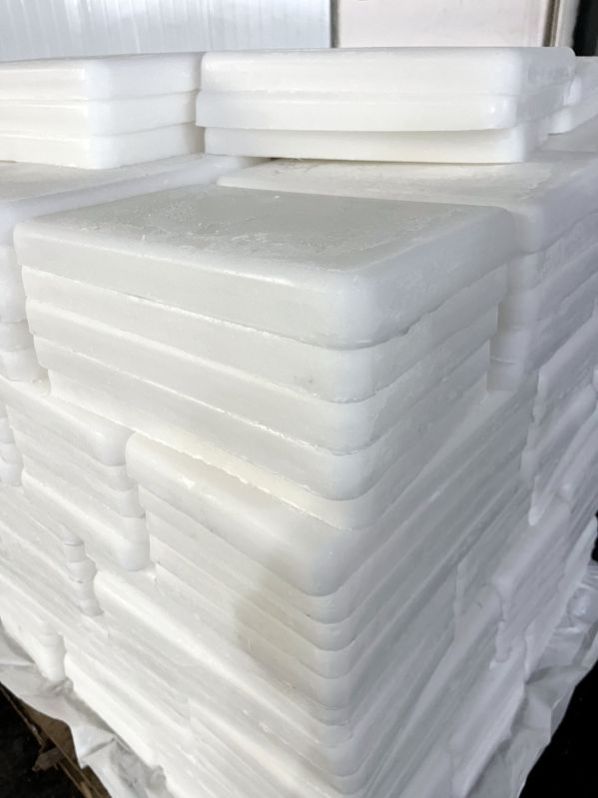
product form: white/light yellow, pellet/slab wax
product packaging50kg/25kg, woven bag
contact us to customize the parameters.
Additional Information:
Payment Terms : D/P, T/T
Packaging Details : 50kg/bag
Delivery Time : 15-30 days
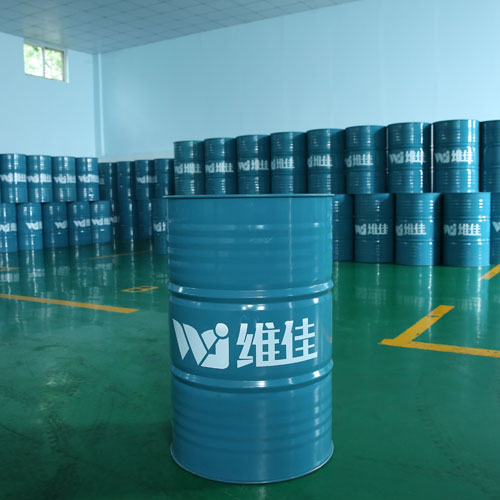
Product Features
Food grade white mineral oil 90 refers to a white oil product with a kinematic viscosity of 90 at 40 (CST). It is currently a popular white oil model product in the market, and WJWAX provides various viscosity white oil products worldwide, including food grade, cosmetic grade, and industrial grade.
Product Application
Food grade white mineral oil is a lubricant used in the food industry. This oil is clear, odorless, and tasteless, which makes it an ideal choice for use in food processing and packaging. It is also known as white mineral oil, liquid paraffin, or liquid petroleum.
Food grade white mineral oil is derived from petroleum and is made of a mixture of hydrocarbons. It is purified and refined to remove impurities and contaminants that may be harmful to human health. This oil is classified as a food additive by the Food and Drug Administration (FDA) and is considered safe for use in food products.
One of the primary uses of food grade white mineral oil is as a lubricant in food processing machinery. It is used to lubricate gears, bearings, and other moving parts in food processing equipment, such as mixers, blenders, and conveyors. This oil helps to reduce friction and wear on the machinery, which can help to extend its lifespan.
Another use of food grade white mineral oil is as a release agent in food packaging. It coats the inside of packaging materials, such as plastic bags and containers, to prevent food from sticking to the surface. This helps to improve the appearance of the food and makes it easier to remove from the packaging.
Food grade white mineral oil is also used as a defoaming agent in food processing. It is added to certain food products, such as beer and vegetable oils, to prevent the formation of foam during processing. This helps to improve the efficiency of the processing equipment and reduces the risk of spills and other accidents.
In conclusion, food grade white mineral oil is an important lubricant and release agent in the food industry. It is used to improve the efficiency of food processing equipment and to prevent food from sticking to packaging materials.
FAQs
What are the benefits of using white oil in the cosmetics industry?
White oil is often used in the cosmetics industry due to its ability to moisturize and soften the skin. It is also non-comedogenic, which means it does not clog pores, making it a popular ingredient in skincare products such as lotions, creams, and balms.
Is white oil safe for use in the medical industry?
Yes, white oil is considered safe for use in the medical industry due to its purity and lack of impurities. It is commonly used as a lubricant in medical devices and procedures, such as catheters and endoscopes.
What are your main products?
Our main products are divided into three series: Refined paraffin wax, Microcrystalline wax, and Food grade white oil. But our biggest advantage lies in the research and development of food-grade and special waxes.
Author: Lane
I work for Jingmen Weijia Industry Co., Ltd. (abbr.WJWAX) as a foreign trade manager. WJWAX mainly produces and sells microcrystalline wax, special wax, paraffin wax, white oil, etc, which are classified into industrial /cosmetic/food grade.
Additional Information:
Payment Terms : D/P, T/T
Packaging Details : 850kg/IBC, 165KG/DRUM
Delivery Time : 15-30 days


special compound wax for emulsion explosive
product features
special compound wax for dynamite (explosive) is made from waxy fractions of different distillation ranges or compounded with emulsifying aids, thickeners, etc. specifically, the explosive compound wax produced by our company is a product of petroleum products such as petroleum wax, petroleum jelly, engine oil, etc., mixed according to different components and proportions, and its appearance is a brown waxy solid. the product is applicable to civil blasting and other industries. our company produces in strict accordance with the chinese industry standard sh/t 0807-2008.
product application
explosives composite wax is specially used in the manufacture of industrial emulsion explosives.
explosives are commonly used in various industries such as mining, construction, and demolition. one of the most commonly used explosives is emulsion explosive, which is a mixture of oxidizer, fuel, and water. emulsion explosives are preferred over other types of explosives because they are safer to handle and transport, and they can be tailored to suit specific blasting needs. however, to ensure optimal performance, emulsion explosives require a special compound wax.
special compound wax is an essential component of emulsion explosives. it is added to the emulsion to improve its water resistance, stability, and sensitivity. the wax helps to prevent the emulsion from breaking down when exposed to water, which is important because emulsion explosives are often used in wet conditions. the wax also improves the stability of the emulsion, preventing it from separating or settling during storage or transportation. additionally, the wax increases the sensitivity of the emulsion, making it easier to detonate.
the properties of special compound wax make it an ideal ingredient for emulsion explosives. the wax is typically a blend of paraffin wax, microcrystalline wax, and other additives. these waxes have a low melting point, which allows them to blend easily with the emulsion. they also have a high viscosity, which means they are resistant to flow and can help to keep the emulsion in place. the additives in the wax can include surfactants, antioxidants, and other compounds that improve the performance of the emulsion.
special compound wax is typically added to the emulsion at a rate of 1-3% by weight. the exact amount of wax required will depend on the specific application and the properties of the emulsion. the wax is usually added during the manufacturing process of the emulsion, but it can also be added in the field if necessary.
in conclusion, special compound wax is a critical component of emulsion explosives. it provides water resistance, stability, and sensitivity to the emulsion, ensuring optimal performance in various blasting applications. the use of special compound wax has revolutionized the use of emulsion explosives, making them safer and more effective than ever before.
faqs
besides the special composite wax for explosives, are there any other special waxes?
of course, there are, such as rubber protective wax, poultry hair removal wax, electronic wax, and automobile chassis anti-rust wax. if your industry needs special wax, you can contact us for customization.
can we get your free samples?
yes, you can. our samples are only free for the customer to confirm the order. but the freight express is on the buyers account. if subsequent cooperation is reached, the express fee can be supplemented for you.
who are you?
i am a foreign trade salesman from china wjwax company. our company mainly sells all kinds of fully refined and semi-refined paraffin wax, microcrystalline wax, food-grade paraffin wax and microcrystalline wax, industrial white oil, and food-grade white oil, as well as all kinds of special waxes.

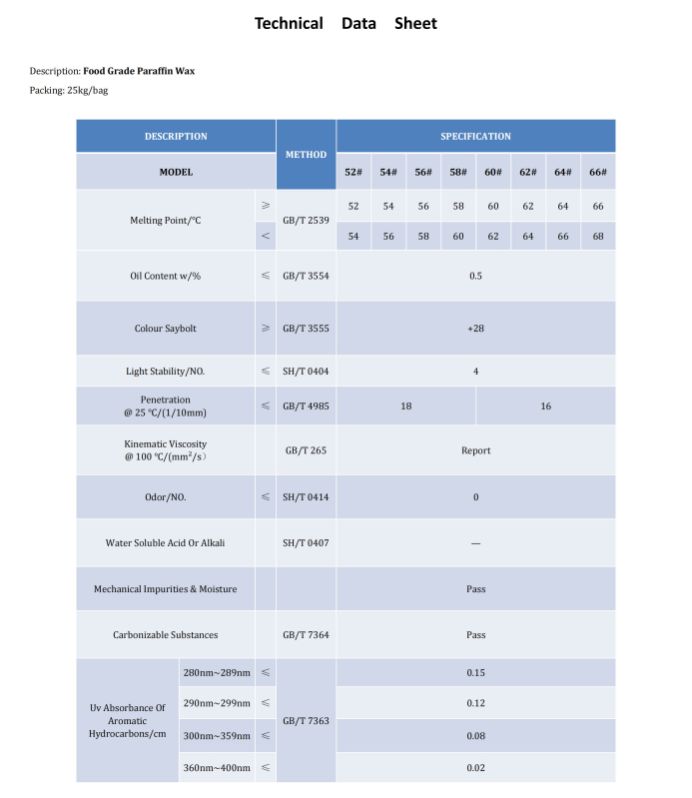
food additive paraffin wax edible grade
product features
paraffin wax is divided into industrial grade and food grade. the food additive paraffin wax is obtained by using oil-containing wax as raw material, sweating or solvent deoiling, and then hydrotreating or clay refining. the molecular formula is cnh2n+2 (18n32), and the relative molecular weight is 254-450.
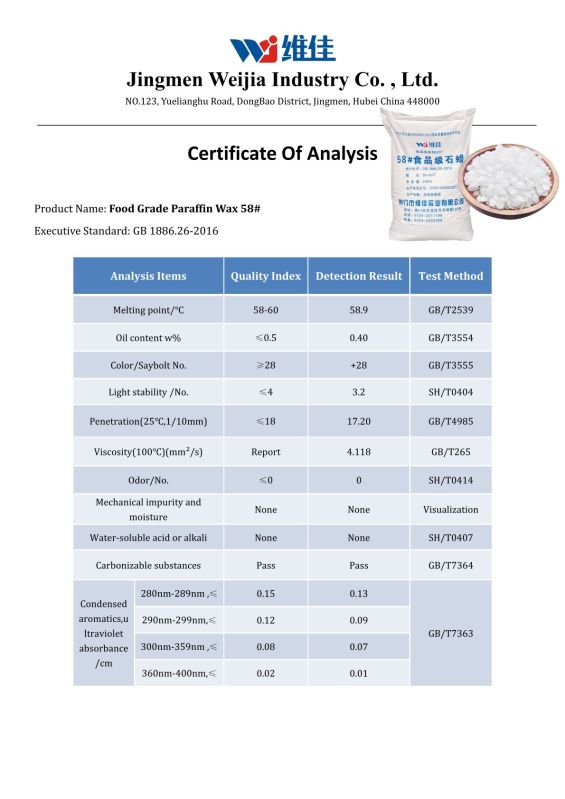
the current standard number is china national food safety standard gb 1886.26-2016. food-grade paraffin is white and translucent, almost odorless, has good stability, low oil content, and has a certain toughness, which meets the requirements of food hygiene.
as paraffin products are by-products of petroleum crude oil, there may be other impurities, such as polycyclic aromatic hydrocarbons (pah), heavy metals, etc. therefore, the food industry stipulates that the paraffin used in food must be food-grade paraffin.
product application
paraffin wax has many uses in the food industry. chinas food additive standard gb2760 stipulates that:
paraffin wax can be used as a food processing aid for potato chips, oil, candy, and grain processing, mainly as a defoamer or release agent.
paraffin can also be used as a basic substance in chewing gum.
in addition, paraffin can also be used as a coating on the surface of fresh eggs, which has the function of preventing insects and ash. it can also be used as a preservative film coating for vegetables and fruits. it is also known as food glazing.
in food packaging, paraffin can be used as an impregnating wax for containers and packaging materials in contact with food, mainly playing a waterproof role. such as wine bottle sealing wax and medicine bottle sealing wax.
physicochemical indicators
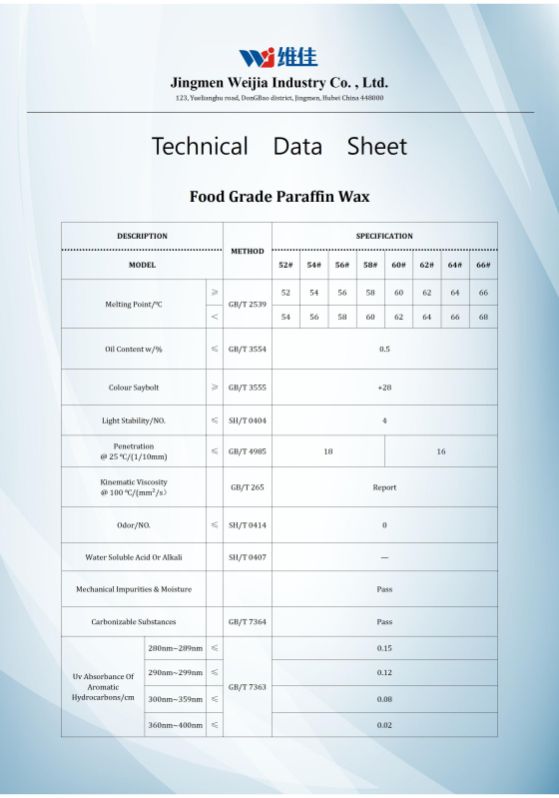
description test specification of food grade paraffin wax
| description | method | specification | |||||||||
| model | 52# | 54# | 56# | 58# | 60# | 62# | 64# | 66# | |||
| melting point/ |
| gb/t 2539 | 52 | 54 | 56 | 58 | 60 | 62 | 64 | 66 | |
|
| 54 | 56 | 58 | 60 | 62 | 64 | 66 | 68 | |||
| oil content w/% |
| gb/t 3554 | 0.5 | ||||||||
| colour saybolt |
| gb/t 3555 | +28 | ||||||||
| light stability/no. |
| sh/t 0404 | 4 | ||||||||
| penetration |
| gb/t 4985 | 18 | 16 | |||||||
| kinematicviscosity |
| gb/t 265 | report | ||||||||
| odor/no. |
| sh/t 0414 | 0 | ||||||||
| water soluble acid or alkali |
| sh/t 0407 |
| ||||||||
| mechanical impurities & moisture |
|
| pass | ||||||||
| carbonizable substances |
| gb/t 7364 | pass | ||||||||
| uv absorbance of aromatic hydrocarbons/cm | 280nm289nm |
| gb/t 7363 | 0.15 | |||||||
| 290nm299nm |
| 0.12 | |||||||||
| 300nm359nm |
| 0.08 | |||||||||
| 360nm400nm |
| 0.02 | |||||||||
the product forms: white pellet, white slab
product packaging:50kg/25kg, woven bag
contact us (jingmen weijia industry co., ltd) to customize the parameters.
faqs
how do you control the quality of the product?
our products have been certificated by nsf, fda, halal, kosher certification, and iso international standards. and pre-shipment inspection for quality checking should be arranged.
how is the food additive paraffin produced?
the food additive paraffin wax is derived by using oil-containing wax as raw material, sweating or solvent deoiling, and then hydrotreating or clay refining. the molecular formula is cnh2n+2 (18 n 32), and the relative molecular weight is 254-450 (on the basis of the 2007 international relative atomic mass). the food additive paraffin made by our company is produced in strict accordance with the current chinese standard gb 1886.26-2016.
Additional Information:
Payment Terms : T/T
Packaging Details : 25kg/bag
Delivery Time : 15-30 days


product features
the melting point of microcrystalline wax no.80 is 77-82, it is currently a popular microcrystalline wax model and can be applied to various industries. wjwax produces and provides various grades of microcrystalline wax products, both food grade and industrial grade. microcrystalline wax is a type of wax that is commonly used in various industries. it is a refined petroleum product that is made up of a mixture of hydrocarbons. this type of wax is known for its unique properties and its ability to be used in a wide range of applications.
properties of microcrystalline wax
microcrystalline wax has a number of properties that make it ideal for use in various industries. one of the most notable properties of this type of wax is its high melting point. microcrystalline wax has a melting point that ranges from 60c to 90c, which makes it a great choice for applications that require high heat resistance.
another important property of microcrystalline wax is its flexibility. this type of wax is highly flexible and can be easily molded into various shapes. this makes it a popular choice for applications such as candle making, where the wax needs to be molded into different shapes and sizes.
in addition to its high melting point and flexibility, microcrystalline wax is also known for its water resistance. this makes it an ideal choice for use in products that are exposed to water or other liquids, such as cosmetics and personal care products.
applications of microcrystalline wax
microcrystalline wax is used in a wide range of industries, including cosmetics, personal care, pharmaceuticals, and food. in the cosmetics industry, microcrystalline wax is used in products such as lipsticks, lip balms, and body lotions. its high melting point and water resistance make it an ideal choice for these types of products.
in the personal care industry, microcrystalline wax is used in hair care products such as hair styling waxes and pomades. its flexibility and ability to hold shape make it a popular choice for these types of products.
in the pharmaceutical industry, microcrystalline wax is used as an ingredient in various medications and ointments. its water resistance and high melting point make it ideal for use in these types of products.
finally, microcrystalline wax is also used in the food industry as a coating for fruits and vegetables. its water resistance and ability to prevent moisture loss make it a popular choice for this application.
product form: white/light yellow, pellet/slab wax
product packaging: 50kg/25kg, woven bag
manufacturer: contact us to customize the parameters.
faqs
what is microcrystalline wax?
microcrystalline wax is a type of wax that is derived from petroleum and has a higher melting point than other waxes, making it ideal for use in various industries.
what are the uses of microcrystalline wax?
microcrystalline wax is used in a variety of applications such as cosmetics, pharmaceuticals, food, and industrial products. it is commonly used as a binding agent, thickener, and emollient in cosmetics and personal care products. it is also used in food products as a glazing agent and in pharmaceuticals as a coating agent.
how is microcrystalline wax different from other waxes?
microcrystalline wax has a higher melting point and is more resistant to temperature changes than other waxes. it also has a smaller crystal size, which makes it more flexible and easier to work with. additionally, it has a higher molecular weight and a lower percentage of volatile components, making it more stable and less likely to evaporate.
author: lane
i work for jingmen weijia industry co., ltd. (abbr.wjwax) as a foreign trade manager. wjwax mainly produces and sells microcrystalline wax, special wax, paraffin wax, white oil, etc, which are classified into industrial /cosmetic/food grade.
Additional Information:
Payment Terms : T/T
Packaging Details : 25kg/bag
Delivery Time : 15-30 days

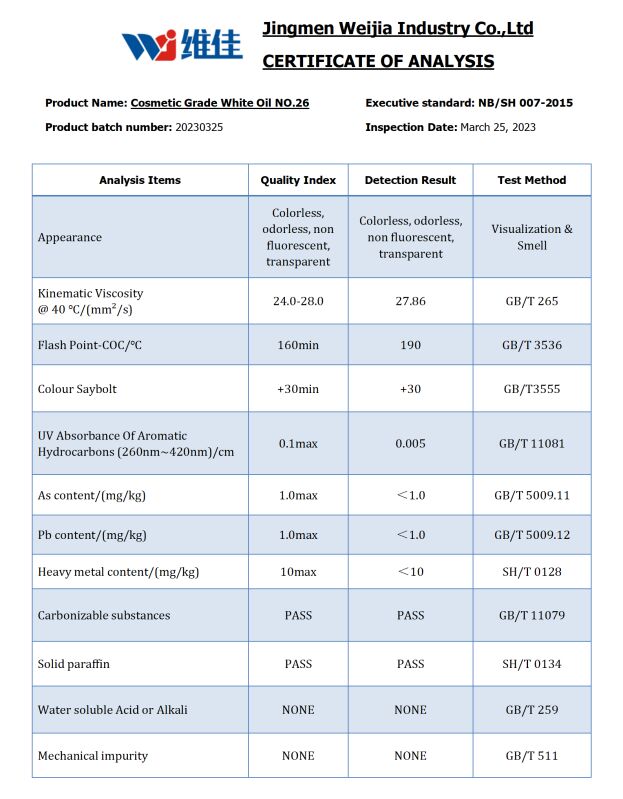
Cosmetic Grade White Oil- Mineral Paraffin Oil
Product Features
Cosmetic-grade white oil is a white mineral oil used in the cosmetics industry. It is a mineral oil obtained after deep refining of the petroleum lubricating oil distillate. It is colorless, tasteless, chemically inert, and has good light stability. The heavy metal content, lead content, and arsenic content of the cosmetic grade white oil obtained after the second and third hydrotreating meets the relevant standards of the national cosmetic grade white oil.
The basic composition of white oil is a saturated hydrocarbon structure, and aromatic hydrocarbon, nitrogen, oxygen, sulfur, and other substances are close to zero. In terms of performance, cosmetic-grade white oil has good yellowing resistance, oxidation resistance, and good viscosity-temperature performance, which is suitable for the cosmetics industry.
Product Application
White oil, as an oily substance in basic cosmetics, can form an oil film on the skin. In addition to its smooth feeling, it can also prevent the evaporation of skin moisture due to the barrier effect. It can moisturize, nourish and moisturize the skin and hair, soften the skin and hair, and can be used as a sealing agent for moisturizing products.
Mainly used for production:
Skin and hair care products
Emollient oil
Sunscreen lotion
sunscreen
Snowflake frost
Humectant
Cold frost
Hair cream
Pomade
Bath oil
Scalp oil
Shaving cream
Bath solution
Baby oil
conditioner
Toothpaste
The base oil of ointment
Neutral and protective diluents for cosmetic ingredients
Lubrication of cosmetics production machinery
Release agent for a cosmetic packaging container
The amount of white oil used in cream products is generally 2% 12%, and the amount used in sunscreen, hair oil, and other products is higher, up to about 80%.
Product packaging: 160-170 kg/drum
Product form: Transparent liquid
Contact us to customize parameters.
People Also Ask
1. What is Cosmetic Grade White Oil?
Cosmetic Grade White Oil is a highly refined mineral oil that is used in the manufacturing of cosmetic products, personal care products, and pharmaceuticals. It is colorless, odorless, and tasteless and has a smooth and silky texture.
2. What are the benefits of using Cosmetic Grade White Oil?
Cosmetic Grade White Oil is a versatile ingredient that offers several benefits. It helps to moisturize and protect the skin by forming a barrier that prevents moisture loss. It also has emollient properties that make the skin feel soft and smooth. Additionally, it is non-comedogenic, which means it does not clog pores, making it ideal for use in acne-prone skin.
3. How is Cosmetic Grade White Oil different from other types of mineral oil?
Cosmetic Grade White Oil is different from other types of mineral oil because it is highly refined and purified. It undergoes a rigorous process of distillation and filtration to remove any impurities and contaminants. This makes it safe for use in cosmetic and personal care products. Other types of mineral oil, such as industrial-grade mineral oil, may contain impurities that can be harmful to the skin.
Additional Information:
Payment Terms : T/T
Packaging Details : 165KG/DRUM, 850KG/IBC
Delivery Time : 15-30 days
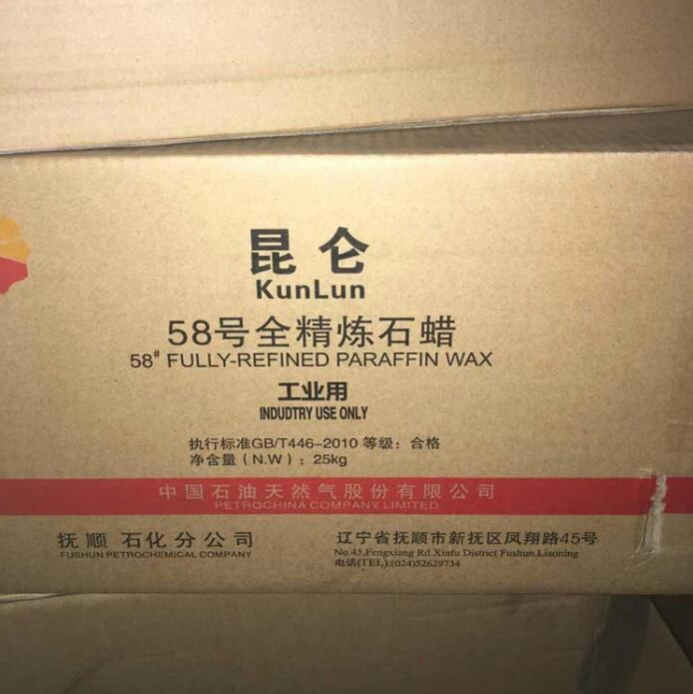
Kunlun Fully Refined Paraffin Wax 58/60
Product Features
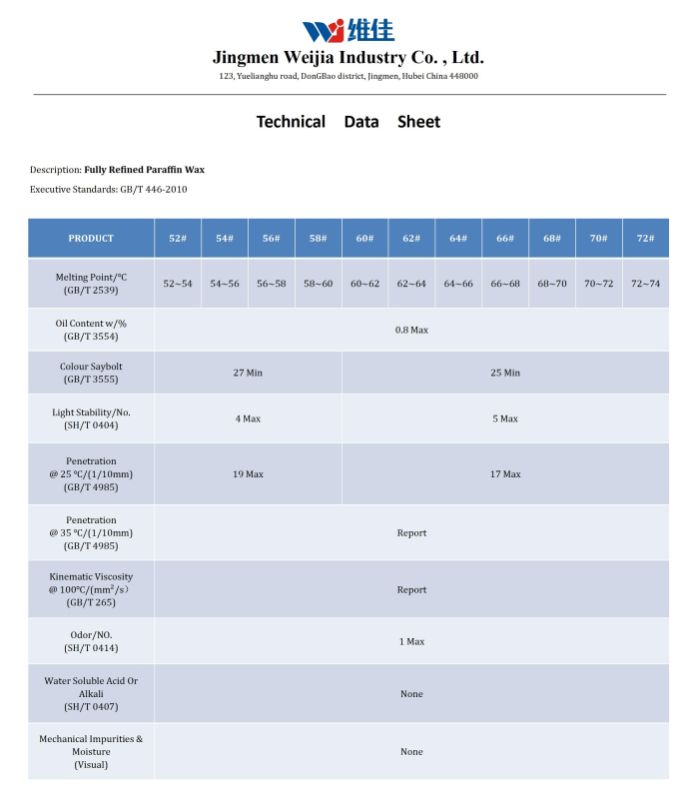
Kunlun Fully Refined Paraffin Wax 58/60 is the same as the Fully Refined Paraffin Wax 58/60 produced by SINOPEC, mainly with the same melting point(58-60), needle penetration, and other parameters. However, SINOPECs production capacity this year is very sufficient. If you need to purchase fully refined paraffin, you can contact us. We are the first-tier distributor of the SINOPEC Jingmen Branch.
Fully refined paraffin wax is a type of wax that is widely used in a variety of industries due to its excellent properties. It is a white or colorless solid that is derived from petroleum and is composed of hydrocarbons with a molecular weight between 18 and 40. Fully refined paraffin wax is produced by a refining process that involves removing impurities and refining the wax to a high degree of purity.
Characteristics of Fully Refined Paraffin Wax:
1. Odorless and tasteless: Fully refined paraffin wax is odorless and tasteless, making it ideal for use in food products, cosmetics, and pharmaceuticals.
2. Softening point: It has a softening point between 130F to 160F, which makes it suitable for use in candles, as it melts at a low temperature.
3. Low oil content: Fully refined paraffin wax has a low oil content, which makes it less greasy and more stable than other waxes.
4. High melting point: It has a high melting point of around 60C to 70C, which makes it suitable for use in hot-melt adhesives, coatings, and other industrial applications.
5. Good electrical insulator: Fully refined paraffin wax is a good electrical insulator, which makes it ideal for use in electrical and electronic applications.
Applications of Kunlun Fully Refined Paraffin Wax:
1. Candle making: Fully refined paraffin wax is often used in the production of candles due to its low melting point and excellent burning properties.
2. Cosmetics and personal care products: It is used in the production of cosmetics and personal care products, such as lipsticks, hair wax, and moisturizers.
3. Pharmaceuticals: Fully refined paraffin wax is used as a coating for tablets and capsules to improve their stability and control the release of active ingredients.
4. Food industry: Fully refined paraffin wax is used as a coating for fruits and vegetables to extend their shelf life and prevent moisture loss.
5. Electrical and electronic applications: Fully refined paraffin wax is used as an insulator in electrical and electronic applications, such as transformers, capacitors, and cables.
In conclusion, fully refined paraffin wax is a versatile and widely used wax in various industries due to its excellent properties. Its odorless and tasteless nature, softening point, low oil content, high melting point, and good electrical insulator make it an ideal choice for a variety of applications.
Product packaging: 50kg, woven bag
Product form: white translucent, slab
FAQ:
Does your company produce paraffin?
Our companys paraffin products, such as fully refined paraffin and semi-refined paraffin, are all products of the Sinopec Jingmen Branch. We are a first-class distributor and have a great price advantage.
What is the most advantageous product produced by our company?
Food grade paraffin wax, microcrystalline wax, white oil, and special wax series.
Author: Lane
I work for Jingmen Weijia Industry Co., Ltd. (abbr.WJWAX) as a foreign trade manager. WJWAX mainly produces and sells microcrystalline wax, special wax, paraffin wax, white oil, etc, which are classified into industrial /cosmetic/food grade.
Additional Information:
Payment Terms : T/T
Packaging Details : 50kg/bag
Delivery Time : 15-30 days


Product Features
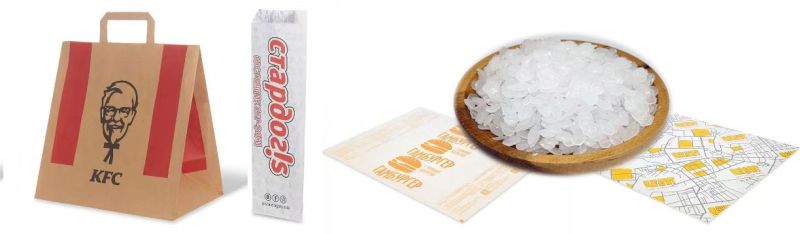
The use of food grade microcrystalline wax: gummy gum based chewing material; Protective layer; Glazing agent; Defoamer. Waxing, moisture-proof, oil-proof, and anti-sticking of food packaging paper.
Food Grade Microcrystalline Wax for Candy: A Safe and Effective Solution
Candy making is a delicate process that requires precision and attention to detail. From the right ingredients to the right equipment, everything has to be just right to ensure that the final product is perfect. One important ingredient that plays a crucial role in candy making is microcrystalline wax. This food grade wax is used to create a smooth and shiny surface on candies, as well as to prevent them from sticking together. In this article, we will explore the benefits of using food grade microcrystalline wax for candy making.
What is Microcrystalline Wax?
Microcrystalline wax is a type of wax that is produced from the refining of crude oil. It is a mixture of long-chain hydrocarbons that have been processed to create a smooth and consistent texture. Unlike other waxes, microcrystalline wax has a higher melting point, making it ideal for use in food products that require high-temperature processing. It is also odorless, tasteless, and colorless, making it an ideal ingredient for use in food products.
Product Application
Why Use Food Grade Microcrystalline Wax for Candy?
Food grade microcrystalline wax is a safe and effective solution for candy making. It is approved by the FDA for use in food products, and it has been extensively tested to ensure that it is safe for consumption. Some of the benefits of using food grade microcrystalline wax for candy making include:
1. Smooth and Shiny Surface
One of the main benefits of using microcrystalline wax in candy making is that it creates a smooth and shiny surface on the candies. This is particularly important for candies that are sold in stores, as a smooth and shiny surface is more appealing to consumers.
2. Prevents Sticking
Microcrystalline wax is also used to prevent candies from sticking together. This is particularly important for candies that are stored in bags or containers, as it helps to ensure that each piece is separate and distinct.
3. High Melting Point
Microcrystalline wax has a higher melting point than other waxes, making it ideal for use in candies that require high-temperature processing. This ensures that the wax does not melt or break down during the candy-making process.
4. Odorless and Tasteless
Microcrystalline wax is odorless and tasteless, which means that it does not affect the flavor or aroma of the candies. This is particularly important for candies that have a delicate flavor profile.
How to Use Microcrystalline Wax for Candy Making?
Microcrystalline wax is typically added to the candy mixture during the cooking process. It is important to follow the manufacturers instructions for the specific product being used, as the amount of wax required may vary depending on the recipe. It is also important to ensure that the wax is fully melted and incorporated into the candy mixture before pouring it into molds or shaping it into candies.
In Conclusion
Food grade microcrystalline wax is a safe and effective solution for candy making. It is approved by the FDA for use in food products, and it has been extensively tested to ensure that it is safe for consumption. Its smooth and shiny surface, ability to prevent sticking, high melting point, and odorless and tasteless qualities make it an ideal ingredient for use in candy making. If you are looking to create the perfect candies, consider using food grade microcrystalline wax as part of your recipe.
Product form: white pellets
Product packaging: 25kg, Kraft Paper Bag
Manufacturer: Contact us to customize the parameters.
Additional Information:
Payment Terms : T/T
Packaging Details : 25KG/BAG, WHITE PELLETS
Delivery Time : 15-30 days
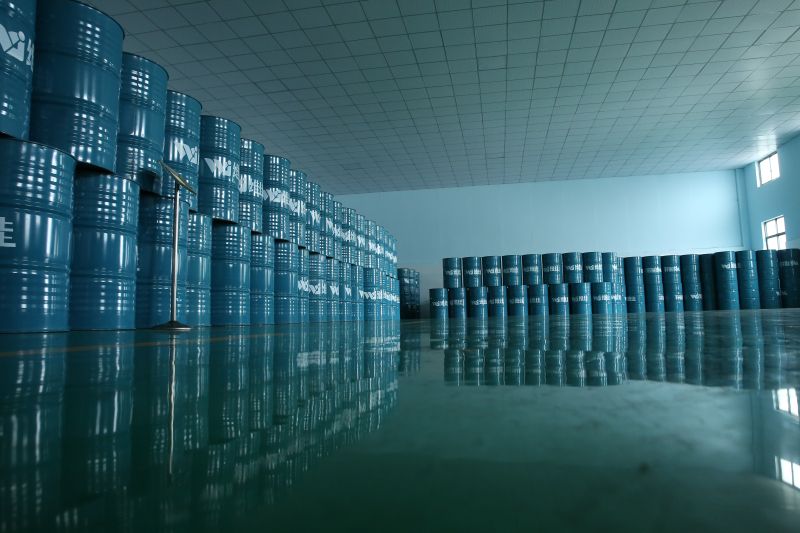
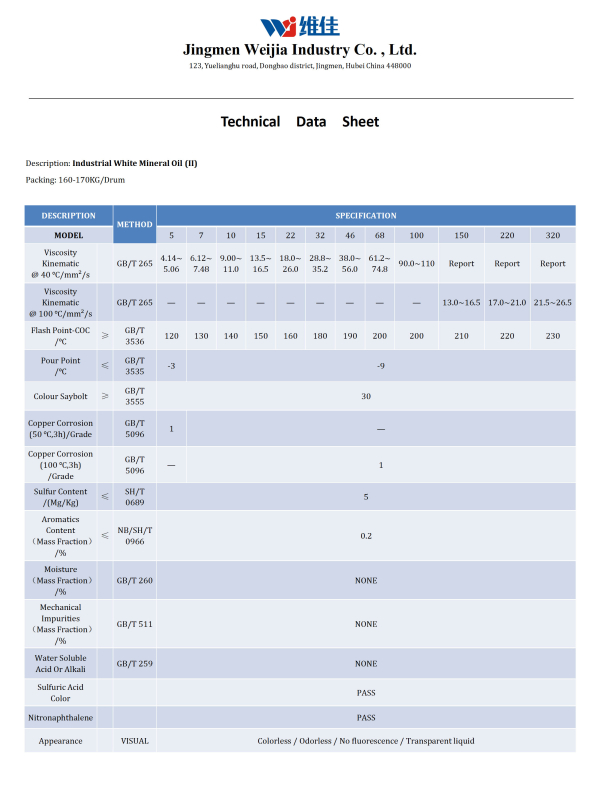
Industrial White Oil for Defoamer of Water-based Auxiliary Coatings
White oil is a versatile and effective defoamer for water-based auxiliary coatings. It is a clear, odorless, and tasteless liquid that is derived from petroleum. White oil is commonly used in the pharmaceutical, cosmetic, and food industries as a lubricant, emollient, and carrier oil. However, its excellent defoaming properties make it an ideal additive for water-based coatings.
Water-based coatings are widely used in various industries due to their low VOC emissions, low odor, and easy cleanup. However, they are prone to foaming during the application process, which can cause defects such as pinholes, craters, and fisheyes. Foaming can also reduce the efficiency of the coating and affect its appearance and performance. To prevent foaming, defoamers are added to the coating formulation.
Product Application
White oil is an effective defoamer for water-based coatings due to its low surface tension and high spreading ability. It can quickly spread over the foam surface and break the foam bubbles, releasing the entrapped air. White oil is also compatible with most water-based coatings and does not affect their properties or stability. It can be added at any stage of the coating process, from the formulation to the application.
The amount of white oil needed for defoaming depends on the type and severity of the foam, as well as the coating formulation. Typically, a dosage of 0.1-1% of white oil based on the total weight of the coating is sufficient to control foam. Overdosing can lead to surface defects such as craters and fish eyes, so it is important to follow the recommended dosage.
White oil is also a safe and eco-friendly defoamer for water-based coatings. It is non-toxic, biodegradable, and does not contain volatile organic compounds (VOCs) or hazardous air pollutants (HAPs). It is also easy to handle and store, as it does not require any special equipment or storage conditions.
In conclusion, white oil is an excellent defoamer for water-based auxiliary coatings. Its low surface tension, high spreading ability, and compatibility with most coatings make it an effective and versatile additive. Its safety and eco-friendliness also make it a preferred choice for many industries. If you are looking for a reliable defoamer for your water-based coatings, consider using white oil.
FAQs
1What are the types of white oil?
White oil, also known as paraffin oil, white oil, and mineral oil, is a technology-intensive product that is a complex mixture of hydrocarbons. Oil testing agencies classify white oil into industrial white oil, cosmetic grade white oil, food grade white oil, and medical grade white oil based on its use and refining technology.
2What are the important indicators of white oil?
Viscosity is one of the important indicators of white oil. Oil testing agencies recommend selecting white oil with the correct viscosity to ensure the full utilization of resources. Different kinematic viscosities have different uses. The greater the kinematic viscosity of white oil, the better the plugging effect. Oil with high viscosity is thicker, with high internal friction resistance and poor fluidity. The sealing effect of lubricating grease is relatively good.
Additional Information:
Payment Terms : T/T
Packaging Details : 165KG/DRUM, 850KG/IBC
Delivery Time : 15-30 days
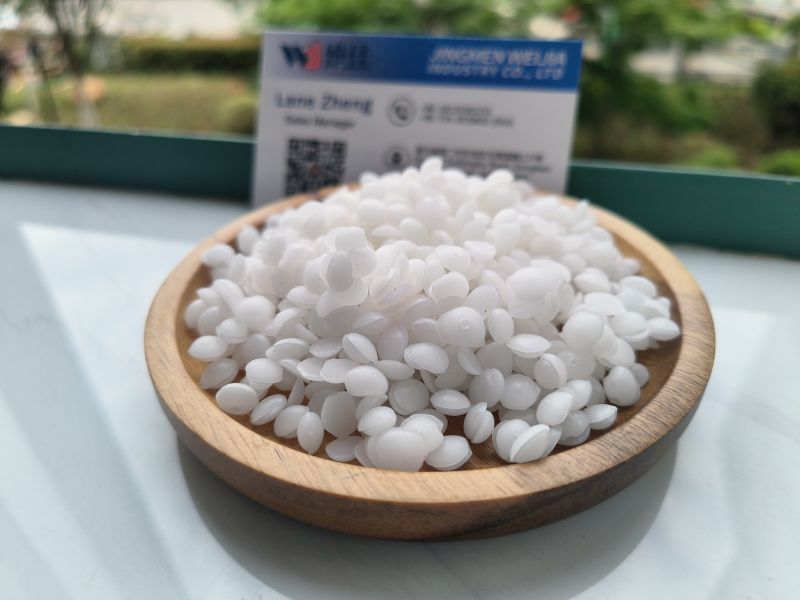
Microcrystalline Wax in Hot melt adhesive For Straw attachment
Product Features
Microcrystalline wax is a versatile material that has found its way into a variety of industries, including the hot melt adhesive industry. In the straw attachment industry, microcrystalline wax is used as a key ingredient in hot melt adhesives to ensure that straw attachments are securely fastened to various surfaces.
Hot melt adhesives are thermoplastic materials that are melted and applied to surfaces in a liquid form. As the adhesive cools, it solidifies and forms a strong bond between the two surfaces. Microcrystalline wax is added to hot melt adhesives to improve their adhesion properties, as well as to provide additional benefits such as improved flexibility and resistance to moisture.
Product Application
One of the primary benefits of using microcrystalline wax in hot melt adhesives for straw attachment is its ability to improve adhesion. When used in hot melt adhesives, microcrystalline wax helps to create a stronger bond between the straw and the surface it is attached to. This is particularly important when attaching straws to surfaces that are smooth or non-porous, as these surfaces can be more difficult to bond to.
Another benefit of using microcrystalline wax in hot melt adhesives is its ability to improve flexibility. Adhesives that are too rigid can become brittle and break over time, which can lead to a loss of adhesion and a failure of the straw attachment. By adding microcrystalline wax to the adhesive, manufacturers can create a more flexible adhesive that is better able to withstand the stresses and strains of daily use.
Finally, microcrystalline wax is also valued for its ability to improve resistance to moisture. When used in hot melt adhesives, microcrystalline wax can help to prevent water from penetrating the adhesive and weakening the bond between the straw and the surface it is attached to. This is particularly important in applications where the straw attachment will be exposed to water or other liquids.
In conclusion, microcrystalline wax is an important ingredient in hot melt adhesives for straw attachment. By improving adhesion, flexibility, and resistance to moisture, microcrystalline wax helps to ensure that straw attachments are securely fastened to a variety of surfaces. As the straw attachment industry continues to grow and evolve, microcrystalline wax is likely to play an increasingly important role in the development of new and innovative adhesive products.
Product form: white/light yellow, pellet/slab wax
Product packaging: 50kg/25kg, woven bag
Contact us to customize the parameters.
FAQs
What is Microcrystalline Wax?
Microcrystalline Wax is a type of wax that is derived from petroleum and has a higher melting point than other waxes, making it ideal for use in various industries.
What are the uses of Microcrystalline Wax?
Microcrystalline Wax is used in a variety of applications such as cosmetics, pharmaceuticals, food, and industrial products. It is commonly used as a binding agent, thickener, and emollient in cosmetics and personal care products. It is also used in food products as a glazing agent and in pharmaceuticals as a coating agent.
How is Microcrystalline Wax different from other waxes?
Microcrystalline Wax has a higher melting point and is more resistant to temperature changes than other waxes. It also has a smaller crystal size, which makes it more flexible and easier to work with. Additionally, it has a higher molecular weight and a lower percentage of volatile components, making it more stable and less likely to evaporate.
Author: Lane
I work for Jingmen Weijia Industry Co., Ltd. (abbr.WJWAX) as a foreign trade manager. WJWAX mainly produces and sells microcrystalline wax, special wax, paraffin wax, white oil, etc, which are classified into industrial /cosmetic/food grade.
Additional Information:
Payment Terms : T/T
Packaging Details : 25KG/BAG
Delivery Time : 15-30 days


Food Grade Paraffin Wax NO.60 Melting Point 60-62
Food grade paraffin wax is a versatile substance used in a wide range of food-related applications. This type of wax is derived from petroleum, coal, or oil shale and goes through a purification process to ensure it is safe for consumption. In this article, we will delve into the properties and applications of food grade paraffin wax, providing insights into its various uses and benefits.
Properties of Food Grade Paraffin Wax
Odorless and tasteless: Food grade paraffin wax is a completely odorless and tasteless substance, making it suitable for use in a variety of food applications without altering the taste or smell of the final product.
Water-repellent: Paraffin wax is a hydrophobic substance, meaning it repels water. This property makes it ideal for creating moisture barriers in various food products and for protecting them from external moisture.
Low melting point: Food grade paraffin wax typically has a melting point in the range of 120-150F (48-65C). This low melting point allows it to be easily applied to food items without causing damage or affecting their consistency.
FDA approved: In the United States, food grade paraffin wax is approved by the Food and Drug Administration (FDA) for use as a direct food additive. This ensures that it meets strict safety standards for consumption.
Non-toxic: Food grade paraffin wax is considered non-toxic and safe for human consumption when used in accordance with FDA guidelines.
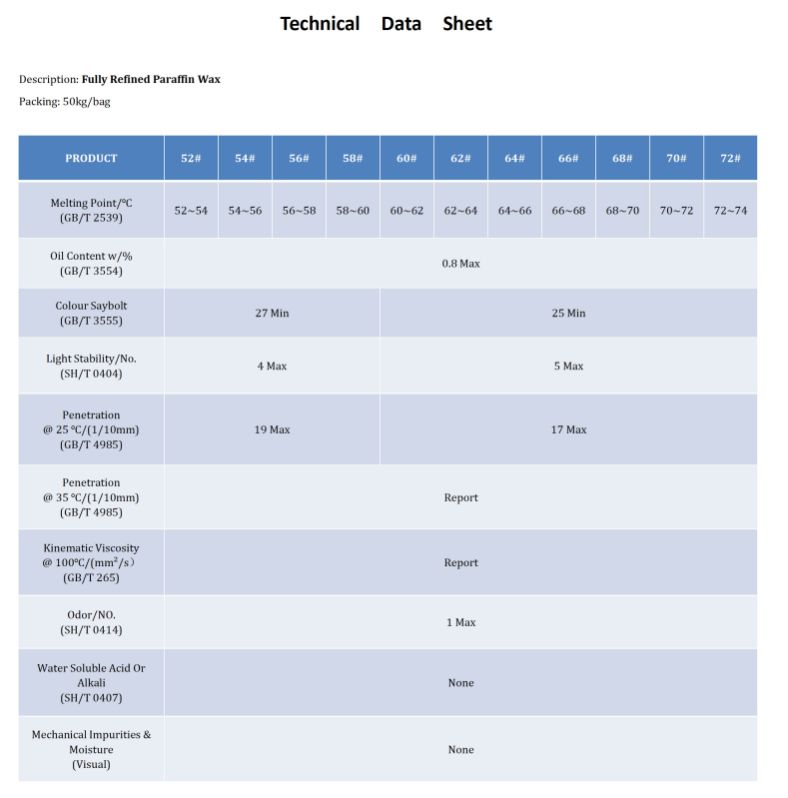
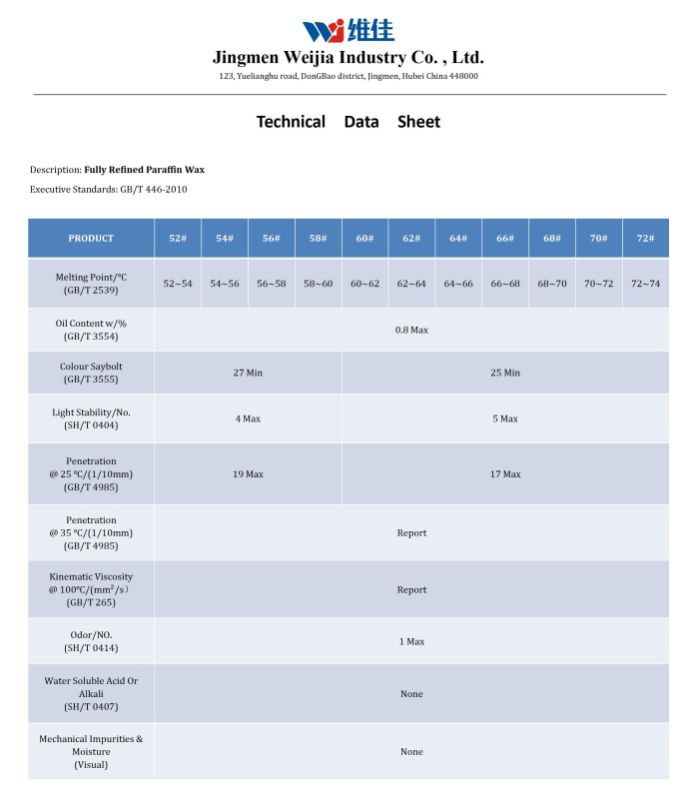
The melting point of NO.60Food Grade Paraffin Wax is 60-62, for specific parameters, please refer to theFood Grade Paraffin Wax TDSbelow:
Applications of Food Grade Paraffin Wax
1. Coating fruits and vegetables
Paraffin wax is often used as a protective coating for fruits and vegetables, such as apples and cucumbers. The wax creates a thin barrier that helps prevent moisture loss, prolonging the shelf life and maintaining the freshness of the produce.
2. Confectionery
One of the most common applications of food grade paraffin wax is in the production of confectionery items. It is used as a glazing agent and to provide a shiny appearance to candies, chocolates, and other sweets. Paraffin wax also helps to prevent candies from sticking together and provides a smooth texture.
3. Baking
Food grade paraffin wax can be used as a release agent for baked goods, such as muffins and cakes. It prevents the baked items from sticking to the pan, making them easier to remove and ensuring a clean, smooth appearance.
4. Cheese preservation
Paraffin wax is often used to coat the surface of cheeses, particularly hard and semi-hard varieties. The wax coating creates a moisture barrier that helps to prevent the cheese from drying out and becoming moldy.
5. Canning and preserving
In home canning and preserving, paraffin wax is sometimes used as a sealant for jars containing jams, jellies, and preserves. The wax is melted and poured over the surface of the preserved food, creating an airtight seal that helps to maintain the freshness and quality of the product.
Conclusion
Food grade paraffin wax is a versatile and valuable substance with numerous applications in the food industry. Its properties make it an ideal choice for preserving, protecting, and enhancing a wide range of food products. As long as it is used in accordance with FDA guidelines, food grade paraffin wax offers a safe and effective solution for various food-related challenges.
Additional Information:
Payment Terms : T/T
Packaging Details : 25KG/BAG
Delivery Time : 15-30 days
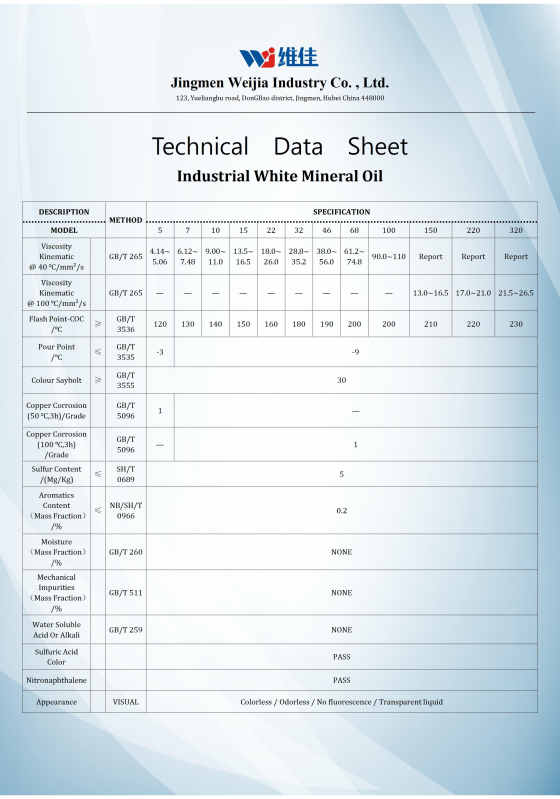
industrial white oil for tpe/tpr-thermoplastic elastomer/rubber
product features
thermoplastic elastomer (tpe) and thermoplastic rubber (tpr) have become increasingly popular in various industrial applications due to their unique properties, such as flexibility, toughness, and chemical resistance. however, these materials are susceptible to degradation and deterioration over time, especially when exposed to harsh environmental conditions. thats why the use of suitable oils and lubricants is mandatory to enhance the performance and prolong the lifespan of tpes and tprs.
one of the most effective lubricants for tpes and tprs is industrial-grade white oil. also known as mineral oil or liquid paraffin, white oil is a highly refined petroleum-derived product that has low volatility, excellent stability, and negligible toxicity. it has a white or colorless appearance, odorless, and tasteless, making it ideal for use in food-grade or medical-grade applications.
product application
industrial-grade white oil is typically classified into different viscosity grades, ranging from low to high, depending on the desired application. for tpes and tprs, a low-viscosity grade of white oil, such as iso vg 15 or 22, is suitable for achieving optimum lubrication and slip properties. the white oil penetrates the surface of the plastic material, reducing friction and preventing surface damage or scratches.
apart from lubricating tpes and tprs, industrial-grade white oil also provides other benefits, such as:
1. thermal stability: white oil has a high flash point and can withstand high temperatures without decomposing or producing harmful vapors. this property makes it ideal for use in high-temperature applications, such as automotive parts, electrical insulation, and industrial seals.
2. water resistance: white oil is hydrophobic, meaning it repels water and prevents the plastic material from absorbing moisture. this makes it ideal for outdoor applications or where the plastic material is exposed to high humidity or moisture.
3. compatibility: white oil is compatible with most tpes and tprs, as well as other plastic materials. it does not react with the plastic or affect its mechanical properties, making it safe for prolonged use.
in conclusion, industrial-grade white oil is an excellent lubricant for tpes and tprs, providing enhanced performance, increased lifespan, and improved surface quality. it is important to choose the right viscosity grade and ensure the purity and quality of the oil to achieve the desired results. with the right care and maintenance, tpes and tprs can offer superior performance and reliability, even in harsh industrial environments.
product form: transparent liquid
grade: industrial grade
product packaging: 160-170 kg drum
moq: 1mt
manufacturer: contact us to customize parameters.
we can customize special models according to the special technical requirements of customers; it can also develop new varieties.
visit our factory online. click here to visit!
author: lane zheng
i work for jingmen weijia industry co., ltd. (abbr.wjwax) as a foreign trade manager. wjwax mainly produces and sells microcrystalline wax, special wax, paraffin wax, white oil, etc, which are classified into industrial /cosmetic/food grade.
Additional Information:
Payment Terms : L/C, T/T
Packaging Details : 165KG/DRUM, 850KG/IBC
Delivery Time : 7-15 days
Product Features
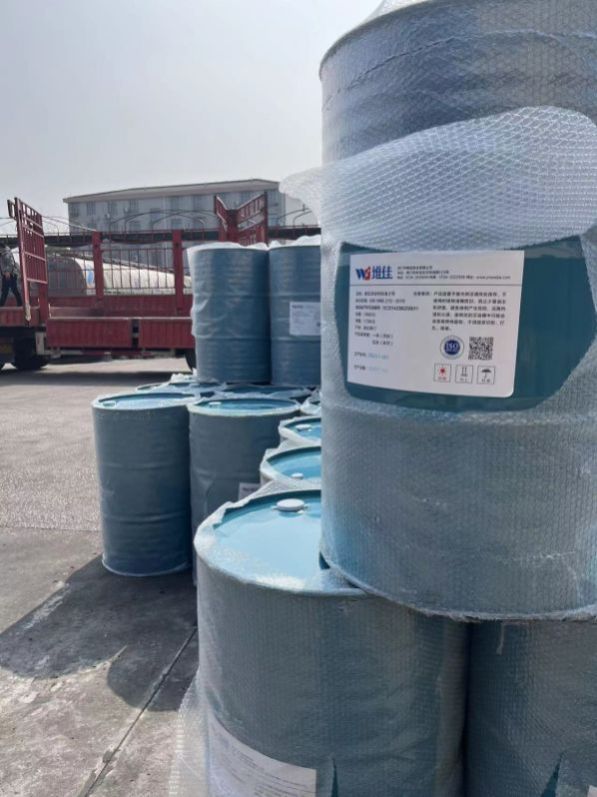
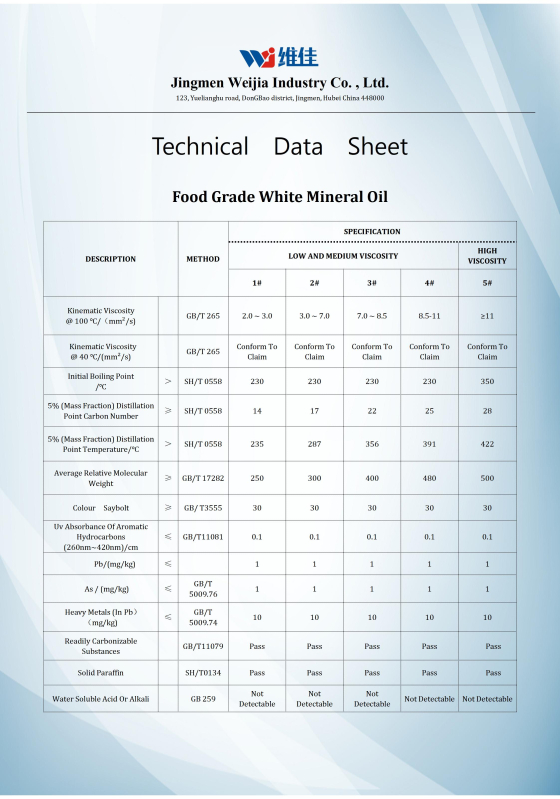
Food-grade white oil, also known as white mineral oil, are highly refined, odorless, tasteless, and colorless lubricants that are widely used in food processing equipment. These oils are manufactured from highly purified base oils, and their primary purpose is to provide lubrication for machinery used in the production, packaging, and distribution of food products.
Food-grade white oils must meet strict quality standards and regulations to ensure that they are safe for use in food processing applications. In the United States, the Food and Drug Administration (FDA) sets the guidelines for food-grade lubricants under the Code of Federal Regulations (CFR), Title 21. Globally, the standards are set by NSF International, which offers a certification program for food-grade lubricants under its H1 (incidental food contact) and H3 (soluble oil) categories.
Product Application
Some benefits of using food-grade white oil in food processing include:
Safety: Food-grade white oils are safe for incidental contact with food products, ensuring consumer safety and meeting regulatory requirements.
Lubrication: These oils offer excellent lubrication properties, helping to reduce friction and wear in food processing machinery, extending the equipment's life.
Compatibility: Food-grade white oils are compatible with a wide range of materials, including plastics and elastomers, making them suitable for use in various types of food processing equipment.
Stability: These oils have good thermal and oxidative stability, which helps to maintain their performance and minimize the formation of deposits in machinery over time.
Water resistance: Food-grade white oils are hydrophobic, meaning they do not readily mix with water. This property makes them suitable for use in wet environments and helps to protect machinery from corrosion.
When selecting a food-grade white oil for your food processing application, it is essential to choose one that meets the relevant regulatory requirements and is certified by a recognized organization like NSF International. Be sure to follow the manufacturer's guidelines for proper use, storage, and disposal of the lubricant, as well as perform regular maintenance on your machinery to ensure optimal performance and safety.
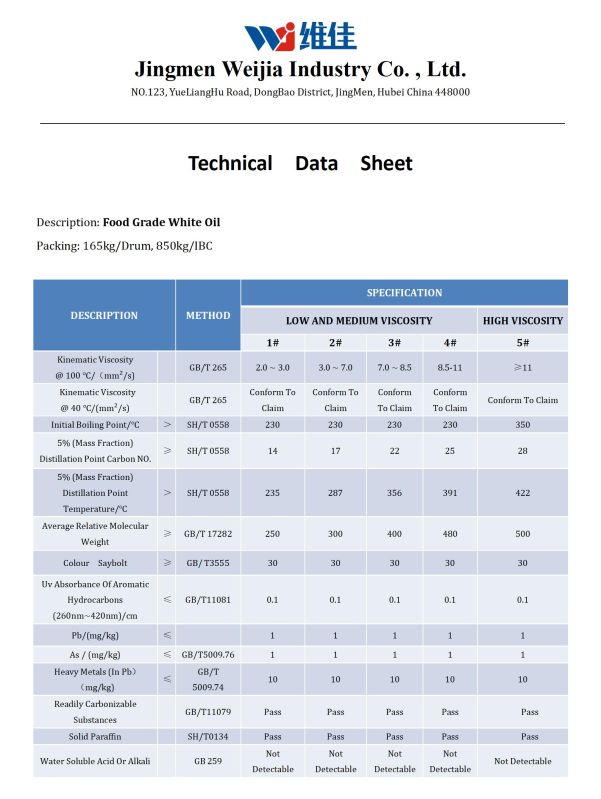
Physicochemical Indicators
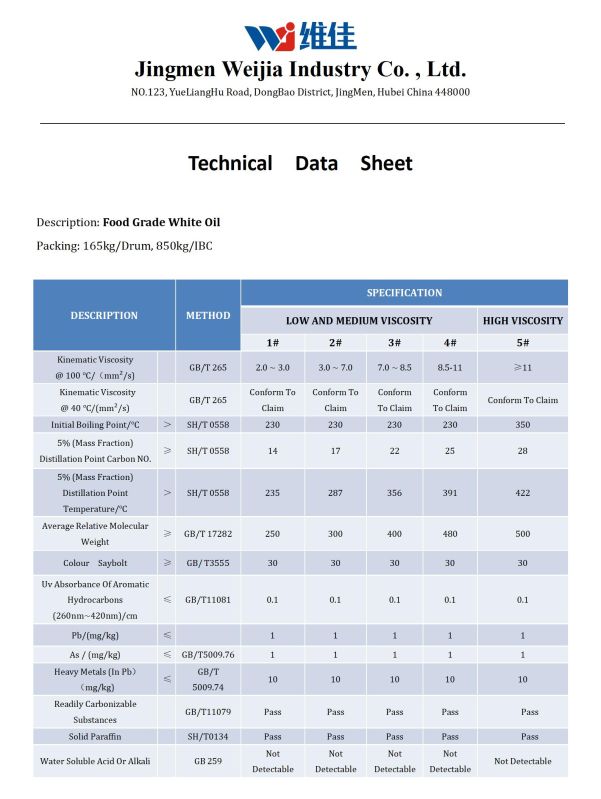
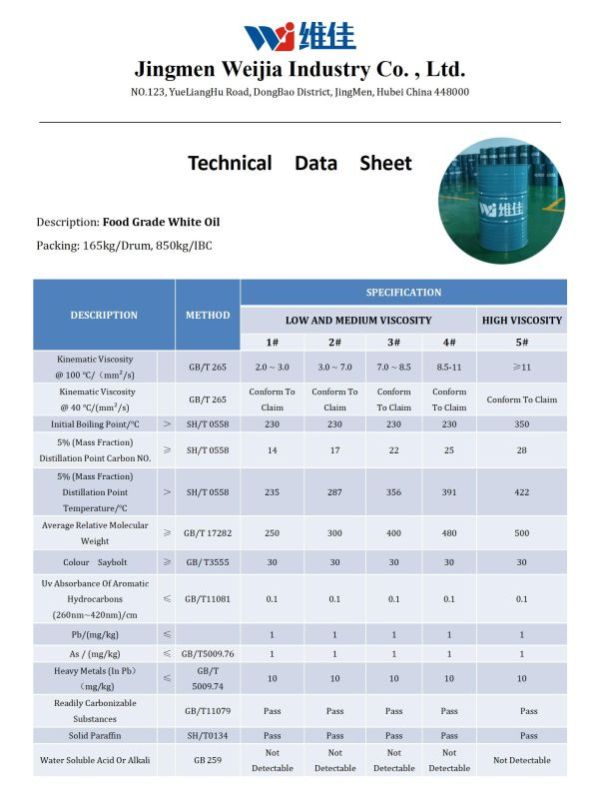
DESCRIPTIONMETHODSPECIFICATION OF FOOD GRADE WHITE OIL
Product packaging: 160-170 kg/drum
Product form: Transparent liquid
Contact us to customize parameters.
Author: Lane Zheng
I work for Jingmen Weijia Industry Co., Ltd. (abbr.WJWAX) as a foreign trade manager. WJWAX mainly produces and sells microcrystalline wax, special wax, paraffin wax, white oil, etc, which are classified into industrial /cosmetic/food grade.
Additional Information:
Payment Terms : L/C, T/T
Packaging Details : 165KG/DRUM, 850KG/IBC
Delivery Time : 7-15 days

Product Features
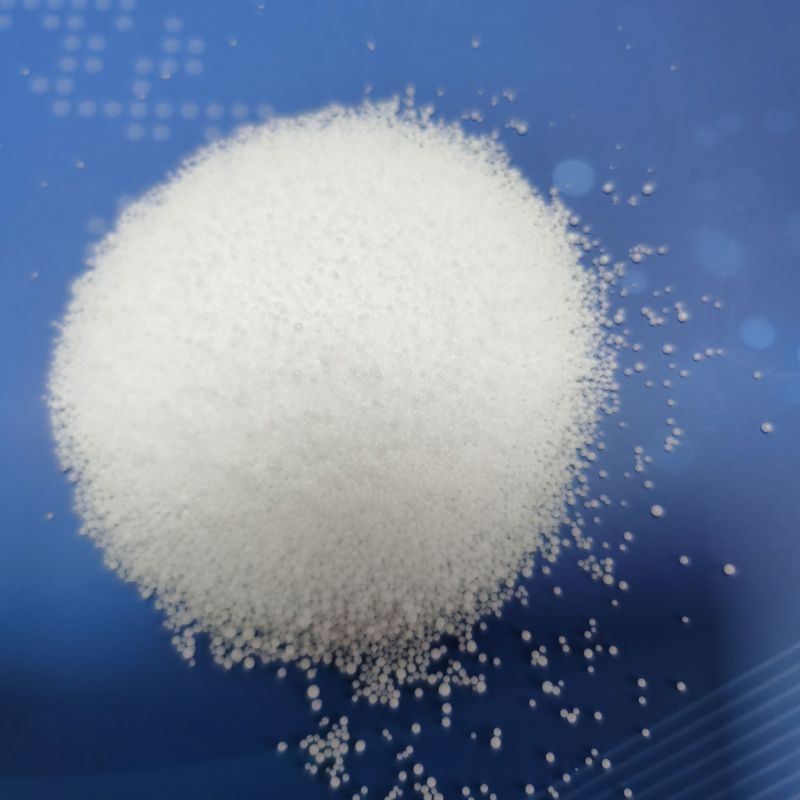
Fischer-Tropsch wax F110 performance equivalent Sasol H1. If you are looking for related alternatives, you can consider FT-Wax 110, which is a product that can replace Sasol H1 in equal quantities.
Fischer-Tropsch Wax F110: An Ideal Raw Material for EVA Adhesives
Ethylene-vinyl acetate (EVA) adhesives are popular hot melt adhesives used in a variety of industrial applications like packaging, bookbinding, woodworking, and footwear manufacturing. EVA adhesives offer several benefits such as flexibility, toughness, solvent resistance, and low-temperature performance. However, EVA adhesives require the addition of waxes to improve properties like melting point, hardness, and tack.
Fischer-Tropsch wax F110 is an excellent wax for modifying EVA adhesives. It is a synthetic wax produced by Fischer-Tropsch synthesis, a process that converts carbon monoxide and hydrogen into liquid hydrocarbons. F110 wax contains a high percentage of linear hydrocarbon chains with an average carbon number of 32-36, giving it a melting point of around 110C.
Product Application
The linear structure and melting point of F110 wax make it ideal for improving the properties of EVA adhesives in several ways:
It increases the melting point and hardness of the adhesive without significantly impacting flexibility and toughness. This allows the adhesive to withstand higher use temperatures.
It reduces the tackiness of the adhesive, improving the handling properties. The adhesive is less sticky and easier to apply without stringing.
It enhances the heat resistance of the adhesive. The wax limits molecular mobility within the adhesive, allowing it to better retain its properties under elevated temperatures during application or use.
It reduces the cost of the adhesive. The wax acts as an economical filler, reducing the amount of expensive EVA copolymer required.
In summary, Fischer-Tropsch wax F110 is an excellent modifier for EVA adhesives. It improves several performance and processing properties while reducing costs. For adhesive formulators looking to enhance their EVA hot melt adhesives, F110 wax is a product worth considering.
Physicochemical Indicators
SPECIFICATION OF Fischer-Tropsch (FT) Wax NO.110 (COA)
| Analysis Items | Quality Index | Actual Data | |||||||||||||||||||||||||||||||||||||||||||||||||||||||||||||||||||||||||||||||||||||||||||||||||||||||||||||||||||||||||||||||||||||||||||||||||||||||||||||||||||||||||||||||||||||||||||||||||||||||||||||||||||||||||||||||||||||||||||||||||||||||||||||||||||||||||||||||||||||||||||||||||||||||||||||||||||||||||||||||||||||||||||||||||||||||||||||||||||||||||||||||||||||||||||||||||||||||||||||||||||||||||||||||||||||||||||||||||||||||||||||||||||||||||||||||||||||||||||||||||||||||||||||||||||||||||||||||||||||||||||||||||||||||||||||||||||||||||||||||||||||||||||||||||||||||||||||||||||||||||||||||||||||||||||||||||||||||||||||||||||
| Appearance | White powder/flake/granule | Whitegranule | |||||||||||||||||||||||||||||||||||||||||||||||||||||||||||||||||||||||||||||||||||||||||||||||||||||||||||||||||||||||||||||||||||||||||||||||||||||||||||||||||||||||||||||||||||||||||||||||||||||||||||||||||||||||||||||||||||||||||||||||||||||||||||||||||||||||||||||||||||||||||||||||||||||||||||||||||||||||||||||||||||||||||||||||||||||||||||||||||||||||||||||||||||||||||||||||||||||||||||||||||||||||||||||||||||||||||||||||||||||||||||||||||||||||||||||||||||||||||||||||||||||||||||||||||||||||||||||||||||||||||||||||||||||||||||||||||||||||||||||||||||||||||||||||||||||||||||||||||||||||||||||||||||||||||||||||||||||||||||||||||||
| Volatile Matter Content% |
Additional Information: Payment Terms :
L/C, T/T Packaging Details : 25kg/bag, Powder/particle Delivery Time : 15days Product Features Sasolwax 3971 Microcrystalline Waxes are a popular micro wax product in the current market. Its DROP MELTING POINT is between 78-84 , oil content is between 0-2%, NEEDLE PENETRATION is between 25-33, and kinematic viscosity is between 12-16. The NO.80 microcrystalline wax produced by WJWAX company is a good and similar product, it has similar physicochemical indicators. You can refer to it carefully. NO.80 Microcrystalline wax is a type of wax that is derived from petroleum and is widely used in various industries. It is a refined and purified form of paraffin wax, which is obtained from crude oil. Microcrystalline wax has unique properties that make it highly useful in many applications. Properties of Sasolwax 3971 Microcrystalline Wax: 1. High melting point: Microcrystalline wax has a higher melting point(77-82) than paraffin wax, which makes it more suitable for applications where higher temperatures are involved. 2. High viscosity: Microcrystalline wax has a higher viscosity than paraffin wax. This property makes it an excellent binder and adhesive in many applications. 3. High flexibility: Microcrystalline wax is more flexible than paraffin wax, which makes it ideal for use in products that require flexibility, such as rubber and plastic. 4. Water resistance: Microcrystalline wax is highly water-resistant, making it an ideal material for use in products that are exposed to water, such as candles and cosmetics. Applications of Sasolwax 3971 Microcrystalline Wax: 1. Cosmetics: Microcrystalline wax is widely used in the production of cosmetics, such as lipsticks, lotions, and creams. It is used as a thickener and emulsifier in these products. 2. Candles: Microcrystalline wax is commonly used in the production of candles. It is added to the wax mixture to increase the hardness and melting point of the candle. 3. Rubber and Plastics: Microcrystalline wax is used as a plasticizer in the production of rubber and plastic products. It enhances the flexibility and durability of these products. 4. Food Packaging: Microcrystalline wax is used as a coating material for food packaging. It provides a barrier against moisture and helps to preserve the freshness of the food. 5. Pharmaceuticals: Microcrystalline wax is used as a binder and coating material in the production of pharmaceuticals. It helps to control the release of active ingredients in the medication. In conclusion, Microcrystalline wax is a highly versatile material with unique properties that make it useful in various applications. Its high melting point, viscosity, flexibility, and water resistance make it an ideal material for use in cosmetics, candles, rubber, plastic products, food packaging, and pharmaceuticals. Product form: white/light yellow, pellet/slab wax Product packaging: 50kg/25kg, woven bag Manufacturer: Contact us to customize the parameters. If you need to purchase Sasolwax 3971, you can consider NO.80 Microcrystalline wax with the same product property. Of course, the test is very necessary. We can also provide free samples to send. If you don't know anything, you can contact me at any time. For who I am, please refer to the following introduction of the author. Author: Lane Zheng I work for Jingmen Weijia Industry Co., Ltd. (abbr.WJWAX) as a foreign trade manager. WJWAX mainly produces and sells microcrystalline wax, special wax, paraffin wax, white oil, etc, which are classified into industrial /cosmetic/food grade. Additional Information: Payment Terms :
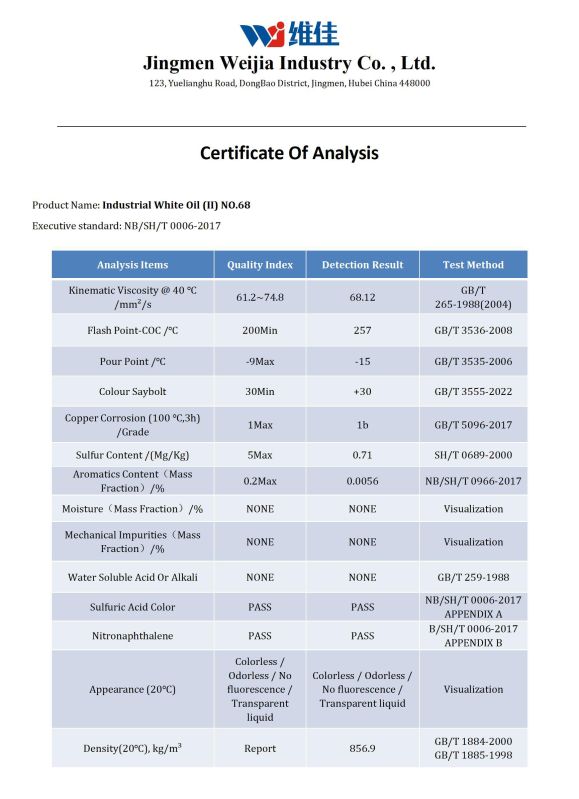
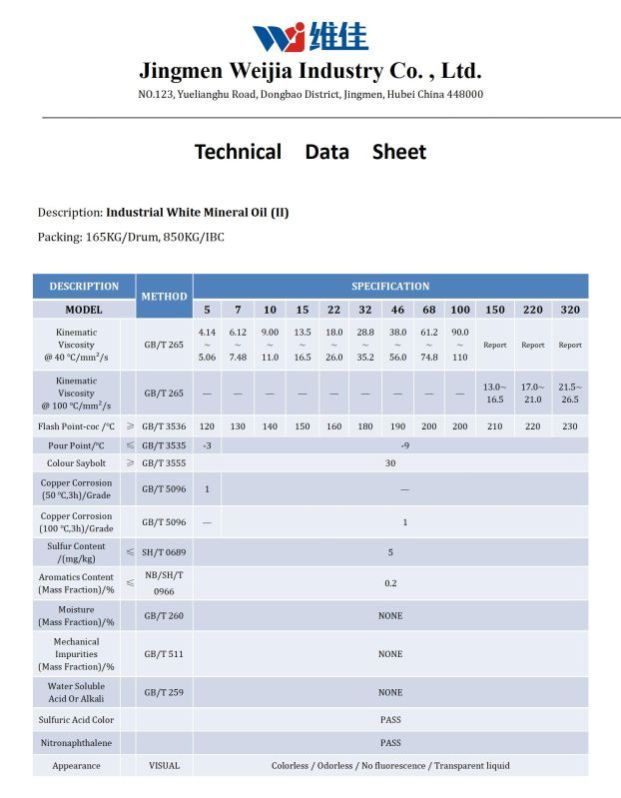
L/C, T/T Packaging Details : 25KG/BAG, PELLETS 50KG/BAG, SLAB Delivery Time : 7-15 days Industrial white oil, also known as mineral oil, is a versatile and widely used lubricant in the industrial sector. It is a colorless and odorless liquid that is obtained from the distillation of petroleum. The properties of industrial white oil make it an excellent choice for various applications, ranging from pharmaceuticals to food processing. One of the primary properties of industrial white oil is its high level of purity. It is free from impurities, such as sulfur and aromatic hydrocarbons, which can be harmful to human health and the environment. This makes it an ideal choice for applications where purity is essential, such as in the pharmaceutical and cosmetic industries. Another important property of industrial white oil is its high level of stability. It has a high resistance to oxidation, which means it can withstand exposure to air and heat without breaking down or degrading. This makes it an excellent choice for use in high-temperature applications, such as in the manufacturing of plastics and elastomers. Industrial white oil also has excellent lubricating properties. It has a low viscosity, which means it can flow easily and provide a smooth surface for moving parts to slide against. This makes it an ideal choice for use as a lubricant in machinery, such as pumps, compressors, and hydraulic systems. Physical and chemical indicators of industrial white oil (Industrial white oil TDS): DESCRIPTION METHOD SPECIFICATION MODEL 5 7 10 15 22 32 46 68 100 150 220 320 Viscosity Kinematic GB/T 265 4.14 6.12 9.00 13.5 18.0 28.8 38.0 61.2 90.0110 Report Report Report Viscosity Kinematic GB/T 265 13.016.5 17.021.0 21.526.5 Flash Point-COC GB/T 3536 120 130 140 150 160 180 190 200 200 210 220 230 Pour Point GB/T 3535 -3 -9 Colour Saybolt GB/T 3555 30 Copper Corrosion GB/T 5096 1 Copper Corrosion /Grade GB/T 5096 1 Sulfur Content SH/T 0689 5 Aromatics Content NB/SH/T 0966 0.2 Moisture GB/T 260 NONE Mechanical Impurities GB/T 511 NONE Water Soluble Acid Or Alkali GB/T 259 NONE Sulfuric Acid Color PASS Nitronaphthalene PASS Appearance VISUAL Colorless / Odorless / No fluorescence / Transparent liquid In addition to its lubricating properties, industrial white oil has excellent sealing properties. It can form a tight seal around moving parts, preventing leaks and reducing friction. This makes it an ideal choice for use in seals and gaskets, as well as in the manufacturing of rubber and plastic products. Industrial white oil is also an excellent choice for use in the food processing industry. It is approved by the FDA for use in food contact applications, and it is odorless and tasteless, which means it will not affect the flavor or aroma of food products. Its high level of purity also makes it an ideal choice for use in the production of food packaging materials. In summary, industrial white oil is a versatile and widely used lubricant in the industrial sector. Its properties, including its high level of purity, stability, lubricating, and sealing properties, make it an excellent choice for various applications, ranging from pharmaceuticals to food processing. Its widespread use in a variety of industries is a testament to its effectiveness and reliability as a lubricant. Additional Information: Payment Terms :
L/C, T/T Packaging Details : 165KG/DRUM, 850KG/IBC Delivery Time : 7-15 days product features china's fully refined paraffin wax includes the kunlun brand and sinopec brand, both of which are produced according to chinese production standards, so the specifications and parameters are the same. please refer to the parameter table below for details. kunlun brand's fully refined paraffin manufacturers include fushun petrochemical, dalian petrochemical, daqing refining and chemical, daqing petrochemical, etc. in addition, if you are looking for fully refined paraffin products with competitive prices, you can contact us. we are a first-tier distributor in china and can provide paraffin products at competitive prices. product application kunlun fully refined paraffin wax is a white, odorless, and tasteless wax that is derived from petroleum. it is a versatile material that is used in a variety of applications, including candles, cosmetics, and pharmaceuticals. kunlun fully refined paraffin wax is a high-quality wax that is produced using a rigorous refining process. this process removes impurities and ensures that the wax is free of contaminants. kunlun fully refined paraffin wax is also a non-toxic and biodegradable material, making it an environmentally friendly choice. kunlun fully refined paraffin wax is available in a variety of grades, each with its own unique properties. the different grades of kunlun fully refined paraffin wax are used in different applications, depending on the desired properties. for example, the highest grade of kunlun fully refined paraffin wax is used in candles because it is highly flammable and produces a clean burn. the lower grades of kunlun fully refined paraffin wax are used in cosmetics and pharmaceuticals because they are less flammable and more stable. kunlun fully refined paraffin wax is a versatile and reliable material that is used in a variety of applications. it is a high-quality wax that is produced using a rigorous refining process. kunlun fully refined paraffin wax is also a non-toxic and biodegradable material, making it an environmentally friendly choice. physicochemical indicators specification of fully refined paraffin wax(tds) product packaging:50kg, woven bag; 25kg, pellets;25kg, slab product form: white translucent, slab manufacturer: contact us to customize the parameters. faqs: what is fushun kunlun fully refined paraffin wax? fushun kunlun fully refined paraffin wax is a type of wax made from crude oil that has undergone a refining process to remove impurities and achieve a high level of purity. it is commonly used in various applications such as candle making, coating, sealing, and packaging. what are the properties of fushun kunlun fully refined paraffin wax? fushun kunlun fully refined paraffin wax has several desirable properties, including a high melting point, low oil content, and excellent stability. it is also odorless and tasteless, which makes it suitable for use in food and pharmaceutical industries. additionally, it has good electrical insulation properties and can be easily blended with other waxes and oils. author: lane zheng i work for jingmen weijia industry co., ltd. (abbr.wjwax) as a foreign trade manager. wjwax mainly produces and sells microcrystalline wax, special wax, paraffin wax, white oil, etc, which are classified into industrial /cosmetic/food grade. Additional Information: Payment Terms :
L/C, T/T Packaging Details : 25KG/BAG, Carton, PELLETS, SLAB 50KG/BAG, SLAB Delivery Time : 7-15 days Food Grade Paraffin Wax is a popular material used in the food industry for a variety of purposes. It is a refined petroleum-based wax that is odorless, tasteless, and inert. It is typically used as a coating or a preservative for food items, and it has a wide range of applications in the food industry. In this article, we will discuss the properties and applications of Food Grade Paraffin Wax. Properties of Food Grade Paraffin Wax Food Grade Paraffin Wax is a type of wax that is derived from crude oil. It is a mixture of solid hydrocarbons that are odorless and tasteless. The wax is white or colorless and is solid at room temperature. It has a melting point of around 50-70C and a density of 0.8-0.9 g/cm. One of the main properties of Food Grade Paraffin Wax is its ability to form a waterproof and airtight seal. This makes it ideal for use in food packaging, where it helps to keep the food fresh and prevent moisture from entering the packaging. It is also used as a coating on fruits and vegetables to extend their shelf life. Another property of Food Grade Paraffin Wax is its low toxicity. It is safe for consumption in small quantities, and it is not absorbed by the body. It passes through the digestive system without being broken down, and it is excreted unchanged. Applications of Food Grade Paraffin Wax Food Grade Paraffin Wax has a wide range of applications in the food industry. Some of the most common applications include: Coating for Fruits and Vegetables Food Grade Paraffin Wax is used as a coating on fruits and vegetables to extend their shelf life. The wax forms a protective layer around the produce, which helps to prevent moisture loss and delay spoilage. Preservative for Cheese Food Grade Paraffin Wax is used as a preservative for cheese. The wax is melted and poured over the cheese, forming a protective layer that helps to prevent the growth of mold and bacteria. Coating for Candy and Chewing Gum Food Grade Paraffin Wax is used as a coating for candy and chewing gum. The wax helps to prevent the candy or gum from sticking together, and it gives the products a shiny appearance. Lubricant for Food Processing Equipment Food Grade Paraffin Wax is used as a lubricant for food processing equipment. It helps to reduce friction between moving parts and prevents the equipment from becoming damaged. Ingredient in Food Products Food Grade Paraffin Wax is used as an ingredient in some food products, such as chewing gum. It is also used as a glazing agent for baked goods, such as donuts. Technical Data Sheet Of Food Grade Paraffin Wax: Conclusion Food Grade Paraffin Wax is a versatile material that has many applications in the food industry. Its ability to form a waterproof and airtight seal makes it ideal for use in food packaging, and its low toxicity makes it safe for consumption in small quantities. It is used as a coating for fruits and vegetables, a preservative for cheese, a coating for candy and chewing gum, a lubricant for food processing equipment, and an ingredient in some food products. Overall, Food Grade Paraffin Wax is an important material in the food industry that helps to preserve and protect food products. Additional Information: Payment Terms :
L/C, T/T Packaging Details : 25KG/BAG, PELLETS Delivery Time : 7-15 days product features fushun kunlun fully refined paraffin wax 64/66 is a high-quality paraffin wax product manufactured by fushun petrochemical company, which is part of petrochina. this type of paraffin wax is fully refined, which means that it has been purified and treated to remove impurities and achieve a higher degree of purity than semi-refined or crude paraffin waxes. the fully refined paraffin wax 64/66 currently produced by fushun refinery comes in both woven bag and carton packaging. the woven bag is 50 kg/bag, while the carton box is 25 kg/carton. if you are looking for this product, you can contact our company. we are a first-tier distributor of kunlun and sinopec brands, offering competitive prices and product quality. the numbers 64/66 in the product name refer to the melting point range of the wax, which is typically between 64 and 66 degrees celsius. this range is an important characteristic, as it determines the specific applications and industries in which the paraffin wax can be used. product application fushun kunlun fully refined paraffin wax 64/66 is commonly used in various applications, such as: candle making:high-quality candles require fully refined paraffin wax that has a consistent melting point, ensuring that the candles burn evenly and predictably. cosmetics and personal care products: fully refined paraffin wax is a common ingredient in creams, lotions, lip balms, and other cosmetic products due to its moisturizing and emollient properties. packaging: paraffin wax is used as a protective coating for various food items, such as cheese, fruits, and candies, to prevent moisture loss and extend shelf life. hot melt adhesives: the consistent melting point of fully refined paraffin wax makes it suitable for use in the production of hot melt adhesives used in various industries. rubber and plastic processing: paraffin wax can be used as a release agent in rubber and plastic manufacturing, preventing the material from sticking to molds and equipment. fushun kunlun fully refined paraffin wax 64/66 is known for its consistent quality, low oil content, and excellent performance in various applications. if you are considering using this wax for a specific application, ensure that the melting point range and other characteristics are suitable for your needs. physicochemical indicators specification of fully refined paraffin wax(tds) model:52#54#56#58#60#62#64#66#68#70# product packaging: 50kg/woven bag; 25kg/carton product form: white translucent, slab contact us to customize parameters. faqs what is kunlun fully refined paraffin wax 64/66 used for? kunlun fully refined paraffin wax 64/66 is commonly used in a variety of industries, including candle-making, packaging, cosmetics, and pharmaceuticals. in candle-making, it is used as a primary ingredient to create a smooth, glossy finish, while in packaging it is used to coat paper and cardboard to make them waterproof. in cosmetics and pharmaceuticals, it is used as a base ingredient in creams, ointments, and lotions, as it helps to improve texture and consistency. what are the characteristics of kunlun fully refined paraffin wax 64/66? kunlun fully refined paraffin wax 64/66 is a white, odorless, and tasteless solid wax with a melting point between 64 and 66 degrees celsius. it has a low oil content, which makes it highly stable and resistant to rancidity. it is also non-toxic and non-reactive, making it safe to use in a variety of applications. additionally, it has good electrical insulation properties and is highly resistant to moisture, making it useful in electrical insulation applications and in products that need to be waterproof. author: lane zheng i work for jingmen weijia industry co., ltd. (abbr.wjwax) as a foreign trade manager. wjwax mainly produces and sells microcrystalline wax, special wax, paraffin wax, white oil, etc, which are classified into industrial /cosmetic/food grade. Additional Information: Payment Terms :
L/C, T/T Packaging Details : 25KG/BAG, Carton, PELLETS, SLAB 50KG/BAG, SLAB Delivery Time : 7-15 days the cosmetic grade mineral oil produced by wjwax has advantages in price and guaranteed quality, making it a good choice for many buyers. cosmetic grade white oil can be used as a base oil for sunscreen, moisturizer, shower oil, moisturizer, hair care products, and various ointments. based on the kinematic viscosity of white oil, it can be divided into multiple models such as 10 #, 15 #, 26 #, 36 #, 50 #, 70 #, etc. for example, the popular 15# white oil has a kinematic viscosity (@ 40 ) of 12.5-17.5mm/ s. the flash point is around 150 . cosmetic grade mineral oil, also known as white oil, paraffin oil, is a type of highly refined, odorless, and colorless oil that is commonly used in the cosmetic industry. it is derived from petroleum and undergoes a purification process to remove impurities and contaminants, resulting in a pure and stable product. cosmetic grade white oil is a popular ingredient in many skincare and personal care products, such as lotions, creams, and cosmetics, due to its ability to hydrate and moisturize the skin without leaving a greasy residue. it is also used as a base ingredient in many fragrances and as a lubricant in certain types of makeup products. technical data sheet cosmetic grade white mineral oil description method specification model 10 15 26 36 50 70 kinematic viscosity gb/t 265 7.6-12.4 12.5-17.5 24.0-28.0 32.5-39.5 45.0-55.0 63.0-77.0 carbonizable substances gb/t 11079 pass flash point-coc/ gb/t 3536 150 160 200 colour saybolt gb/t 3555 30 heavy metal content(mg/kg) sh/t 0128 10 pb content(mg/kg) gb/t5009.12 1 as content(mg/kg) gb/t11081 1 uv absorbance of aromatic hydrocarbons gb/t11081 0.1 water soluble acid or alkali gb/t259 none solid paraffin sh/t 0134 pass mechanical impurities gb/t 511 none appearance visual colorless / odorless / non-fluorescent / transparent oily liquid while some people may have concerns about using mineral oil on their skin due to its petroleum-based origin, cosmetic grade mineral oil is considered safe for use in cosmetics and has been approved by regulatory agencies such as the fda. however, as with any cosmetic ingredient, it is important to follow the usage instructions and consult with a healthcare professional if you have any concerns or sensitivities. is mineral oil safe for use in cosmetics? yes, mineral oil is considered safe for use in cosmetics and has been approved by regulatory agencies such as the fda. it is a popular ingredient in many skincare and personal care products due to its ability to hydrate and moisturize the skin without leaving a greasy residue. however, as with any cosmetic ingredient, it is important to follow the usage instructions and consult with a healthcare professional if you have any concerns or sensitivities. is paraffin oil also known as white oil? yes, paraffin oil is also known as white oil. in fact, the terms "paraffin oil" and "white oil" are often used interchangeably to refer to the same product. both terms describe a highly refined, colorless, and odorless liquid that is derived from petroleum and has a wide range of industrial, cosmetic, and medical applications. Additional Information: Payment Terms :
L/C, T/T Packaging Details : 165KG/DRUM, 850KG/IBC Delivery Time : 7-15 days the melting point of wjwax's food grade paraffin wax no.58 is about 58-60. this product is widely used in gum based production of chewing gum and bubble gum in china. it is also a very popular food grade paraffin product abroad. we are a direct distributor of kunlun and sinopec, offering highly competitive prices. paraffin wax is a white or colorless soft solid that's used in a variety of applications due to its chemical stability, large molecular weight, and low reactivity. it's a byproduct of the oil refining process, and its properties can be fine-tuned by controlling the refining process. paraffin wax with a melting point of 58-60 is often used in the food industry, particularly in the production of gum base, the non-nutritive, non-digestible, water-insoluble base used to carry sweeteners, flavors, and colors in chewing gum and bubble gum. product application melting point: paraffin wax no.58-60 has a melting point in the range of 58 to 60 degrees celsius. this property makes it ideal for use in the gum base, as it will not melt easily in the mouth during chewing. tasteless and odorless: this type of paraffin wax is both tasteless and odorless. therefore, it does not interfere with the flavors added to the chewing gum. safe for consumption: food-grade paraffin wax is deemed safe for consumption, ensuring it doesn't pose any health risks when used in gum bases. viscosity: paraffin wax has a low viscosity which contributes to the smooth texture of the chewing gum. insoluble in water: the wax is insoluble in water, which helps to keep the gum from dissolving while it's being chewed. uses in gum base in a gum base, food-grade paraffin wax serves several purposes: texture and chewability: the wax helps to provide the gum with its characteristic elasticity and chewiness. stability: it aids in maintaining the stability of the gum, preventing it from breaking down or dissolving during chewing. flavor retention: paraffin wax helps to encapsulate and retain the flavoring agents in the gum, releasing them over time as the gum is chewed. shelf life: it also contributes to the long shelf life of gum products by serving as a moisture barrier. paraffin wax no.58-60 is just one of several ingredients in a typical gum base. others may include elastomers, resins, plasticizers, antioxidants, and fillers. all these ingredients are carefully chosen and combined to achieve the desired characteristics of the final gum product. conclusion food-grade paraffin wax no.58-60 is a crucial ingredient in the production of gum base. its unique properties contribute to the texture, stability, flavor retention, and shelf life of chewing gum. the safety of this type of paraffin wax for consumption makes it a reliable choice for use in food-grade applications. specification of food grade paraffin wax 58/60(coa) faqs what is food grade paraffin wax? food grade paraffin wax is a type of paraffin wax that has been purified and refined to meet specific food-grade standards. it is used as a coating for food products to improve their appearance and shelf life. food grade paraffin wax is non-toxic and safe for use in food products. what are some common uses of food grade paraffin wax in the food industry? food grade paraffin wax is commonly used as a coating for fruits and vegetables to improve their appearance and prevent moisture loss. it is also used as a coating for cheese to prevent mold growth and improve texture. in addition, food grade paraffin wax can be used as a lubricant for baking equipment and as a sealing agent for jars and cans. Paraffin wax is a common ingredient in candle making. It's a petroleum by-product created when crude oil is refined into gasoline. Food grade paraffin wax is safe to handle and, in many countries, is approved for use in food packaging, coatings, and for direct inclusion in food. Food grade paraffin wax is also often used in candle making. Here are a few reasons why: Ease of Use: Paraffin wax is easy to handle, melts at a low temperature, and is readily available, making it a good choice for beginners to candle making. Versatility: Paraffin wax is versatile. It can be used alone or in combination with other types of waxes (like beeswax or soy wax) to modify the properties of the final product. Smooth Finish: Candles made from paraffin wax often have a smooth, flawless surface, which makes them aesthetically pleasing. Scent Retention: Paraffin wax has excellent scent retention, which is ideal for scented candles. However, it is important to note that while food grade paraffin wax is safe to handle, it doesn't mean it's safe to ingest or inhale. When burned, paraffin wax can release toxins into the air. This is a point of controversy, and while the risk is generally considered low, some people prefer to use other types of waxes, such as soy or beeswax, which are natural and renewable. Here's a basic process of making candles with food grade paraffin wax: Materials: Food grade paraffin wax Wick Candle mold or container Double boiler Thermometer Fragrance oil (optional) Dye (optional) Steps: Melt the paraffin wax using a double boiler. Always monitor the wax as it melts to prevent overheating. Once melted, monitor the temperature with a thermometer. Most paraffin waxes melt between 120-160 degrees Fahrenheit (49-71 degrees Celsius). If using, add your color and fragrance oil once the wax is melted and mix thoroughly. Make sure the temperature is right for your specific additives. Prep your candle mold or container by securing the wick in the center. Pour the melted wax into the mold or container. Leave some space at the top. Allow the candle to cool completely. This can take up to 24 hours. Once the candle is fully solidified, trim the wick to about 1/4 inch. Your candle is now ready to use or gift! Remember to always burn candles in a well-ventilated area, and never leave them unattended. Make sure they are on a heat-resistant surface and away from anything that could catch fire. What are the applications of Food Grade Paraffin Wax? Food Grade Paraffin Wax has various applications in the food industry. Some common uses include: Coating fruits and vegetables: It is used to provide a protective coating on produce to improve their appearance, delay spoilage, and reduce moisture loss. Confectionery: Food Grade Paraffin Wax is often used to coat candies, chocolates, and other confectionery items to enhance their appearance and prevent them from sticking together. Cheese coating: It can be used to coat certain types of cheese to improve their shelf life and prevent mold growth. Preservation: Food Grade Paraffin Wax can be used to create a seal on jars or containers to preserve homemade jams, jellies, and pickles. Baking: It can be used as a non-stick coating for baking pans and molds. Chocolate fountain: Food Grade Paraffin Wax can be added to chocolate in a chocolate fountain to improve its flow and consistency. Remember to always follow the specific guidelines and regulations for using Food Grade Paraffin Wax in your region to ensure its safe and proper use in food applications. Additional Information: Payment Terms :
L/C, T/T Packaging Details : 25KG/BAG, PELLETS Delivery Time : 15-30 days Product Features Food-grade paraffin wax is often used in packaging materials for food items, including bubble gum paper. This is because it serves as an excellent barrier against moisture and odors, helping to prolong the freshness of the food product. Here's a brief description of how it is used and why: Paraffin wax is a white or colorless soft, solid wax. It's made from saturated hydrocarbons. It's often used in packaging for its inertness (it doesn't react with food products), and its excellent moisture barrier properties. Application in Bubble Gum Paper Bubble gum is often wrapped in a thin sheet of paper. This paper needs to provide a barrier against moisture to keep the gum fresh and prevent it from drying out or becoming stale. For this purpose, the paper is often coated with food-grade paraffin wax. Benefits Moisture Barrier: Paraffin wax is hydrophobic, meaning it repels water. When applied to bubble gum paper, it forms a barrier that prevents moisture from reaching the gum. Odor Barrier: Paraffin wax also forms a barrier against odors. This helps to keep the flavor of the gum intact and prevents it from absorbing odors from the environment. Food Safety: Since food-grade paraffin wax is inert, it doesn't react with the gum or with the other packaging materials. This makes it a safe choice for food packaging. Cost-Effectiveness: Paraffin wax is relatively cheap and easy to apply, making it a cost-effective solution for food packaging needs. Application Process The application process usually involves melting the paraffin wax and applying it to the paper in a thin layer. Once the wax cools and solidifies, it forms a shiny coating on the surface of the paper. The waxed paper can then be cut and shaped appropriately for wrapping individual pieces of bubble gum. The end result is a packaging material that keeps the bubble gum fresh and flavorful until it's ready to be enjoyed. While it's a common and safe material for food packaging, it's always important for manufacturers to ensure they're using food-grade paraffin wax and adhering to all relevant safety standards and regulations. FAQs What is food grade paraffin wax? Food grade paraffin wax is a type of wax made from paraffin hydrocarbon that is safe for use in food and pharmaceutical applications. It has been refined and purified to meet food grade standards, making it suitable for direct contact with food. Why is paraffin wax used in food? Paraffin wax is used in food for many purposes, like coating packaging materials or fruit to maintain freshness and moisture levels. It acts as a barrier against moisture, oxygen and bacteria. Paraffin wax can also be used as a glazing agent on baked goods, cheese and meats. What are the main properties of food grade paraffin wax? The main properties of food grade paraffin wax include: Inertness It does not react with food or other chemicals. Durability It provides a stable barrier for a long period of time. Mold resistance Paraffin wax prevents mold growth on food. Paraffin wax has a high melting point, making it stable for long-term storage of food. It is colorless, odorless and tasteless when refined for food use. Author: Lane Zheng I work for Jingmen Weijia Industry Co., Ltd. (abbr.WJWAX) as a foreign trade manager. WJWAX mainly produces and sells microcrystalline wax, special wax, paraffin wax, white oil, etc, which are classified into industrial /cosmetic/food grade. Additional Information: Payment Terms :
L/C, D/P, T/T Packaging Details : 25KG/BAG, PELLETS Delivery Time : 15-30 days Product Features The 68#industrial white oil produced by WJWAX is very suitable for the production and processing of PS(Polystyrene), and customer feedback has been very good. If you need to purchase similar white oil products, you can contact our factory for a quotation, with first-hand supply and excellent quality. Here are a few key points about using white mineral oil as a plasticizer for polystyrene (PS): White mineral oil is a paraffinic mineral oil that is commonly used as a plasticizer for polystyrene. It helps make the polystyrene more flexible and workable. The white mineral oil needs to meet specifications for use in PS. A common grade is White Mineral Oil NO.68, which has a viscosity of about 68 cSt at 40C. Product Application The mineral oil is typically added at 10-15% by weight to the polystyrene resin before processing. Too much oil can make the PS too soft while too little may not provide enough plasticization. The mineral oil does not chemically react with the PS. It works by embedding between the polymer chains, spacing them apart. This increases chain mobility and flexibility. After processing, the mineral oil may slowly migrate out of the PS over time, resulting in embrittlement. This may limit use of mineral oil for long-term flexible PS products. Proper mixing and temperature control is needed when adding the mineral oil to ensure uniform plasticization without degrading the PS. Certificate of Analysisfor WHITE OIL68# (COA) FAQs What are the typical usage levels of white mineral oil when plasticizing polystyrene? White mineral oil is typically used at 10-15% by weight relative to the polystyrene resin. Lower levels may not provide enough plasticization while higher levels can make the polystyrene too soft. Does the mineral oil react chemically with the polystyrene? No, the mineral oil does not chemically bond to the polystyrene. It works by embedding between the polymer chains and spacing them apart. This increases mobility and flexibility but means the oil can migrate out over time. What grade of mineral oil is commonly used as a plasticizer for polystyrene? White Mineral Oil NO.68 is a common choice. It has a viscosity of about 68 cSt at 40C. The grade needs to be selected to provide the desired level of plasticization at typical processing temperatures. Additional Information: Payment Terms :
L/C, T/T Packaging Details : 165KG/DRUM, 850KG/IBC Delivery Time : 15-30 days Product Features Food grade paraffin wax is widely used in food packaging materials to prevent moisture, adhesion, and oil. Chinese manufacturers provide food grade paraffin in stock, with good prices and excellent quality. Welcome to contact us for a quotation. It is a type of paraffin wax that meets strict safety and purity standards for use in food-related applications. It is commonly used in the production of food packaging materials to provide a protective coating or moisture barrier. Product Application It offers several advantages for food packaging: Contaminant resistance: It forms a protective layer that helps prevent moisture, odors, and contaminants from reaching the packaged food, thus maintaining its freshness and quality. Heat resistance: This wax has a high melting point, allowing it to withstand heat during packaging processes such as sealing or heat sealing without melting or transferring to the food. Non-toxic and odorless: It is carefully refined and purified to ensure it does not contain harmful substances or impart any unwanted taste or odor to the food. Extended shelf life:The moisture barrier provided by food grade paraffin wax helps to extend the shelf life of the packaged food by reducing moisture loss and preventing spoilage. When using this wax for food packaging, it is essential to adhere to regulatory guidelines and ensure proper application techniques to maintain food safety standards. Certificate of Analysis Of Food Grade Paraffin Wax58/60(COA) FAQs: What are the safety regulations and certifications associated with food grade paraffin wax? It must comply with strict safety regulations and certifications to ensure its suitability for contact with food. These regulations may vary depending on the country or region, but common certifications include FDA (Food and Drug Administration) approval in the United States and compliance with regulations such as the European Union's Food Contact Materials (FCM) regulations. Manufacturers typically provide documentation and certifications to validate its safety and compliance with relevant standards. What are the common applications of food grade paraffin wax in food packaging? It finds various applications in food packaging materials. Some common uses include: Coating for cheese and fruits:It can be used to provide a protective coating on cheeses, fruits, and vegetables, extending their shelf life and preserving their freshness. Confectionery and chocolate coating:It is utilized to create a glossy and protective coating on confectionery items like chocolates, candies, and coated fruits. Bakery release agent:It can act as a release agent to prevent baked goods from sticking to baking surfaces, molds, or packaging materials. Edible coatings: It can be combined with other edible ingredients to create a thin, protective coating on fruits, vegetables, or other perishable food items, helping to extend their shelf life and maintain their quality. These applications demonstrate the versatility and benefits of using it in food packaging, ensuring food safety and preserving the quality of packaged food items. Additional Information: Payment Terms :
L/C, T/T Packaging Details : 25KG/BAG, Carton, PELLETS, SLAB Delivery Time : 7-15 days The industrial white oil NO.32 provided by WJWAX has very similar product properties to POWEROIL Topaz M 150. If you are looking for a replacement for this product, you can contact us to request COA and test samples. The following is an introduction to the Equal POWER Topaz M 150 Technical GRADE WHITE OIL: POWEROIL Topaz M 150(TECHNICAL GRADE WHITE OIL) is a medium white oil formulated from highly refined hydrotreated base oils which are colorless, tasteless, and odorless. It meets US FDA 21 CFR 178.3620(b) requirements for (+25) Saybolt color & UV absorbance. Application: POWEROIL Topaz M 150 is suitable for use in a process requiring clear white oils. They find extensive usage in textile processing(nonstaining lubrication), incense & perfume manufacture, plastic, paper, and cosmetic industries, several oil-based formulations, hair oils, hair lotions, shoe polish, and petroleum jelly manufacturing industries. Performance Benefits: Excellent oxidation resistant High film strength Non staining About Industrial White Oil NO.32: Industrial White Oil NO.32 is a high-quality mineral oil that is commonly used in a wide range of industrial applications. It is a versatile and reliable product that is prized for its excellent lubricating and sealing properties, as well as its resistance to oxidation and corrosion. This oil is designed to perform in extreme conditions, and its consistent quality makes it a popular choice for many different industrial settings. Whether you're looking for a reliable lubricant for your machinery, or a sealing agent for your industrial processes, Industrial White Oil NO.32 is an excellent choice that you can depend on. Additional Information: Packaging Details : 165KG/DRUM, 850KG/IBC Industrial white oils, including White Oil 32#, are highly refined mineral oils that are often used in a variety of industrial applications due to their chemical stability, lack of odor and color, and excellent lubricating properties. They are typically produced through severe hydrocracking processes, resulting in oils with a high degree of purity and consistency. When it comes to TPR (Thermoplastic Rubber) wire and cable, industrial white oils like White Oil 32# can be used in the production process to enhance the flexibility, durability, and performance of the finished product. Here's how: 1. **Plasticizer**: White oils are used as plasticizers in the production of thermoplastic materials like TPR. They help enhance the flexibility, reduce the hardness, and improve the processing performance of the TPR material. 2. **Lubricant**: During the wire and cable extrusion process, white oil can serve as a lubricant, reducing friction between the wire/cable and the machinery, resulting in smoother production runs and less wear on the machinery. 3. **Carrier Oil**: White oil can act as a carrier for other ingredients in the TPR formulation, helping to ensure a uniform distribution of components throughout the material. 4. **Protective Agent**:White oils provide a smooth and glossy finish to the wire and cable, which can help protect the product from environmental elements like moisture or dust, increasing its lifespan. It's important to ensure the white oil used meets industry safety and quality standards. For example, it should be food-grade or pharmaceutical-grade if it's used in applications that may come into contact with food or medical equipment. This ensures that the oil doesn't contain impurities that could be harmful. As always, the specific use and formulation of TPR for wire and cable will largely depend on the end application. It's always recommended to work closely with a knowledgeable materials scientist or engineer when selecting materials for specific applications. Q1: What is the role of white oil in rubber applications? A1: White oil plays a vital role in rubber applications as a processing aid and plasticizer. It helps improve the processability of rubber compounds, facilitating mixing, dispersion, and extrusion. Additionally, white oil enhances the flexibility, elongation, and overall physical properties of rubber products. Q2: How does white oil contribute to the performance of rubber products? A2: White oil acts as a softening agent and plasticizer in rubber formulations. It helps reduce the hardness of rubber compounds, improving their flexibility, resilience, and elongation. White oil also enhances the tear strength and aging resistance of rubber products, contributing to their overall performance and durability. Q3: What are the specific rubber applications where white oil is commonly used? A3: White oil finds application in various rubber products, including tires, automotive seals, gaskets, conveyor belts, rubber hoses, and molded rubber goods. It is used in both natural rubber and synthetic rubber formulations to enhance processability, improve physical properties, and meet specific performance requirements in different rubber applications. Additional Information: Payment Terms :
L/C, T/T Packaging Details : 165KG/DRUM, 850KG/IBC Delivery Time : 15-30 days Product Features White oil, also known as mineral oil, is a highly refined petroleum product that is colorless, odorless, and tasteless. When it meets certain purity standards, its considered food grade and safe for use in various food applications, including as a mould release agent in cake baking. White oil can be an effective release agent due to its lubricating properties. It creates a barrier between the cake batter and the mold, preventing the baked cake from sticking to the mould and aiding in easy release after baking. Product Application Here are some properties and benefits of using food grade white oil as a cake mould release agent: **Non-reactive**: White oil is chemically inert, meaning it does not react with the food products or cause any undesirable changes in flavor or appearance. **Heat stable**: It remains stable at the high temperatures typical of baking, maintaining its properties and effectiveness. **Safe for consumption**: Food grade white oil is considered safe for consumption. Its use in food applications is regulated and approved by various authorities, such as the U.S. Food and Drug Administration (FDA). **Effective at releasing**:Its lubricating properties make it effective at preventing sticking and aiding in the release of baked goods from moulds. **Easy to apply**: It can be easily applied to baking molds using a brush or a spray. However, its important to note that while white oil is effective at releasing, it doesnt contribute to browning or flavor as some other release agents (like butter or oil-based sprays) might. Also, only food grade white oil should be used in any food application. Non-food-grade white oils may contain impurities or additives that are not safe for consumption. Always check the product specifications and ensure it complies with food safety regulations in your country. FAQs What is food grade white oil? It is a type of mineral oil that meets the safety and quality standards set for food contact applications. It is a highly refined, colorless, odorless, and tasteless oil that is safe for direct contact with food. Food-grade white oil is commonly used in the food industry for various applications, including lubrication, release agents, and as a protective coating. What are the common applications of food grade white oil? It has a wide range of applications in the food industry. It is commonly used as a lubricant for food processing machinery, ensuring smooth operation and reducing friction. It is also utilized as a release agent for baking pans and molds, preventing food from sticking. Food grade white oil can be found in various food products such as bakery goods, confectionery, and food coatings to provide a protective barrier and enhance shelf life. Additionally, it is used as an ingredient in food-grade lubricants, polishes, and personal care products. Additional Information: Payment Terms :
L/C, T/T Packaging Details : 165KG/DRUM, 850KG/IBC Delivery Time : 15-30 days Food grade paraffin wax is commonly used in the production of corrugated packing carton boxes or cardboard. Such as custom waxed cardboard, wax-coated corrugated paper boxes, fruit packaging boxes, vegetable packaging boxes, fresh food packaging, etc. It serves multiple purposes in Vegetable and fresh fruit packaging boxes/Wax Corrugated Carton box: Moisture Resistance:Paraffin wax acts as a moisture barrier, preventing the absorption of moisture by the packaging boxes. This helps maintain the structural integrity and strength of the packaging, ensuring the protection of the contents from moisture-related damage. Surface Coating: Applying a thin layer of wax to the surface of cardboard provides a smooth and glossy finish. This coating enhances the visual appeal of the packaging and improves its overall quality. Varnish Substitute:It can serve as a substitute for traditional varnishes used on carton boxes. It provides a protective layer that enhances the durability and resistance of the packaging to scuffs, scratches, and general wear. Heat Sealability: It can be used as a heat sealant on certain types of corrugated packing carton boxes. By applying heat, the wax can be melted and used to seal the boxes, ensuring secure closure and tamper-evident packaging. FDA Compliance: It is specifically formulated to meet the safety standards set by the Food and Drug Administration (FDA). This ensures that the wax used in food packaging is safe for direct contact with food products. Overall, food grade paraffin wax plays a crucial role in the manufacturing of corrugated packing carton boxes or cardboard by providing moisture resistance, surface coating, varnish substitute, heat sealability, and compliance with food safety regulations. FAQ: Q1: What are the main advantages of using food grade paraffin wax in packaging? A1: It offers several advantages in packaging applications. Firstly, it acts as a moisture barrier, protecting the packaged goods from moisture damage. Secondly, it provides a smooth and glossy finish, enhancing the visual appeal of the packaging. Lastly, it is safe for direct contact with food, ensuring compliance with food safety regulations. Q2: What types of packaging applications commonly utilize edible paraffin? A2: It finds application in various packaging formats. It is commonly used in coating materials for paper and cardboard packaging, such as corrugated boxes, cartons, and food containers. Additionally, edible paraffin wax is utilized in coatings for flexible packaging materials like wraps, pouches, and bags. Its moisture resistance and protective properties make it suitable for a wide range of food packaging applications. Additional Information: Payment Terms :
L/C, T/T Packaging Details : 25KG/BAG Microcrystalline wax is commonly used in the production of crayons. It is a type of wax that has a higher melting point and a more flexible texture compared to other waxes like paraffin wax. This makes it an ideal ingredient for crayons, as it allows them to maintain their shape and structure without melting easily when being handled. Micro wax is derived from petroleum and undergoes a refining process to remove impurities. It consists of small, interconnected crystals that give it its unique properties. When used in crayons, it provides a smooth and creamy texture, allowing for easy application on paper. The addition of microcrystalline wax to crayon formulations helps to improve their durability and break resistance. It enhances the adhesion of pigments to paper, resulting in vibrant and long-lasting colors. The wax also contributes to the crayons' ability to blend and layer smoothly, enabling children to create various shades and effects in their artwork. Furthermore, microwax offers some water resistance, protecting the crayon marks from smudging or running when exposed to moisture. It also helps to prevent the crayons from becoming too brittle or soft under different temperature conditions. Overall, microcrystalline wax is a crucial component in the production of crayons, providing them with desirable qualities such as smooth application, durability, and vibrant colors. Its unique properties make it an excellent choice for creating high-quality crayons that children can enjoy using for their artistic endeavors. Technical Data Sheet Product Name: Microcrystalline Wax Executive Standards: SH/T 0013-2008 DESCRIPTION METHOD SPECIFICATION MODEL 70# 75# 80# 85# 90# Drop Melting Point/ GB/T 8026 67-72 72-77 77-82 82-87 87-92 Penetration GB/T 4985 30 30 20 18 14 Penetration GB/T 4985 Report Oil Content w/% SH/T 0638 3.0 Colour /NO. GB/T 6540 3.0 KinematicViscosity @100 /(mm/s GB/T 265 6.0 10 Water Soluble Acid Or Alkali SH/T 0407 None 1. Q: Besides crayons, what are some other common applications of microcrystalline wax? A: Micro wax has a wide range of applications. It is commonly used in the manufacturing of candles, cosmetics (such as lipsticks and creams), pharmaceuticals (as a coating for pills), food (as a glazing agent for fruits and confectionery), and in various industrial processes like coatings, adhesives, and polishes. 2. Q: What are the advantages of using micro wax in cosmetic products? A: Itoffers several advantages in cosmetic products. It provides a smooth and creamy texture, enhancing the application and spreadability of lipsticks, creams, and balms. It also helps to stabilize and emulsify formulations, improving the overall consistency and shelf life of the products. Additionally, microcrystalline wax provides a protective barrier on the skin, preventing moisture loss and keeping the skin hydrated. 3. Q: How is microwax used in the preservation of artworks? A: Itis commonly used in art conservation and restoration to protect and preserve artworks. It can be applied as a protective coating on paintings and sculptures to safeguard them from dust, pollutants, and environmental damage. The wax creates a barrier that prevents moisture and humidity from reaching the artwork, reducing the risk of deterioration. Its low refractive index also ensures that the wax layer does not interfere with the visual appearance of the artwork. Additional Information: Payment Terms :
L/C, T/T Packaging Details : 25KG/BAG, PELLETS Delivery Time : 15-30 days food grade paraffin waxis a popular choice for sealing bottle caps in the food and beverage industry due to its numerous advantages. when it comes to bottle cap sealing, the wax provides an effective and reliable seal, ensuring the integrity of the package and preventing any external contaminants from entering. one of the key benefits of using wax for bottle caps is its excellent sealing properties. the wax forms a tight and secure seal on the bottle, preventing air, moisture, and other impurities from reaching the contents. this is particularly important for preserving the freshness and quality of food and beverage products, as it helps maintain their flavor, aroma, and overall appeal. food grade paraffin wax is also known for its versatility and compatibilitywith various packaging materials. it can be easily applied to different types of bottle caps, including plastic, glass, and metal, making it suitable for a wide range of packaging applications. the wax adheres well to the cap surface, creating a reliable barrier that effectively seals the bottle. furthermore, wax is safe for contactwith food and beverages. it meets stringent regulatory standards and is approved for use in the food industry. the wax undergoes a refining process to remove impurities, ensuring its purity and compliance with food safety regulations. this makes it a trusted choice for sealing bottle caps that come into direct contact with consumable products. in addition to its sealing properties, wax offers other advantages. it has a low melting point, which allows for easy application and sealing at relatively low temperatures. the wax also provides a smooth and glossy appearance to the bottle caps, enhancing the overall aesthetic appeal of the packaging. overall, food grade paraffin wax is a reliable and efficient solution for sealing bottle caps in the food and beverage industry. its sealing properties, compatibility with different materials, food safety compliance, and ease of use make it a preferred choice for ensuring product integrity and freshness. whether it's for water bottles, juice containers, or condiment jars, food grade paraffin wax plays a crucial role in maintaining the quality and safety of packaged food and beverages. technical datasheet description:food grade paraffin wax executive standards: gb 1886.26-2016 description method specification model 52# 54# 56# 58# 60# 62# 64# 66# melting point/ gb/t 2539 52 54 56 58 60 62 64 66 54 56 58 60 62 64 66 68 oil content w/% gb/t 3554 0.5 colour saybolt gb/t 3555 +28 light stability/no. sh/t 0404 4 penetration gb/t 4985 18 16 kinematicviscosity gb/t 265 report odor/no. sh/t 0414 0 water soluble acid or alkali sh/t 0407 mechanical impurities & moisture pass carbonizable substances gb/t 7364 pass uv absorbance of aromatic hydrocarbons/cm 280nm289nm gb/t 7363 0.15 290nm299nm 0.12 300nm359nm 0.08 360nm400nm 0.02 faq: q: are you a trading company or manufacturer? a: we are a factory. address: no.123, yue liang hu road, dongbao district, jingmen city, hubei province. q: what are your terms of payment? a: payment: 30% deposit tt in advance , balance tt against bl copy. payment: 10% deposit tt in advance , balance lc at sight. q: what's the moq? a: 5mt. Additional Information: Payment Terms :
L/C, D/A, T/T Packaging Details : 25KG/BAG, PELLETS Delivery Time : 15-30 days Food grade white oil is a highly refined mineral oil that is widely used in the food industry. It is a safe and non-toxic lubricant that is commonly used in cake demoulding. Here are some of the key applications of white oil in cake demoulding: 1. Prevents sticking: When you bake cakes, they tend to stick to the pan, which makes it difficult to remove them without breaking them. When you apply food grade white oil to the pan, it creates a non-stick surface that prevents the cake from sticking to the pan. This makes it easy to remove the cake from the pan without damaging it. 2. Smooth texture:Itcan also be used to create a smooth texture on the surface of the cake. When you apply the oil to the pan, it helps to distribute the heat evenly, which results in a cake with a smooth and even texture. 3. Preserves freshness: Itcan also be used to preserve the freshness of cakes. When you apply the oil to the pan, it creates a barrier that helps to prevent moisture from getting into the cake. This helps to keep the cake fresh for longer periods of time. 4. Easy cleanup: Itis also easy to clean up. Since it is a non-toxic and non-stick lubricant, it does not leave any residue in the pan. This makes it easy to clean up after you have baked your cake. Overall, itis a safe and effective lubricant that is widely used in the food industry. By using this oil in cake demoulding, you can create cakes that are easy to remove from the pan and have a smooth texture. Additionally, food grade white oil can help to preserve the freshness of the cake and make cleanup a breeze. 3 questions about the application of food grade white oil in cake demoulding: 1. Why is white oil preferred over other release agents? Itis a preferred release agent because it is a non-toxic and odorless mineral oil. This means it does not affect the taste or smell of the cake. Additionally, food grade white oil is highly refined, making it pure and free of impurities that may negatively impact the quality of the cake. 2.What are some other applications of white oil in the food industry? Itis commonly used in a variety of food applications such as baking, frying, and food processing. It is used as a lubricant, anti-foaming agent, and release agent. Additionally, white oil is known for its stability and low volatility, making it a preferred option for high-temperature cooking applications. 3.Can food grade white oil be used in other food products besides cakes? Yes, itcan be used in a variety of other food products, such as bread, pastry, and confectionery. It is a popular lubricant in the food industry, as it is safe for consumption and provides a non-stick surface. Additionally, it can be used in other applications such as the manufacturing of food packaging and food processing equipment. Additional Information: Payment Terms :
L/C, D/A, T/T Packaging Details : 165KG/DRUM, 850KG/IBC Delivery Time : 15-30 days USP is the abbreviation for US Pharmacopia, and SUS 70 refers to the viscosity of white oil. The corresponding CST viscosity range is: Kinetic Viscosity 12-15 cSt at 40, the relative density is 0.85-0.855 grams/cc. White oil used in contact with food needs to meet the standards of The National Formula (NF) or US Pharmacopeia (USP). Our company produces food & cosmetic grade white oil that meets the above conditions. If there is a need, you can consult us for a quotation. White mineral oil USP (United States Pharmacopeia) is a highly refined and purified form of mineral oil that meets specific quality standards set by the USP, SUS 70 refers to the kinematic viscosity range of white oil. Here's some information about its characteristics and applications: 1. Purity and Safety: White oil USP undergoes rigorous refining processes to remove impurities and contaminants, ensuring its purity and safety for use in various applications, including those involving direct or indirect contact with food, pharmaceuticals, and personal care products. 2. Lubrication and Moisturization: It is commonly used as a lubricant and emollient in pharmaceuticals, cosmetics, and personal care products. It has excellent lubricating properties and can be found in ointments, creams, lotions, and various topical formulations. When applied to the skin, it helps to moisturize and soften the skin's surface. 3. Stability and Shelf Life: It has a long shelf life and remains stable over time. It is resistant to oxidation and does not spoil easily. This makes it suitable for use in formulations that require extended product stability, such as creams, ointments, and other emulsions. 4. Inert and Non-Allergenic:It is an inert substance, meaning it does not react with other ingredients or substances. It is generally non-allergenic, making it suitable for individuals with sensitive skin. Its non-comedogenic nature also makes it less likely to clog pores or cause acne breakouts. 5. Other Applications:Apart from personal care and pharmaceutical products, white oil USP is also used in various industrial applications. It can be found in the production of adhesives, coatings, lubricants, can be used for food processing lubrication, cake demolding, and as a process oil in the rubber and plastics industries. As with any product, it is important to use mineral oil SUS 70 according to the specific guidelines and regulations relevant to your intended application. If you have specific concerns or questions, it is advisable to consult with professionals or experts in the field. What is food grade white oil? Food grade white oil is a type of mineral oil that is used in the food industry for various purposes. It is a clear, colorless and odorless oil that is made from highly refined base oils. The oil is purified to remove impurities and contaminants, making it safe for human consumption. It meets the strict requirements of the FDA and other regulatory bodies around the world, ensuring that it is safe for use in food products. Common applications of food grade white oil: 1.Coatings(Fruits, Vegetables, Defoamers, Shell egg spray, Bakery pans, Knives) 2.Prevents rust on food processing machinery 3.Used in cosmetics and pharmaceuticals 4.Textile fiber lubricant 5.Grill release agent What is the white oil in the lithium battery separator? The lithium battery separator is a special polymer film that separates the lithium ion electrolyte from the positive and negative electrodes, preventing electrolyte mixing, as well as problems such as short circuit and overcharging of the battery. The white oil in the lithium battery separator plays a key role in lithium-ion batteries. Specifically, the main points are as follows: 1. Prevent fusing Overcharging of lithium batteries will cause the internal temperature of the battery to rise. If the temperature is too high, it will damage the internal components of the battery and even cause fuses. The white oil in the lithium battery separator can form a certain degree of viscosity and lubricity at high temperatures, slowing down the flow rate of the electrolyte, thus delaying the heating process of the battery, preventing overheating inside the battery, and protecting the safety of the battery. 2. Reduce self-discharge Lithium batteries will also self-discharge when not in use, resulting in loss of power. The white oil in the lithium battery separator can reduce the self-discharge rate, thereby reducing power loss. 3. Improve battery performance The white oil in the lithium battery separator can also reduce the internal resistance of the battery and improve the battery's power transmission efficiency, thereby improving battery performance. In general, the white oil in the lithium battery separator plays a very important role. It can improve the safety of lithium batteries, extend the service life of the battery, and improve the performance of the battery. Therefore, in the production process of lithium batteries, the white oil in the separator has become more and more important. Microcrystalline wax is flexible and relatively sticky was which makes it an amazing additive for jar candles as it helps in increasing the surface adhesion of the wax. This wax also provides a soft and smooth texture to Fully Refined Paraffin wax, giving the candle a very Premium Look and texture (Giving the candles a great snowflake effect). Microcrystalline wax is an excellent choice for crafting jar and cup candles due to its unique properties and benefits. When making jar candles, micro wax is usually mixed with paraffin wax, palm wax, and soy wax to improve the performance of the candles.Here's why microcrystalline wax is widely used in the production of these types of candles. 1. Adhesion:Micro wax has a higher melting point compared to other waxes, making it ideal for cup candles. Its adhesive properties allow it to stick to the sides of the container, ensuring that the wax adheres securely during the burning process. This reduces the likelihood of tunneling and uneven burning, resulting in a more efficient and aesthetically pleasing candle. 2. Flexibility:Itoffers flexibility, allowing the candle to maintain its shape even when exposed to varying temperatures. This is particularly important for jar and cup candles, as they are often subjected to temperature changes when moved or placed in different environments. The wax's flexibility helps prevent cracking or breaking, ensuring the structural integrity of the candle. 3. Scent Retention: Ithas a high fragrance-holding capacity, making it an excellent choice for scented jarcandles. It effectively captures and retains the fragrance oils, allowing the candle to release a pleasant aroma when burned. This makes it a popular option for creating aromatic candles that fill the room with delightful scents. 4. Stability: Microcrystalline wax exhibits excellent stability, both during the candle-making process and while the candle is being used. It has a low shrinkage rate, which helps minimize the formation of unsightly sinkholes or air pockets in the candle. The wax also has a good resistance to blooming (the development of a white, powdery film), ensuring that the candle maintains its smooth and polished appearance. 5. Longer Burn Time: Due to its higher density and melting point, microcrystalline wax offers a longer burn time compared to other waxes. This means that jarcandles made with micro wax can burn for extended periods, allowing users to enjoy their candles for longer durations before needing to replace them. Microcrystalline wax provides candle makers with a reliable and versatile option for crafting jarcandles. Its adhesion, flexibility, scent retention, stability, and longer burn time make it a preferred choice in the industry. Whether you're creating scented candles for relaxation or decorative candles for ambiance, microwax can help you achieve high-quality and long-lasting results. Additional Information: Payment Terms :
L/C, T/T Packaging Details : 25KG/BAG, PELLETS 50KG/BAG, SLAB Delivery Time : 15-30 days The melting point range of SASOLWAX S682 is between 62 and 66, with a needle penetration of 44 (1/10mm) and a kinematic viscosity of 10 (mm/ s) . This model is very similar to China's microcrystalline wax 70#, with a drop melting point of 70.2, a penetration rate of 21.4 (1/10mm), and a kinematic viscosity of approximately 7 (mm/s). Because microcrystalline wax in China belongs to hard wax, the penetration may be slightly lower. If you are looking for a similar product to this SASOLWAX S682 micro wax, you can contact us. For example, you can use 70 # microwax in jar candles to improve candle performance. Microcrystalline wax is a waxy substance that is solid at room temperature and has a high melting point. It is made up of long-chain hydrocarbons and is derived from crude oil or natural gas. Microwax is often used in various industrial and cosmetic applications, such as in the production of candles, cosmetics, and polishes. Microwax is different from other types of wax because of its unique properties, such as its high melting point, low viscosity, and good hardness. These properties make it useful in applications where a wax with a high melting point and good hardness is required. In addition to its industrial and cosmetic uses, microcrystalline wax is also used in the food industry as a coating for fruits and vegetables to extend their shelf life. It is also used in the pharmaceutical industry as a binder and coating agent for tablets and capsules. What are the common types of microcrystalline wax produced by Germany's Sasol? Sasolwax 682, Sasolwax 3971, Sasolwax 2528, Sasolwax 1365. Which is better, Sasol or Chinese microcrystalline wax? The main focus is on the application scenarios of the product, there is no best, only the most appropriate. Because the properties of microcrystalline waxes are similar. Additional Information: Payment Terms :
L/C, T/T Packaging Details : 25KG/BAG, PELLETS Delivery Time : 15-30 days USP Grade White Mineral Oil is a highly refined and purified mineral oil that meets the standards set by the United States Pharmacopeia (USP) for use in various applications, including in the production of tissues. Here's how USP Grade White Mineral Oil is relevant to tissues: 1. Moisturizing and Softening:Itis often used in tissue production to add moisturizing and softening properties. It helps prevent tissues from becoming dry and brittle, enhancing their overall softness and flexibility. 2. Lubrication:The inclusion of USP Grade White Mineral Oil in tissues reduces friction, making them smoother and more comfortable to use. It helps tissues glide easily across the skin without causing irritation or discomfort. 3. Protection: White mineral oil forms a protective barrier on the tissue surface, creating a layer that helps shield the skin from excessive moisture loss. This can be particularly beneficial for sensitive or delicate skin. 4. Hypoallergenic Properties:Itis generally considered hypoallergenic, meaning it has a low likelihood of causing allergic reactions. This makes it suitable for use in tissues that come into contact with the skin of individuals with sensitive skin or allergies. 5. Odorless and Colorless: The white mineral oil used in tissues is typically odorless and colorless, ensuring that it does not interfere with the fragrance or appearance of scented or decorative tissues. It's important to note that USP Grade White Mineral Oil is only one component in tissue production, and manufacturers may incorporate additional materials or additives to achieve specific characteristics or functionalities in tissues. The use of USP Grade White Mineral Oil ensures that the oil is of high quality, free from impurities, and suitable for contact with the skin. FAQs: Are You A Trading Company Or Manufacturer? We are a factory. Address: No.123, Yue Liang Hu Road, Dongbao District, Jingmen City, Hubei Province. What Are Your Advantages? Engaged in the paraffin wax industry for 20 more years with rich experience, and have an advanced GMP production workshop in China. Specializing in the R&D, production, and sales of food-grade white oil and food-grade paraffin wax products. What Certification Does Your Company Have? ISO9001 FDA Registration CERT Kosher CERT Hara CERT NSF CERT Chinas Food Production License Chinas High-Tech Enterprise CERT Additional Information: Payment Terms :
L/C, D/A, D/P, T/T Packaging Details : 165KG/DRUM, 850KG/IBC Delivery Time : 15-30 days Food grade white oil is not only widely used in the lubrication of food machinery and food processing, but can also be used as a food additive in candy production. Its main function is to prevent candy from sticking to each other during production. Of course, food grade mineraloil can also be used as a lubricant, release agent, and defoamer in food processing. WJWAX is a professional manufacturer of food grade and cosmetic grade white oil in China. If you have purchasing needs, you can contact us for a quotation. Is food grade mineral oil safe? Our food grade white oil is certified by NSF, also meets US FDA standards, and has passed ISO system certification. What are the applications of food grade white oil in the food industry? It is a commonly used ingredient in the food industry for various applications. Here are some of its uses: Food Processing:It is often used as a lubricant and anti-sticking agent in food processing equipment. It helps prevent food from sticking to conveyors, molds, and cutting blades, improving production efficiency and reducing waste. Food Packaging:It is used in food packaging materials to provide lubrication and prevent sticking. It can be applied to films, foils, or parchment paper to ensure easy release of food products and maintain their appearance and quality. Flavor and Additive Carrier:It serves as a carrier or diluent for flavors, colors, and other food additives. It helps disperse these substances evenly and enhances their stability, ensuring consistent flavor and appearance in food products. Release Agent:In baking and confectionery applications, food grade white mineral oil is used as a release agent. It is applied to baking pans, molds, and trays to prevent food from sticking, making it easier to remove baked goods without damage. Equipment Maintenance:Mineral oil is also used for lubricating food processing equipment to ensure smooth operation and prevent friction and wear. It is safe for incidental contact with food and helps maintain the longevity and performance of machinery. It's important to note that food grade white mineral oil must meet strict safety and purity standards to ensure it is suitable for direct contact with food. Manufacturers adhere to regulations and guidelines to ensure its safety and compliance with food industry standards. Additional Information: Payment Terms :
L/C, T/T Packaging Details : 165KG/DRUM, 850KG/IBC Delivery Time : 15-30 days Thegreen striped semi refined paraffin 58/60produced by Daqing Refinery is currently a well-known and best-selling product in the global market. If you are looking for it, please contact WJWAX, we are a direct distributor of the KUNLUN brand. Reasonable price and stable supply. Daqing Kunlun Semi Refined Paraffin Wax 58/60 is a high-quality wax renowned for its versatility and consistent performance across various industries. With a melting point range of 58 to 60 degrees Celsius, this semi-refined paraffin wax offers a perfect balance between purity and cost-effectiveness. One of the primary applications of paraffin Wax 58/60 is in thecandleindustry. Its excellent stability and consistency make it an ideal choice for creating long-lasting and well-formed candles. The wax provides a smooth and even burn with minimal soot and smoke, enhancing the overall candle experience. Another common use of this paraffin wax is in packaging applications. Its moisture-resistant properties and ability to create a protective barrier make it suitable for coating paper or cardboard used in food packaging, ensuring the preservation and freshness of the packaged products. The cosmetic industry also benefits from paraffin Wax 58/60. It finds application in the formulation of various cosmetic products, such as creams, lotions, lip balms, and haircare products. The wax acts as a stabilizer, emollient, and texture enhancer, contributing to the overall quality and consistency of the cosmetic formulations. Additionally, this semi-refined paraffin wax has uses in rubber, textile, and crayon manufacturing, providing lubrication, protection, and improved performance to these industries. Paraffin Wax is characterized by its high-quality standards, ensuring reliability and consistency in every application. It is produced using advanced refining techniques to remove impurities while retaining its beneficial properties. Whether you require it for candle making, packaging, cosmetics, or other industrial applications, Paraffin Wax is a trusted choice that offers excellent performance and value. Its versatility, stability, and consistent quality make it a preferred wax option for many industries worldwide. Additional Information: Payment Terms :
L/C, T/T Packaging Details : 50KG/BAG, SLAB Delivery Time : 15-30 days Food grade paraffin wax is an essential ingredient for canning sealing. It provides an airtight seal that helps preserve the freshness and quality of canned foods for an extended period. The wax is made from a mixture of refined petroleum and mineral oil, which is completely safe for consumption and does not pose any health risks. One of the benefits of wax is its ease of use. It can be melted quickly and poured over the top of canned foods to create a tight seal. The wax solidifies quickly, creating a barrier that prevents air and bacteria from entering the can. Another advantage of usingwax for canning sealing is its affordability. It is an inexpensive alternative to other sealants and preservatives, making it an ideal choice for those on a budget. Additionally, paraffin wax is versatile and can be used to seal a wide range of canned foods, from fruits and vegetables to jams and jellies. Its neutral taste and odor also ensure that it doesn't affect the flavor or aroma of the food, maintaining its natural goodness. In conclusion, food grade paraffin wax is a safe, effective, and affordable option for canning sealing. It helps preserve the quality and freshness of canned foods, making them last longer and more enjoyable to consume. With its ease of use and versatility, it has become a popular choice among canning enthusiasts and commercial food manufacturers alike. 3 questions about food grade paraffin wax for canning sealing: lHow does it help to preserve canned food? Canned food can become contaminated by bacteria and other microorganisms if air gets into the jar. Food grade paraffin wax creates an airtight seal to prevent this from happening, which helps to preserve the food and keep it safe to eat for a longer period of time. lIs food grade paraffin wax safe to use in canning? Yes, itis safe to use in canning. It is specifically formulated to be safe for food contact and is often used in food products such as chewing gum, candy, and cheese. lWhat are some advantages of using food grade paraffin wax in canning? One advantage of using waxis that it is a cost-effective and easy-to-use method of sealing canned food. It also creates a tight seal that helps preserve the food and prevent spoilage. Additionally, it is a stable and inert substance that does not react with the food, so it does not change the flavor or texture of the canned product. Additional Information: Payment Terms :
L/C, T/T Packaging Details : 25KG/BAG, PELLETS Delivery Time : 15-30 days WJWAX produces USP and NF gradefood grade white oil, which can be used in medical creams and cosmetic creams. If you are looking for this white oil, you can contact us for a quote. We can provide various heavy metal reports. Food grade white oilis commonly used in the formulation of creams and lotions for various purposes. Here's why it is suitable for such applications: 1. Safety and Purity: It is specifically manufactured to meet strict safety and purity standards. It undergoes a refining process that removes impurities, ensuring it is safe for use in products that come into contact with the skin. 2. Moisturizing and Emollient Properties:White oil acts as an effective moisturizer and emollient in creams. It forms a protective barrier on the skin, preventing moisture loss and keeping the skin hydrated and soft. It helps to improve the overall texture and feel of the cream. 3. Non-Comedogenic:It is non-comedogenic, meaning it does not clog the pores. This is essential for creams, as it allows the product to be suitable for various skin types, including sensitive and acne-prone skin. 4. Stability and Shelf Life:White oil provides stability to creams and lotions. It helps to prevent the separation of ingredients and maintains the homogeneity of the product, resulting in a longer shelf life. 5. Compatibility: It is compatible with a wide range of cosmetic ingredients, allowing for easy formulation and blending with other components. It can be combined with various emulsifiers, thickeners, and active ingredients to create a desired cream consistency and performance. 6. Odorless and Colorless: White oil is odorless and colorless, making it ideal for creams where fragrance and appearance are important factors. It does not interfere with the scent or color of the final product, allowing the desired fragrance and color to shine through. 7. Regulatory Compliance: Food grade white oil complies with regulatory standards for use in cosmetic and personal care products. It meets the necessary requirements for safety, purity, and quality, ensuring that the creams formulated with it are in compliance with applicable regulations. In summary, food grade white oil is a suitable ingredient for creams due to its safety, moisturizing properties, non-comedogenic nature, stability, compatibility, odorless and colorless characteristics, and compliance with regulatory standards. It contributes to the overall performance and quality of creams, providing desirable skincare benefits. FAQs: What are the main uses of food grade white oil? Food grade white oil is commonly used as a lubricant, release agent, and carrier in food processing, as well as in personal care products such as creams, lotions, and cosmetics. What are the benefits of using white oil in cosmetic products? Itis commonly used in cosmetics due to its ability to improve texture and provide moisturizing benefits. Its lightweight, non-greasy consistency makes it easy to incorporate into products like lotions and creams without leaving a heavy residue. Additionally, mineraloil has a long shelf life, making it an ideal ingredient for cosmetics that need to last for extended periods. Additional Information: Payment Terms :
L/C, T/T Packaging Details : 165KG/DRUM, 850KG/IBC Delivery Time : 7days Food grade white oil is produced through high-pressure hydrogenation process and is specially developed for the food processing industry, pharmaceutical industry, and agricultural product processing industry. Complies with FDA standards (FDA approved this product as a direct food additive) and has passed NSF H1 and 3H certification. WJWAX provides white mineral oil products with various viscosities, as well as cosmetic grade and industrial grade white oil. Product specifications can be customized according to needs. Factory direct sales, reasonable prices, and stable supply. The industry application ofwhitemineraloilfood gradeis very extensive, and the following are some common applications: In the field of food processing, it can be used as a release agent for ovens, grills, bread trays, and molds; Used for lubrication of dough dividers, knives, cutting machines, meat packaging tables, cutting boards, plates, and hooks; Lubricants for food cartons; Protectivefilm for candies, fruits, and vegetables; Spraying of egg shells; It can also be used as an equipment lubricant for meat processing factories, seafood processing factories, pastry factories, bakeries, pet food factories, breweries, ice cream production, fruit processing factories, potato chip factories, canneries, beverage filling factories, and water supply factories. In the cosmetics industry, it can be used as the emollient of face cream, as well as the formulation of sunscreen, baby oil emollient and other cosmetics. In the pharmaceutical industry, it can be used as a carrier for sprays and ointments, as an adjuvant for pills and a pharmaceutical medium, as an adjuvant and release agent for capsule production; It can also be used as auxiliary materials, diluents, pigment dispersants, and textile fiber lubricants in the fields of fibers, plastics, and resins. Food grade mineral oil is also suitable foranimal feed processing industry. Additional Information: Payment Terms :
L/C, T/T Packaging Details : 165KG/DRUM, 850KG/IBC Delivery Time : 7days WJWAX offers Livestock&Poultry Defeathering wax (Abbreviated as Duck wax), which is green, non-toxic, and completely devoid of rosin. Duck wax can be used for plucking and hair removal of poultry such as chickens, ducks, geese, rabbits, etc. This poultry wax has the advantages of no irritating odor, low melting point (58-62 ), low loss rate, strong adhesion, high hair removal rate, and can be reused. "Duck wax" refers to a type of wax that is used in the process of plucking the plumelets (down feathers) of poultry, particularly ducks. It is a specialized wax that helps facilitate the removal of small feathers during the feather plucking process. When heated, the wax is applied to the bird's skin, and as it cools and solidifies, it adheres to the plumelets. This allows for easier and more efficient removal of the feathers, minimizing damage to the bird's skin. The wax acts as a temporary adhesive, providing a grip on the feathers, making them easier to pull out without causing excessive pain or discomfort to the bird. After plucking, the solidified wax and feathers are typically removed together, leaving the bird's skin clean and ready for further processing. Duck wax is specifically formulated for this purpose and is often made from a blend of waxes, including paraffin wax, microcrystalline wax, and other additives that provide the desired properties of adhesion, flexibility, and easy removal. What is the composition of poultry hair removal wax? Poultry wax is composed of paraffin wax, soft wax, microcrystalline wax, and various additives that meet hygiene standards such as viscosity enhancers, viscosity regulators, fluxes, antioxidants, etc. are added during the manufacturing process. It has the characteristics of no irritating odor, low melting point, low loss rate, strong adhesion, high hair removal rate, and can be reused. The application of Duck wax? Duck wax is a new product developed to assist in shedding small hairs during poultry slaughter. It replaces rosin hair removal and is suitable for removing hair from duck, goose, and pig scalp. Additional Information: Payment Terms :
L/C, T/T Packaging Details : 25KG/BAG, PELLETS Delivery Time : 7days Stearic acid is a commonly used ingredient in candle making and plays a crucial role in the formulation of candles. Here's an overview of stearic acid's role and its benefits in candle production: 1. Wax Hardening: Itis used to harden the wax and increase its melting point. This helps candles maintain their shape and structure, especially in warmer environments. 2. Enhances Burning Properties:Itimproves the burn quality of candles by slowing down the rate of combustion. This results in longer burn times and helps reduce dripping and excessive smoking. 3. Opacity and Color Enhancement:Itcan enhance the opacity of candle wax, especially when using translucent or colored waxes. It helps achieve a more vibrant and solid color appearance. 4. Mold Release Agent: Itacts as a mold release agent, making it easier to remove the finished candles from their molds without sticking or damaging the shape. 5. Fragrance Retention: Itcan help improve the retention and diffusion of fragrance oils in candles. It allows the fragrance to bind more effectively with the wax, enhancing the scent throw during burning. 6. Stability and Shelf Life: The addition of stearic acid to candle wax can increase its stability and shelf life. It helps prevent the wax from discoloration, deterioration, or developing a stale odor over time. 7. Texture and Consistency: Itcan contribute to the smoothness and creaminess of the candle wax, improving its texture and consistency during the pouring and solidification process. When using stearic acid in candle making, it is important to consider the appropriate dosage. Excessive amounts of stearic acid can lead to issues like excessive smoke, decreased scent throw, or poor burning performance. It is recommended to follow specific guidelines and conduct small test batches to determine the optimal amount of stearic acid based on the desired results. Overall, stearic acid is a valuable ingredient in candle making, offering benefits such as wax hardening, improved burn quality, color enhancement, fragrance retention, and overall stability. FAQs: How much stearic acid is good for making candles with paraffin The proportion of stearic acid added can vary according to specific needs. If the purpose is to increase the hardness of the candle and reduce issues such as bubbles and cracking, an intermediate value, such as 5% to 10%, can be chosen. If it is for specific process effects, a higher proportion or even the maximum amount of addition may be required. However, to avoid excessive emulsification and other potential issues, it is not recommended to add more than 30%. Additional Information: Payment Terms :
L/C, T/T Packaging Details : 25kg/bag Delivery Time : 15Days Purpose offood gradeparaffinwax: lamination (coating with paraffin) of food paper for food packaging. Food grade paraffin waxis a versatile and reliable solution for enhancing the safety and preservation of food products, particularly when used infood wrapping paper. With its unique properties and benefits, it has become an essential component in the packaging industry.For example, used to wrap hamburgers, sandwiches, french fries, bread, candies, etc.WJWAX specializes in producing various waxes for food packaging. Please contact us for relevant information. One of the key advantages of food grade paraffin wax for food wrapping paper is its ability to maintain freshness and act as a moisture barrier. When applied to the paper, it forms a protective layer that prevents moisture loss and keeps the food from drying out. This barrier also prevents the absorption of unwanted flavors and odors, ensuring that the food retains its original taste and quality. Furthermore, wax is safe and non-toxic, meeting strict safety standards for direct contact with food. This makes it an ideal choice for food wrapping paper, as it does not introduce any harmful substances to the packaged food, ensuring food safety and hygiene. In addition to its protective properties, wax improves the handling and presentation of food items. The wax coating makes the wrapping paper more rigid, allowing for easier wrapping and handling without tearing or losing shape. It also provides a smooth and glossy surface, enhancing the visual appeal of the packaged food. Extended shelf life is another benefit of usingwax for food wrapping paper. By creating a barrier against oxygen and external contaminants, it helps reduce the risk of spoilage, mold growth, and bacterial contamination. The wax-coated wrapping paper helps preserve the freshness and quality of the food product for a longer period, minimizing food waste. Food grade paraffin wax is a versatile solution that can be applied to various types of food wrapping paper, including parchment paper, wax paper, and greaseproof paper. This flexibility allows for its use in a wide range of food products, such as baked goods, cheeses, chocolates, fruits, and vegetables. 1. What are some common uses for food grade paraffin wax? Itis commonly used in the food industry to create a protective coating on certain food items, as well as in the production of chewing gum. It is also used in the creation of candles and to add gloss and shine to fruits and vegetables. 2. How does food grade paraffin wax benefit the food industry? Itis beneficial to the food industry because it provides a barrier against moisture and other contaminants that can lead to spoilage. Additionally, it enhances the appearance of certain foods, making them more visually appealing to consumers. The use of paraffin wax in the production of chewing gum also offers benefits, as it helps to maintain the consistency and freshness of the gum. Overall, waxis a useful tool in the food industry that helps to maintain quality and appeal to consumers. Additional Information: Payment Terms :
L/C, D/A, T/T Packaging Details : 25KG/BAG, PELLETS, SLAB Delivery Time : 7days WJWAX specializes in producing food grade paraffin wax and microcrystalline wax in both granular and slab forms. We can provide Kosher, HALAL, ISO, FDA certifications, direct sales from manufacturers, good prices, and excellent quality. Granular food wax, also known as food-grade wax, is a specialized wax product used in the corrugated board industry for various applications. It is specifically designed to provide a protective coating to corrugated boards used in food packaging. One of the primary functions of wax is to enhance the moisture resistance of the corrugated board. It forms a waterproof barrier that prevents moisture from penetrating the board, thereby preserving the integrity and strength of the packaging. This is particularly important for food products that are prone to moisture damage, such as fresh produce or frozen goods. In addition to moisture resistance, food grade wax also helps to improve the grease resistance of the corrugated board. It acts as a barrier against oils and fats, preventing them from seeping into the packaging and compromising its structural integrity. This is crucial for packaging food items that contain oils, such as fried foods or greasy snacks. Furthermore, food wax provides a smooth and glossy surface to the corrugated board, enhancing its visual appeal. The wax coating gives the packaging a professional and attractive finish, making it more appealing to consumers. The application of wax on corrugated boards is typically done through a wax curtain coater or a similar coating process. The boards are passed through the wax curtain, and the granular wax adheres to their surface, forming a uniform and consistent coating. Additional Information: Payment Terms :
L/C Packaging Details : 25KG/BAG, PELLETS, SLAB Delivery Time : 7days WJWAX specializes in providing Naphthenic mineral oil (Cycloalkyl mineral oils), which can be used for rubber plasticization and also for hot melt adhesive products. If you need this white oil product, please contact us for price and parameter information (TDS or COA). Naphthenic mineral oil N4010, N4006 is a versatile and commonly used ingredient in hot melt adhesive formulations. Its unique properties contribute to the overall performance and functionality of adhesives in various applications. Here are some key aspects of using naphthenic mineral oil for hot melt adhesives: 1. Plasticization: It acts as a plasticizer in adhesives, improving their flexibility and tackiness. It helps enhance the adhesive's ability to conform to different surfaces and maintain adhesion under stress or movement. 2. Viscosity Control:It plays a crucial role in controlling the viscosity of adhesives. By adjusting the amount of mineral oil in the formulation, adhesive manufacturers can achieve the desired consistency and flow characteristics for specific application requirements. It helps ensure proper coating, spreading, and bonding during the hot melt glue application process. 3. Thermal Stability: It exhibits good thermal stability, allowing hot melt adhesives to maintain their adhesive properties even at elevated temperatures. This stability ensures that the adhesive can withstand the heat generated during application and subsequent use without compromising its bonding performance. 4. Adhesion Properties: It contributes to the adhesion properties of adhesives. It improves the adhesive's ability to bond to various substrates, including plastics, paper, wood, and textiles. The mineral oil enhances the wetting and spreading of the adhesive, promoting strong and durable bonds. 5. Compatibility: It is compatible with a wide range of other components commonly used in adhesive formulations. It blends well with polymers, resins, additives, and other ingredients, allowing for easy formulation and customization of adhesive properties. 6. Cost-Effectiveness:It is often a cost-effective choice for hot melt glue. It is readily available, and its use can help optimize the overall formulation cost while providing the desired performance characteristics. Overall, naphthenic mineral oil plays a critical role in enhancing the performance of hot melt adhesives. Its plasticization effect, viscosity control, thermal stability, adhesion properties, compatibility, and cost-effectiveness make it a valuable component in formulating adhesives for various applications, including packaging, woodworking, automotive, and textiles. Adhesive manufacturers can leverage the benefits of naphthenic mineral oil to create adhesives that offer reliable bonding, flexibility, and durability in a wide range of industries. Additional Information: Payment Terms :
L/C, T/T Packaging Details : 165KG/DRUM, 850KG/IBC, FLEXITANK Delivery Time : 15-30 days Food Grade Paraffin Wax For Coating Pills WJWAX is a Chinese manufacturer specializing in the production of food grade paraffin and microcrystalline wax, providing stable supply and good prices. We are used for food grade certifications such as HALAL, KOSHER, FDA, ISO, etc. Welcome to inquire. Food grade paraffin wax is commonly used as a coating material for pills and tablets in the pharmaceutical industry. Here are some key aspects of using wax for pill coating: 1. Safety and Compliance:It ensures that the coating applied to tablets is safe for human consumption. It meets stringent regulatory requirements and standards for use in food and pharmaceutical applications, providing assurance of its safety and compliance with health regulations. 2. Smooth Coating and Protection: It creates a smooth, glossy coating on pills, enhancing their appearance and making them easier to swallow. The wax coating also acts as a protective barrier, preventing moisture or air from degrading the pills and maintaining their integrity. 3. Taste Masking: Paraffin wax can help mask unpleasant tastes or odors associated with certain medications. The wax coating effectively encapsulates the active ingredients, reducing the exposure of taste buds to the medication and improving patient compliance. 4. Controlled Release: Paraffin wax coatings can be formulated to provide controlled release of the active ingredients in tablets. By adjusting the thickness and composition of the wax coating, the release rate of the medication can be modified to achieve desired pharmacokinetics. 5. Stability and Shelf Life: Food grade wax offers stability to pills by protecting them from external factors that could affect their quality, such as moisture, light, and oxidation. The wax coating helps extend the shelf life of the tablets and maintain their potency. 6. Easy Processing: Wax melts at a relatively low temperature, making it easy to apply as a coating in pharmaceutical manufacturing processes. It has good flow properties and adheres well to the pill's surface, ensuring uniform and consistent coating coverage. Using food grade paraffin wax for pill coating provides benefits in terms of safety, appearance, taste masking, controlled release, stability, and ease of processing. Its compliance with food and pharmaceutical regulations makes it a reliable choice for coating tablets intended for oral consumption. 1416 USD/MTFOB JINGZHOU Additional Information: Payment Terms :
L/C Naphthenic Mineral Oil has better compatibility with SBS(styrene-butadiene-styrene, one kind of TPE), increasing the flowability, flexural flexibility, and resilience of rubber while reducing hardness, strength, and wear resistance. The common models of Rubber Plasticizer Naphthenic Mineral Oilare N4010andN4006, it is a special oil product obtained from Xinjiang naphthenic base crude oil through three-stage hydrogenation refining and other processes. Rubber plasticizer naphthenic mineral oil is a commonly used rubber additive that mainly plays a role in plasticizing, lubricating, and antioxidant properties in rubber. Can be applied in industries such as oil-filled rubber, hot melt adhesive, Vaseline, shoe soles, waterproof sheet, etc. The current packaging includes 165-170kg/Drum, 850 kg/IBC, FLEXITANK, etc. Naphthenic mineral oil is widely used as a rubber plasticizer, particularly in SBS rubber compounds filled with oil. SBS is a thermoplastic elastomer(TPE) with the world's largest production and the most similar properties to rubber. Here are some key aspects of using oil as a plasticizer in SBS: 1. Plasticization: Naphthenic mineral oil acts as a plasticizer, improving the flexibility and workability of SBS rubber compounds. It enhances the polymer's ability to deform and recover its shape, resulting in improved processing and molding characteristics. 2. Oil Filling:It is often introduced into SBS rubber as a filling agent. The oil-filled rubber compounds exhibit improved properties such as increased softness, elasticity, and resilience. The oil filling also helps to reduce the cost of the rubber formulation. 3. Compatibility: Oil is highly compatible with SBS rubber, ensuring excellent dispersion and uniform distribution throughout the polymer matrix. This compatibility contributes to better mechanical properties and enhanced performance of the rubber compounds. 4. Rheological Properties: Mineral oil influences the rheological behavior of SBS rubber compounds. It reduces the viscosity of the polymer matrix, improving flowability during processing. This facilitates easier mixing, blending, and shaping of the rubber materials. 5. Impact Resistance and Flexibility: The incorporation of naphthenic mineral oil as a plasticizer in SBS can significantly enhance impact resistance and flexibility. This makes the rubber compounds more suitable for applications that require good shock absorption, vibration dampening, and flexibility, such as footwear, automotive components, and sealing materials. 6. Aging Resistance:It helps improve the aging resistance of SBS compounds. It acts as a barrier, reducing the diffusion of oxygen and harmful substances into the rubber matrix, thereby extending the service life of the rubber products. Using naphthenic mineral oil as a plasticizer in oil-filled SBS rubber compounds offers advantages such as improved plasticity, better oil dispersion, enhanced mechanical properties, and increased flexibility. These benefits make it a preferred choice for formulating rubber materials used in various industries. Additional Information: Payment Terms :
L/C, D/P, T/T Packaging Details : 165KG/DRUM, 850KG/IBC, FLEXITANK Delivery Time : 7-15 days I have a Russian client who asked me: We need a base for preservation oil for galvanized rolled steel, and the answer is yes. We are a white oil manufacturer and can provide white oil products with various viscosities and flash points. Generally speaking, 22# and 100# white oil are very suitable for the rust prevention of Galvanized Rolled Steel. If you are interested, please feel free to consult us. White oil is not commonly used specifically for enhancing the corrosion resistance of galvanized rolled steel. Galvanized steel already possesses a protective zinc coating that provides excellent corrosion resistance. However, Mineral oil can be utilized in other ways to protect galvanized steel or other metal surfaces from corrosion. One application of white mineral oil is as a rust preventative or lubricant. When applied to the surface of galvanized steel, it can help inhibit the formation of rust by creating a thin protective barrier. The oil acts as a moisture barrier, preventing water or other corrosive agents from coming into direct contact with the metal surface. Additionally, white mineral oil can be used as a cleaning agent for removing dirt, debris, or contaminants from the surface of galvanized steel. Keeping the surface clean and free from potential corrosive agents can help maintain the integrity of the galvanized coating and prevent corrosion. It's important to note that the use of white mineral oil on galvanized steel should be done with caution, as certain additives or impurities in the oil may have adverse effects on the galvanized coating. It is recommended to use highly refined white mineral oil to minimize the risk of any negative interactions. Additional Information: Payment Terms :
L/C, T/T Packaging Details : 165KG/DRUM, 850KG/IBC, FLEXITANK Delivery Time : 15-30 days Naphthenic mineral oil serves as a valuable rubber plasticizer for shoe soles, enhancing their flexibility, comfort, durability, and resistance to environmental factors. Its addition contributes to the overall quality and performance of the footwear, providing a superior user experience. This white oil is mainly available in two models, N4010 and N4006, with the difference in viscosity and flash point. The specific application effects are as follows: 1. Plasticization: It acts as a plasticizer, enhancing the flexibility and workability of rubber compounds used for soles. It improves the ability of the rubber to deform and recover its shape, allowing for greater comfort and ease of movement. 2. Softness and Comfort: The addition of naphthenic mineral oil as a plasticizer imparts a softer and more cushioned feel to the sole. This improves the overall comfort level, reducing the impact on the feet and providing a more pleasant walking or running experience. 3. Durability and Wear Resistance: It enhances the durability and wear resistance of shoe soles. It helps to increase the tensile strength and tear resistance of the rubber compound, making the soles more resistant to abrasion and extending their lifespan. 4. Processing Aid: It acts as a processing aid during the manufacturing of soles. It improves the flow properties of the rubber compound, facilitating easier mixing, molding, and shaping processes. This results in more efficient production and consistent quality of the shoe soles. 5. Resistance to Environmental Factors: Ithelps improve the resistance of soles to various environmental factors. It provides a barrier against moisture, preventing water absorption and reducing the risk of sole degradation. Additionally, it enhances the resistance to aging, UV exposure, and chemical agents, ensuring the longevity of the shoe soles. 6. Adhesion and Bonding: Naphthenic mineral oil aids in the adhesion and bonding of the sole to other components, such as the upper material or the outsole. It improves the interfacial properties and promotes strong and reliable bonding, ensuring the structural integrity of the shoe. It is important to note that the selection of the appropriate naphthenic mineral oil grade is crucial to achieve the desired properties in shoe soles. Factors such as viscosity, volatility, and compatibility with other additives and rubber ingredients should be considered during formulation. Additional Information: Packaging Details : 165KG/DRUM, 850KG/IBC, FLEXITANK Delivery Time : 15-30 days Defeathering Wax, also known as Duck Wax or Poultry Wax. The poultry wax produced by WJWAX is made from food grade paraffin wax and various raw materials that meet food safety requirements. It is specifically used for poultry and livestock hair removal, especially for waterfowl hair removal. It is a new type of defeathering wax and an ideal product to replace rosin-based hair removal products. It can be used to remove feathers from ducks or goose, as well as for plucking hair from pigs, sheep, and cows. The poultry plucking wax produced by WJ is food grade wax, and the product does not contain any rosin raw materials (such as rosin glycerides, rosin pentaerythritol esters, etc.). After inspection by relevant national inspection departments and the China Import and Export Inspection Bureau, it is non-toxic, free of harmful substances such as heavy metals, and meets the FDA standards of China, Europe, and the United States. During use, it will not turn black or produce odors, which is beneficial for maintaining cleanliness and hygiene in the workshop and enhancing the corporate image. The secret of WJ's Defeathering Wax being recyclable - natural separation of feathers and wax The surface of waterfowl feathers is covered by oil, and water cannot enter the gaps between the feathers. Therefore, waterfowl feathers can float water. By using Food grade caustic soda and oil to undergo a saponification reaction, the feather oil layer is destroyed, and the feathers sink to the bottom of the water. The wax floats on top of the water because it has a lighter specific gravity than water, so the hair and wax will naturally separate. Will the method of adding caustic soda to saponify animal fats and separating wax affect wastewater treatment? WJ can responsibly say that this will definitely not affect the effectiveness of sewage treatment. Adding caustic soda is to achieve saponification treatment, and the result is the production of neutral saponification substances. The pH value of the saponification substances is neutral and will not have any impact on the microorganisms in sewage treatment. The amount of caustic soda added is very small, usually at a concentration of a few thousandths or tens of thousands, and there is no residue after the saponification reaction with animal fats. Our duck wax can also be separated from oil wax by machine. Please contact us for more details. Additional Information: Payment Terms :
L/C, T/T Packaging Details : 25KG/BAG, PELLETS Delivery Time : 15-30 days Special paraffin wax is commonly used to waterproof corrugated cardboard boxes. The wax is added to paper-based products to create moisture and grease barriers, as well as to provide gloss and freshness seals. The wax coating helps to ensure that the boxes stay moisture-resistant and durable, even when coming into contact with water or grease. Corrugated cardboard boxes are a popular choice for shipping and storage due to their light weight and ample strength. However, they are not naturally waterproof, which can be a problem when transporting goods that need to remain dry. Luckily, special paraffin wax coatings can provide a solution to this problem. Paraffin wax is a type of wax commonly used for waterproofing. It is derived from crude oil and is known for its ability to repel water. When applied to corrugated paper boxes, it creates a barrier that prevents moisture from penetrating the surface, keeping the contents inside dry and protected. This can be particularly important for items such as food products, electronics, and pharmaceuticals that can be damaged by exposure to humidity or moisture. The paraffin wax coating process is a simple one that can easily be done at the manufacturer or packaging company. The wax is melted and sprayed onto the surface of the cartons, forming an even and durable layer. The boxes are then left to cool and harden, creating a waterproof seal that can withstand exposure to external elements. In addition to providing waterproofing, paraffin wax coatings can also increase the durability of corrugated paper boxes. The wax adds an extra layer of protection to the box, making it less likely to tear or fail when being transported or handled. This can save companies money in the long run by reducing the number of damaged or unusable boxes. Overall, the use of special paraffin wax for corrugated cardboard box waterproofing is a smart and practical solution for businesses looking to protect their goods during transport and storage. It is a cost-effective and simple process that can provide peace of mind and protect against potential damage caused by moisture. Paraffin wax is a popular material used in various packaging applications due to its many advantages. These advantages include: 1. Water resistance - Itoffers excellent water resistance, making it an ideal material for packaging products that need to stay dry and protected. 2. Strength and durability - Itis durable and can withstand heavy loads, making it a sturdy option for packaging heavier items. 3. Heat resistance - Ithas a high melting point, making it a suitable material for packaging products that require resistance to high temperatures. 4. Low cost - Itis an affordable packaging material, making it a cost-effective option for businesses. 5. Eco-friendly - Itis made from a renewable resource and is biodegradable, making it a sustainable option compared to non-biodegradable packaging alternatives. Overall, paraffin wax offers a lot of advantages in packaging applications, making it a popular choice for businesses looking for a cost-effective, durable, and eco-friendly packaging material. Additional Information: Payment Terms :
L/C, T/T Packaging Details : 25KG/BAG, PELLETS, SLAB Delivery Time : 7-15 days Purpose Aluminum foil gasket wax is a specialized product used in various industries for sealing and protecting surfaces. It is composed of a combination of waxes and additives, specifically formulated to provide a strong adhesive bond between surfaces. The aluminum foil layer adds an extra layer of protection and insulation. Theyare widely used for bottle sealing in industries such as medicine, health products, food, cosmetics, etc. The aluminum foil gasket iscomposed of an aluminum foil composite layer, a wax layer, and a cardboard paper layer. Aluminum Foil Gasket Wax is a good gasket bonding material. Performance This product is made of high-quality microcrystalline wax and blended with modified additives. It has the characteristics of high temperature resistance, easy operation, and no odor. Packaging This product is in block form, packaged in cardboard boxes, with a net weight of 20kg. Storage Store in a ventilated and dry place below 30 . Quality guarantee period36 months Notes 1. This product is suitable for use in finished aluminum foil gaskets at an ambient temperature of 5-55 . 2. The recommended operating temperature for the wax tray is 105 degrees. 3. The amount of wax applied per square meter should be controlled between 15-22g. How does Induction Heat Seal work? Induction heat sealing operates by utilizing a heat sealing machine to seal liners. The process involves the emission of an electromagnetic field through the induction coil of the heat-sensing device, inducing eddy currents in the coil, which in turn generate heat within the aluminum foil. The heat causes the wax layer above the aluminum foil to melt, allowing it to be absorbed by the pulp board backing. As the wax is absorbed, the aluminum foil separates from the pulp board. The conductive aluminum foil is heated through the eddy currents induced by the coil. The heated foil melts the thin layer of wax, which then gets absorbed into the pulp board. Once the wax is absorbed, the foil detaches from the pulp board. Simultaneously, the polymer on the underside of the foil, in contact with the container, begins to melt. It flows down, solidifies, and adheres to the bottle, forming a secure seal. Additional Information: Payment Terms :
L/C, D/P Packaging Details : 20KG/BAG Delivery Time : 7-15 days WJWAX can customize various packaging waxes according to customer requirements, including seafood box wax, hamburger paper wax, lactose paper wax, and candy paper wax. Food-grade packaging wax for candy paper serves a crucial role in preserving the quality and extending the shelf life of candies. It acts as a protective barrier against moisture, oxygen, and other environmental factors that can cause spoilage and loss of flavor. Here's a comprehensive overview of food-grade packaging wax for candy wrapper: Composition: Wax is typically composed of a blend of natural and synthetic waxes, such as paraffin wax, beeswax, and carnauba wax. These waxes are carefully selected for their safety, compatibility with food products, and ability to provide effective protection. Properties:Food-grade packaging wax exhibits several essential properties that make it suitable for candy packaging. It is: 1.Waterproof: The wax creates a water-resistant coating that prevents moisture from penetrating the candy wrapper, keeping the candies dry and preventing sogginess. 2.Oxygen Barrier: Itacts as an oxygen barrier, reducing the exposure of candies to oxygen, which can cause oxidation and deterioration of flavors and colors. 3.Heat Resistance: Itcan withstand a wide range of temperatures, ensuring that candies remain protected during transportation and storage. 4.Non-Toxic: Itused in food-grade packaging is non-toxic and safe for direct contact with food products, ensuring consumer safety. 5.Flavorless and Odorless: Itis flavorless and odorless, ensuring that it does not alter the taste or aroma of the candies. Application: Itis applied to sweetpaper through various methods, including dipping, spraying, or brushing. The wax is evenly distributed to create a thin, uniform coating on the wrapper. Benefits:Usingwaxfor sweetpaper offers several benefits, including: 1.Extended Shelf Life:Waxing candy paper helps extend the shelf life of candies by protecting them from moisture, oxygen, and other environmental factors that can cause spoilage. 2.Preservation of Flavor and Aroma:The wax barrier prevents the loss of flavors and aromas, ensuring that candies retain their original taste and fragrance. 3.Enhanced Appearance: Waxing sweetwrapperimproves the overall appearance of candies by providing a glossy finish and enhancing their visual appeal. 4.Cost-Effective: Itis a cost-effective solution for candy packaging, providing excellent protection and extending the shelf life of candies. Compliance and Regulations: It must comply with strict regulations and standards to ensure the safety and quality of food products. These regulations vary by country and region, but they typically include requirements for the composition, purity, and safety of the wax used in food packaging. Additional Information: Payment Terms :
L/C, T/T Packaging Details : 25KG/BAG, PELLETS, SLAB Delivery Time : 7-15 days USP Mineral Oil (Food Grade), a product used for lubricating sewing machines for sacks without contaminating grains (cereals, seeds, salt, grains, etc.) WJWAX specializes in producing food grade and cosmetic white oil. If you have any needs in this area, please contact us to request TDS or COA. Both FCL and LCL quotations are acceptable. USP mineral oil, which is food grade, can be used for lubricating sewing machines. Here's how it is utilized: Lubrication: Mineral oil is applied to the moving parts of sewing machines to reduce friction and ensure smooth operation. It helps to prevent wear and tear and prolong the lifespan of the machine. Protection:The oil forms a protective barrier on the metal surfaces, preventing rust and corrosion. This helps to maintain the integrity of the machine and prevents damage from moisture or humidity. Noise Reduction:Proper lubrication with mineral oil can help reduce the noise produced by the sewing machine, resulting in quieter operation. When using USP mineral oil for lubricating sewing machines, it is important to ensure that the oil meets food-grade standards and is safe for contact with fabrics and threads. Regular maintenance and proper lubrication can help keep the sewing machine in optimal working condition. Additional Information: Payment Terms :
L/C, T/T Packaging Details : USP Mineral Oil (Food Grade), a product used for lubricating sewing machines for sacks without contaminating grains (cereals, seeds, salt, grains, etc.) Delivery Time : 7-15 days WJWAX can provide HNP10 FT-Wax alternatives produced by NIPPON SEIRO CO., LTD. in Japan, which can be used for TTR Toner (Thermal Transfer Ribbon). If you need samples, COA, price and other information, please feel free to contact us. Refined Fischer-Tropsch wax is commonly used in the production of TTR toner (Thermal Transfer Ribbon). Here's how it is utilized: 1. Toner Adhesion: FT-wax improves the adhesion of toner particles to the thermal transfer ribbon, ensuring clear and consistent printing results. 2. Print Quality: The wax helps in achieving sharp and smudge-resistant prints, enhancing the overall print quality and legibility of text and images. 3. Lubrication: FT-waxacts as a lubricant, reducing friction between the ribbon and the printer head. This promotes smooth operation and prolongs the lifespan of the printer. 4. Anti-Static Properties: The wax aids in reducing static electricity build-up during the printing process, minimizing the risk of toner particles clinging to undesired areas. 5. Coating Stability: Itcontributes to the stability of the coating on the thermal transfer ribbon, ensuring consistent performance and preventing flaking or peeling. The use of refined Fischer-Tropsch wax in TTR toner production helps to optimize print quality, durability, and overall performance of thermal transfer ribbons in various printing applications. Our Fischer Tropsch wax products have a narrower melting range and higher hardness compared to general Fischer Tropsch waxes. Due to its strong sensitivity to temperature, WJWAX's FT-Wax can accurately identify heat release areas, efficiently complete the Thermal Transfer Printing process, enhance the surface gloss of printed patterns, enhance their smoothness and wear resistance, and significantly enhance the feel. Additional Information: Payment Terms :
L/C, T/T Packaging Details : 25KG/BAG, POWDER Delivery Time : 7-15 days We are the direct distributor of SINOPEC and KUNLUN brands, and we can provide the latest paraffin wax at a good price and stable supply. Fully refined paraffin wax is the ideal choice for spinning wax rolls due to its high quality and purity. This type of wax undergoes a thorough refining process, which removes impurities and ensures a smooth, consistent texture. The wax is easy to work with and provides excellent adhesion, making it perfect for creating strong and durable spinning wax rolls. Its low viscosity also allows for easy application and smooth winding. Fully refined paraffin wax is commonly used for spinning wax rolls in textile spinning processes. Here's how it is utilized: Lubrication: It acts as a lubricant on spinning wax rolls, reducing friction between the rolls and the fibers. This allows for smooth and controlled movement during spinning. Heat Resistance:The wax provides heat resistance, allowing the spinning wax rolls to withstand high temperatures generated during the spinning process without melting or deforming. Fiber Adhesion: Paraffin wax helps improve fiber adhesion to the spinning rolls, enabling better control and alignment of the fibers during spinning. Surface Protection:The wax coating protects the spinning rolls from wear and tear, extending their lifespan and reducing the need for frequent replacement. When using wax for spinning wax rolls, it is important to ensure that the wax meets the required specifications for the spinning process and is compatible with the specific fiber type being spun. Additional Information: Payment Terms :
L/C, T/T Packaging Details : 25KG/BAG, Carton, PELLETS, SLAB Delivery Time : 7-15 days Soy wax is a natural wax that is made from soybeans. It is a popular choice for jar candles because it is biodegradable, renewable, and has a long burn time. Soy wax also produces less soot than other types of wax, making it a good choice for people with allergies or sensitivities. WJWAX specializes in wax and white oil products and can provide soy wax with various melting points. Both LCL and FCL can be quoted, please feel free to contact us. Soy wax is a popular choice for making jar candles. Here's why it is commonly used: 1. Clean Burning:Soy wax is known for its clean and soot-free burn. It produces minimal smoke and releases less harmful pollutants compared to other types of waxes. 2. Longer Burn Time: Soy wax has a slower burn rate, resulting in longer-lasting candles. This allows for extended enjoyment of the candle's fragrance and ambiance. 3. Scent Throw: Soy wax has excellent scent retention, meaning it can hold and release fragrance oils effectively, providing a strong and pleasant aroma when the candle is lit. 4. Eco-Friendly: Soy wax is derived from renewable soybean oil, making it a sustainable and environmentally-friendly choice for candle making. It is biodegradable and has a lower carbon footprint compared to petroleum-based waxes. 5. Easy Cleanup: Spills or drips from a soy wax candle can be easily cleaned up with soap and water, as the wax is water-soluble. When using soy wax for jar candles, it is important to select high-quality soy wax specifically designed for candle making, follow proper candle-making techniques, and use suitable wicks and fragrance oils to achieve optimal results. Additional Information: Payment Terms :
L/C, T/T Packaging Details : 20kg/carton, 25kg/bag, block and flake Delivery Time : 7-15 days Stearic acid is commonly used in the production of textile wax rolls. It acts as a key ingredient in the formulation of these rolls, providing lubrication, hardness, and stability. Stearic acid helps to regulate the melting point of the wax, ensuring optimal performance and durability in textile processing applications. Stearic acid is often used in textile wax rolls for several reasons: Lubrication: It provides a smooth finish, reducing friction during weaving or knitting. Consistency: Enhances the uniformity and pliability of the wax, making it easier to apply to textiles. Durability: Increases the strength and longevity of the wax coating, helping fabrics resist wear and tear. Water Resistance: Improves the water-repellent properties of the textile, offering better protection. Mold Release: Facilitates easier release of the wax from molds during production. These properties make stearic acid a valuable component in textile wax roll formulations. WJWAX (Jingmen Weijia Industry Co., Ltd.) is a professional wax processing factory established in 2000. In addition to producing wax products, it can also provide candle related additives such as stearic acid and candle wick products. Additional Information: Payment Terms :
L/C, T/T Packaging Details : 25KG/BAG Delivery Time : 7-15 days Food grade white oil, also known as mineral oil, is a versatile lubricant used in the food industry to ensure the smooth operation of food processing machinery and equipment while maintaining high standards of hygiene and safety. Here are several key aspects of its application in lubricating food machinery: **1. Food Safety Compliance:** Food grade white oil meets strict regulations set by food safety authorities, ensuring that it is safe for incidental contact with food products. It is odorless, tasteless, and colorless, making it ideal for applications where contamination must be avoided. **2. Lubrication:**White oil acts as a lubricant in food machinery, reducing friction between moving parts, preventing wear and tear, and extending the lifespan of equipment. It helps maintain smooth operation and efficiency in food processing plants. **3. Corrosion Protection:**White oil provides a protective barrier against corrosion in food machinery, particularly in environments where moisture or acidic substances are present. It helps prevent rust and deterioration of metal surfaces, prolonging the equipment's longevity. **4. Temperature Stability:** Food grade white oil exhibits excellent temperature stability, remaining effective in a wide range of operating temperatures commonly encountered in food processing facilities. It ensures consistent lubrication performance even under varying conditions. **5. Compatibility:**White oil is compatible with a variety of materials commonly used in food machinery, such as stainless steel, plastics, and seals. It does not react with these materials, ensuring that it does not compromise the integrity of the equipment. **6. Cleanliness:**White oil leaves behind minimal residue, facilitating easy cleaning and maintenance of food machinery. Its non-toxic nature and low volatility make it a preferred lubricant for applications where cleanliness is paramount. Overall, food grade white oil is a critical lubricant in the food industry, ensuring the safe and efficient operation of food processing machinery while upholding stringent standards of food safety and quality. Additional Information: Payment Terms :
L/C, T/T Packaging Details : 165KG/DRUM, 850KG/IBC, 20MT/FLEXITANK Delivery Time : 7-15 days Fischer-Tropsch (FT) wax, derived from the Fischer-Tropsch process of converting synthesis gas into hydrocarbons, is a valuable additive in the production of color masterbatch formulations. Here's how FT wax enhances masterbatch applications: **1. Dispersing Agent:** FT wax acts as a dispersing agent in masterbatch formulations, aiding in the uniform distribution of pigments, additives, or fillers within the polymer matrix. It improves the dispersion quality, leading to consistent coloration and enhanced properties in the final product. **2. Processing Aid:** FT wax serves as a processing aid, improving the flow properties and enhancing the processability of masterbatch compounds. It reduces melt viscosity, facilitates extrusion, and helps achieve smoother processing, resulting in higher production efficiency. **3. Impact Modification:** In masterbatch formulations, FT wax can contribute to impact modification by enhancing the toughness and impact resistance of the material. It helps in dispersing impact modifiers effectively, improving the overall mechanical properties of the masterbatch. **4. Surface Quality:** FT wax can influence the surface properties of masterbatch products, providing benefits such as improved gloss, scratch resistance, and surface finish. It enhances the aesthetic appeal and tactile properties of the final products. **5. Thermal Stability:** FT wax contributes to the thermal stability of masterbatch formulations, aiding in heat dissipation during processing. It helps prevent degradation of the polymer matrix, ensuring the integrity and quality of the masterbatch material. In conclusion, Fischer-Tropsch wax is a versatile additive in masterbatch production, offering benefits such as improved dispersion, processing aid, impact modification, surface quality enhancement, and thermal stability. Its use enhances the quality and performance of masterbatch materials in various applications. Additional Information: Payment Terms :
L/C, T/T Packaging Details : 25KG/BAG, POWDER Delivery Time : 7-15 days Food packaging wax plays a crucial role in enhancing the functionality and practicality of hamburger paper, offering grease resistance, moisture protection, insulation, and improved durability. This ensures that packaged food items, such as hamburgers, remain fresh, presentable, and convenient for both packaging and consumption. WJWAX focuses on the production of specialty wax, such as food packaging wax. Our products are very popular in China and can be used to manufacture various food packaging coatings. For example, hamburger paper, bread bags, candy paper, and so on. Food packaging wax is employed in hamburger paper to offer a protective and grease-resistant coating, ensuring the paper remains durable and clean during food packaging and consumption. The wax forms a barrier that prevents oils and moisture from penetrating the paper, maintaining its integrity and preserving the freshness of the wrapped food. The product is non-toxic, meets US FDA standards, has good adhesion, and is not easily oxidized or deteriorated. By applying food-grade wax to hamburger paper, the packaging becomes resistant to grease and liquids, preventing leakage and maintaining the presentation of the burger. This wax coating also adds a layer of insulation, helping to retain heat and moisture within the wrapping, keeping the burger warm and juicy. Moreover, the wax coating on hamburger paper enhances its strength and durability, making it easier to handle and wrap food items securely. It provides a smooth surface that is easy to fold and seal, ensuring convenience for packaging applications. Additional Information: Payment Terms :
L/C, D/P, T/T Packaging Details : 25KG/BAG, PELLETS, SLAB Delivery Time : 7-15 days Microcrystalline wax emulsions find diverse applications in industries such as coatings, textiles, and cosmetics. They serve as protective coatings for surfaces, additives to improve texture in textiles, and ingredients in skincare products. The emulsions offer water resistance, durability, and texture enhancement in various formulations. WJWAX can provide 100% pure microcrystalline wax. If you need wax for wax lotion, you can contact us at any time for samples. Micro wax is commonly used in the formulation of wax emulsions due to its unique properties that make it suitable for emulsification processes. Here are some reasons why microcrystalline wax is often chosen for wax emulsions: 1. **Emulsifying Agent:** Micro wax can act as an effective emulsifying agent, helping to stabilize the emulsion and prevent the separation of oil and water phases. Its structure and composition enable it to form stable emulsions with proper formulation. 2. **Texture and Consistency:** Wax contributes to the texture and consistency of wax emulsions. It helps provide a smooth and uniform texture to the emulsion, making it easier to apply and ensuring even coverage on surfaces. 3. **Thermal Stability:** Wax offers good thermal stability, which is important for wax emulsions that may be subjected to varying temperatures during storage and application. This stability helps maintain the integrity of the emulsion over time. 4. **Water Resistance:** Microcrystalline wax is known for its water-resistant properties, which can be beneficial in wax emulsions intended for applications where water repellency is desired, such as in coatings and polishes. 5. **Durability:** The durability of microcrystalline wax makes it a suitable choice for wax emulsions that need to provide long-lasting protection or effects on surfaces. It can enhance the durability and performance of the emulsion. Overall, microcrystalline wax is a versatile ingredient in wax emulsions, offering emulsifying properties, texture enhancement, thermal stability, water resistance, and durability. Its presence in wax emulsions helps ensure that the product is effective, stable, and provides the desired benefits when applied to various surfaces or materials. Additional Information: Payment Terms :
L/C, T/T Delivery Time : 7-15 days Fischer Tropsch(FT)wax emulsionis a special emulsified product of FTwax. It has high hardness, brittleness, good smoothness and excellent scratch and abrasion resistance. This emulsionis widely used in leather, paper, paint, textile, release agent and other fields. WJWAX can provide various melting point and viscosity Fischer Tropsch wax products. Please feel free to inquire. Fischer-Tropsch wax can be utilized effectively in textile smoothing agent emulsiondue to its unique properties that can enhance the performance of such formulations: Softening Agent: FTwax can impart a soft and smooth feel to textiles, making them more comfortable to touch and wear. Enhanced Glide:Its low coefficient of friction can improve the glide of fabrics, reducing friction and potential damage during processing or wear. Thermal Stability: FT wax offers good thermal stability, ensuring that the smoothing agent maintains its properties under various temperature conditions. Improved Durability: The wax can enhance the durability of the smoothing agent emulsionon the fabric, contributing to longer-lasting effects. Texture Enhancement: FTwax can help improve the texture of textiles, providing a more luxurious and refined feel. When incorporated into textile smoothing agent emulsion, Fischer-Tropsch wax can contribute significantly to the softness, smoothness, durability, and overall quality of treated fabrics, making them more pleasant to the touch and enhancing their performance and appearance. Additional Information: Payment Terms :
L/C, T/T Packaging Details : 25KG/BAG, POWDER Delivery Time : 7-15 days WJWAX specializes in producing food grade paraffin wax, food grade microcrystalline wax, food grade white oil and other products. Our company has FDA certification, KOSHER, HALAL, ISO and other food grade certifications. Welcome to consult us. Food-grade paraffin wax is commonly used for waxing fruits and vegetables to extend their shelf life and retain moisture. Here's how it is utilized in this process: Protection: The wax forms a protective coating on the surface of fruits and vegetables, reducing moisture loss and preventing spoilage. Shine:It enhances the appearance of produce by giving it a shiny and appealing look, making it more attractive to consumers. Preservation: The wax helps to preserve the freshness of fruits and vegetables by creating a barrier against external factors that can lead to decay. Handling: It makes handling and transportation easier by providing a protective layer that reduces bruising and damage during transit. Safety:Food-grade paraffin wax is safe for consumption and does not pose a risk to human health when used appropriately on edible items. By waxing fruits and vegetables with food-grade paraffin wax, producers can improve the visual appeal, extend the shelf life, and enhance the overall quality of the produce for consumers. Additional Information: Payment Terms :
L/C, T/T Packaging Details : 25KG/BAG, PELLETS, SLAB Delivery Time : 7-15 days WJWAX is a professional manufacturer of special wax. Our food packaging wax is safe and reliable, and can be used for coating seafood boxes and hamburger paper. Our company has KOSHER, HALAL, FDA and other certificates related to food grade. Food-grade paraffin wax serves as a crucial component in enhancing the functionality and longevity of seafood boxes. When applied to these containers, paraffin wax forms a protective layer that offers several key benefits for storing and transporting seafood. **1. Moisture Resistance:** One of the primary advantages of using food-grade paraffin wax on seafood boxes is its ability to create a moisture-resistant barrier. This barrier helps prevent water and moisture from penetrating the packaging, safeguarding the seafood from potential damage and spoilage. **2. Freshness Preservation:** By effectively sealing out moisture and air, the wax coating helps maintain the freshness and quality of the seafood stored inside the boxes. This preservation aspect is essential for ensuring that the seafood reaches consumers in optimal condition. **3. Durability:** The application of paraffin wax reinforces the structural integrity of seafood boxes, making them more durable and sturdy. This enhanced durability is particularly important during transportation, where the boxes may be subjected to rough handling and varying environmental conditions. **4. Temperature Regulation:** It also provides a degree of insulation, helping to regulate temperature fluctuations within the seafood boxes. This feature can be beneficial for products that require specific temperature conditions to remain fresh. **5. Environmentally Friendly:** Food-grade paraffin wax is a safe and environmentally friendly option for seafood packaging. It is non-toxic, odorless, and does not pose any health risks when in contact with food products. In conclusion, the application of food-grade paraffin wax on seafood boxes offers a comprehensive solution for preserving the quality, freshness, and integrity of seafood throughout the supply chain, ultimately contributing to customer satisfaction and product quality assurance. Additional Information: Payment Terms :
L/C, T/T Packaging Details : 25KG/BAG, PELLETS, SLAB Delivery Time : 7-15 days FT wax 80#, 90#, 105#, 110#, 115# are common models used for hot melt adhesives. Fischer-Tropsch wax for hot melt adhesives offers superior thermal stability, consistent viscosity, and excellent adhesion properties. In comparison, microcrystalline wax provides flexibility and water resistance. FT wax excels in performance under high temperatures and ensures strong and durable bonds in various applications. Fischer-Tropsch wax, a synthetic wax derived from the Fischer-Tropsch process, has gained popularity in various industries, including the adhesive industry. Specifically, Fischer-Tropsch wax is commonly used in hot melt adhesives due to its unique properties and benefits. **1. Excellent Thermal Stability:** FTwax exhibits remarkable thermal stability, making it an ideal ingredient for hot melt adhesives. It can withstand high temperatures without losing its structural integrity, ensuring the adhesive maintains its performance even in demanding applications. **2. Consistent Viscosity:** The wax's consistent viscosity profile contributes to the stable flow properties of hot melt adhesives. This quality allows for precise application and bonding, leading to improved product quality and production efficiency. **3. Adhesion and Cohesion:** FTwax enhances the adhesion and cohesion properties of hot melt adhesives. It promotes strong bonding between substrates while also improving the adhesive's internal strength, resulting in durable and long-lasting bonds. **4. Low Odor and Color:** Itis known for its low odor and color, which is advantageous in applications where aesthetics and sensory factors are important. It ensures that the adhesive does not impact the appearance or scent of the final product. **5. Compatibility:** FTwax exhibits good compatibility with a wide range of polymers and additives commonly used in hot melt adhesive formulations. This compatibility enhances the overall stability and performance of the adhesive. **6. Environmental Friendliness:** FTwax is considered environmentally friendly due to its biodegradability and non-toxic nature. Using this wax in hot melt adhesives aligns with sustainability goals and reduces the environmental impact of the adhesive products. **7. Improved Processability:**The properties of Fischer-Tropsch wax contribute to the improved processability of hot melt adhesives. It facilitates easier handling, application, and production of adhesives, leading to enhanced manufacturing efficiency. In conclusion, Fischer-Tropsch wax is a valuable component in hot melt adhesive formulations, offering a combination of thermal stability, consistency, adhesion properties, compatibility, and environmental advantages. Its use in hot melt adhesives contributes to the development of high-performance adhesives that meet the demanding requirements of various industries while also supporting sustainability initiatives. Additional Information: Payment Terms :
L/C, T/T Packaging Details : 25KG/BAG, POWDER Delivery Time : 7-15 days | ||||||||||||||||||||||||||||||||||||||||||||||||||||||||||||||||||||||||||||||||||||||||||||||||||||||||||||||||||||||||||||||||||||||||||||||||||||||||||||||||||||||||||||||||||||||||||||||||||||||||||||||||||||||||||||||||||||||||||||||||||||||||||||||||||||||||||||||||||||||||||||||||||||||||||||||||||||||||||||||||||||||||||||||||||||||||||||||||||||||||||||||||||||||||||||||||||||||||||||||||||||||||||||||||||||||||||||||||||||||||||||||||||||||||||||||||||||||||||||||||||||||||||||||||||||||||||||||||||||||||||||||||||||||||||||||||||||||||||||||||||||||||||||||||||||||||||||||||||||||||||||||||||||||||||||||||||||||||||||||||||||