 Sharjah, United Arab Emirates
 Write a Review
Our Products
Leading Manufacturer, Supplier & Retailer of Vegetables Chips Salted.
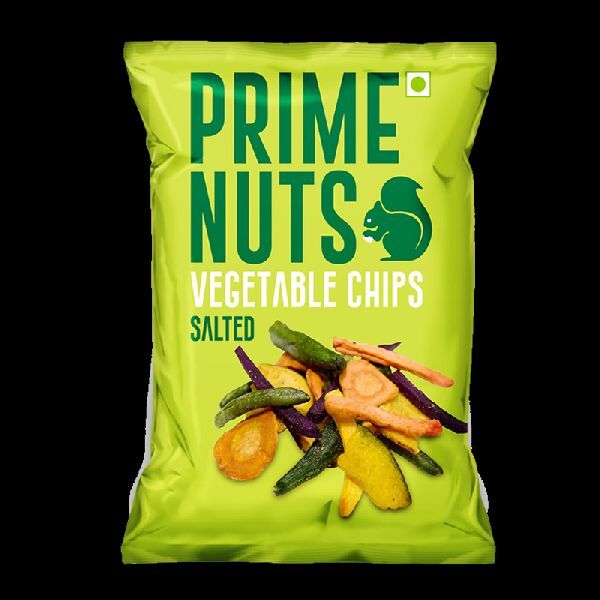
Before the advent of agriculture, humans were hunter-gatherers. They foraged for edible fruit, nuts, stems, leaves, corms, and tubers, scavenged for dead animals and hunted living ones for food. Forest gardening in a tropical jungle clearing is thought to be the first example of agriculture; useful plant species were identified and encouraged to grow while undesirable species were removed. Plant breeding through the selection of strains with desirable traits such as large fruit and vigorous growth soon followed. While the first evidence for the domestication of grasses such as wheat and barley has been found in the Fertile Crescent in the Middle East, it is likely that various peoples around the world started growing crops in the period 10, 000 BC to 7, 000 BC. Subsistence agriculture continues to this day, with many rural farmers in Africa, Asia, South America, and elsewhere using their plots of land to produce enough food for their families, while any surplus produce is used for exchange for other goods. Throughout recorded history, the rich have been able to afford a varied diet including meat, vegetables and fruit, but for poor people, meat was a luxury and the food they ate was very dull, typically comprising mainly some staple product made from rice, rye, barley, wheat, millet or maize. The addition of vegetable matter provided some variety to the diet. The staple diet ofthe Aztecs inCentralAmericawasmaize andtheycultivated tomatoes, avocados, beans, peppers, pumpkins, squashes, peanuts, and amaranth seedsto supplement their tortillas and porridge. In Peru, the Incas subsisted on maize in the lowlands and potatoes at higher altitudes. They also used seeds from quinoa, supplementing their diet with peppers, tomatoes, and avocados.
The Reasons to eat Vegetables
Nutritional composition of Vegetables
i.Okra provides vitamin C and the B vitamins, magnesium, lutein, and potassium.
ii.Green beans are a good source of vitamin C, folic acid, iron, and potassium.
iii.Carrots are rich in beta-carotene, vitamins A and K, and potassium.
iv. Pumpkin is low in Saturated Fat, and very low in Cholesterol and Sodium. It is also a good source of Vitamin E (Alpha Tocopherol), Thiamin, Niacin, Vitamin B6, Folate, Iron, Magnesium and Phosphorus, and a very good source of Dietary Fiber, Vitamin A, Vitamin C, Riboflavin, Potassium, Copper and Manganese.
v.Sweet potato is an excellent source of vitamins A, B6, and C, iron, fiber, and potassium. Plus, just 1 cup of sweet potato contains four times the recommended daily allowance of beta-carotene!
 Prime Nuts FZE (Prime Nuts FZE)M3 - 01 (SAIF Zone) P. O. Box: 123792 Sharjah, U A E, United Arab Emirates
 Share us via