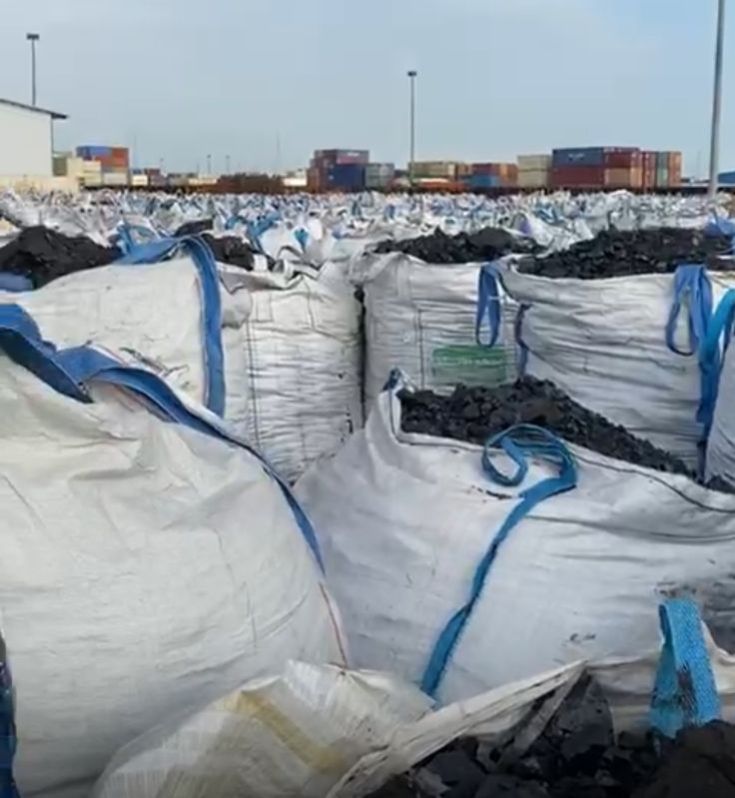
 Dubai, United Arab Emirates
 Write a Review
Our Product / Services
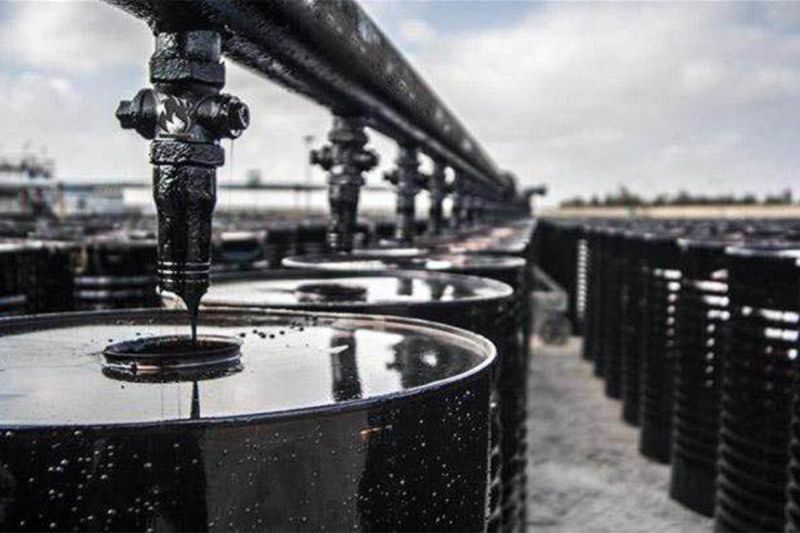
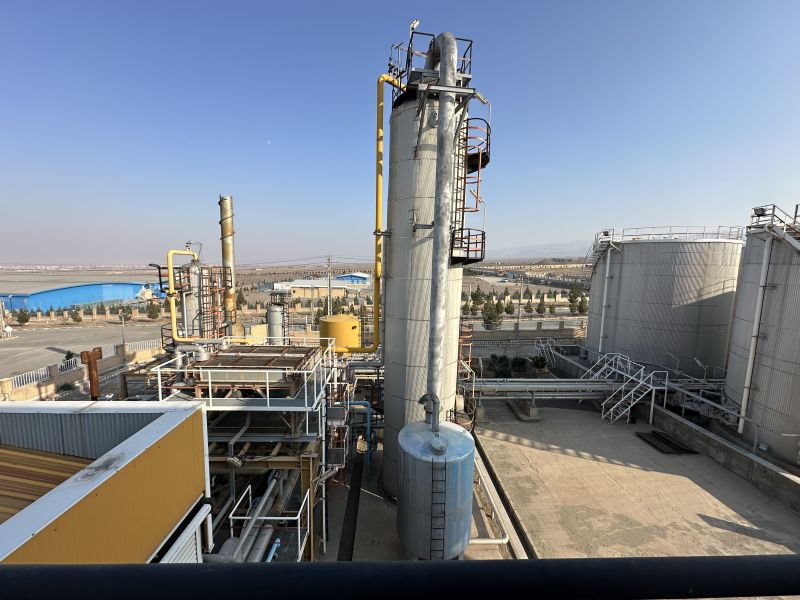
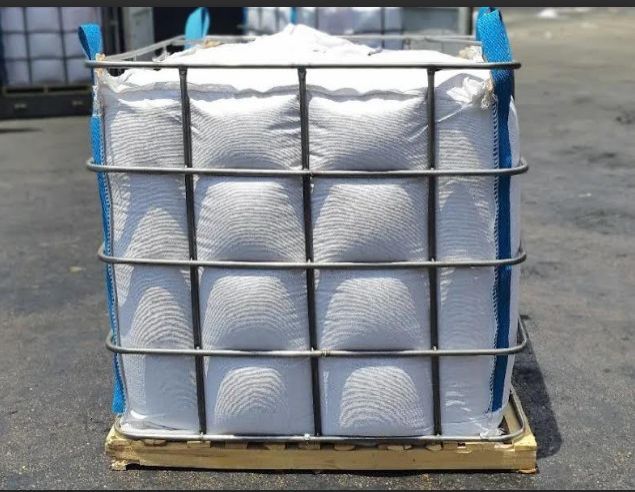
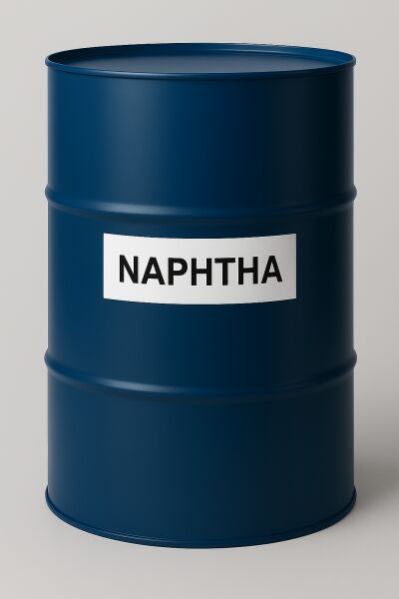
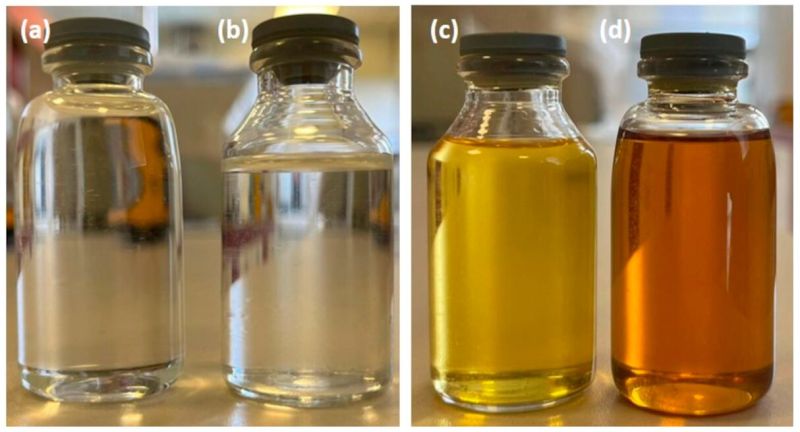
We offer a complete product range of Bitumen, Aromatic Rubber Process Oil, heavy naphtha chemical, Kerosene Oil and Light Naphtha
Technical Details
| Units | Bitumen 40/50 | Bitumen 60/70 | Bitumen 80/100 | Bitumen 100/120 | Test Methods | |
| Specific Gravity @25°C | - | 1.01-1.06 | 1.01-1.06 | 1.01-1.05 | 1.01-1.04 | ASTM D-70 |
| Penetration @25°C, 100gm, 5sec | 0.1MM | 40-50 | 60-70 | 80-100 | 100-120 | ASTM D-5 |
| Softening Point, Ring & Ball | °C | 52-60 | 49-56 | 45-52 | 42-49 | ASTM D-36 |
| Ductility @25°C, after TFOT, Min | CM | 100 | 100 | 100 | 100 | ASTM D-113 |
| Loss on Heating, Max | %Wt | 0.2 | 0.2 | 0.5 | 0.5 | ASTM D-6 |
| Drop in Penetration after Heating, Max | % | 20 | 20 | 20 | 20 | ASTM D-6 & D-5 |
| Flash Point Cleveland open cup, Min | °C | 250 | 250 | 232 | 250 | ASTM D-92 |
| Solubility in CS2, Min | %Wt | 99.5 | 99.5 | 99.5 | 99.5 | ASTM D-4 |
| Organic Matter Insoluble in CS2, Max | %Wt | 0.5 | 0.5 | 0.5 | 0.5 | ASTM D-4 |
| Sport Test | - | Negative | Negative | Negative | Negative | *A.A.S.H.O.T.102 |
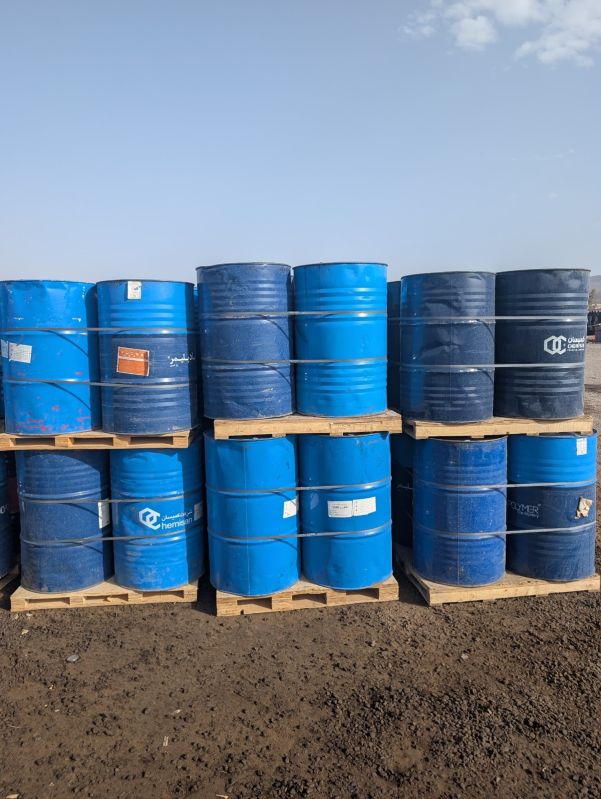
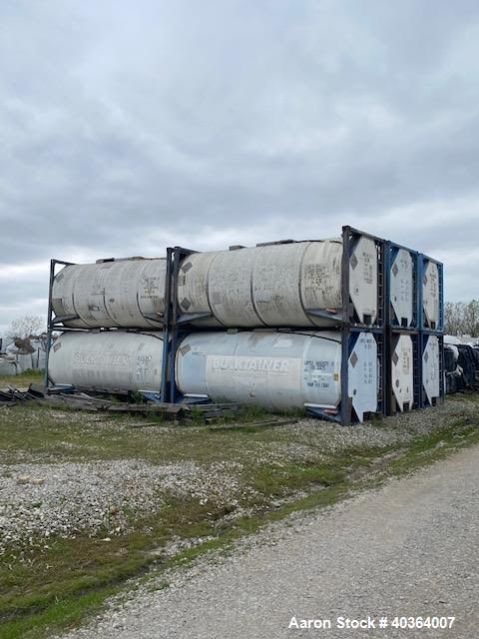
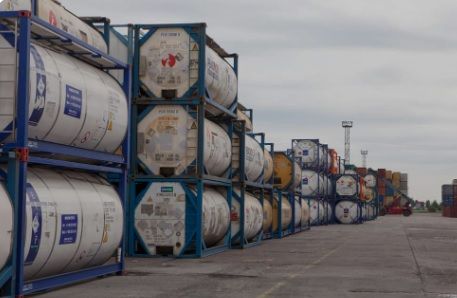
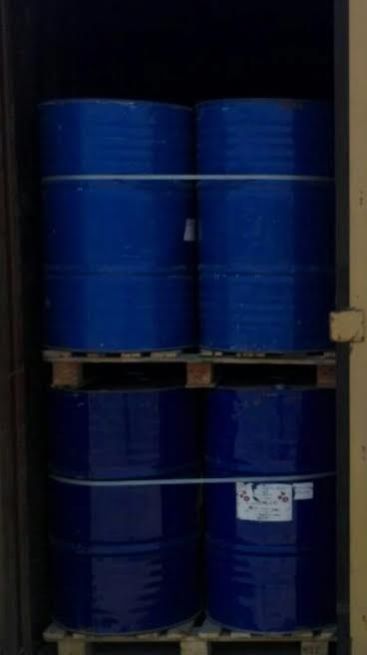
40ft container - 120 drums
Container net weight 24 mt
total 6 container
150 mt
Note
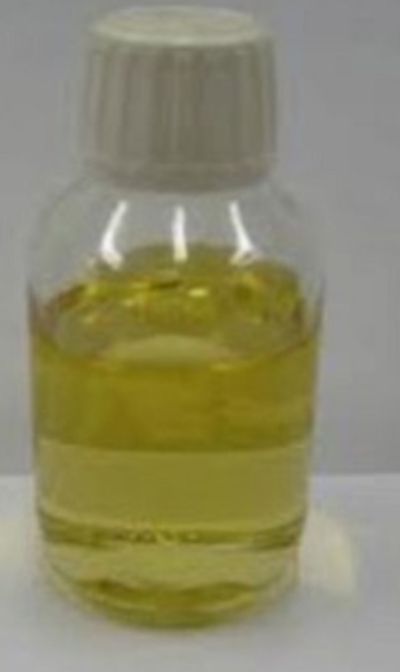
obtained from petroleum and is used for burning in kerosene lamps and domestic heaters or furnaces, as a fuel or fuel component for jet engines, and as a solvent for greases and insecticides. kerosene. Also spelled: kerosine. Also called: paraffin or paraffin oil.
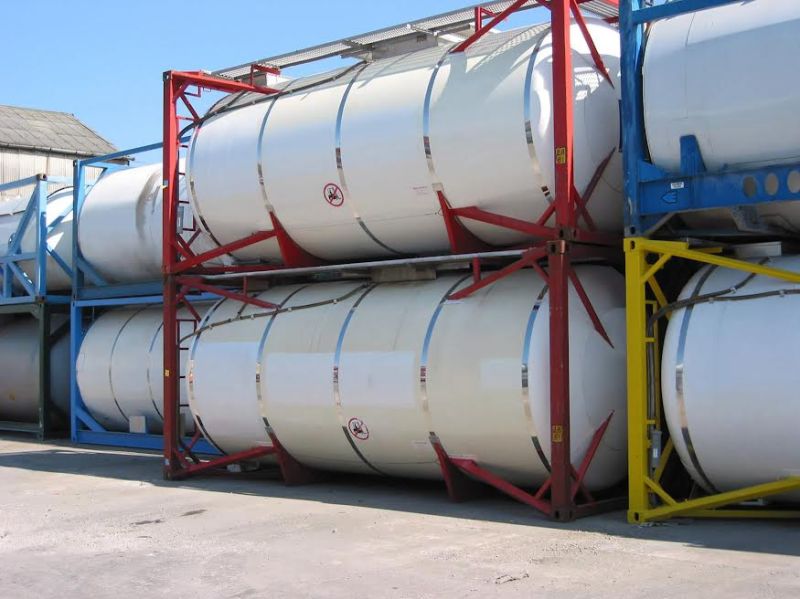
What Is Naphtha?
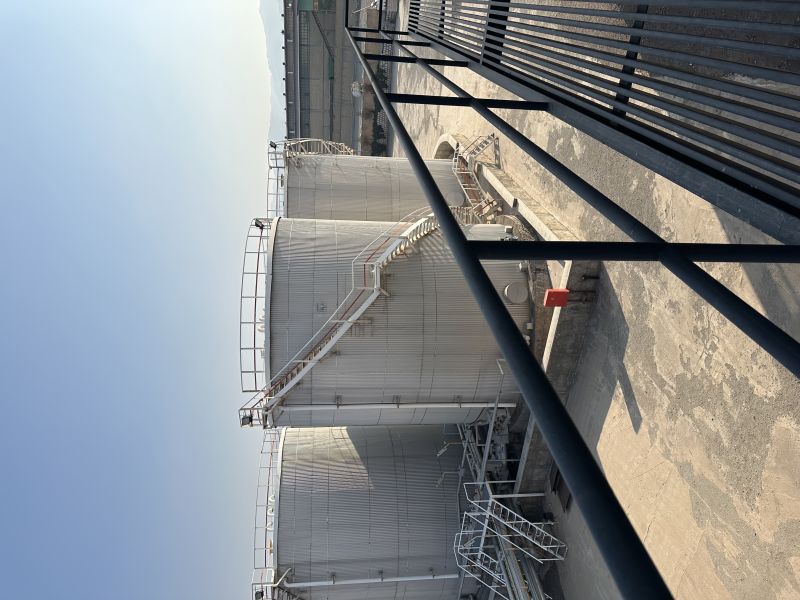
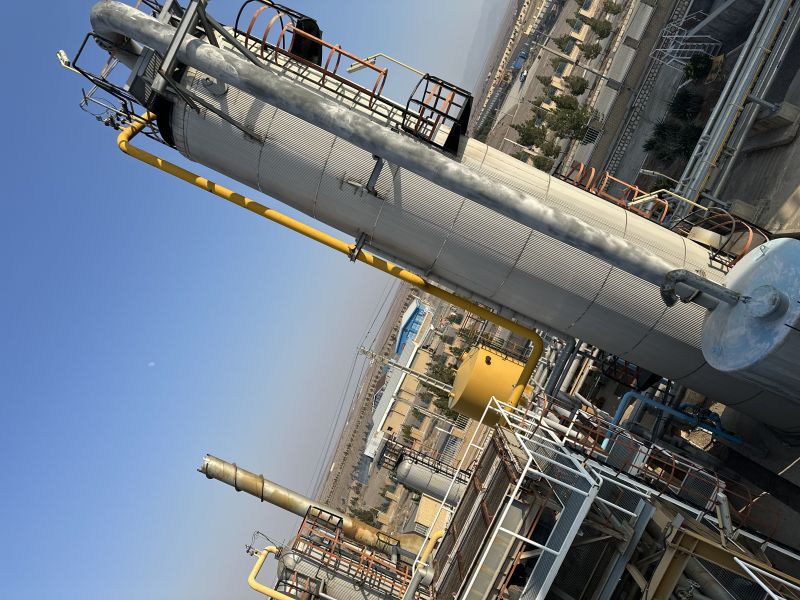
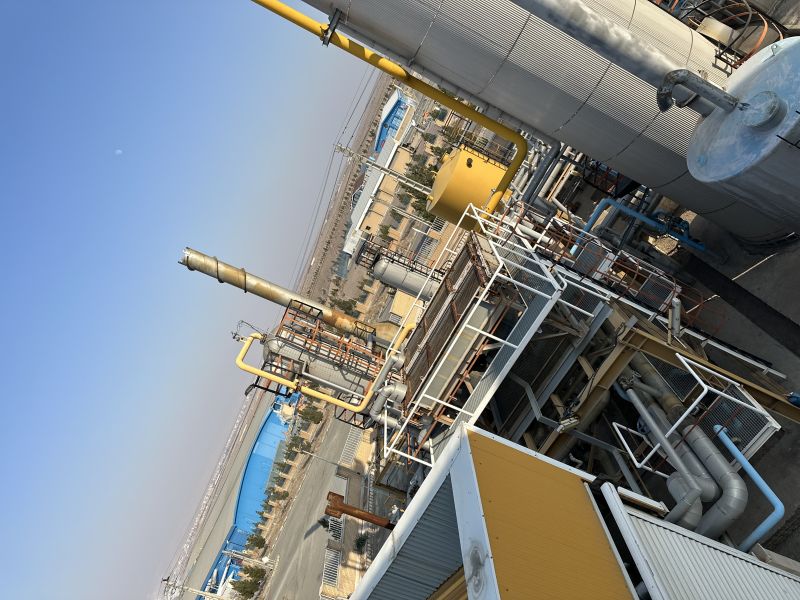
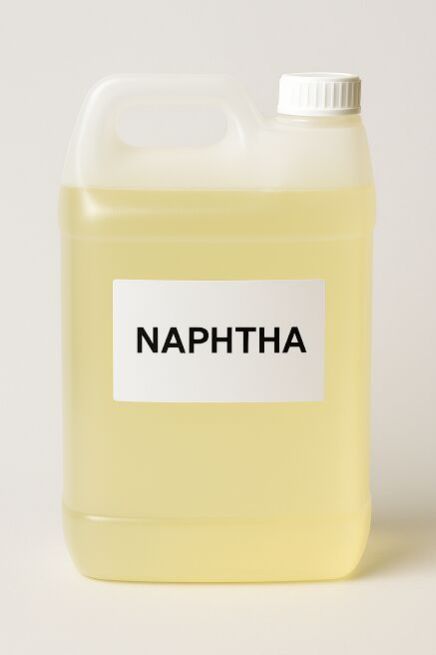
Light naphtha ( as we focus on offer always ) is a volatile, flammable, light hydrocarbon liquid distilled from crude oil or natural gas condensates. It is widely used in petrochemical, fuel, and industrial applications.
Main Purposes Of Light Naphtha
| Industry | Purpose / Application | Why It’s Used |
|---|---|---|
| 1. Petrochemical | Feedstock for steam crackers | To produce ethylene, propylene, butadiene – raw materials for plastics |
| 2. Fuel blending | Blended into gasoline (petrol) | Increases octane rating and enhances volatility |
| 3. Solvent production | Base for making white spirit, cleaning solvents | Used in paints, degreasers, adhesives |
| 4. Aromatics production | Used in catalytic reformers to make benzene, toluene, xylene (BTX) | Raw material for dyes, detergents, plastics |
| 5. Agriculture | Solvent/carrier in pesticides and herbicides | Helps dissolve active ingredients for spray application |
| 6. Industrial cleaning | Used as industrial degreasing agent | Cuts through oil and grease in mechanical environments |
| 7. Resin & rubber | Used as a diluent or plasticizer | Helps flow and flexibility in synthetic rubber/resins |
| 8. Paint & coatings | Thinner for paints, lacquers, varnishes | Improves spreadability and drying |
Types Of Naphtha
| Type | Description | Common Uses |
|---|---|---|
| Light Naphtha | Lower boiling point (30–90°C), more volatile | Petrochemical feedstock, gasoline blending |
| Heavy Naphtha | Higher boiling point (90–200°C), less volatile | Catalytic reforming, gasoline blending |
| Natural Naphtha | Derived from natural gas condensate | Used in ethylene production and solvents |
| Coal Tar Naphtha | From coal tar distillation | Used in some industrial chemicals |
White spirit also known as mineral turpentine, turpentine substitute, petroleum spirits, solvent naphtha (petroleum), varsol, Stoddard solvent, or, generically, “paint thinner”, is a petroleum-derived clear, transparent liquid used as a common organic solvent in painting and decorating
 Dr Mehdi (Royaal Divison)No. 2802, Silver Tower, JLT, Dubai - 00000, United Arab Emirates
 https://www.royaal-division.com
 Share us via