 GST : 33AIXPV4926F1ZO
 Write a Review
Our Products
We are one of the most celebrated Manufacturers, Exporters and Suppliers of the wide array of Bio Fertilizer. The offered Fertilizer is sternly manufactured in the state of the art manufacturing unit that is well-equipped with the latest machines and technology. Our pool of experts ensures that the Fertilizer contains all the required nutrients More..
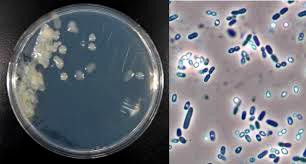
We offer Pseudomonas Fluorescens. The product is available in liquid (@ of 1x10⁹ bacterial cells ml) and powder (@ of 1x10⁸bacterial cells gm) formulation. Mode of action it controls the pathogens by winning the competition for food in the substrate. Antibiosis: offers a long-lasting control against the pathogens by secreting secondary metabolites which exhibit antibiosis effect on the pathogen. Dose and method of application greenhouse potting mix or soil drench: suspend pseudomonas in sufficient water (1000 ml 100 l) to achieve uniform application. Apply at the rate of 200 ml per cubic meter (loose) of greenhouse potting mix, soil or planting beds. For bulbs & ornamental: dip bulbs in pseudomonas suspension of 10 ml litre prior to planting. Seed dressing: pseudomonas@ 6 ml per kg of seeds can be used along with the appropriate stickers wetting agents to coat the seeds. Seedling treatment: pseudomonas@ 10 ml litre of water prior to planting. Over-dosing does not cause any harmful side effects. Drip system: pseudomonas can be applied through low pressure watering nozzles such as fan nozzles or other watering systems after careful filtering. Agitate to maintain suspension. For best effect, treat potting mix several days before its use for seeding or transplants. Soil application: the required quantity of pseudomonas can be mixed with the organic fertilizer (@ 3 litres of pseudomonas with 1000 kgs of organic fertilizer). Mix it well and apply. Foliar spray: mix pseudomonas@ 2 litres ac. In 500 litres of water and spray during early crop stage. Repeat application every 15 days once in needed for better control. Preparation of spray solution pseudomonas should be thoroughly mixed with water and allowed to stand for 10-15 minutes. Decant into a clean container and use it on the same day. Sediment can be tipped onto soil or compost heap, as there is still some benefit left. Compatibility pseudomonas is compatible with fungicides.

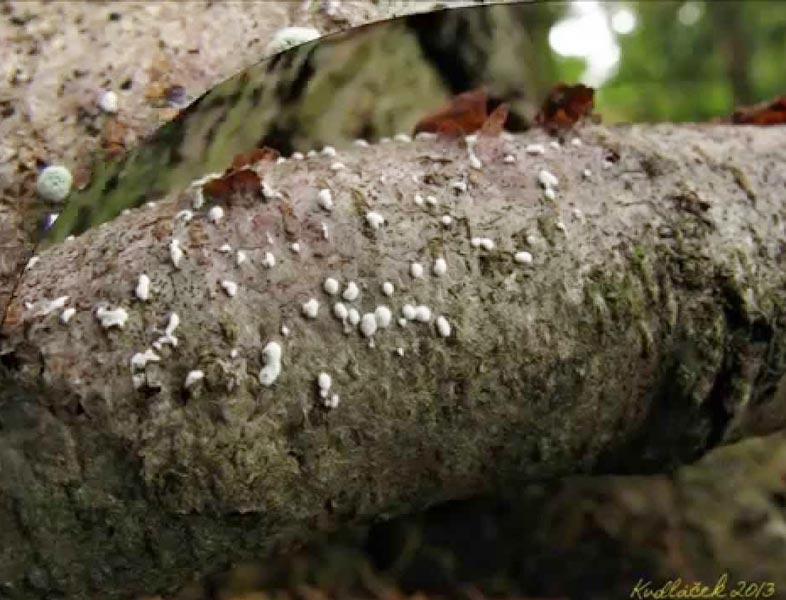
We offer Our biofertilizer product is Azospirillum Lipoferum (spirillum lipoferum in earlier literature) are primary inhabitants of soil, the rhizosphere and intercellular spaces of root cortex of graminaceous plants. They perform the associative symbiotic relation with the graminaceous plants. The genus azospirillum comprises free-living, nitrogen-fixing bacteria that are known as plant growth-promoting rhizobacteria (pgpr), which can colonize, by adhesion, the root surface or the intercellular spaces of the host plant roots. The potential role of the pgpr in association with economically important cereals and other grasses is to promote plant growth by several mechanisms including nitrogen fixation and phytohormone production. Several species of azospirillum are able to secrete phytohormones such as auxins, gibberellins, cytokinins, and nitric oxide as signals of plant growth promotion physical features of liquid azospirillum · the colour of the liquid may be blue or dull white. · bad odours confirm improper liquid formulation and may be concluded as mere broth. · production of yellow gummy colour materials confirms the quality product. · acidic ph always confirms that there is no azospirillum bacteria in the liquid. · n2 fixing capacity of azospirillum in the roots of several plants and the amount of n2 fixed by them. Advantages: · azospirillum, an associate nitrogen fixer, fixes atmospheric nitrogen on the root surface, which is taken up by the plants. · besides, it secretes growth hormones, which enhance root development. · it also produces growth-promoting substances like indole acetic acid (iaa), gibberellins, pantothenic acid, thiamine and niacin and it promotes root proliferation and it improve the plant growth yield.
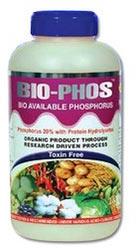
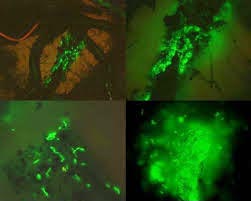
We offer phos is Bio-Phos Phosphobacteria, its a biofertilizer, phosphorus is a major nutrient for plants inducing vigorous growth and also contributing to their disease resistance. Phosphorous helps in root formation and plant growth. phosphobacteria the group of bacteria that colonize roots that seems to fix the phosphate molecules in the root portion, improved nutrient acquisition (termed biofertilizers), or phytohormone production (termed biostimulants). They produce include indole-acetic acid, cytokinins, gibberellins and inhibitors of ethylene production. Advantages: biopromoter facilitates root formation and plant growth. It improves soil quality with subsequent uses. It should not be mixed with antibacterial agents and inorganic fertilizers. 10 to 15% increase of crop yield can be achieved with the use of this culture. Promotes root, flower and fruit development, and allows early maturity. mode of action carbon utilization: the phosphobacteria on application to the soil get activated and multiply by utilizing the carbon source of soil or exudates of the root and in this process secrete organic acids and enzymes. Metabolite production: phosphobacteria produces organic acids such as indole aceric acid. Gluconic acid and enzymes that help solubilize the fixed phosphorus into exchangeable form. These organic acids through their hydroxyl and carboxyl groups chelate the cations (mainly calcium) bound to phosphate converting them into the soluble forms. Method of application seed treatment: mix 10 ml. Of phosteria with 10 g. Of crude sugar in sufficient water to make a slurry and coat 1 kg of seeds, dry in shade and sow broadcast dibble in the field. Note: do not store treated coated seeds more than 24 hrs seedling treatment: mix 50 ml of phosteria with sufficient quantity of water and organic manure to form a slurry. The seedlings are dipped in this slurry for 30 minutes prior to planting so that the bacteria get attached to the roots.
 Dr. P. Vimalanathan (Agile India Exports)
 1/263 A, Devarasampatty, A.Jetty Halli (Post Office), Dharmapuri, Tamil Nadu - 636807, India
 Share us via