My ExportersIndia

For Buyer

For Seller

For Help

Our Products

Our Complete range of products are Flax Seed, Chia Seed, Soyabean Seed, Fenugreek Seed and Wheat.
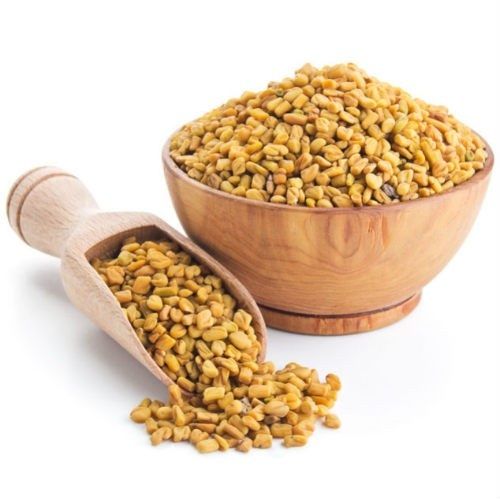
Fenugreek Seed

  • Packaging Type Plastic Box, 25/30/50 Kg High Density Polyethylene Bags
  • Form Granules
  • Usage/Application Spices, Cooking
  • Material Fenugreek
Fenugreek (Trigonella foenum-graecum) is an herb similar to clover. The seeds taste similar to maple syrup and are used in foods and medicine. Fenugreek is native to the Mediterranean, Europe, and Asia. Fenugreek seems to slow sugar absorption in the stomach and stimulate insulin. Both of these effects lower blood sugar in people with diabetes. Fenugreek might also improve levels of testosterone and estrogen, helping to improve interest in sex. People commonly use fenugreek for diabetes, menstrual cramps, sexual problems, enlarged prostate, high cholesterol, obesity, and many other conditions, but there is no good scientific evidence to support most of these uses.

Additional Information:

Payment Terms : L/C, D/P,

Packaging Details : As required by buyer

Delivery Time : 15 days
View Complete Details

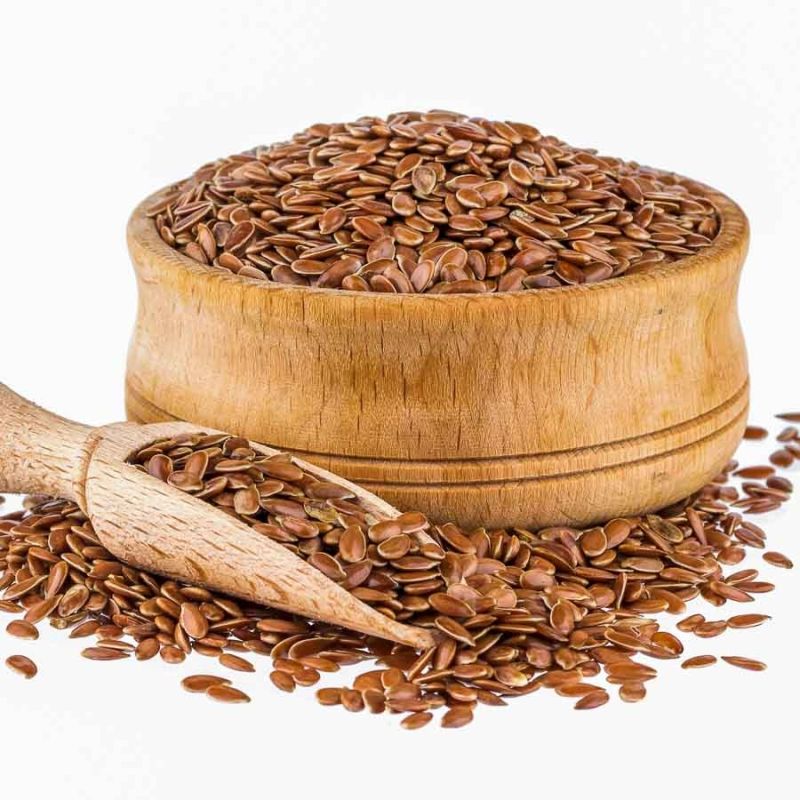
Flax Seed

  • Packaging Type Resealable Bag
  • Usage/Application Food Consumption, Baking, Smoothies
  • Type Seeds
  • Material Flax
  • Storage Cool, Dry Place
Flax (Linum usitatissimum) is a food and fiber crop. Flaxseeds are a good source of dietary fiber and omega-3 fatty acids, including alpha-linolenic acid. Flaxseeds also contain phytoestrogens called lignans, which are similar to the hormone estrogen. The fiber in flaxseed is found in the seed coat. When taken before eating, it seems to make people feel less hungry. It might also help limit how much cholesterol the body absorbs from food. Flaxseed is used for constipation, diabetes, high cholesterol, obesity, and swelling of the kidneys in people with lupus. It is also used for many other conditions, but there is no good scientific evidence to support most of these other uses. Flaxseed and flaxseed oil have different effects. For information about the oil, see Flaxseed Oil.
View Complete Details

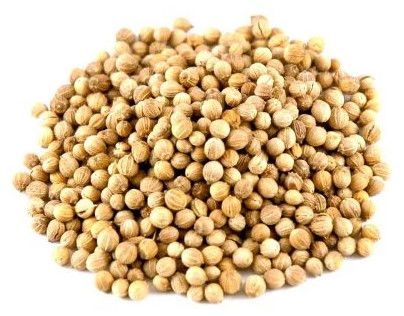
Coriander Seed

  • Material Coriander
  • Packaging Type Plastic Bags Or Sealed Containers
  • Usage/Application Cooking, Seasoning, Pickling
  • Storage Cool, Dry Place Away From Sunlight
  • Shelf Life 1-2 Years
Coriander (Coriandrum sativum) is a plant in the Apiaceae family. Its fruit (seeds) are typically called "coriander" while its leaves are called cilantro. Coriander is a source of vitamin C, calcium, magnesium, potassium, and iron. Coriander essential oil might have antibacterial effects. Coriander also contains chemicals that might lower blood pressure by causing blood vessels to dilate and work like a "water pill" (diuretic). People use coriander for anxiety, constipation, diabetes, indigestion, parasite infections, irritable bowel syndrome (IBS), skin irritation, and many other conditions, but there is no good scientific evidence to support these uses.
View Complete Details

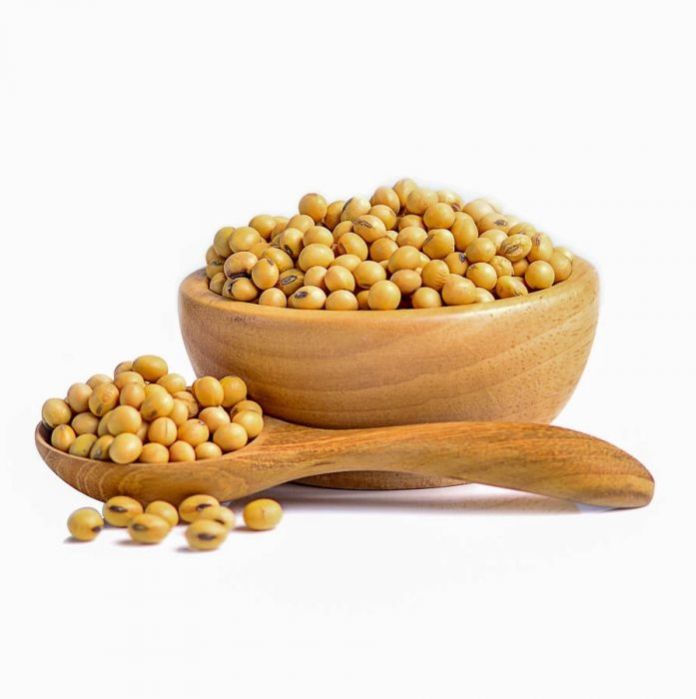
SOYABEAN SEED

  • Number Of Flower Edible Legume Seed
  • Material Soybean
  • Packaging Type Depends On Supplier
  • Color Varies (typically Light Yellow To Brown)
  • Benefits High Cholesterol, High Blood Pressure, Heart Disease
The soybean, soy bean, or soya bean is a species of legume native to East Asia, widely grown for its edible bean, which has numerous uses. Traditional unfermented food uses of soybeans include soy milk, from which tofu and tofu skin are made. Soy contains isoflavones which are changed in the body to phytoestrogens. Phytoestrogen molecules are similar in chemical structure to the hormone estrogen. In some cases, these phytoestrogens can mimic the effects of estrogen. In other cases, these phytoestrogens can block the effects of estrogen. Soy is used for high cholesterol, high blood pressure, heart disease, diabetes, symptoms of menopause, and premenstrual syndrome (PMS). It is also used for many other conditions, but there is no good scientific evidence to support many of these uses.
View Complete Details

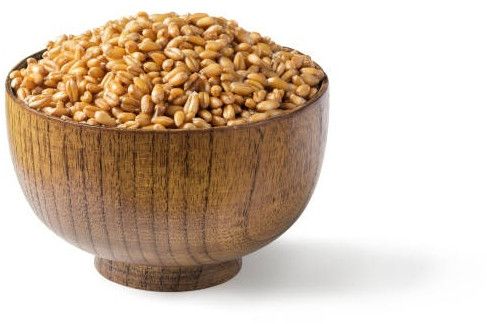
Wheat

  • Packaging Type Bags, Boxes
  • Application Bread, Pasta, Cake, Crackers, Cookies, Pastries
  • Material Edible Grains
  • Origin Genus Triticum
Wheat, any of several species of cereal grasses of the genus Triticum (family Poaceae) and their edible grains. Wheat is one of the oldest and most important of the cereal crops. Of the thousands of varieties known, the most important are common wheat (Triticum aestivum), used to make bread; durum wheat (T. durum), used in making pasta (alimentary pastes) such as spaghetti and macaroni; and club wheat (T. compactum), a softer type, used for cake, crackers, cookies, pastries, and flours. Additionally, some wheat is used by industry for the production of starch, paste, malt, dextrose, gluten, alcohol, and other products.
View Complete Details

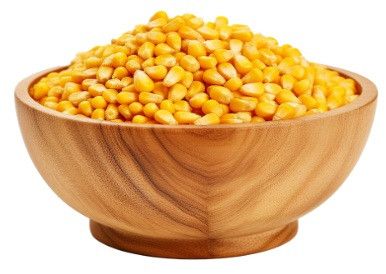
CORN (MAIZE)

  • Usage/Application Bioethanol Production
  • Material Starch (seed) And Cellulosic (stover)
  • Ethanol Yield Highest: 90.2%, Lowest: 69.32%
Maize is one of the most important naturally renewable sources of carbohydrate raw materials, energy and series of diverse products. Maize can provide both starch (seed) and cellulosic (stover) material for bioethanol production. The aim of this paper is study of the utility of ZP maize hybrids as raw material for bioethanol production. Obtained results show that maize hybrids differ in ethanol yield production. The highest ethanol yield, expressed in% of the theoretical yield, after 34 hours of fermetation was obtained with ZP 434, 90.2% and the lowest one with ZP544, 69.32%.
View Complete Details

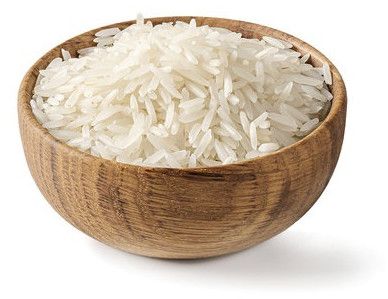
Rice

  • Packaging Type Typically Comes In Bags Or Sacks
  • Usage/Application Commonly Used In Indian Cuisine For Dishes Like Biryani
  • Material White Rice
  • Calories Per Cup 191 Calories
  • Fat Percentage 3%
  • Carbs Percentage 85%
  • Protein Percentage 12%
Basmati is a variety of white rice traditionally from the Indian subcontinent. Basmati rice is long, slender-grained and aromatic. This variety of rice is popular for its distinct aroma and unique flavour. Although commonly used to make different types of biryanis, there's a lot more that you can do with basmati rice than make biryani. Because of its size, aroma and taste basmati offers itself to a number of delicious Indian recipes. There are 191 calories in 1 cup of cooked basmati rice of which 3% is from fat, 85% is from carbs, and 12% is from protein. 100 grams of white basmati rice has Protein - 8.1 grams Carbohydrate - 77.1 grams Fat - 0.6 grams Fibre - 2.2 grams. Basmati rice contains thiamin and niacin, two B vitamins that are very valuable to our metabolism. Because basmati rice is high in calories it is also a good source of instant energy. The brown variant of basmati rice is also a good source of fibre.
View Complete Details

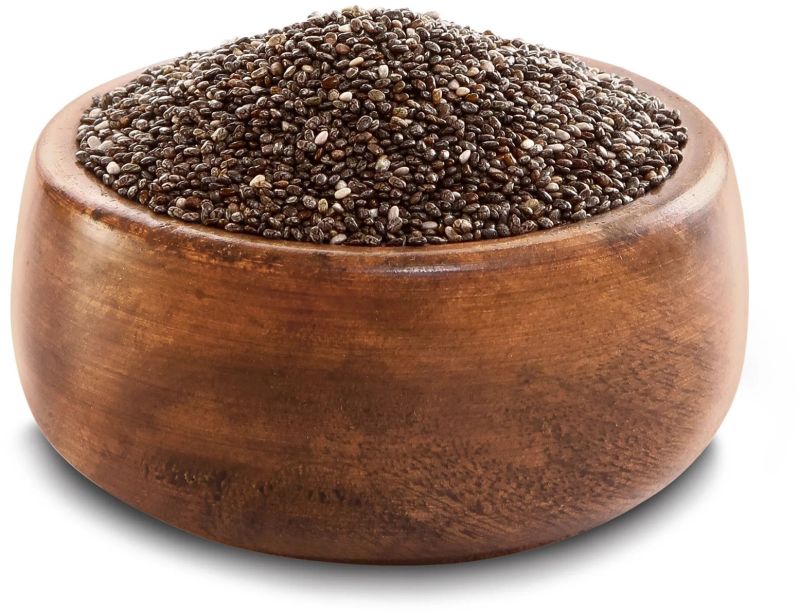
Chia Seed

  • Number Of Flower Seed
  • Material Chia (Salvia Hispanica)
  • Source Of Omega-3 Fatty Acids Yes
  • Dietary Fiber Content High
Chia (Salvia hispanica) is an herb that originated in Mexico and was cultivated by the Aztecs. It's grown for its seed, a source of omega-3 fatty acids. In addition to omega-3 fatty acids such as alpha-linolenic acid (ALA), chia seeds contain a large amount of dietary fiber. Omega-3 fatty acids and dietary fiber might help reduce risk factors for heart disease. People use chia seed for diabetes, athletic performance, high blood pressure, heart disease, itching, and many other conditions, but there is no good scientific evidence to support these uses.
View Complete Details
Tell Us What are you looking for? Will call you back

Contact Us