
 GST : 09EHQPB1174M1ZW
 5.0/5
5.0/5
Our Products
Leading Manufacturer, Supplier & Retailer of Organic Vermiwash ( 100% Pure ) and Vermiculture Earthworm ( Eisenia Fetida ).
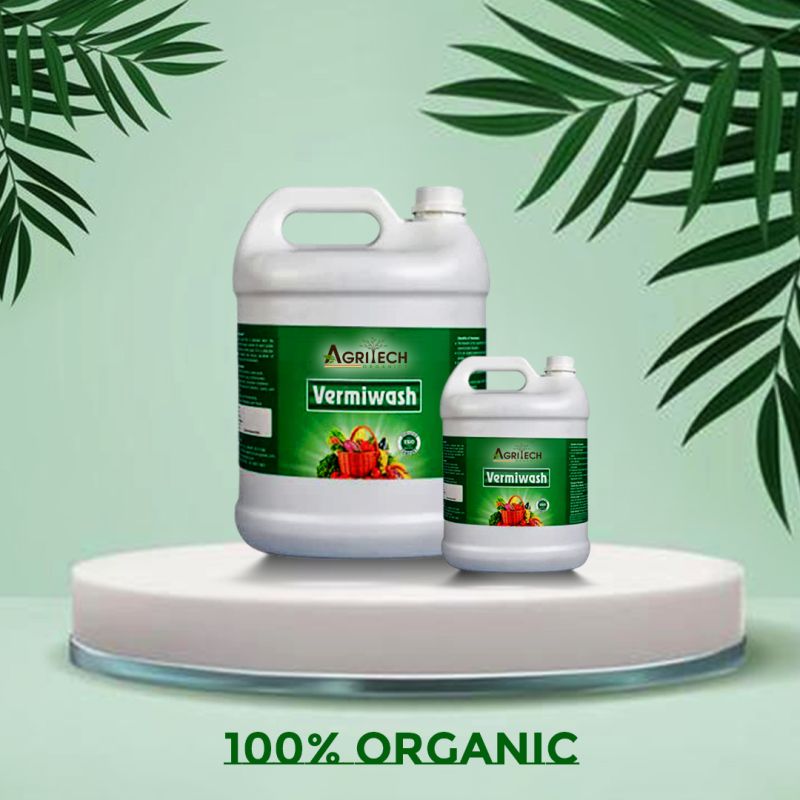
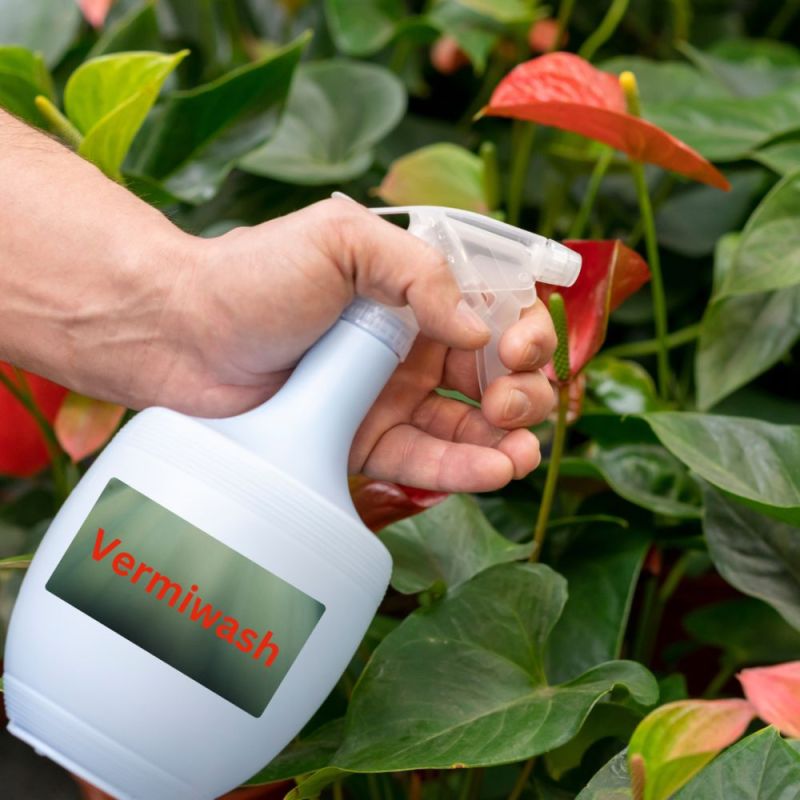
Vermiwash
An organic tonic for crops
Vermiwash is the liquid that is collected after water passes through compost made by earthworms. It is rich in plant growth hormones, micro-nutrients, and major nutrients like nitrogen, phosphorous and potassium.
About Vermiwash
Vermiwash is a liquid extract produced from vermicompost in a medium where earthworms are richly populated. It comprises a massive decomposer bacteria count, mucus, vitamins, different bioavailable minerals, hormones, enzymes, different antimicrobial peptides, etc. This paper aimed to assess how these natural products in vermiwash suppressed the pathogen and pests. Thus, we have reviewed the importance of vermiwash/vermicompost in disease control, the mechanism of disease suppression, the components of vermiwash applied in disease suppression, and pest control to use the scientific facts in agriculture to enhance the productivity of the crops. The bioactive macromolecules from the skin secretion of earthworm, coelomic fluid, and mucus directly able to defend pathogenic soil microbes against the worm and thereby freed the environment from the disease. Earthworms establish symbiotic relations with microbes, produce an essential product that supports the growth of plants, and suppress plant's root disease. It is recomended that earthworm should be inoculated in an agricultural field, or prepare and apply its vermiwash/vermicompost as a spray or as additive bio-fertilizer in the soil to enhance the productivities of the crops.


EarthWorm ( Eisenia fetida )
Can Any Type of Earthworm be Used for Vermicomposting?
The best types of worms for vermicomposting are red wigglers (Eisenia fetida) and redworms These two species make great worms for the compost bin because they prefer a compost environment to plain soil, and they are very easy to keep. Worms that feed on vegetable waste, compost, and organic bedding produce richer casting than those that feed on plain soil. You won't find red wigglers in garden soil. You may find redworms near compost, under rotting logs, and in other organic situations. The problem is identifying them.
 Mr. Mohit Bhati, Mr. Aakash Rathore (AGRI TECH ORGANICS)
 Vidhya Nagar Dadri, Gautam Budh Nagar, Greater Noida, Uttar Pradesh - 203207, India
 Share us via