 GST : 29AANCA1599A1ZJ
 4.5/5
4.5/5
Our Product / Services
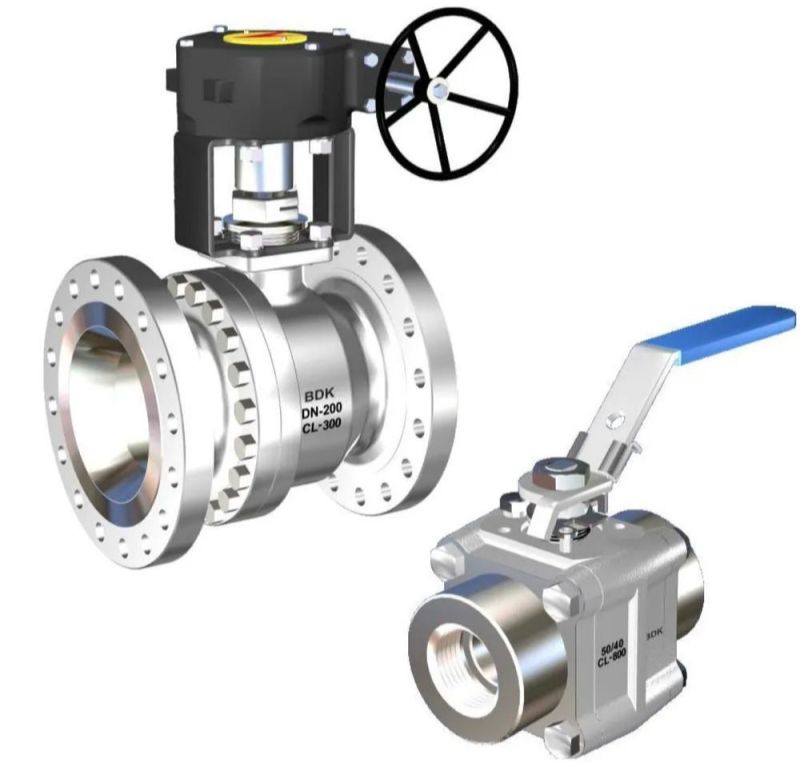
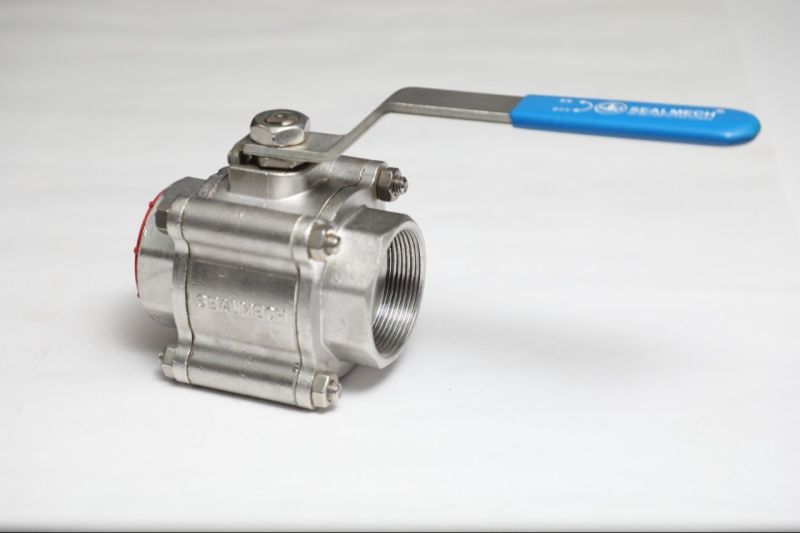
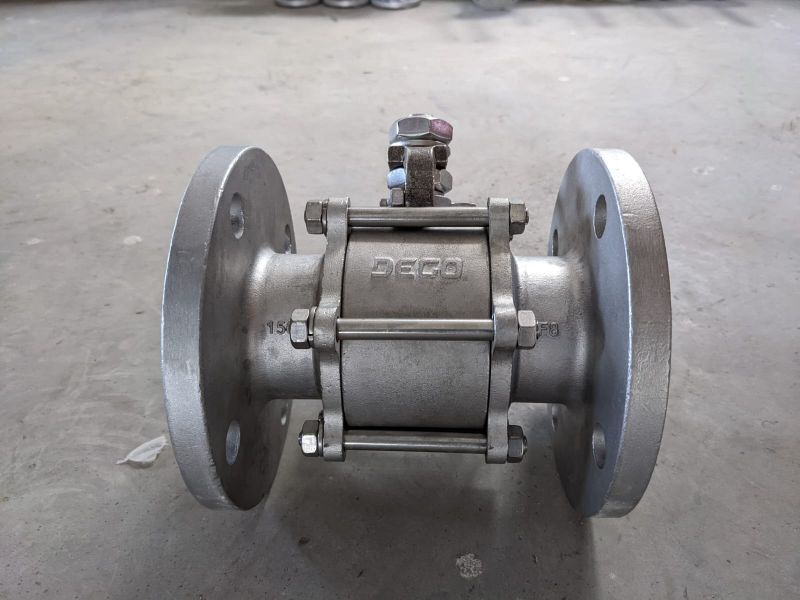
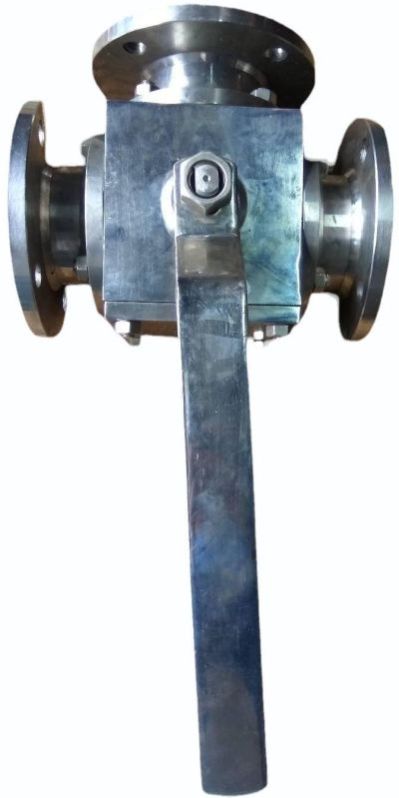
Leading Manufacturer, Supplier & Retailer of Floating Ball Valves and Pressure Relief Valve.
Floating ball valves are a type of quarter-turn valve used to control the flow of liquids or gases in pipelines. The valve features a ball with a hole or port through its center, which rotates to either allow or block flow. In a floating ball valve, the ball is not fixed in place but \"floats\" within the valve body, relying on the pressure of the fluid to press the ball against the seat, creating a tight seal. This design makes them ideal for medium- to high-pressure applications, providing reliable sealing even under varying flow conditions. Floating ball valves are commonly used in industries like oil and gas, water treatment, and HVAC for flow regulation, shutoff, or diversion. They offer low torque operation, meaning less force is required to turn the valve. Made from materials like stainless steel or brass, they are durable and resistant to corrosion, making them suitable for aggressive or corrosive fluids. These valves are available in manual or actuated versions, allowing for both manual control and automated operation. Floating ball valves provide a simple yet effective solution for fluid isolation, ensuring minimal maintenance and long service life. They are designed for easy installation and offer a reliable and efficient way to manage flow in a variety of applications.
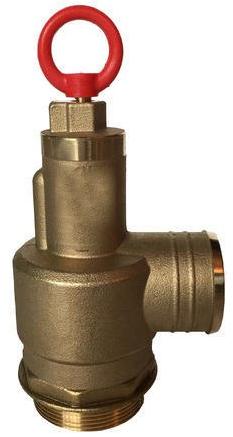
A Pressure Relief Valve (PRV) is a safety device used to protect systems and equipment from overpressure by releasing excess pressure when it exceeds a preset limit. It automatically opens to allow fluid or gas to escape, preventing damage to pipes, vessels, or machinery. PRVs are commonly used in industries like oil and gas, chemical processing, and HVAC to ensure the integrity of pressure vessels and pipelines. These valves are critical for maintaining safe operating conditions by ensuring pressure remains within safe limits. They are designed to reset automatically after relieving pressure, returning to a sealed position once the pressure drops to a safe level. Pressure relief valves are available in various designs, including spring-loaded, pilot-operated, and balanced bellows types, to suit different system requirements. Constructed from durable materials, PRVs are designed to withstand high-pressure environments and harsh operating conditions. In addition to protecting against overpressure, they help improve system efficiency by preventing unnecessary pressure buildup. Regular maintenance and testing of PRVs are essential to ensure they function correctly when needed. Ultimately, pressure relief valves play a vital role in enhancing safety, preventing accidents, and ensuring the smooth operation of industrial systems.
 Mr. Prasad (Aira Trex Solutions (I) PVT LTD)
 1st Floor, Tiana Castle No 220, 3rd Cross, (Off Outer Ring Road), Kasturi Nagar, Bengaluru, Karnataka - 560043
 https://www.airatrex.in
 Share us via