
My ExportersIndia

For Buyer

For Seller

For Help

AJ AGRI EXPORTS
gstGST : 23BVDPJ6610C1Z7 Write a Review

Our Products

Our product range contains a wide range of Indian Brown Lentils, Neem Giloy Stem, Cress Seeds, Fenugreek Seed and Neem Leaves
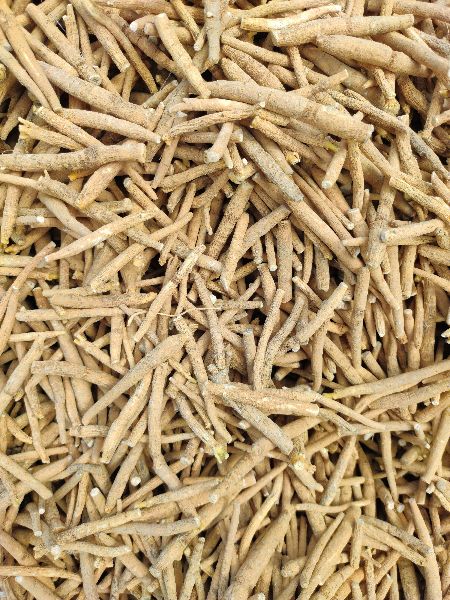
Ashwagandha Roots

25,000 - 51,000 / Quintal Get Latest Price
  • Botanical Name Withania Somnifera
  • Name Ashwagandha roots
  • MOQ As per requirement

We are deal in all qualities of Ashwagandha Roots.

View Complete Details

Fenugreek Seed

  • Material Fenugreek Plant Seeds
  • Packaging Type Typically Comes In Sealed Packets Or Containers
  • Type Seed
  • Plant Life Annual
Fenugreek is an annual plant in the family Fabaceae, with leaves consisting of three small obovate to oblong leaflets. It is cultivated worldwide as a semiarid crop. Its seeds and leaves are common ingredients in dishes from the Indian subcontinent where it is called methi.
View Complete Details

Cress Seeds

  • Packaging Type Varies
  • Usage/Application Used In Salads, Soups, And Smoothies.
  • Type Edible Seeds
  • Flavor Peppery And Tangy
  • Aroma Aromatic
Garden Cress is an edible related to the family of watercress, mustard and is known for its peppery, tangy flavour and aroma. It is a winter perennial and the leaves are extensively used as a garnish in European foods like pasta, sandwiches, while the tiny, nutty seeds are used in salads, soups and smoothies.
View Complete Details

Dill Seeds

  • Flavor Aromatic With A Slight Citrus Flavor
  • Usage/Application Commonly Used To Elevate The Flavor Of Various Dishes
  • Type Herb/Spice
  • Material Anethum Graveolens
Dill (Anethum graveolens) is an herb that 's found throughout European and Asian cuisines. While the leaves have a sweet, grassy flavor, dill seeds are more aromatic, with a slight citrus flavor that 's similar to caraway seeds. As herb and spice, dill is commonly used to elevate the flavor of various dishes.
View Complete Details

Coriander Seeds

  • Type Herb
  • Material Seeds
  • Packaging Type Typically Comes In Sealed Packets Or Containers
  • Usage/Application Culinary Purposes, Can Be Added To Various Dishes For Flavor
Coriander is a fragrant, antioxidant-rich herb that has many culinary uses and health benefits. It may help lower your blood sugar, fight infections, and promote heart, brain, skin, and digestive health. You can easily add coriander seeds or leaves sometimes known as cilantro to your diet.
View Complete Details

Kalonji Seeds

  • Packaging Type Typically Sold In Sealed Packets Or Containers
  • Usage/Application Commonly Used As A Spice In Asian Cooking
  • Type Spice
  • Material Nigella Sativa Seeds
Kalonji may refer to the black seeds of the plant Nigella sativa, used as a spice in Asian cooking
View Complete Details

Carom Seeds

  • Material Trachyspermum Ammi
  • Usage/Application Commonly Used As A Spice In Cooking
  • Type Seeds
  • Family Apiaceae
  • Consumed By Humans
Ajwain, ajowan, or Trachyspermum ammialso known as ajowan caraway, thymol seeds, bishop 's weed, or caromis an annual herb in the family Apiaceae. Both the leaves and the seedlike fruit of the plant are consumed by humans. The name "bishop 's weed " also is a common name for other plants.
View Complete Details

Tukmaria Seeds

  • Number Of Flower Seeds
  • Packaging Type Typically In A Sealed Packet
  • Usage/Application Used For Culinary And Medicinal Purposes
  • Material Basil
  • Flower Size Small
Basil is an annual, or sometimes perennial, herb used for its leaves. Depending on the variety, plants can reach between 30 cm (0.98 ft) and 150 cm (4.9 ft). Its leaves are richly green and ovate, but otherwise come in a wide variety of sizes and shapes depending on cultivar. Leaf sizes range from 3 cm (1.2 in) to 11 cm (4.3 in) long, and between 1 cm (0.39 in) and 6 cm (2.4 in) wide. Basil grows a thick, central taproot. Its flowers are small and white, and grow from a central inflorescence that emerges from the central stem atop the plant.
View Complete Details

Psyllium Seeds

  • Number Of Flower Fiber Supplement
  • Packaging Type Typically Comes In Airtight Packaging
  • Material Plantago Ovata Seeds
  • Benefits Supports Heart Health And Pancreatic Function
Psyllium is a form of fiber made from the husks of the Plantago ovata plants seeds. It sometimes goes by the name ispaghula. Its most commonly known as a laxative. However, research shows that taking psyllium is beneficial to many parts of the human body, including the heart and the pancreas.
View Complete Details

Psyllium Husk

  • Number Of Flower Fiber Supplement
  • Packaging Type Typically Comes In A Resealable Pouch Or Container
  • Application Promotes Digestive Health And Regularity
  • Material Psyllium Husk
  • Benefits Supports Overall Health And Well-being
For centuries, psyllium husk has been used in the ancient traditional medicine of Ayurveda to promote the bodys overall health and well-being. This ancient knowledge has now been proven by modern science, and today psyllium is known as one of the most effective fibers for maintaining regular digestive health
View Complete Details

Indian Ginseng Extract

  • Usage Commonly Used In Traditional Medicine And Supplements
  • Packaging Type Typically Comes In Sealed Pouches Or Bottles
  • Type Plant Extract
  • Material Withania Somnifera

Withania somnifera, known commonly as ashwagandha, Indian ginseng, poison gooseberry, or winter cherry, is a plant in the Solanaceae or nightshade family. Several other species in the genus Withania are morphologically similar.

View Complete Details

Flax Seeds

  • Packaging Type Typically Comes In A Resealable Bag Or Container
  • Usage/Application Can Be Used In Smoothies, Salads
  • Type Seeds
  • Material Flax
  • Benefits High In Omega-3 Fats, Rich Source Of Alpha-linolenic Acid (ALA)
Flax Seeds Are High in Omega-3 Fats They are a rich source of alpha-linolenic acid (ALA), a mostly plant-based omega-3 fatty acid ( 2 ). ALA is one of the two essential fatty acids that you have to obtain from the food you eat, as your body doesn 't produce them.
View Complete Details

Groundnuts

  • Number Of Flower Edible Seeds
  • Packaging Type Usually Sold In Bulk Or In Bags
  • Application Consumed As A Snack, Used In Cooking
The peanut, also known as the groundnut, goober, pindar or monkey nut, and taxonomically classified as Arachis hypogaea, is a legume crop grown mainly for its edible seeds. It is widely grown in the tropics and subtropics, being important to both small and large commercial producers.
View Complete Details

Mustard Seeds

  • Type Culinary Oil-seeds
  • Material Brassica Juncea
  • Usage/Application Culinary Purposes, Seasoning
  • Family Brassica
Mustard seeds have been highly prized culinary oil-seeds being in use since earlier times. The seeds are fruit pods obtained from the mustard plant, in the Brassica family. Some of the close members of mustards in this family include cabbage, broccoli, brussels-sprouts, etc. Scientific name: Brassica juncea.
View Complete Details

Sesame Seeds

  • Type Edible Seeds
  • Material Sesame
  • Packaging Type Depends On Seller (commonly In Bags Or Containers)
  • Usage/Application Culinary Purposes, Such As Seasoning
Sesame is a flowering plant in the genus Sesamum, also called benne. Numerous wild relatives occur in Africa and a smaller number in India. It is widely naturalized in tropical regions around the world and is cultivated for its edible seeds, which grow in pods.
View Complete Details

Soybean Seed

  • Application Food Production (e.g., Soy Milk, Tofu, Soy Sauce)
  • Packaging Type Depends On The Form
  • Number Of Flower Legume
  • Material Edible Bean

The soybean or soya bean is a species of legume native to East Asia, widely grown for its edible bean, which has numerous uses. Traditional unfermented food uses of soybeans include soy milk, from which tofu and tofu skin are made. Fermented soy foods include soy sauce, fermented bean paste, natt, and tempeh.

View Complete Details

Dry Ashwagandha Leaves

  • Number Of Flower Herbal Supplement
  • Packaging Type Typically Comes In Sealed Pouches Or Containers
  • Application Can Be Brewed As Tea, Added To Smoothies
  • Material Ashwagandha Leaves
Aswagandha leaves have a number of health benefits including its adaptogenic properties (helps your body adapt to the onslaught of various harmful factors in the environment like pollution and stress). Ability to strengthen the immune system, heal damage caused to the body due to stress and even helps relieve conditions like cough, acidity, high blood sugar levels[2] and fatigue. Whats more the plant is also a potent purgative and improves digestive functioning.
View Complete Details

Shatavari Roots

  • Number Of Flower Herbal Supplement
  • Packaging Type Typical Packaging For Herbal Supplements
  • Application Fertility And Supports Female Reproductive System Health
  • Benefits Has Been Used In Indian Ayurvedic Medicine For Centuries
  • Material Asparagus Racemosus Plant
  • Origin India
Shatavari is a species of asparagus plant that has been used for many centuries in Indian Ayurvedic medicine. Shatavari, also known as satavari, satavar, or Asparagus racemosus (A. racemosus), is said to promote fertility and have a range of health benefits, particularly for the female reproductive system.
View Complete Details

Henna Leaves

  • Packaging Type Dried Leaves In Airtight Container
  • Number Of Flower Medicinal Herb
  • Usage Coagulant For Wounds, Poultice For Burns And Eczema
  • Benefits Soothes Burns And Eczema
Traditional medicinal uses for henna include being used as a coagulant for open wounds and a poultice to sooth burns and eczema. Fresh leaves may be used as a topical antiseptic for fungal or bacterial skin infections, including ringworm. Henna helps to improve hair health.
View Complete Details

Dry Indian Gooseberry

  • Number Of Flower Edible Fruit
  • Material Phyllanthus Emblica
  • Packaging Type Varies
  • Packaging Type Typically Packaged In Bags Or Containers
  • Usage Edible Consumption
Phyllanthus emblica, also known as emblic, emblic myrobalan, myrobalan, Indian gooseberry, Malacca tree, or amla from Sanskrit amalaki is a deciduous tree of the family Phyllanthaceae. It has edible fruit, referred to by the same name
View Complete Details

Neem Leaves

  • Number Of Flower Herbal
  • Material Azadirachta Indica
  • Packaging Dried Leaves In Airtight Packaging
  • Usage Medicinal And Cosmetic Purposes
Azadirachta indica, commonly known as neem, nimtree or Indian lilac, is a tree in the mahogany family Meliaceae. It is one of two species in the genus Azadirachta, and is native to the Indian subcontinent. It is typically grown in tropical and semi-tropical regions
View Complete Details

Safed Musli

  • Number Of Flower Herb
  • Material Chlorophytum Borivilianum
  • Application Health Tonic
Chlorophytum borivilianum is a herb with lanceolate leaves, from tropical wet forests in peninsular India. The Hindi name is safed musli (also commonly known as musli). It is cultivated and eaten as a leaf vegetable in some parts of India, and its roots are used as a health tonic under the name safed musli.
View Complete Details

Cluster Beans

  • Usage/Application Culinary Purposes
  • Number Of Flower Legume
  • Botanical Name Cyamopsis Tetragonoloba
  • Source Of Guar Gum
The guar or cluster bean, with the botanical name Cyamopsis tetragonoloba, is an annual legume and the source of guar gum. It is also known as gavar, gawar, or guvar bean. The origin of Cyamopsis tetragonoloba is unknown, since it has never been found in the wild.
View Complete Details

Wheat

  • Number Of Flower Wheat
  • Packaging Type Varies
  • Packaging Type Typically Sold In Bulk Or Bags
  • Application Staple Food
  • Material Grass
Wheat is a grass widely cultivated for its seed, a cereal grain which is a worldwide staple food. The many species of wheat together make up the genus Triticum; the most widely grown is common wheat.
View Complete Details

Maize Grains

  • Number Of Flower Grain
  • Packaging Type Bag Or Container
  • Usage/Application Cooking, Baking, Animal Feed
  • Material Maize
Maize, also known as corn, is a cereal grain first domesticated by indigenous peoples in southern Mexico about 10, 000 years ago. The leafy stalk of the plant produces pollen inflorescences and separate ovuliferous inflorescences called ears that yield kernels or seeds, which are fruits
View Complete Details

Barley

  • Number Of Flower Cereal Grain
  • Packaging Type Typically Sold In Bags Or Bulk
  • Usage/Application Animal Fodder, Beer And Distilled Beverages Production
  • Material Barley (Hordeum Vulgare)
  • Cultivation Temperate Climates Globally
Barley (Hordeum vulgare), a member of the grass family, is a major cereal grain grown in temperate climates globally. It was one of the first cultivated grains, particularly in Eurasia as early as 10, 000 years ago.[3] Barley has been used as animal fodder, as a source of fermentable material for beer and certain distilled beverages, and as a component of various health foods. It is used in soups and stews, and in barley bread of various cultures. Barley grains are commonly made into malt in a traditional and ancient method of preparation.
View Complete Details

Rocket Seeds

  • Number Of Flower Seeds
  • Usage/Application Salad Component, Lubricant, Biodiesel Crop
  • Material Eruca Sativa
  • Oil Content Approximately 45% Erucic Acid, 9% Gadoleic Acid
Eruca sativa, also known as Rocket or arugula, is usually used as a salad component, but there is interest in using it as a lubricant or biodiesel crop (Li et al., 2009). The seeds contain approximately 45% erucic acid and about 9% gadoleic acid (C20:1) (Lazzeri et al., 2004).
View Complete Details

Indian Brown Lentils

  • Number Of Flower Lentils
  • Packaging Type Typically In Bags Or Bulk
  • Application Commonly Used In Soups
  • Flavor Mild, Earthy
  • Cooking Time 20 To 30 Minutes
  • Shape Retention Very Good
This is by far the most common variety of lentil, and probably the one that you see at your local grocery store. They can range in color from khaki-brown to dark black, and generally have a mild, earthy flavor. They cook in about 20 to 30 minutes and hold their shape very wel
View Complete Details

Whole Black Gram

  • Application Cooking
  • Packaging Type Typically Comes In Bags Or Bulk Packaging
  • Type Bean
  • Origin South Asia
Vigna mungo, the black gram, urad bean, ulundu paruppu, minapa pappu, mungo bean or black matpe bean is a bean grown in the South Asia. Like its relative, the mung bean, it has been reclassified from the Phaseolus to the Vigna genus
View Complete Details

Garlic

  • Usage/Application Common Seasoning In Various Cuisines
  • Packaging Usually Sold Loose Or In Mesh Bags
  • Number Of Flower Vegetable
  • Material Plant
Garlic is a species in the onion genus, Allium. Its close relatives include the onion, shallot, leek, chive, Welsh onion and Chinese onion. It is native to Central Asia and northeastern Iran and has long been a common seasoning worldwide, with a history of several thousand years of human consumption and use
View Complete Details

Dehydrated Garlic Powder

  • Type Spice
  • Material Garlic
  • Packaging Type Sealed Container
  • Usage/Application Flavour Enhancement In Cooking
  • Production Process Drying, Dehydrating, Powdering
Garlic powder is a spice that is derived from dehydrated garlic and used in cooking for flavour enhancement. The process of making garlic powder includes drying and dehydrating the vegetable, then powdering it through machinery or home-based appliances depending on the scale of production.
View Complete Details

Onion

  • Packaging Type Usually Sold Loose Or In Mesh Bags
  • Usage/Application Cooking, Salads, Garnishes
  • Storage Cool, Dry Place Away From Sunlight
  • Shelf Life 2-3 Weeks At Room Temperature
  • Type Vegetable
The onion, also known as the bulb onion or common onion, is a vegetable that is the most widely cultivated species of the genus Allium. Its close relatives include the garlic, scallion, shallot, leek, chive, and Chinese onion.
View Complete Details

Quinoa

  • Packaging Type Varies
  • Packaging Type Typically Sold In Bags Or Bulk
  • Usage/Application Cooking, Salads, Baking
  • Type Edible Seeds
  • Material Plant
  • Storage Store In A Cool, Dry Place
Quinoa is a flowering plant in the amaranth family. It is a herbaceous annual plant grown as a crop primarily for its edible seeds; the seeds are rich in protein, dietary fiber, B vitamins, and dietary minerals in amounts greater than in many grains.
View Complete Details

Chia Seeds

  • Number Of Flower Edible Seeds
  • Material Salvia Hispanica
  • Shape Oval
  • Size 2 Millimetres In Diameter
Chia seeds are the edible seeds of Salvia hispanica, a flowering plant in the mint family native to central and southern Mexico, or of the related Salvia columbariae of the southwestern United States and Mexico. Chia seeds are oval and gray with black and white spots, having a diameter around 2 millimetres.
View Complete Details

Velvet Bean

  • Number Of Flower Legume
  • Packaging Type Varies
  • Application Culinary And Medicinal Purposes
  • Material Mucuna Pruriens
  • Origin Africa And Tropical Asia
  • Common Names Monkey Tamarind, Bengal Velvet Bean
Mucuna pruriens is a tropical legume native to Africa and tropical Asia and widely naturalized and cultivated. Its English common names include monkey tamarind, velvet bean, Bengal velvet bean, Florida velvet bean, Mauritius velvet bean, Yokohama velvet bean, cowage, cowitch, lacuna bean, and Lyon bean.
View Complete Details

Neem Giloy Stem

  • Number Of Flower Herbal Supplement
  • Packaging Type Typical Packaging For Herbal Supplements
  • Application Boil With Milk And Consume
  • Material Giloy Stem
  • Color Green
  • Benefits Anti-inflammatory, Anti-arthritic Properties
Giloy contains anti-inflammatory and anti-arthritic properties that help to treat arthritis and its several symptoms. Giloy stem can be boiled with milk and consumed. It can be used along with ginger to treat rheumatoid arthritis.
View Complete Details

Stevia Leaves

  • Number Of Flower Natural Sweetener
  • Packaging Type Typically Dried Leaves In Airtight Packaging
  • Application Sweetening Beverages, Desserts
  • Material Stevia Rebaudiana Leaves
  • Origin Brazil And Paraguay
Stevia is a natural sweetener and sugar substitute derived from the leaves of the plant species Stevia rebaudiana, native to Brazil and Paraguay. The active compounds are steviol glycosides, which have 30 to 150 times the sweetness of sugar, are heat-stable, pH-stable, and not fermentable.
View Complete Details

Dry Holy Basil

  • Number Of Flower Herbal Tea
  • Packaging Typically Comes In Sealed Bags Or Containers
  • Usage Herbal Tea, Ayurveda
  • Material Ocimum Tenuiflorum (Holy Basil)
Ocimum tenuiflorum (synonym Ocimum sanctum), commonly known as holy basil or tulsi, is an aromatic perennial plant in the family Lamiaceae. It is native to the Indian subcontinent and widespread as a cultivated plant throughout the Southeast Asian tropics. Tulsi is cultivated for religious and traditional medicine purposes, and also for its essential oil. It is widely used as a herbal tea, commonly used in Ayurveda, and has a place within the Vaishnava tradition of Hinduism, in which devotees perform worship involving holy basil plants or leaves.
View Complete Details
Tell Us What are you looking for? Will call you back

Contact Us