Our Products
We are leaders in the market for providing best range of Graphite Powder
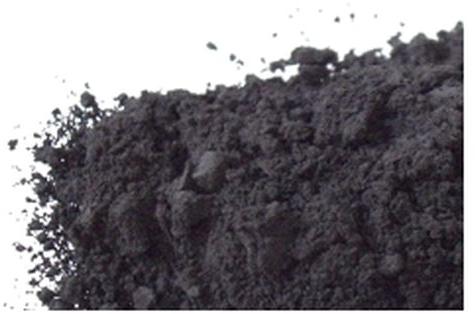
The use of graphite as a refractory material began before 1900 with the graphite crucible used to hold molten metal;
this is now a minor part of refractories. In the mid-1980s, the carbon-magnesite brick became important,
and a bit later the alumina-graphite shape. As of 2017 the order of importance is: alumina-graphite shapes,
carbon-magnesite brick, monolithics (gunning and ramming mixes), and then crucibles.
Features: -
 Kalpesh Rajvir / Mr. Mihir (Ambica Refractories Pvt. Ltd.)
 8- A N H, Lalpar, Near Aditya Ceramics, Wankaner, Morbi, Gujarat - 363621, India
 Share us via