
 GST : 08AAOCA7653C1ZJ
 4.5/5
4.5/5
Our Product / Services
Medicinal plants such as Aloe, Tulsi, Neem, Turmeric and Ginger cure several common ailments. These are considered as home remedies in many parts of the country.


The leaves have 7 times more vitamin C than oranges and 15 times more potassium than bananas. It also has calcium, protein, iron, and amino acids, which help your body heal and build muscle. It's also packed with antioxidants, substances that can protect cells from damage and may boost your immune system.
Specifications
| Characters | Spilanthes acmellasyn. S. paniculata | Spilanthes calva |
|---|---|---|
| Plant | Annual erect or ascending stout herbs, 20-50 cm high. | Annual erect or ascending herbs, 15-40 cm high. |
| Leaves | Opposite, petiolate, broadly ovate, narrowed at base, acute or obtuse at apex. | opposite, petioled, ovate, acute, subcrenate at margins. |
| Heads | In axillary and terminal panicles; Involucral bracts 2-seriate; Ray florets few, in conspicuous; Disc florets companulate, Achenes dorsally compressed, black. | Ovoid, usually solitary; Involucral bracts ovate, acute; Ray florets absent; Disc-florets yellow; Achenes dark brown. |
| Flowering and Fruits | March-April. | November to December. |

Organic Cultivation Training equips participants with the knowledge and skills to grow crops using natural, eco-friendly methods without chemical fertilizers or pesticides. The training covers soil fertility management, composting, crop rotation, bio-fertilizers, organic pest control, certification processes, and sustainable farming practices. Participants also learn about organic input preparation, farm planning, and marketing of organic produce. Ideal for farmers, agri-entrepreneurs, and eco-conscious individuals, this training encourages healthier food production and environmental preservation. With expert guidance and hands-on experience, trainees are empowered to adopt organic farming methods, improve soil health, increase profitability, and meet the rising demand for clean and safe agricultural products.

Amla Contract Farming offers farmers a secure and profitable way to cultivate Indian gooseberry (amla) through a buy-back agreement with partnering companies. This model provides quality saplings, expert training, and technical support on plantation techniques, irrigation, organic care, pruning, and harvesting. Amla, rich in vitamin C and widely used in the Ayurvedic, cosmetic, and health food industries, ensures strong market demand. The contract farming approach reduces marketing risks, guarantees income, and supports long-term sustainability. Ideal for farmers with medium- to long-term land use, amla cultivation is low maintenance and highly rewarding, promoting rural prosperity and agricultural diversification.

We are the main supplier of this product.Australian Teak Contract Farming offers a long-term, high-income opportunity for farmers through a structured buy-back agreement with reputed companies. Farmers receive high-quality saplings, expert training, and technical support for plantation setup, soil preparation, spacing, irrigation, pruning, and pest management. Australian teak is known for its fast growth, durability, and high demand in the furniture and construction industries. With minimal maintenance and strong adaptability to various climates, it is ideal for agroforestry models. Contract farming ensures secure returns, reduced market risk, and sustainable land utilization. This model empowers farmers to build wealth over time while contributing to eco-friendly timber production.

Blueberry Contract Farming provides farmers with a lucrative opportunity to grow high-value berries under a secured buy-back agreement with trusted companies. This model includes the supply of quality planting material, expert guidance, and technical support for soil preparation, climate requirements, irrigation systems, pruning, and pest control. Blueberries are in high demand globally for their nutritional and antioxidant-rich profile, used widely in the food, beverage, and health industries. Contract farming ensures assured returns, reduced marketing risk, and consistent income. Suitable for temperate and controlled environments, blueberry farming promotes modern horticulture, export potential, and long-term profitability for forward-thinking agricultural entrepreneurs.

Napier Contract Farming offers farmers a dependable and profitable opportunity to cultivate Napier grass under a secured buy-back agreement with trusted companies. Known for its high biomass yield and rich nutritional content, Napier is widely used as green fodder for dairy and livestock farming. This model provides quality planting material, expert training, and ongoing technical support for land preparation, planting, irrigation, and harvesting. The crop grows rapidly, requires minimal maintenance, and thrives in various agro-climatic conditions. Contract farming ensures assured income, reduces market uncertainty, and supports sustainable livestock feed supply, making it an ideal choice for fodder-focused agricultural ventures.


Safed Musli requires well drained loamy to sandy loam soil rich in organic matter. Warm and humid climatic condition with good amount of soil moisture during the growing season favour luxuriant vegetative growth and facilitate fleshy root development The land is prepared during April - May.

Herbs Cultivation Training offers in-depth guidance on growing medicinal and culinary herbs such as tulsi, ashwagandha, aloe vera, stevia, mint, and basil. The training covers plant selection, soil and climate requirements, organic cultivation practices, irrigation methods, pest and disease management, and harvesting techniques. Participants also gain insights into post-harvest processing, value addition, and market opportunities. Designed for farmers, agri-entrepreneurs, and herbal product manufacturers, this training promotes sustainable agriculture and supports income generation through high-demand herbal crops. With expert-led sessions and hands-on learning, trainees are equipped to start or expand successful ventures in the thriving herbal cultivation and wellness industry.


The avocado market in India is gaining traction thanks to the food service industry. Orders for the fruit by hotels and restaurants have shot up in the past decade. They are sprucing up their menus by including avocado in different dishes. Guacamole, avocado in sandwiches, salads, smoothies and ice cream have become very popular with their customers.
The avocado has turned into a mainstream food in India. Millennials in the country are driving this trend. Many of them live in cities and are aware of this superfood. Their willingness to change food habits has led to an ever-growing demand for avocado.

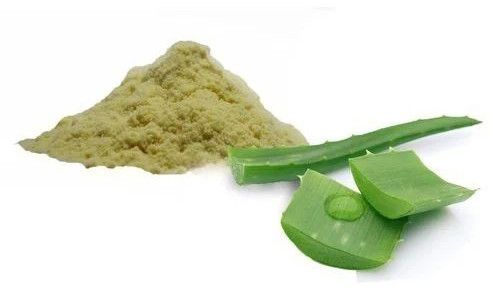
Aloe vera is a stemless or very short-stemmed succulent plant, spreading by offsets. The leaves are thick and fleshy, green to grey-green, with some varieties showing white flecks on the upper and lower stem surfaces. The margin of the leaf is serrated and has small white teeth.
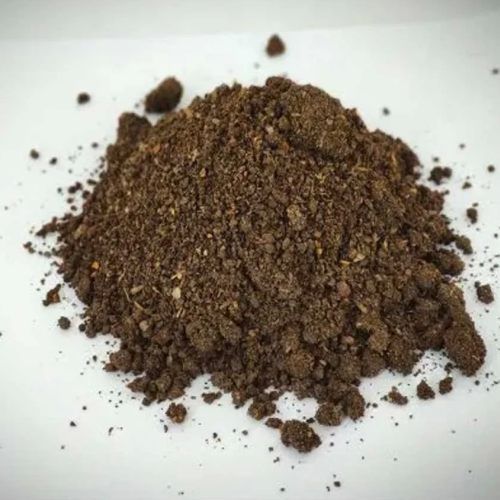

Inputs
| Materials | -- | Per acre | Per hectare |
|---|---|---|---|
| Seeds (g) | -- | 120 | 300 |
| Farm Yard Manure (t) | -- | 6 | 15 |
| Fertilizers (kg) | N | 48 | 120 |
Note : FYM along with half of nitrogen and the entire of phosphorus and potassium is given as a basal dose, and the remaining nitrogen is applied in two splits after first and second cuttings.

Aeroponic Cultivation Training offers hands-on knowledge and expertise in one of the most advanced and sustainable farming techniques. This training equips participants with the skills to grow plants in a soilless environment using nutrient-rich mist, optimizing water usage and enhancing crop yield. Ideal for agri-entrepreneurs, researchers, and urban farmers, the course covers system setup, plant care, nutrient management, and pest control. With practical demonstrations and expert guidance, trainees gain confidence to start or scale aeroponic ventures. This innovative cultivation method ensures faster growth, healthier plants, and minimal environmental impact—making it a futuristic solution for sustainable agriculture and food security.

Aromatic Cultivation Training provides comprehensive knowledge on growing aromatic plants like lemongrass, lavender, citronella, rosemary, and mint for commercial and therapeutic uses. This training covers essential aspects such as soil preparation, climate suitability, propagation methods, pest control, and harvesting techniques. Participants also learn about oil extraction processes, value addition, and marketing strategies for aromatic products. Ideal for farmers, entrepreneurs, and agribusiness professionals, the program promotes sustainable farming practices and income generation through high-value crops. With expert guidance and practical sessions, the training empowers individuals to establish profitable ventures in the aromatic plant industry and tap into growing domestic and international markets.

Hydroponic Cultivation Training offers specialized knowledge in soilless farming using nutrient-rich water solutions to grow crops efficiently. The training covers system design, nutrient management, pH and EC monitoring, lighting requirements, crop selection, pest control, and climate management. Ideal for urban farmers, agri-entrepreneurs, and horticulture enthusiasts, it provides hands-on experience with various hydroponic systems like NFT, DWC, and vertical farming. Participants learn to maximize yield, save water, and grow pesticide-free produce year-round. With expert-led sessions and practical demonstrations, this training empowers individuals to establish sustainable, high-tech farming units and tap into the rising demand for clean, fresh, and locally grown produce.
Material Is Supplied All Over India In Every Quantity.
| Crop | Botnical Name | Types of Planting Materiel |
|---|---|---|
| Brahmi | -- | Bacopa monerii |
| Coleus | -- | Coleus forskolhii |
| Coleus | -- | Coleus forskolhii |
| Coleus | -- | Coleus forskolhii |
| Citronella | -- | Cymbopogon winterianus |
| Damask Rose | -- | Rosa damascena |
| Damask Rose | -- | Rosa damascena |
| Geranium | -- | Pelargonium graveolens |
| Geranium | -- | Pelargonium graveolens |
| Geranium | -- | Pelargonium graveolens |
| Ghritkumari | -- | Aloe vera |
| Lemongrass | -- | Cymbopogon flexuosus & C. pendulus |
MAPs Plants For Kitchen Garden In Poly Bags (Other)
| Menthol mint | Mentha arvensis |
|---|---|
| Menthol mint | Mentha arvensis |
| Menthol mint | Mentha arvensis |
| Bergamot mint | Mentha citrata |
| Peppermint | Mentha piperita |
| Scotch spearmint | Mentha cardiaca |
| Spearmint | Mentha spicata |
| Peppermint varieties, CIM-Indus & CIMAP Patra | Mentha piperita |
| Patchouli | Pogostemon cablin |
| Patchouli | Pogostemon cablin |
| Patchouli | Pogostemon cablin |
| Pipli | Piper longum |
| Pipli | Piper longum |
| Rosemary | Rosmarinus officinalis |
| Rosemary | Rosmarinus officinalis |
| Rosemary | Rosmarinus officinalis |
| Satavar | Asparagus racemosus |
| Sarpgandha | Rauvolfia serpentina |
| Sarpgandha | Rauvolfia serpentina |
| Stevia | Stevia rebaudiana |
| Stevia | Stevia rebaudiana |
| Stevia | Stevia rebaudiana |
| Vach | Acorus calamus |
| Vach | Acorus calamus |
| Vetiver | Vetiveria zizanioides |

Agri Start-Up Training is designed to empower aspiring entrepreneurs with the knowledge and tools to build successful businesses in the agricultural sector. The program covers business planning, market research, funding opportunities, government schemes, technology adoption, supply chain management, and branding strategies. Participants also explore innovative farming practices like hydroponics, organic farming, and value-added processing. With expert mentorship, case studies, and hands-on sessions, the training fosters practical skills and entrepreneurial thinking. Ideal for students, farmers, and agri-innovators, this training enables individuals to launch scalable, sustainable agri ventures and contribute to rural development, food security, and economic growth in the agriculture ecosystem.

Solar Dryer Training offers in-depth knowledge on the design, construction, and use of solar dryers for preserving agricultural produce such as fruits, vegetables, spices, and herbs. The training covers solar drying principles, material selection, temperature and humidity control, moisture retention, hygiene practices, and post-drying packaging. Participants also learn about the economic and environmental benefits of solar drying, along with marketing and value addition opportunities. Ideal for farmers, food processors, and rural entrepreneurs, this hands-on training promotes cost-effective, eco-friendly food preservation methods. With expert guidance, trainees are equipped to set up solar drying units, reduce post-harvest losses, and enhance product shelf life.

Vermicompost Training provides practical and scientific knowledge on converting organic waste into nutrient-rich compost using earthworms. The training covers selection of earthworm species, bed preparation, raw material usage, moisture and temperature control, compost harvesting, and storage methods. Participants also learn about the benefits of vermicompost for soil fertility, plant growth, and sustainable agriculture. Suitable for farmers, gardeners, agri-entrepreneurs, and eco-conscious individuals, the program promotes waste recycling and organic farming. With hands-on sessions and expert guidance, trainees gain the skills to start vermicomposting at small or commercial scales, contributing to environmental conservation and generating additional income through eco-friendly compost production.

Agarwood Contract Farming offers farmers a lucrative opportunity to cultivate agarwood trees under a pre-agreed buy-back arrangement with assured returns. This farming model provides guidance on sapling plantation, soil and climate suitability, inoculation techniques for resin formation, and tree maintenance. Farmers benefit from technical support, training, and a guaranteed market from partnering companies. Ideal for those with medium to long-term land availability, agarwood farming is highly profitable due to its demand in the perfume, incense, and medicinal industries. Contract farming minimizes market risks, ensures income security, and promotes sustainable agroforestry practices, making it an attractive option for progressive rural entrepreneurs.
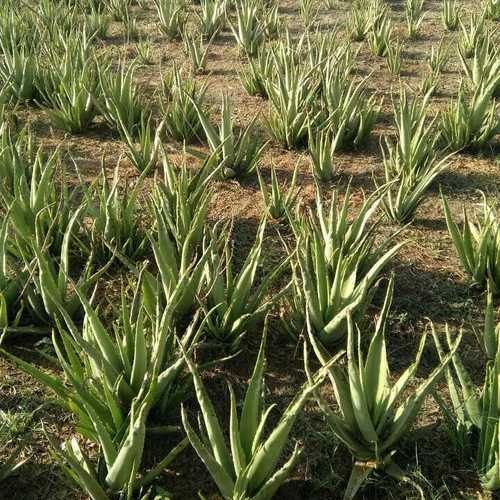
Aloe Vera Contract Farming provides farmers with a profitable and low-maintenance agricultural opportunity backed by a buy-back agreement with companies. Under this model, farmers receive quality planting materials, training, and technical support for cultivation, including soil preparation, irrigation, pest control, and harvesting techniques. Aloe vera is widely used in the cosmetic, pharmaceutical, and wellness industries, ensuring high market demand. Contract farming minimizes market risk and guarantees income by securing a fixed buyer. Ideal for marginal and small-scale farmers, aloe vera cultivation thrives in dry climates and requires minimal inputs, making it a sustainable and income-generating venture with long-term benefits.

SEPCIFICATION
\r\n
Dried rhizomes of Curcuma caesia are reported to contain 1.6% essential oil containing 76.6% d-camphor; 8.2% camphene and bornylene; and 10.5% sesquiterpenes, curcumine, ionone, and turmerone.
Plant height: 14 – 29 inches
Plant spread: 5 – 9 inches
\r\n
Common name(s): Kali haldi, Krishna kedar, Black Turmeric
\r\n
Flower colours: White
\r\n
Max reachable height: 1.5 to 3 feet
\r\n
Difficulty to grow: Easy to grow
\r\n
Special features: Foliage & Rhizome
\r\n
\r\n
BLACK TURMERIC CULTIVATION
\r\n
Black turmeric contains the highest concentrations of curcumin of any plant species. It is a powerful antioxidant and anti-inflammatory. The root has been used medicinally for centuries to treat arthritis, asthma, and epilepsy. Black turmeric root is crushed and can be applied to bruises and sprains to ease discomfort or applied to the forehead to help relieve symptoms of migraines.
\r\n
\r\n
The rhizome of the plant is aromatic, contains essential oil and used for a variety of purposes. The characteristic pungent smell of the rhizome is due to the presence of essential oil rich in camphor and starch.
\r\n
\r\n
The rhizome is traditionally used in the treatment of hemorrhoids, leprosy, asthma, cancer, fever, wounds, vomiting, menstrual disorder, anthelmentic, aphrodisiac, gonorrheal discharges and inflammation. Furthermore, the smooth muscle relaxant, anti-tumour and anti-oxidant properties of Curcuma Caesia rhizome extract had been reported.
\r\n
\r\n
CLIMATE
\r\n
Curcuma Caesia usually grows in moist deciduous regions. The best season to plant turmeric is spring or summer. It requires warm and humid climate to grow. Keep the turmeric plant in partial sun in the warmer zones. Turmeric prefers warm direct or indirect sun.
\r\n
\r\n
SOIL
\r\n
Rich organic soil that is moist and well-drained. It is grown on different types of soils from light black, ashy loam and red soils clay loam. However, it grows best in a well-drained sandy or clay loam. Keep the soil moist throughout the growing season from spring to fall and feeding with a liquid fertilizer in growing season is ideal.
\r\n
\r\n
HARVEST MANAGEMENT
\r\n
Crop maturity and harvesting: The crop takes about nine months to mature. Harvesting is done in mid-January. Before digging the rhizomes, soil is moistened through irrigation, so that the rhizomes are not injured. Injury to the rhizomes may cause decay of the harvest.
\r\n
Post-harvest management: Peeled, half cut or sliced rhizomes should be kept in oven at 55 °C or under well-ventilated shade for drying. These dried rhizomes should be stored in suitable damp-proof containers.
\r\n
Chemical constituents : Dried rhizomes of Curcuma caesia are reported to contain 1.6% essential oil containing 76.6% d-camphor; 8.2% camphene and bornylene; and 10.5% sesquiterpenes, curcumine, ionone, and turmerone.
\r\n
Yield: Estimated yield of fresh rhizomes is 19-21 tonnes per acre while dry rhizome yield is about 3.5 to 5 tonnes per acre.
\r\n
We provide Agro technology and Agribusiness consultancy through better utilization of your resources, value of your money, independent consultancy, cost effective, profitable solutions and complete satisfaction without any deviation.
\r\n
\r\n
Material Available
\r\n
\r\n
\r\n
With a proper network of buyers with us, we are able to provide returns of the farmers/cultivators who purchase the planting material from us and do farming as per our instructions. The crop/crops under buy back agreement are provided with targeted requirements. We are making farming a business which gives assured profits.
\r\n
\r\n
Persons interested in farming with buy back agreement will be entertained only on prior appointment basis.+91-
\r\n

Olive Contract Farming provides farmers with a profitable and long-term opportunity to cultivate high-value olive trees under a secure buy-back agreement with established companies. The model includes the supply of certified saplings, expert training, and technical support on soil preparation, planting, drip irrigation, pruning, pest control, and harvesting techniques. Olives are in high demand for their oil and health benefits, widely used in the food, cosmetic, and pharmaceutical industries. Suitable for arid and semi-arid climates, olive farming requires minimal inputs and offers long-term yields. Contract farming ensures assured returns, minimizes market risk, and promotes sustainable horticultural development and rural income growth.


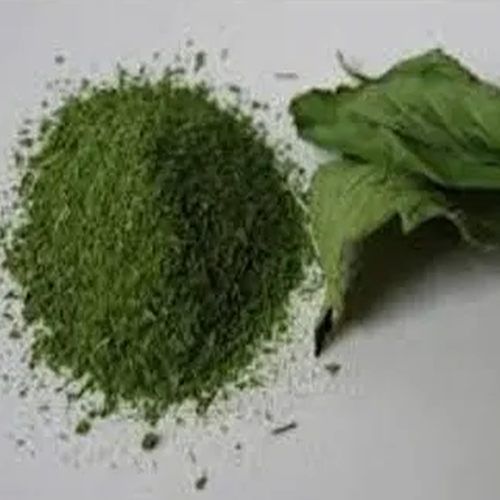
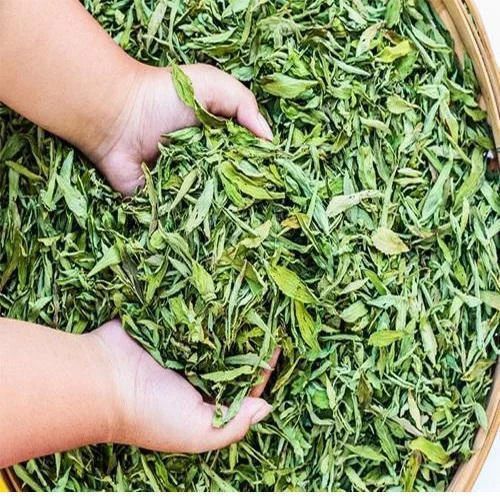
GENERAL INFORMATION
\nShatavari is known as the most innocent herb which contains wide range of benefits for human body. It derives its named “Shatavari” as a woman possessing hundred husbands. It is a rejuvenate herb and roots are used about 500 tonnes in India every year for the production of medicines. Drugs prepared from Shatavari is used to treat gastric ulcers, dyspepsia and for nervous disorders. It is a shrub with average height of 1-3m with fascicle or clustered roots. Flowers are branched and are 3cm long. Perianth is white with good fragrance and 3mm long. Anthers are purple and berry is purple reddish in color. It is found in Africa, Sri Lanka, China, India and the Himalayas. In India it is found in Arunachal Pradesh, Assam, Chhattisgarh, Delhi, Gujarat, Haryana, Himachal Pradesh, Jharkhand, Kerala and Punjab.
\n\n
SOIL
\nIt is grown in variety of soils such as red loamy to clayey soil, black soil to laterite soil having good drainage system. It can also grow under rocky and shallow soils having soil depth not more than 20-30cm. It gives best result in sandy loam to medium black soil having good drainage system and pH ranging from 6-8 ranges best for plant growth
\n\n
SERVICES
\nThis expenditure is an one-time expenditure and one time production only
\nProduction starts in 18th month.
\nThis includes Supervision, consultancy, guidance, Transportation cost first year.
\nBuy back Agreement of Satavar dry roots.
\nSatavar growing first harvesting practical training
\n\n
Marketing/Selling :
\nWe provide the marketing support & assistance also for the Nepali Golden Shatavari. Marketing is also done only when the material is of authentic variety because some fraudsters supply adulterated variety planting material to the farmers at less costing & that becomes problem at the time of marketing.
\nWe provide Agro technology and Agribusiness consultancy through better utilization of your resources, value of your money, independent consultancy, cost effective, profitable solutions and complete satisfaction without any deviation.
\n\n
NEPALI SATAVAR Material Available
\n\n
With proper network of buyers with us, we are able to provide returns of the farmers/cultivators who purchase the planting material from us and do farming as per our instructions. The crop/crops under buy back agreement are provided with targeted requirement. We are making farming a business which gives assured profits.
\n\n
Persons interested in farming with buy back agreement will be entertained only on prior appointment basis. +91-
\n\n


We are the main supplier of this product.

Shatavari powder is particulary used for by women for maintaining a healthy reproductive system. This powder balances the female harmones and provides good health.shatavari powder is used treditionally by women as a rajuvenating tonic.


 Mrs. Saroj Patidar (AMRITANJALI AYURVED PVT LTD)
 9 New Polo Ground, Saheli Nagar, Udaipur, Rajasthan - 313001, India
 https://www.amritanjaliayurved.net
 Share us via