 GST : 09ACAPH2409Q1ZG
 4.0/5
4.0/5
Our Products
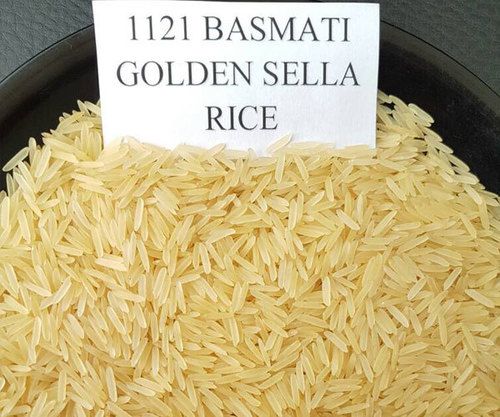
We offer the best product range of 1401 Steam Basmati Rice, 1121 Pure Steam Basmati Rice, Samba Masuri Rice and 1121 Golden Sela Basmati Rice.
Basmati rice is well-regarded for its distinct aroma, long grains, and several potential health benefits. Here's a breakdown of its key qualities:Nutritional Aspects: * Carbohydrates: * Basmati rice is a good source of carbohydrates, providing energy. * Fiber: * Especially brown basmati rice, which contains a higher amount of fiber compared to white basmati. Fiber aids in digestion and can contribute to feelings of fullness. * Vitamins and Minerals: * It contains essential nutrients like B vitamins (thiamine, niacin), iron, and magnesium. * Glycemic Index (GI): * Basmati rice, particularly brown basmati, generally has a lower GI compared to other types of white rice. This means it causes a slower rise in blood sugar levels, which is beneficial for managing diabetes.Health Benefits: * Heart Health: * The fiber content, especially in brown basmati, can help lower cholesterol levels and reduce the risk of heart disease. * Digestive Health: * Fiber promotes regular bowel movements and prevents constipation. * Blood Sugar Management: * The lower GI can be helpful for people with diabetes or those looking to control their blood sugar. * Source of Energy: * It's a good source of complex carbohydrates which provides sustained energy. * Gluten-Free: * Basmati rice is naturally gluten-free, making it a suitable option for people with celiac disease or gluten sensitivity.Key Differences Between White and Brown Basmati: * Brown basmati rice retains the bran and germ layers, which are rich in fiber, vitamins, and minerals. * White basmati rice has these layers removed, resulting in a softer texture and faster cooking time, but with fewer nutrients.It's important to remember that while basmati rice offers several health benefits, it should be consumed as part of a balanced diet.


Basmati rice is well-regarded for its distinct aroma, long grains, and several potential health benefits. Here's a breakdown of its key qualities:Nutritional Aspects: * Carbohydrates: * Basmati rice is a good source of carbohydrates, providing energy. * Fiber: * Especially brown basmati rice, which contains a higher amount of fiber compared to white basmati. Fiber aids in digestion and can contribute to feelings of fullness. * Vitamins and Minerals: * It contains essential nutrients like B vitamins (thiamine, niacin), iron, and magnesium. * Glycemic Index (GI): * Basmati rice, particularly brown basmati, generally has a lower GI compared to other types of white rice. This means it causes a slower rise in blood sugar levels, which is beneficial for managing diabetes.Health Benefits: * Heart Health: * The fiber content, especially in brown basmati, can help lower cholesterol levels and reduce the risk of heart disease. * Digestive Health: * Fiber promotes regular bowel movements and prevents constipation. * Blood Sugar Management: * The lower GI can be helpful for people with diabetes or those looking to control their blood sugar. * Source of Energy: * It's a good source of complex carbohydrates which provides sustained energy. * Gluten-Free: * Basmati rice is naturally gluten-free, making it a suitable option for people with celiac disease or gluten sensitivity.Key Differences Between White and Brown Basmati: * Brown basmati rice retains the bran and germ layers, which are rich in fiber, vitamins, and minerals. * White basmati rice has these layers removed, resulting in a softer texture and faster cooking time, but with fewer nutrients.It's important to remember that while basmati rice offers several health benefits, it should be consumed as part of a balanced diet.
Feature
 MH. Khan (Apna Mart Enterperises)
 HUSAINAB URF DOLTABAD KOTWALI DEHAT NAGINA BIJNOR UP, Uttar Pradesh - 246764
 Share us via