 GST : 32AAWCA7405N1Z7
 Write a Review
Our Products
Our offered Product range includes Whole Amba Haldi, Red Split Nutmace, Red Broken Mace, Normal Star Anise and Natural Broken Cassia.


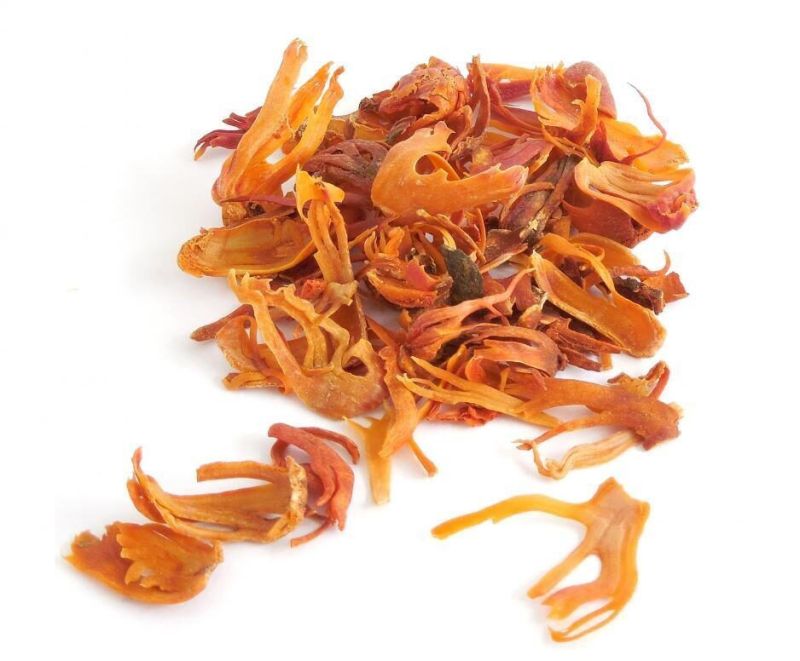
Javitri is a crimson red colored thread like material that envelops the nutmeg. It is spicy in taste, somewhat like a combination of pepper and cinnamon, with a strong aroma. Javitri is the net like extra seed covering that covers the Nutmeg's seed coat.Like nutmeg, mace is typically used in baking—where those warm notes bridge the savory and sweet in rich foods like donuts, cakes, and sweet potato or pumpkin pie. Mace also adds creative complexity to meaty braises and stews.
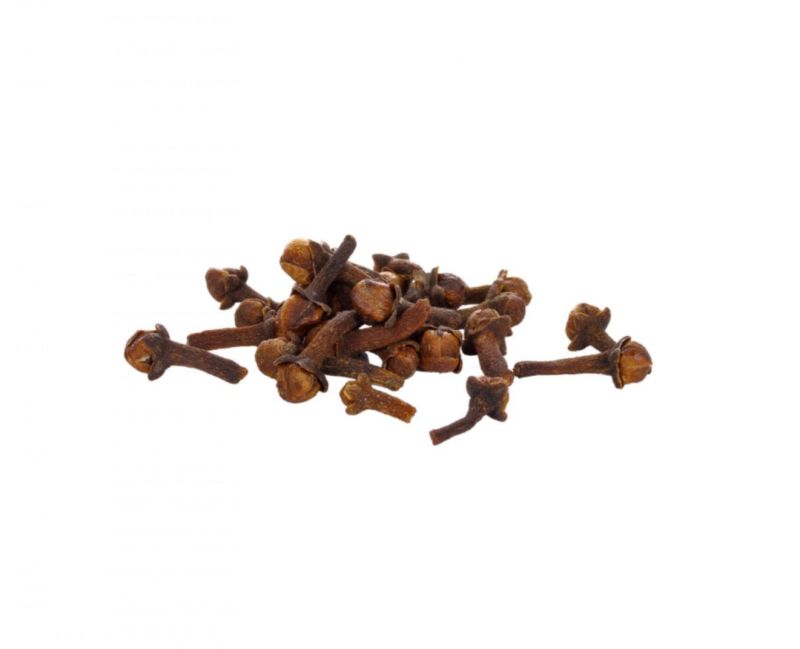
Cloves are the aromatic flower buds of a tree in the family Myrtaceae, Syzygium aromaticum. They are native to the Maluku Islands (or Moluccas) in Indonesia, and are commonly used as a spice, flavoring or fragrance in consumer products, such as toothpaste, soaps, or cosmetics. Cloves are available throughout the year owing to different harvest seasons across various countries.
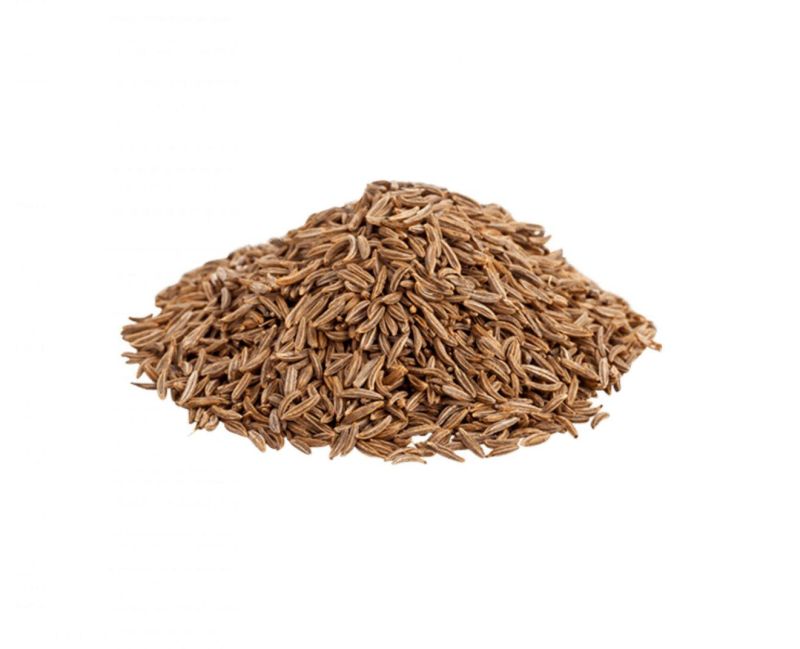
Cumin is a flowering plant in the family Apiaceae, native to the Irano-Turanian Region. Its seeds – each one contained within a fruit, which is dried – are used in the cuisines of many cultures in both whole and ground form. Although cumin is thought to have uses in traditional medicine, there is no high-quality evidence that it is safe or effective as a therapeutic agent.
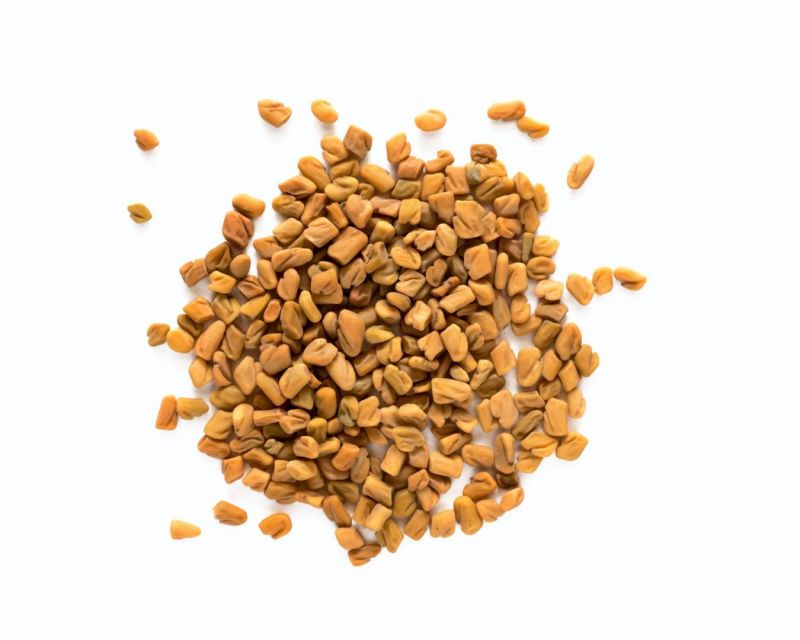
Fenugreek is an annual plant in the family Fabaceae, with leaves consisting of three small obovate to oblong leaflets. It is cultivated worldwide as a semiarid crop. Its seeds and leaves are common ingredients in dishes from the Indian subcontinent, and have been used as a culinary ingredient since ancient times. Its use as a food ingredient in small quantities is safe.
Although sold as a dietary supplement, there is no clinical evidence that fenugreek has therapeutic properties. Commonly used in traditional medicine, fenugreek can increase the risk of serious adverse effects, including allergic reactions.


The bay leaf is an aromatic leaf commonly used in cooking. It can be used whole or in a dried or ground form.
Indian bay leaf or malabathrum differs from bay laurel leaves, which are shorter and light- to medium-green in colour, with one large vein down the length of the leaf. Indian bay leaves are about twice as long and wider, usually olive green in colour and have three veins running the length of the leaf. Culinarily, Indian bay leaves are quite different, having a fragrance and taste similar to cinnamon (cassia) bark, but milder.

 Mr. Prabin K P (Aura Spices)
 13/78, Karimbanamkottil Building, South Mazhuvannoor P O, Velloorkunnam, Ernakulam, Kerala - 686669
 https://www.auraspices.in
 Share us via