My ExportersIndia

For Buyer

For Seller

For Help

Our Products

Our offered Product range includes Mushroom Growing Chambers, Potato Cold Storage, Freezer Room, Cold Storage for Onion and Garlic and Cold Storage for Fisheries and Sea Food.

Mushroom Growing Chambers

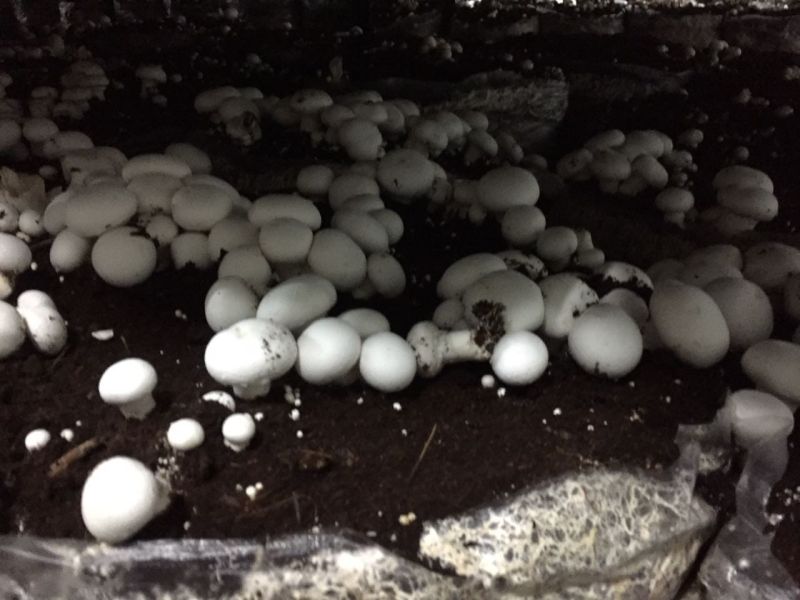
We provide full Project Consultancy in setup of a Mushroom Farm. In full Project Consultation we provide below services to our customer which is required in setup of a new project: Project Report - It include all information regarding your project investment (Construction cost, Machinery cost, Labor cost, Electricity cost etc.) and yearly profit which you gain from your project. Financial Project Report- If you are doing a project with Bank Loan, this Project report include every financial details and ledger asked by the bank before passing your loan as well as this report also help you to get subsidy from Horticulture Department. Project Drawings- We provide you all AutoCAD drawings regarding your project map & drainage It will help you to do civil construction in a better way. Civil Construction- We will guide you during civil construction as per the drawings prepared by our civil engineer. In this process our team will give you visit to your site to guide your all civil construction. Shed Construction- We provide fully fabricated Our skilled labor will do your shed work according to the AutoCAD drawings given by our civil engineer. Mushroom Growing Rooms Formation- We also deal in the formation of Mushroom growing rooms made up of PUF panel and insulation material. We provide complete installation of these rooms at your site. Composting Unit Formation - If you are growing Button Mushroom, we will setup your Compost tunnel made up of PUF panel, Bunker rooms in which air flow pipes and blowers are installed as well as Pre-wetting area & Turning area are involved. Installation of Machinery- After all these construction work we start the installation of your already ordered machinery at your During installation we have shown you working demo of all machinery which are installed by us. Spawn Lab Formation- If you are interested in starts your own spawn lab instead of purchasing spawn from outside then we will provide you all machinery Lab equipments and Lab Methodolog
View Complete Details

Potato Cold Storage

Potato cold storage refers to a specialized facility designed to store potatoes under controlled temperature and humidity conditions. Potatoes are perishable commodities that require specific storage conditions to maintain their quality, prevent sprouting, and minimize spoilage.Potato cold storage refers to a specialized facility designed to store potatoes under controlled temperature and humidity conditions. Potatoes are perishable commodities that require specific storage conditions to maintain their quality, prevent sprouting, and minimize spoilage.Preservation of Quality: Cold storage helps preserve the quality of potatoes by slowing down the natural aging process and reducing the rate of deterioration. Potatoes stored in cold storage maintain their firmness, texture, and taste for longer periods compared to those stored at room temperature. This ensures that the potatoes retain their freshness and appeal, leading to higher market value and customer satisfaction. Prevention of Sprouting: Potatoes are prone to sprouting if stored in unfavorable conditions. Cold storage inhibits the sprouting process by suppressing the growth of buds and reducing the production of sprout-inducing hormones. This prevents the formation of unwanted sprouts, which can negatively impact the appearance and taste of potatoes, leading to potential economic losses. Extended Shelf Life: Cold storage helps extend the shelf life of potatoes by slowing down the enzymatic activity that leads to decay and spoilage. By maintaining low temperatures, cold storage inhibits the growth of microorganisms and slows down the development of diseases that can affect potatoes. This allows for longer storage periods, reducing wastage and enabling a consistent supply of fresh potatoes throughout the year. Market Flexibility: Potato cold storage enables farmers, distributors, and retailers to have greater flexibility in managing the supply and demand dynamics of the potato market. It allows for the stor
View Complete Details

Freezer Room

  • Automatic Grade Automatic
  • Application Cooling, Cold Storage
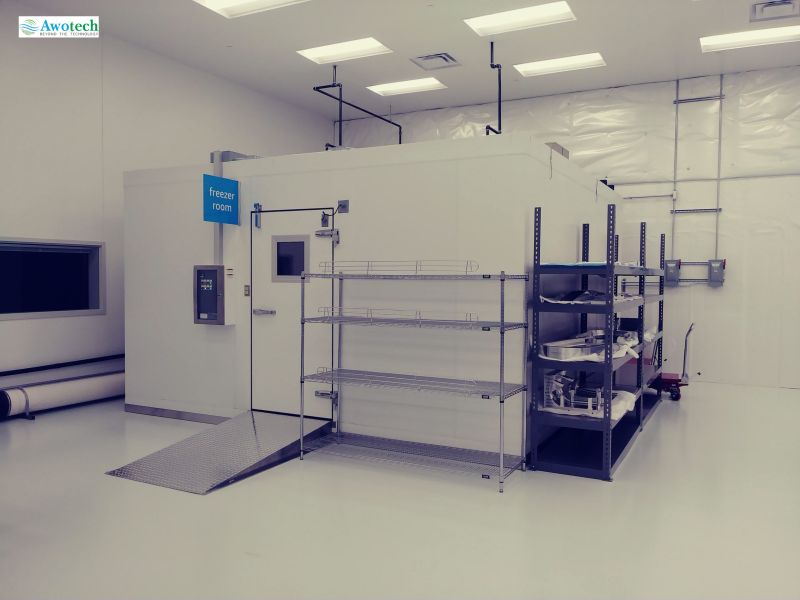
A freezer room is a specialized storage facility designed to maintain very low temperatures, typically below -18C (-0.4F), for the freezing and long-term storage of various perishable products, including food items like meat, seafood, fruits, and vegetables. It is a larger-scale version of a domestic freezer and offers more significant storage capacity.The main use of a freezer room is to preserve the quality and extend the shelf life of perishable goods by inhibiting the growth of microorganisms and slowing down enzymatic reactions.Temperature Control: Freezer rooms are equipped with powerful cooling systems that can maintain consistently low temperatures. The temperature is typically adjustable, allowing for specific temperature settings to meet the requirements of different products. Storage Capacity: Freezer rooms are designed to accommodate a large volume of products, with different sizes and configurations available to suit various storage needs. They can range from small walk-in freezer rooms in restaurants or grocery stores to large industrial freezer warehouses. Product Preservation: Freezer rooms help preserve the quality, texture, and nutritional value of perishable goods. By freezing the products rapidly and maintaining the low temperatures, the growth of bacteria, molds, and yeasts is significantly reduced, thereby preventing spoilage and extending the shelf life of the stored items. Bulk Storage: Freezer rooms are particularly useful for bulk storage of perishable products. They allow for the freezing and storage of large quantities of food items, making them ideal for food processing facilities, distribution centers, and businesses that deal with frozen goods on a commercial scale. Organization and Accessibility: Freezer rooms are designed with shelving, pallet racks, or stacking systems to organize and maximize the storage space efficiently. This facilitates easy access to different products, allowing for efficient inventory management and re
View Complete Details

Cold Storage For Onion And Garlic

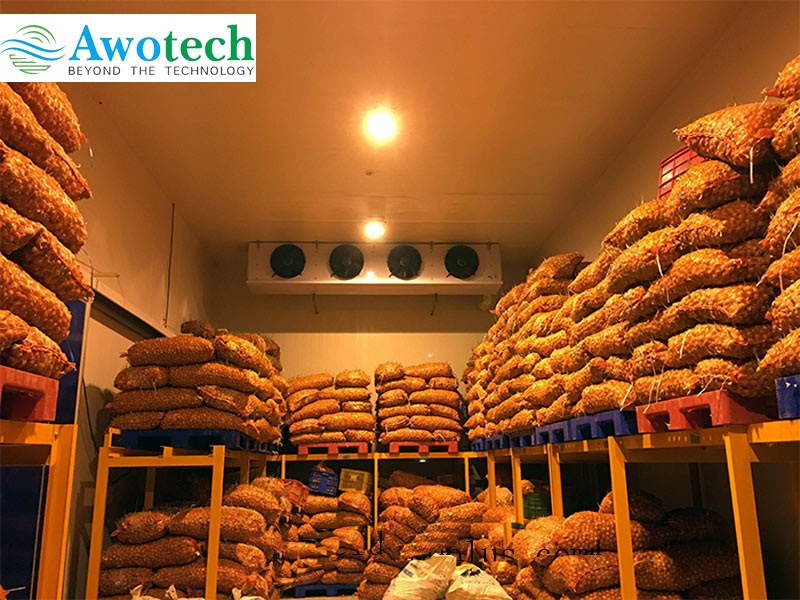
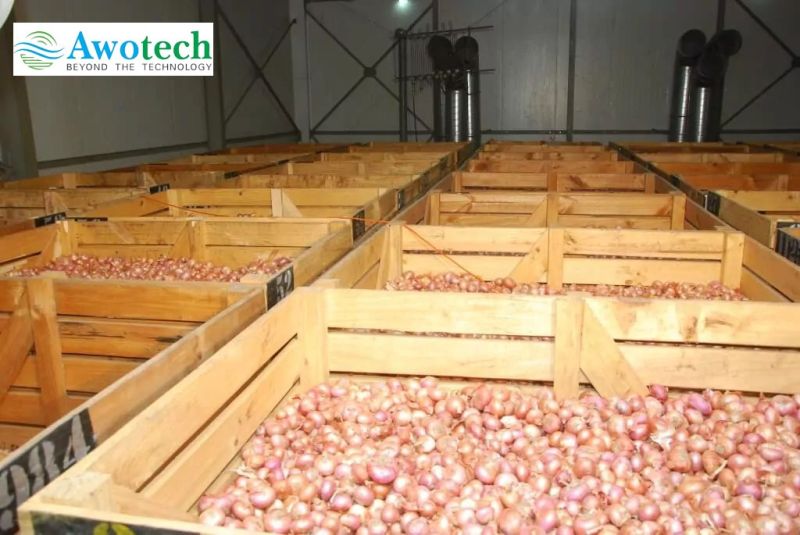
Onion and garlic cold storage in India refer to specialized facilities designed to store and preserve onions and garlic under controlled temperature and humidity conditions. These cold storage units play a crucial role in the agricultural and food industry by providing a means to extend the shelf life and maintain the quality of onions and garlic, ensuring a consistent supply throughout the year.Shelf Life Extension: The primary advantage of onion and garlic cold storage is the significant extension of their shelf life. By maintaining a controlled temperature and humidity environment, these facilities slow down the natural process of decay, sprouting, and microbial growth, allowing onions and garlic to remain fresh for a longer period. This helps farmers and traders reduce post-harvest losses and ensures a steady supply of these essential commodities to consumers. Market Stability: In India, onions and garlic are seasonal crops with a limited harvest period. Cold storage facilities enable farmers to store their produce after harvest and release it gradually into the market during the off-season when supply is low. This helps in stabilizing market prices, preventing price fluctuations, and ensuring a steady availability of onions and garlic throughout the year, even during periods of scarcity. Preservation of Quality: Onion and garlic cold storage units provide optimal conditions to preserve the quality of the produce. By controlling temperature and humidity levels, the cold storage facilities help retain the natural flavor, texture, and nutritional value of onions and garlic. This is especially important for export purposes, as maintaining high-quality standards is crucial to meet international market requirements. Value Addition and Higher Returns: Cold storage facilities enable farmers and traders to store onions and garlic for longer durations, allowing them to sell their produce during periods of higher demand and better market prices. By avoiding the glut d
View Complete Details

Cold Storage For Fisheries And Sea Food

Cold storage for fisheries and seafood plays a crucial role in preserving the quality and freshness of fish and other seafood products. It involves the use of specialized storage facilities and techniques to maintain low temperatures, ensuring that the products remain safe for consumption and retain their nutritional value.Storage Facilities:Cold storage facilities for fisheries and seafood are designed to provide controlled temperatures and humidity levels. These facilities typically include walk-in refrigerators, freezers, blast freezers, and cold rooms. The choice of storage facility depends on the type of seafood, its specific storage requirements, and the desired storage duration. Temperature Management:The temperature within the cold storage facility is a critical factor in maintaining the quality of seafood. Fresh seafood is usually stored at temperatures ranging from -1.5C to 2C (29F to 36F) to slow down microbial growth and enzymatic reactions. Frozen seafood is stored at temperatures below -18C (0F) to prevent bacterial growth and maintain product quality. Packaging and Handling:Proper packaging is essential in cold storage for fisheries and seafood. Seafood products are typically packaged in moisture-resistant and leak-proof materials such as vacuum-sealed bags, airtight containers, or individually quick-frozen (IQF) packaging. This helps prevent moisture loss, protects against contamination, and preserves the texture and flavor of the products. Quality Control:Regular quality control measures are implemented to ensure the safety and quality of seafood throughout its storage period. This includes inspections for freshness, texture, odor, and appearance, as well as microbial testing to detect any potential contamination. If any issues are identified, appropriate measures are taken, such as adjusting storage conditions or removing spoiled products. Transportation:Cold storage is often integrated with transportation systems to maintain the c
View Complete Details

Cold Room For Pharma Industry

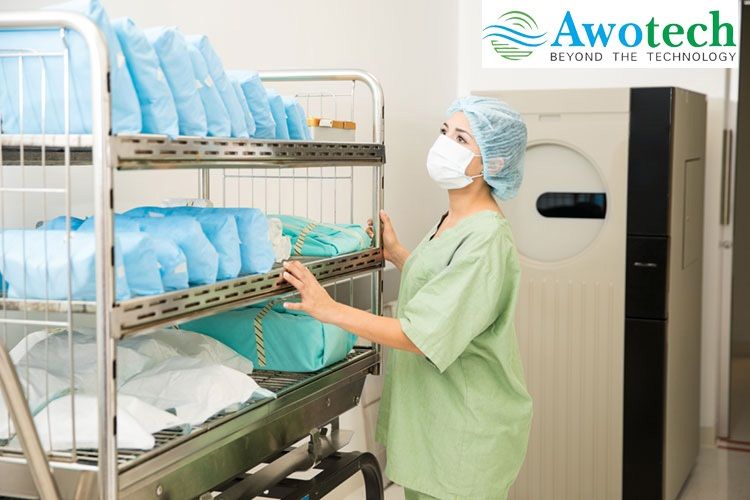
Cold Room For Pharma Industry A cold room is an essential component of the pharmaceutical industry, providing controlled storage conditions for a wide range of temperature-sensitive products. Cold rooms in the pharma industry are designed to maintain specific temperature ranges and humidity levels, ensuring the integrity and efficacy of pharmaceuticals throughout their shelf life.Product Stability: Many pharmaceutical products, including vaccines, biologics, and certain medications, are highly sensitive to temperature fluctuations. Cold rooms provide a consistent and controlled environment, typically set between 2C and 8C (35.6F and 46.4F) for refrigerated storage, ensuring that these products remain stable and effective. This helps to maintain their potency, extend shelf life, and reduce the risk of product degradation. Regulatory Compliance: The pharmaceutical industry is subject to strict regulations and quality standards. Cold rooms play a crucial role in complying with regulatory requirements, such as Good Manufacturing Practices (GMP) and Good Distribution Practices (GDP). These guidelines often mandate specific temperature and humidity conditions for storage and transportation, and cold rooms provide a reliable solution to meet these requirements. Inventory Management: Cold rooms enable efficient inventory management for pharmaceutical companies. With proper organization and labeling, cold rooms allow for easy tracking and access to various products, reducing errors and improving workflow. Moreover, temperature monitoring systems in cold rooms provide real-time data, allowing companies to ensure that storage conditions remain within acceptable limits. Waste Reduction: The controlled environment of a cold room helps minimize the risk of product spoilage and waste. By preserving the quality and stability of pharmaceuticals, cold rooms reduce the likelihood of costly product recalls and disposal. This not only saves money but also contributes to sustain
View Complete Details

Awotech Puf Panel

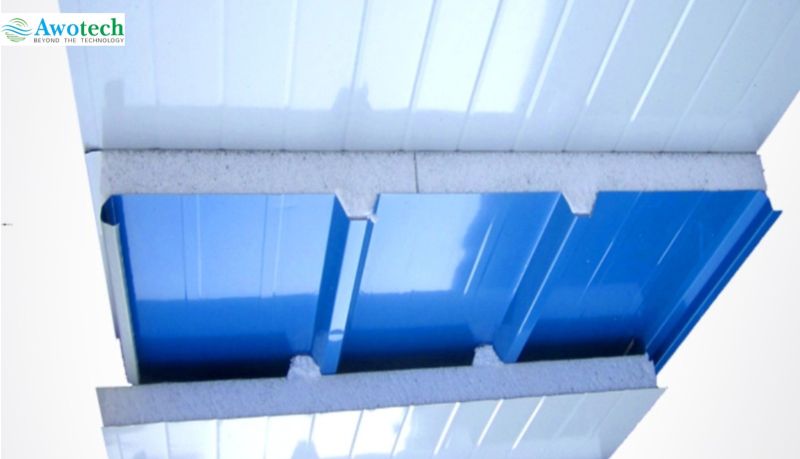
PUF (Polyurethane Foam) panels, also known as insulated panels or sandwich panels, are widely used in the construction of cold storage facilities. PUF panels consist of an insulating core sandwiched between two layers of metal or other suitable materials. They offer excellent thermal insulation properties, making them ideal for maintaining low temperatures in cold storage environments.PUF (Polyurethane Foam) panels, also known as insulated panels or sandwich panels, are widely used in the construction of cold storage facilities. PUF panels consist of an insulating core sandwiched between two layers of metal or other suitable materials. They offer excellent thermal insulation properties, making them ideal for maintaining low temperatures in cold storage environments.
View Complete Details

Modified Atmosphere Room (Ma Room)

  • Feature Gas Sensors, Gas Injection Systems
  • Brand Name Awotech
A Modified Atmosphere Room (M A Room) is a specialized area within a cold storage installation that controlled the atmosphere surrounding stored goods. A Modified Atmosphere Room (M A Room) is a specialized area within a cold storage installation that is designed to control the composition of the atmosphere surrounding stored goods. It is commonly used in the food industry, particularly for preserving perishable items such as fruits, vegetables, and meats. The main purpose of a Modified Atmosphere Room is to extend the shelf life of these products by altering the levels of oxygen, carbon dioxide, and other gases within the environment. By creating a controlled atmosphere, the M A Room can slow down the natural deterioration processes such as ripening, microbial growth, and enzymatic reactions. The specific gas composition and levels in the M A Room depend on the type of product being stored and the desired shelf life. Generally, the oxygen levels are reduced, and carbon dioxide levels are increased to inhibit the growth of spoilage-causing organisms and delay ripening. Other gases, such as nitrogen, may also be used to displace oxygen and maintain a stable atmosphere. The M A Room is equipped with specialized equipment, including gas sensors, gas injection systems, and monitoring devices, to maintain the desired gas composition and regulate humidity and temperature levels. These systems ensure that the stored goods are kept in an optimal environment for preservation. By using Modified Atmosphere Rooms, food producers and distributors can significantly extend the storage life of perishable products, reduce waste, and maintain product quality and freshness. However, it's important to note that each type of product requires specific gas compositions and storage conditions, so proper understanding and expertise are crucial in operating an M A Room effectively. Contact Awotech Modified Atmosphere Room (Cold Storage Installation Unit).
View Complete Details

Cold Room For Meat And Poultry

  • Number Of Flower Cold Room
  • Feature Temperature Control, Extended Shelf Life
  • Storage Type Perishable Food Products
We preserve for long time meat and poultry.A cold room for meat and poultry, also known as a refrigerated or cold storage room, is a specialized facility designed to store perishable food products at low temperatures to extend their shelf life and maintain their quality. These rooms are typically kept at temperatures below the freezing point of water, usually between -18C to 4C (0F to 39F), depending on the specific requirements of the products being stored. Temperature control: Cold rooms provide precise temperature control, ensuring that the stored meat and poultry are kept at the ideal temperature for preservation. Low temperatures help inhibit the growth of bacteria, slowing down the spoilage process and reducing the risk of foodborne illnesses.Extended shelf life: By maintaining the appropriate temperature and humidity levels, cold rooms can significantly extend the shelf life of meat and poultry products. This allows businesses to store larger quantities and reduce the risk of spoilage, ultimately minimizing food waste and maximizing profitability.Preservation of quality: Cold rooms help preserve the quality of meat and poultry products by slowing down enzymatic and bacterial activities that can lead to texture changes, flavor deterioration, and color loss. Maintaining freshness and quality is crucial for meeting consumer expectations and complying with food safety regulations.Inventory management: With cold storage facilities, businesses can stock larger quantities of meat and poultry products, ensuring a consistent supply to meet customer demands. It allows for efficient inventory management, bulk purchasing, and seasonal storage of perishable goods.Distribution and logistics: Cold rooms play a vital role in the distribution and logistics of meat and poultry products. They provide a centralized location for product storage, making it easier to manage and transport goods to retailers, wholesalers, or food service establishments while maintaining th
View Complete Details

Cold Room For Fruits And Vegetables

Temperature: Most fruits and vegetables require specific temperature ranges for optimal storage. Generally, temperatures between 32F (0C) and 55F (13C) are suitable for most produce. However, different types of fruits and vegetables have specific temperature requirements, so it's important to consider their individual needs. Humidity: Maintaining proper humidity levels is crucial for preventing moisture loss or excessive moisture buildup, which can lead to spoilage. Generally, fruits require higher humidity levels (80-90%) to prevent dehydration, while vegetables need lower humidity (65-75%) to prevent decay. Ethylene sensitivity: Some fruits and vegetables produce and are sensitive to ethylene gas, which can accelerate ripening and spoilage. It's important to store ethylene-producing fruits (such as apples, bananas, and pears) separately from ethylene-sensitive vegetables (such as lettuce, broccoli, and carrots) to avoid premature spoilage. Air circulation: Good air circulation is essential to prevent the buildup of carbon dioxide and ethylene, as well as to maintain consistent temperature and humidity throughout the storage area. Adequate ventilation helps reduce the risk of mold and fungal growth. Packaging: Fruits and vegetables should be stored in appropriate packaging to maintain freshness and prevent damage. Perforated plastic bags or containers are commonly used to strike a balance between maintaining humidity and allowing for some airflow. Avoid storing fruits and vegetables together in sealed plastic bags, as this can lead to the accumulation of moisture and mold growth. Separation: Some fruits and vegetables release natural gases that can affect the quality of neighboring produce. It's advisable to store different types of fruits and vegetables separately to minimize cross-contamination and maintain their individual freshness. Pre-cooling: It's beneficial to pre-cool fruits and vegetables before storing them in cold storage. Pre-cooling involves
View Complete Details

Cold Storage For Floriculture

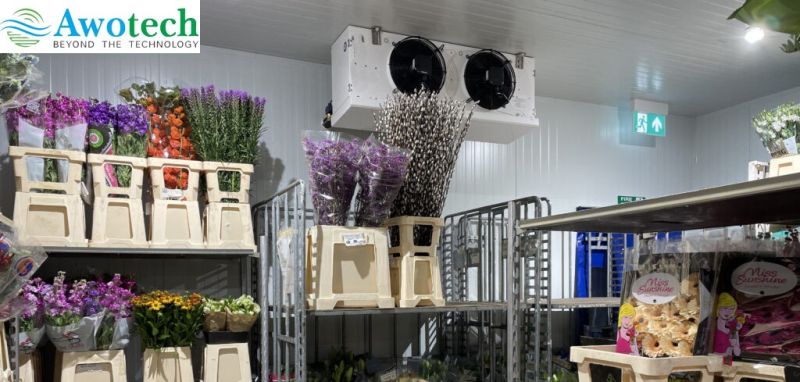
Floriculture is the cultivation and production of flowers, including both cut flowers and potted plants, for decorative and ornamental purposes. It is an important sector of the agricultural industry, serving various markets such as floral arrangements, landscaping, events, and gift-giving. Cold storage plays a significant role in floriculture by providing controlled temperature and humidity conditions for the storage and preservation of flowers.Extended Shelf Life: Flowers are highly perishable and have limited shelf life once harvested. Cold storage facilities offer a controlled environment with low temperatures, typically between 2C and 8C (35.6F and 46.4F), which helps slow down the aging process of flowers. This extends their shelf life, allowing growers, distributors, and retailers to store flowers for longer periods while maintaining their freshness, appearance, and fragrance. Delayed Blooming: Certain flowers have a natural tendency to bloom quickly once cut. Cold storage can help delay the blooming process, preserving the flowers in their bud stage. This delay allows for better coordination with market demands, transportation logistics, and scheduling of floral arrangements or events. It ensures that the flowers are in optimal condition when they reach the end consumer. Seasonal Availability: Cold storage enables floriculture businesses to store flowers during periods of high supply and availability and release them gradually when demand is high or during off-season periods. This provides a more consistent supply of flowers throughout the year, regardless of their natural blooming seasons. It helps meet market demands, especially during peak flower-buying occasions like holidays or events. Market Flexibility: Cold storage offers flexibility in the timing and distribution of flowers. Growers can harvest flowers in advance and store them in cold storage until they are ready to be transported or sold. This allows for better coordination with market de
View Complete Details

Cold Room For Beverages

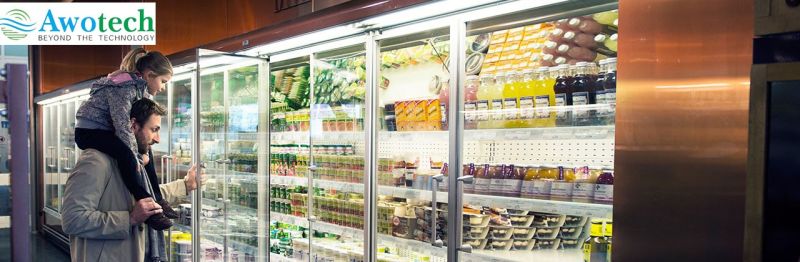
A cold room for beverages is a specialized storage facility designed to maintain low temperatures for the storage of various types of beverages, including soft drinks, juices, beer, wine, and other bottled or canned beverages. Cold rooms play a crucial role in the beverage industry by ensuring that these products are stored at optimal temperatures to maintain their quality, taste, and freshness.Temperature Control: Cold rooms provide a controlled environment with specific temperature ranges, typically set between 0C and 10C (32F and 50F) for beverages. This temperature range helps preserve the flavor, carbonation, and overall quality of the beverages. It prevents spoilage, extends shelf life, and ensures that customers receive beverages that are chilled and enjoyable to consume. Inventory Management: Cold rooms allow for efficient inventory management in the beverage industry. They provide ample space to store a large volume of products, ensuring a steady supply for retailers, bars, restaurants, and other establishments. With proper organization and labeling, it becomes easier to track and access different types of beverages, reducing errors and improving overall workflow.Quick Cooling and Chilling: Cold rooms are equipped with advanced refrigeration systems that facilitate rapid cooling and chilling of beverages. This is especially important for establishments that need to serve cold beverages quickly to meet customer demands. Cold rooms ensure that beverages are chilled to the desired temperature promptly, maintaining their refreshing qualities. Consistency in Taste and Quality: Beverages stored in cold rooms retain their original taste and quality. The controlled temperature environment prevents fluctuations that can alter the flavor and consistency of the beverages. Whether it is carbonated drinks, juices, or alcoholic beverages, cold rooms help to preserve the intended characteristics of the products, ensuring a consistent experience for consum
View Complete Details

Cold Room For Hospital And Blood Bank

A cold room, also known as a cold storage room, is a specialized facility designed to maintain low temperatures for storing perishable items such as vaccines, medicines, blood products, and other temperature-sensitive materials. In the context of hospitals and blood banks, cold rooms play a crucial role in preserving the integrity and quality of medical supplies and blood products. A cold room for a hospital or blood bank is typically equipped with advanced refrigeration systems that can maintain specific temperature ranges, usually between 2C and 8C (35.6F and 46.4F) for medical supplies and 2C and 6C (35.6F and 42.8F) for blood products.Preservation of Medicines and Vaccines: Many medications and vaccines require strict temperature control to remain effective. Cold rooms provide a controlled environment, ensuring that these sensitive products are stored within their required temperature ranges. This preservation helps maintain their potency and extends their shelf life, ensuring that healthcare providers have access to reliable and effective treatments. Blood Storage: Blood and its components, such as red blood cells, plasma, and platelets, are critical for medical procedures, transfusions, and emergency situations. Cold rooms provide the optimal conditions for storing blood products, preventing spoilage and maintaining their viability. This helps ensure a steady supply of safe blood products for patients in need. Disease Control: Cold rooms play a vital role in preventing the growth of bacteria and microorganisms that can contaminate medical supplies or blood products. By maintaining low temperatures, cold rooms create an inhospitable environment for these harmful agents, reducing the risk of infection and disease transmission. Emergency Preparedness: Hospitals and blood banks must be prepared to respond to emergencies, such as natural disasters or outbreaks. Cold rooms allow for the stockpiling of medical supplies, vaccines, and blood products in ad
View Complete Details

Saffron Growing Chamber

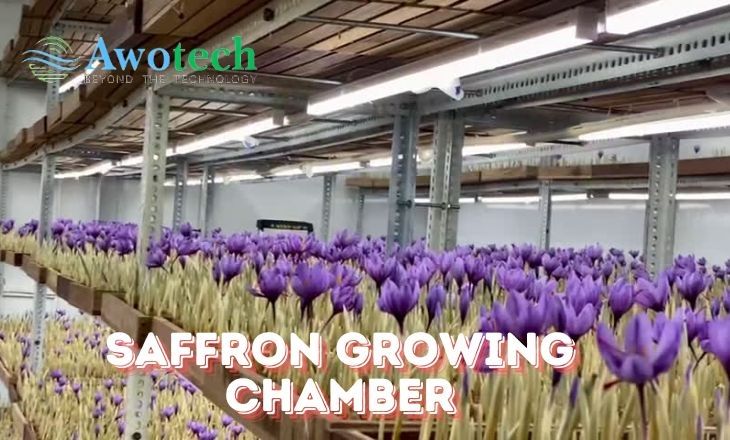
Introducing the cutting-edge Saffron Growing Chamber, powered by Aeroponics technology! This innovative, closed-loop system creates an optimal environment for saffron cultivation, ensuring maximum yield and quality. The chamber's advanced features include: - Precise temperature control (15-25C)- Humidity management (50-70%)- Nutrient-rich misting system- LED grow lights with adjustable spectrum- Automated pruning and harvesting Aeroponics technology eliminates soil-borne diseases, reduces water consumption by 90%, and increases crop yields by up to 30%. Our Saffron Growing Chamber is perfect for commercial growers, researchers, and enthusiasts seeking to unlock the full potential of this prized spice. Benefits: - Increased crop yields- Improved quality and flavor- Water conservation- Reduced land use- Year-round production Experience the future of saffron cultivation with our Aeroponics-powered Growing Chamber. Contact us to learn more!.
View Complete Details

Solar Cold Storage Room

Solar Cold Storage: A Smart and Eco-Friendly Solution: What is Solar Cold Storage?Solar cold storage is a modern technology that keeps perishables like fruits, vegetables, dairy products, meat, and pharmaceuticals fresh using solar energy. It is a perfect combination of solar power and refrigeration, saving you from high electricity bills and power cuts. It is a reliable and cost-effective solution especially for rural and remote areas. Why choose Solar Cold Storage? 1. Eco-Friendly And Sustainable:Solar cold storage uses renewable solar energy, which is environment-friendly and pollution-free. 2. Cost-Effective Solution:Solar power reduces electricity bills significantly and saves the cost of diesel generators. 3. Reliable in Remote Areas:Perfect solution for remote and off-grid locations where electricity is an issue. 4. Reduce Food Waste:Increases shelf life of perishables, prevents food spoilage, and maximizes profits. 5. Low Maintenance, Easy to Operate:These systems are durable and user-friendly, giving you a hassle-free experience. Where is Solar Cold Storage used?- Agriculture: Best option for farmers to reduce loss of fresh produce.- Dairy Products: Keeps milk and dairy products fresh and safe.- Pharmaceuticals: Temperature-controlled environment for vaccines and medicines.- Food Supply Chain: Maintains the quality of frozen and chilled foods during distribution. How does it work?1. Solar Panels: Convert sunlight into electricity.2. Battery Storage: Store extra energy so that it can be used at night and cloudy days.3. Cooling Units: Maintain optimal temperature by using electricity.4. Monitoring System: Tracks real-time performance and ensures efficient operation. Benefits for Farmers and Small Businesses:Solar cold storage gives small-scale farmers and entrepreneurs access to affordable and reliable storage. This technology reduces food wastage and also provides new market opportunities. It is a game-changer for transforming rura
View Complete Details

Cold Room For Dairy Products

  • Number Of Flower Cold Room
  • Feature Temperature Control, Humidity Control
  • Packaging Type Airtight Containers
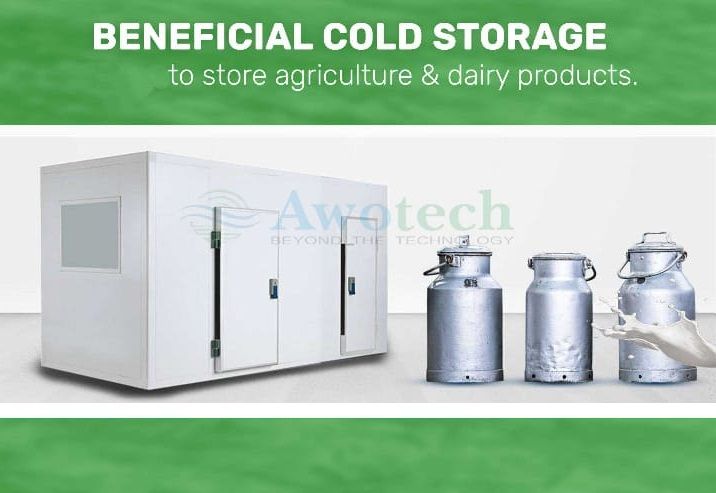
Temperature Control: Maintain the cold room temperature at the appropriate level for dairy products, usually between 2 to 4 degrees Celsius (35 to 39 degrees Fahrenheit). This temperature range helps inhibit bacterial growth and keeps the dairy products fresh. Humidity Control: Control the humidity levels in the cold room to prevent excessive moisture or dryness, which can impact the quality of dairy products. Aim for a relative humidity level of around 85% to maintain the ideal moisture balance. Proper Packaging: Dairy products should be stored in suitable packaging that provides a barrier against light, moisture, and contaminants. Packaging options may include airtight containers, vacuum-sealed bags, or food-grade plastic wraps. Ensure that the packaging is clean and tightly sealed to maintain the product's freshness. Rotation and First-In-First-Out (FIFO): Implement a system to manage inventory andpractice the FIFO principle. Use older dairy products first to minimize waste and ensure that products with shorter shelf lives are used before those with longer shelf lives. Avoid Cross-Contamination: Prevent cross-contamination by storing different dairy products separately. Keep products like milk, cheese, butter, and yogurt in designated areas or use separate shelves within the cold room. This helps prevent the spread of bacteria and maintains the quality and flavor of each product. Regular Cleaning and Sanitization: Clean and sanitize the cold room regularly to maintain a hygienic environment. Remove any spills, debris, or spoiled products promptly to prevent the growth of bacteria or mold. Monitoring and Maintenance: Regularly monitor the temperature and humidity levels inside the cold room using calibrated thermometers and hygrometers. Conduct maintenance checks on cooling systems and equipment to ensure they are functioning properly. Adhere to Shelf Life Guidelines: Follow the recommended shelf life guidelines for each dairy product. Pay attention to expi
View Complete Details

Banana Ripening Cold Rooms

  • Number Of Flower Cold Rooms
  • Brand Name Blue Star
  • Storage Type Banana Ripening
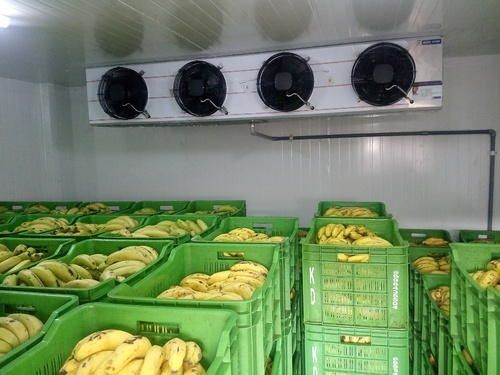
Blue Star is a leading provider of banana ripening solutions in India today. Thousands of banana traders and farmers are Blue Star customers and over 14, 000 MT of bananas get ripened in our Banana Ripening Cold Rooms everyday. This domain knowledge in the field ensures that each Blue Star Ripening Cold Room is designed bottom up, to maintain the precise conditions required by each specific application. Factors such as humidity, temperature, ventilation and specific gas emission levels within each ripening chamber are tuned to optimum levels, in each chamber design, based on requirements at each facility
View Complete Details
Tell Us What are you looking for? Will call you back

Contact Us