 GST : 32CSSPK9599Q1ZA
 4.6/5
4.6/5
Our Products
We offer a complete product range of Medical Autoclave
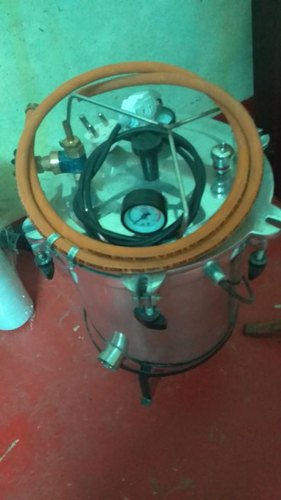
In Ayurvedic Panchakarma treatments, autoclaves are not traditionally part of the classical Ayurvedic practices described in ancient texts. However, in modern Ayurvedic practice, autoclaves are used to ensure proper sterilization of equipment and tools to maintain hygiene and prevent infections. Here's how they fit into the context of Panchakarma:
Purpose of Autoclave in Panchakarma
Sterilization of Instruments:
Hygiene in Treatment Rooms:
Compliance with Modern Standards:
Preparation of Herbal Decoctions:
Examples of Panchakarma Treatments Requiring Sterile Tools
Advantages of Using Autoclaves
Traditional vs. Modern Integration
While Panchakarma is deeply rooted in traditional Ayurvedic principles, the integration of modern tools like autoclaves ensures that ancient practices align with contemporary healthcare standards, making treatments safer and more acceptable to a broader audience.
Additional Information:
Payment Terms :
Packaging Details : CARTON
Delivery Time : 20 DAYS
 Chinchu (Ayush Jyothi)
 Viii/418A,Nadyamuri Road,Thottara,Arayankavu,Ernakulam,Kerala,India-682315, Mulanthuruthy - 682317
 https://www.ayushjyothi.in
 Share us via