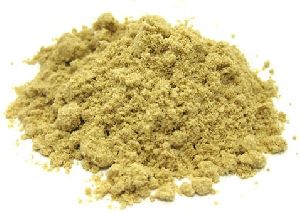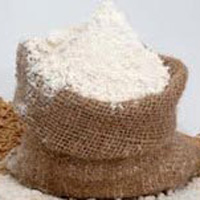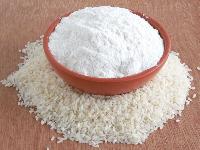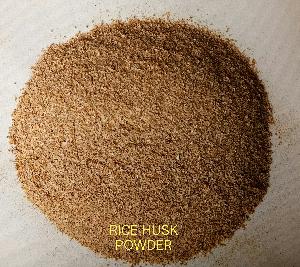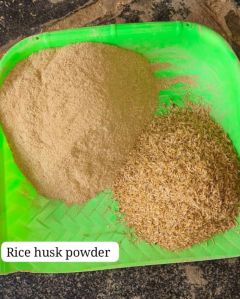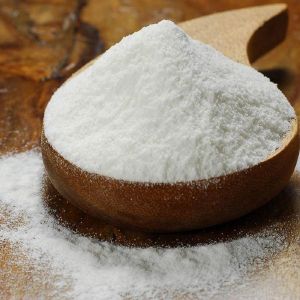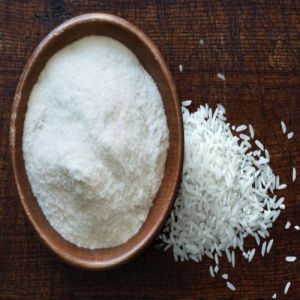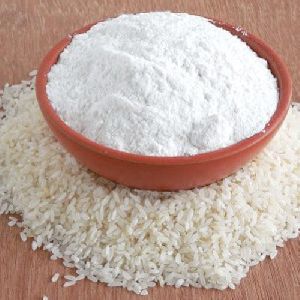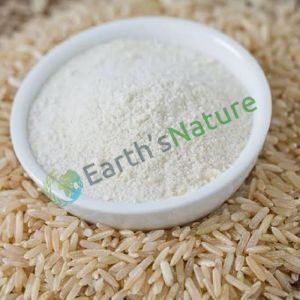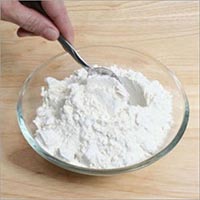
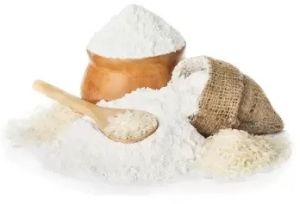



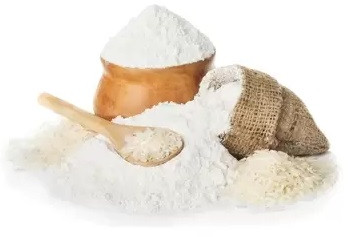


Wet and dry rice flour are two forms of rice flour commonly used in various culinary applications. Both types are derived from rice grains, but they undergo different processing methods, resulting in distinct textures and characteristics. Dry rice flour is made by grinding dried rice grains into a fine powder. It is commonly used as a thickening agent in cooking and baking or as a gluten-free alternative to wheat flour. Dry rice flour has a soft and powdery texture, similar to wheat flour, and is often used in recipes for bread, cakes, pastries, and other baked goods. It has a neutral flavor and can be easily incorporated into a wide range of recipes. Wet rice flour, on the other hand, is made by soaking rice grains in water for a period of time, typically overnight, and then grinding them into a smooth paste. This paste-like consistency gives wet rice flour a unique texture and stickiness. It is commonly used in Asian cuisine, particularly in dishes like rice noodles, rice dumplings, and various rice-based desserts. The sticky nature of wet rice flour makes it ideal for certain dishes that require a chewy and gelatinous texture. For example, in Asian cuisines, wet rice flour is used to make rice noodles, which have a distinct chewiness and elasticity when cooked. It is also commonly used to make rice dumplings or rice cakes, which can be steamed, boiled, or pan-fried. Both wet and dry rice flour have their own unique characteristics and are used in different culinary applications. Dry rice flour is versatile and can be used in a wide range of recipes as a gluten-free alternative to wheat flour. Wet rice flour, on the other hand, is particularly valued in Asian cooking for its sticky texture and is commonly used in dishes that require a chewy and gelatinous consistency.
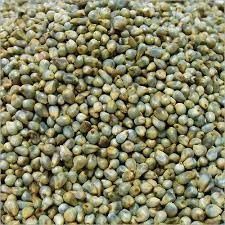
Types of Millets: There are several types of millets, including pearl millet (bajra), finger millet (ragi), foxtail millet, proso millet, and barnyard millet. Each type has its own unique nutritional composition and culinary uses. Nutritional Benefits: Millets are packed with essential nutrients such as fiber, protein, vitamins (B-complex, especially niacin and thiamine), minerals (iron, calcium, phosphorus), and antioxidants. Health Benefits: Regular consumption of millets has been associated with numerous health benefits. They can help manage weight, improve digestion, lower cholesterol levels, reduce the risk of heart disease, and control blood sugar levels. Millets are also known to have anti-inflammatory properties. Culinary Uses: Millets can be used in various culinary preparations. They are commonly used to make porridge, flatbreads, pilafs, and even fermented products like idli and dosa. The grains can be cooked whole, ground into flour, or used as flakes. Environmental Sustainability: Millets are considered environmentally friendly crops due to their low water requirements and ability to grow in poor soil conditions. They are resilient to drought and require fewer pesticides and fertilizers compared to other cereal grains. Food Security: Millets play a crucial role in ensuring food security, particularly in developing countries. They are often grown by small-scale farmers and provide a reliable source of nutrition and income, especially in regions prone to climatic uncertainties. Global Significance: Millets are not only consumed in specific regions but are gaining popularity worldwide due to their nutritional value and sustainable characteristics. They have been recognized by the United Nations as important crops for addressing global food security and climate change challenges. In conclusion, millets are ancient grains that offer a range of nutritional benefits, have versatile culinary uses, and contribute to sustainable agriculture.
Share your thoughts with other customers for balaji flour mill
Add Review Maruthi (balaji flour mill)
 dilsukhnagar hydreabad, Dilsukh Nagar, Hyderabad, Telangana, India
 Share us via