
Pipe Connections: Used to connect sections of pipes, enabling the creation of complex plumbing networks.
Fixture Installation: Essential for installing faucets, valves, and other fixtures in residential and commercial settings.
Water Distribution: Facilitate the distribution of water from the main supply line to various outlets such as sinks, showers, and toilets.
Pipe Terminations: Used to cap or plug the ends of pipes, preventing leaks and controlling the flow of water.
Appliance Connections: Connect plumbing fixtures such as washing machines, dishwashers, and water heaters to the main plumbing system.
Repair and Maintenance: Utilized for repairing leaks, replacing damaged fittings, and maintaining plumbing infrastructure.
Pressure Regulation: Incorporate valves and regulators to control water pressure and flow rates within the plumbing system.
Custom Installations: Brass fittings are adaptable for custom installations and modifications to accommodate specific plumbing requirements.
Details:
Material Composition: Brass pipe fittings are crafted from high-quality brass alloys, typically consisting of copper and zinc, offering excellent corrosion resistance and durability.
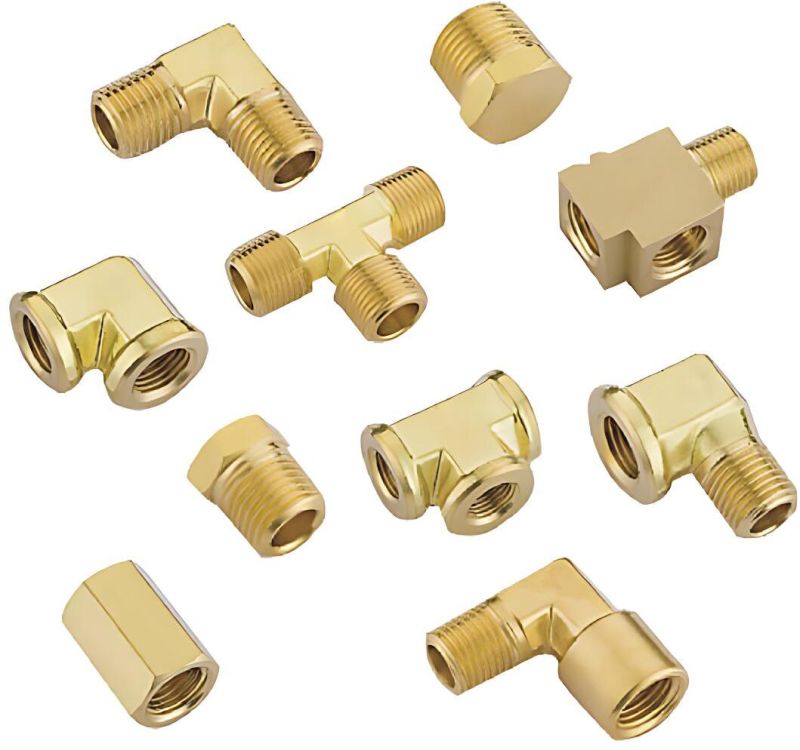
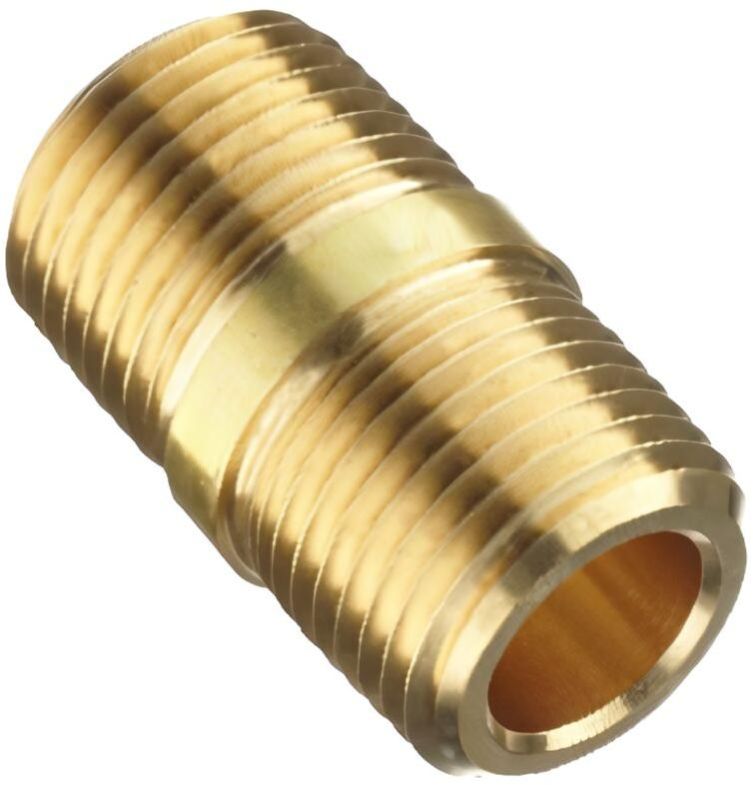
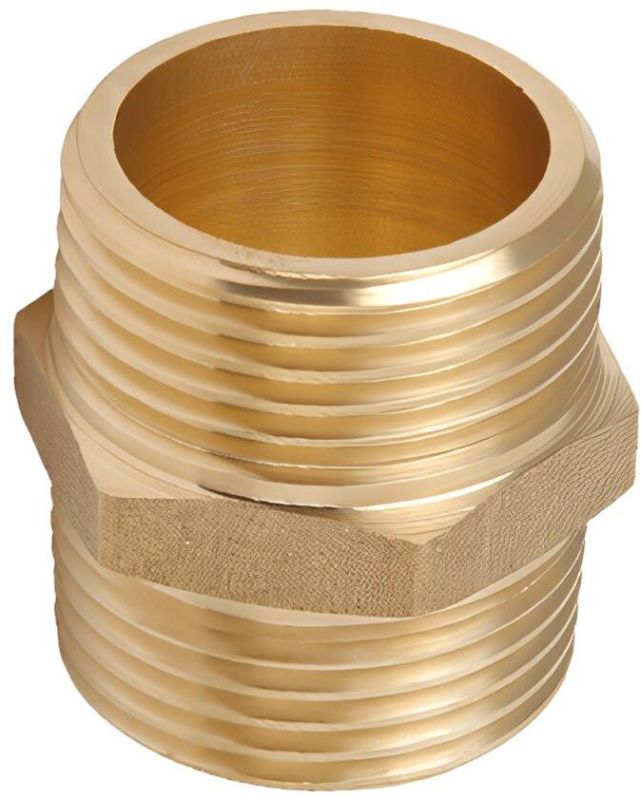
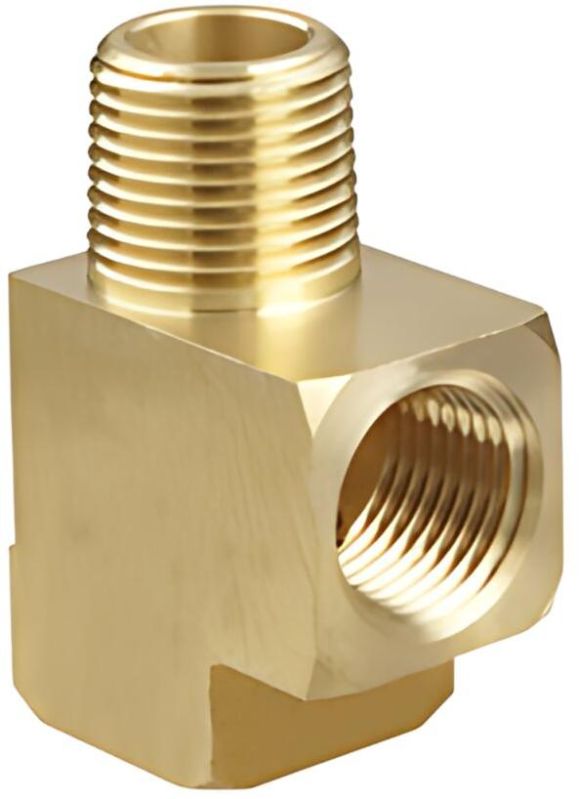
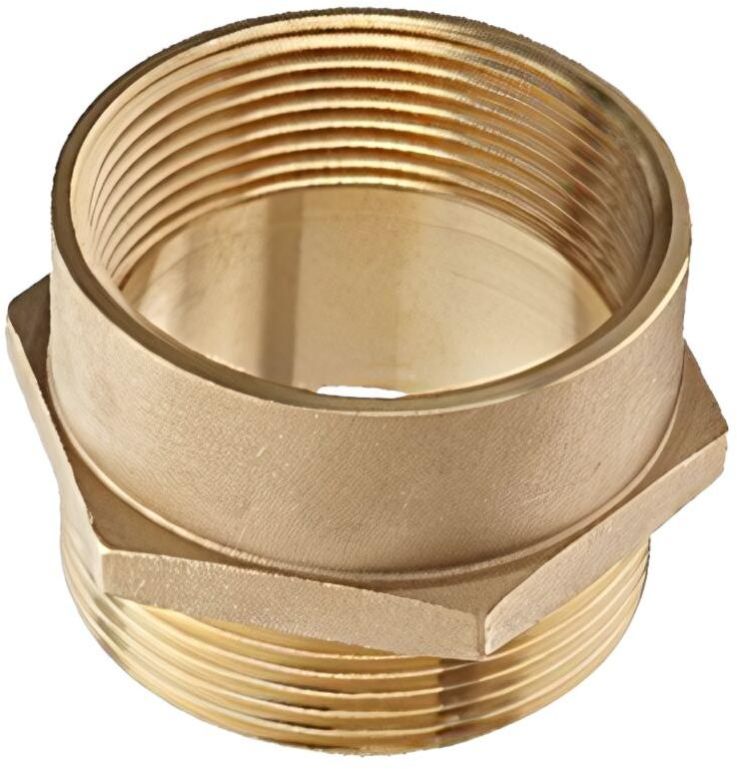
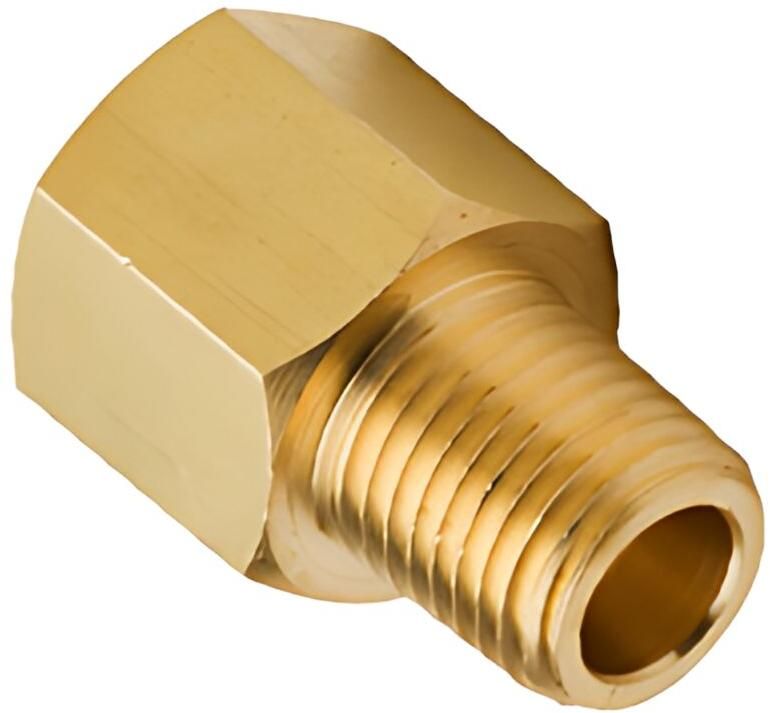
Types of Fittings: Available in various types including elbows, tees, couplings, adapters, unions, and valves, catering to different plumbing needs and configurations.
Thread Types: Offered with standardized thread types such as NPT (National Pipe Thread) or BSP (British Standard Pipe), ensuring compatibility with existing plumbing components.
Size and Diameter: Available in a range of sizes and diameters to accommodate different pipe dimensions and flow requirements.
Surface Finishes: Finished with polishing, plating, or coating processes to enhance aesthetics, corrosion resistance, and ease of cleaning.
Connection Methods: Brass fittings can be connected using threaded, soldered, or compression methods, providing flexibility for installation and assembly.
Quality Standards: Manufactured to meet or exceed industry standards and specifications, ensuring consistent performance and reliability.
Testing and Certification: Brass pipe fittings undergo testing and certification procedures to verify compliance with plumbing codes and regulations.
Benefits:
Durability: Brass pipe fittings offer exceptional durability and longevity, withstanding corrosion, temperature fluctuations, and mechanical stress.
Corrosion Resistance: Brass alloys are inherently resistant to corrosion, making them ideal for use in plumbing systems exposed to water and moisture.
Leak Prevention: Brass fittings provide secure and leak-proof connections, minimizing the risk of water damage and costly repairs.
Ease of Installation: Brass fittings are easy to install and maintain, requiring simple tools and techniques for assembly and disassembly.
Versatility: Brass fittings are versatile and adaptable, suitable for a wide range of plumbing applications in residential, commercial, and industrial settings.
Aesthetic Appeal: The golden hue of brass adds a touch of elegance and sophistication to plumbing fixtures, enhancing the overall aesthetics of the space.
Temperature Resistance: Brass fittings can withstand high temperatures and pressure, ensuring reliable performance in hot water applications.
Environmental Sustainability: Brass is a recyclable material, supporting sustainability efforts and reducing environmental impact in plumbing installations.