 Write a Review
Our Products
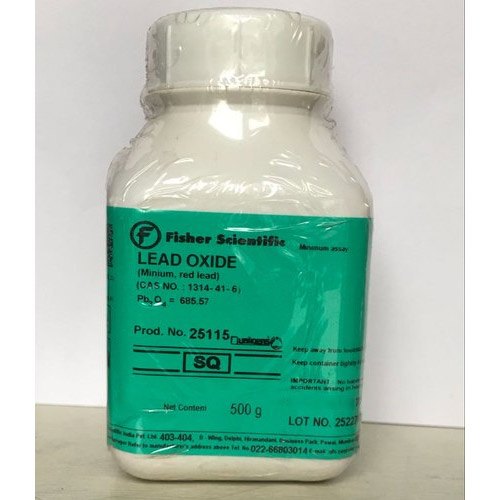
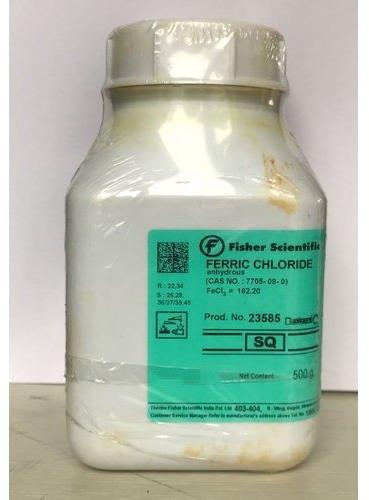
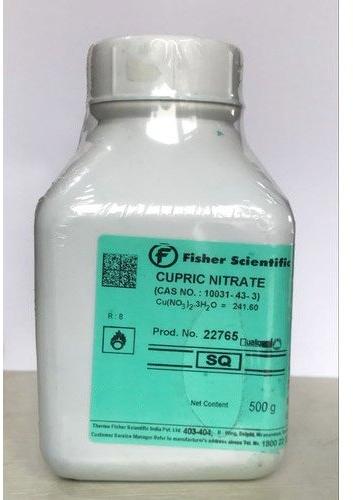
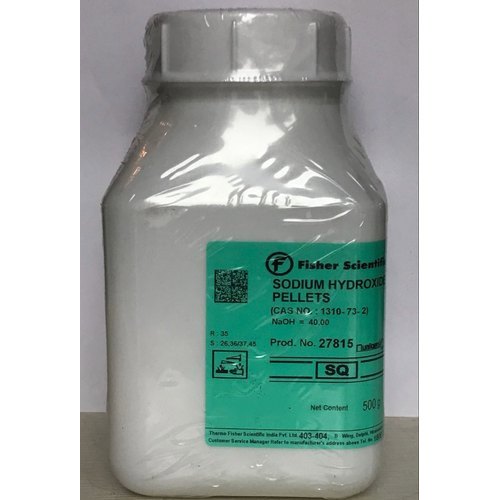
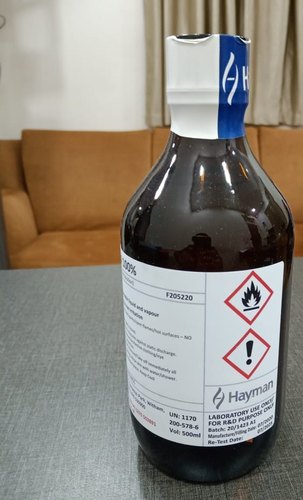
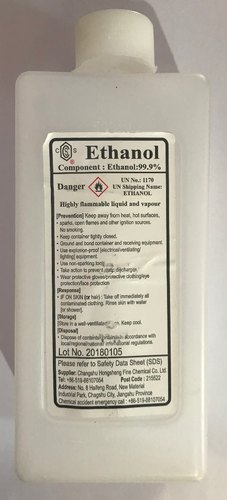
We offer a complete product range of Lead Oxide, Isopropyl Alcohol, Ferric Chloride, Cupric Nitrate and Sodium Hydroxide Pellet Powder
Uses
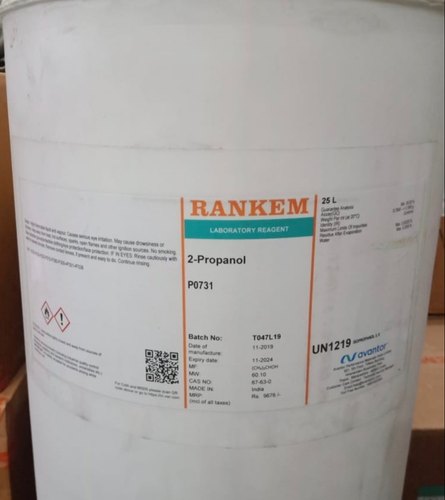
Isopropyl alcohol (IUPAC name propan-2-ol; also called isopropyl, isopropanol, or 2-propanol) is a colorless, flammable chemical compound (chemical formula CH3CHOHCH3) with a strong odor. As an isopropyl group linked to a hydroxyl group, it is the simplest example of a secondary alcohol, where the alcohol carbon atom is attached to two other carbon atoms. It is a structural isomer of 1-propanol and ethyl methyl ether. Isopropyl Alcohol is an isomer of propyl alcohol with antibacterial properties.
Isopropyl alcohol, particularly in solutions between 60% and 90% alcohol with 10 – 40% purified water, is rapidly antimicrobial against bacteria, fungi, and viruses. Once alcohol concentrations drop below 50%, usefulness for disinfection drops sharply. Notably, higher concentrations of alcohol don’t generate more desirable bactericidal, virucidal, or fungicidal properties. Alcohol-based versions typically contain some combination of isopropyl alcohol, ethanol (ethyl alcohol), or n-propanol, with versions containing 60% to 95% alcohol the most effective.Care should be taken as they are flammable. Alcohol-based hand sanitizer works against a wide variety of microorganisms but not spores. Compounds such as glycerol may be added to prevent drying of the skin. Some versions contain fragrances; however, these are discouraged due to the risk of allergic reactions. Non-alcohol based versions typically contain benzalkonium chloride or triclosan; but are less effective than alcohol-based ones.
Isopropyl alcohol is effective against viruses such as FCV at 40% – 60% concentrations. Ethanol however, is more effective at 70% – 90% concentrations against FCV.In other cases, isopropyl alcohol is more effective than ethanol at lower percentage concentrations.
Methods of Manufacturing:
Indirect hydration process is based on a two-step reaction of propylene and sulfuric acid; in the first step, mixed sulfate esters, primarily isopropyl hydrogen sulfate, but also diisopropyl sulfate, form; these are then hydrolyzed, forming isopropanol and sulfuric acid.
Health Hazards:
Vapors cause mild irritation of eyes and upper respiratory tract; high concentrations may be anesthetic. Liquid irritates eyes and may cause injury; harmless to skin; if ingested causes drunkenness and vomiting.
Fire Hazards:
Highly flammable. Vapour/air mixtures are explosive.
First Aid:
EYES: First check the victim for contact lenses and remove if present. Flush victim's eyes with water or normal saline solution for 20 to 30 minutes while simultaneously calling a hospital or poison control center. Do not put any ointments, oils, or medication in the victim's eyes without specific instructions from a physician.
Uses:
First Aid Measures:
Uses :
Preventive Measures :
 Mr. Govind (Byahut Scientico)
 Shop No. 1, Near Kamani Factory, Industrial Area,, Jhotwara, Jaipur, Rajasthan - 302012
 Share us via