Write a Review
Our Product / Services
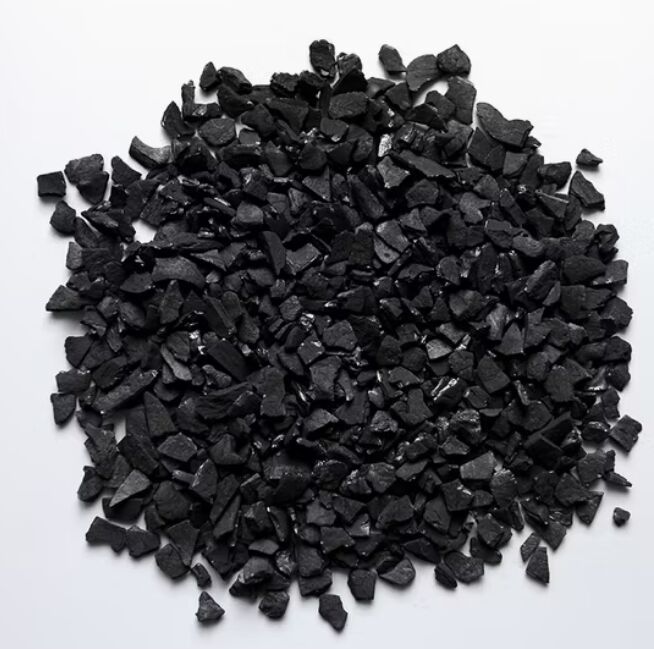
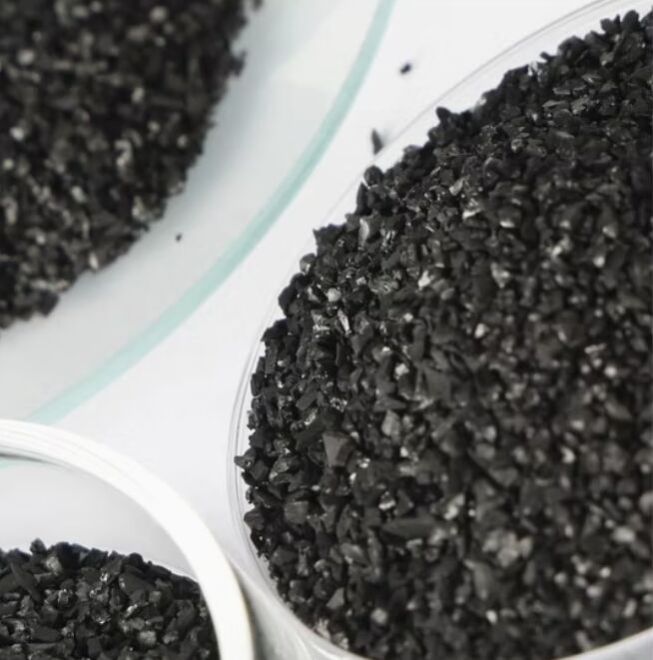
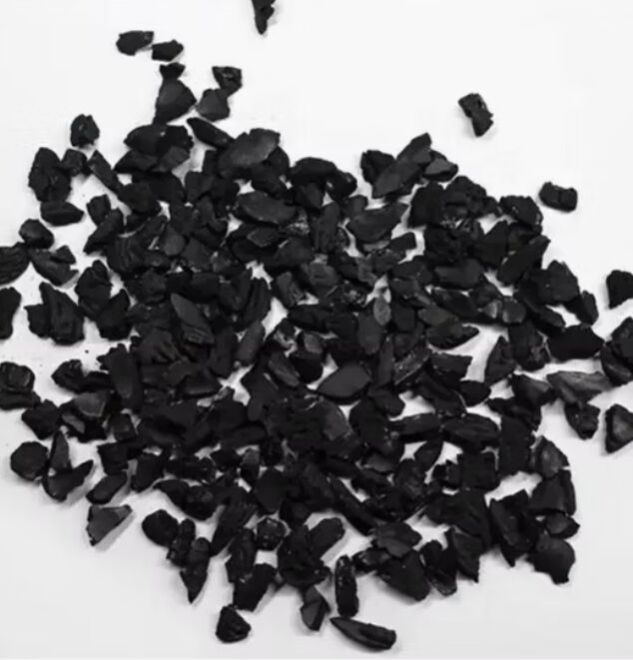
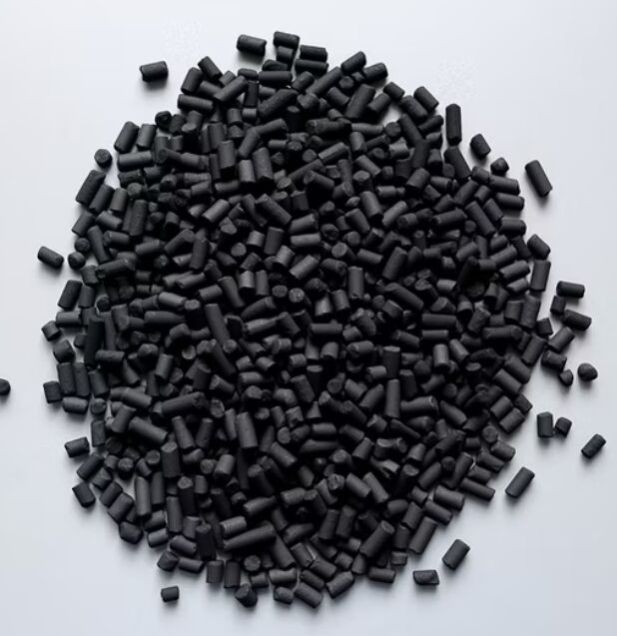
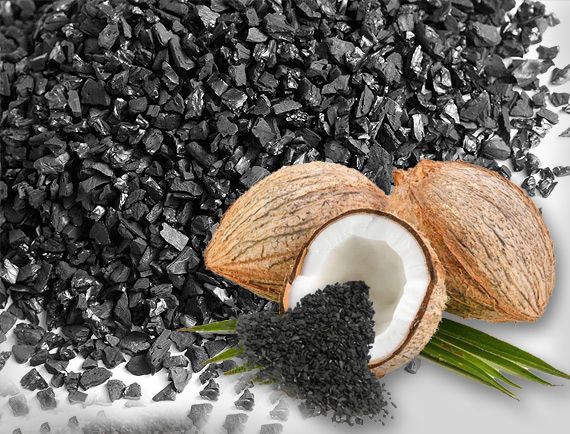
We offer a complete product range of Activated Carbon for H2S Removal, Carbon Testing Services, Carbon Reactivation Services, Coal Based Activated Carbon and Vapor Phase Filter Vessel
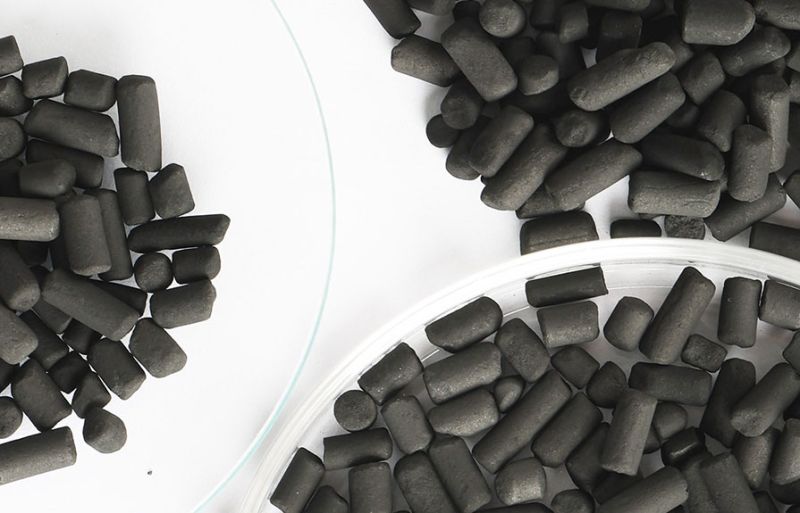
H2S removal Activated carbon
Additional Information:
Payment Terms : L/C, D/A, D/P, T/T
Packaging Details : 25 Kg PP bags
Delivery Time : 25 DAYS
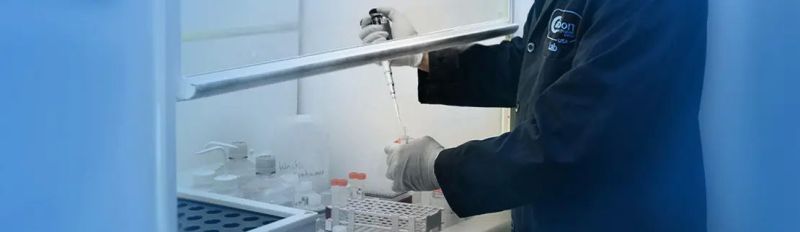
At our Research and Development facilities in Los Angeles, we offer quality testing of all received and dispatched carbon products. Our labs are also equipped for the testing of customer samples for matching currently used carbons or to help us recommend better-performing products. During our research, we only use the best equipment.
Just one more layer of support that we offer to our customers to ensure high quality products and sound technical advice.
Quality Control Laboratory
Our standard test procedures assure that products meet required guidelines for product quality control.
Analysis of product conformity per specifications for:
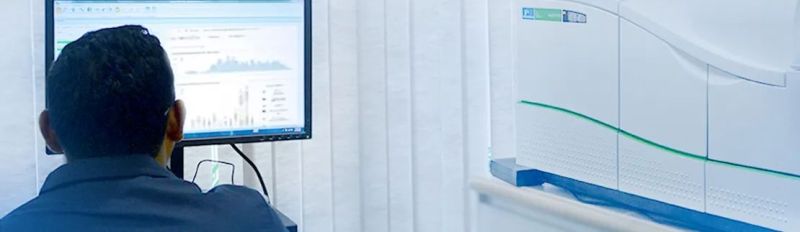
Ultimately, we also make use of quality management software to complete our audits and inspections and ensure compliance at all levels of our business and laboratory operations
Mass Spectrometry and Laser Analysis Laboratory
We offer specialized testing for specific industries:
Mass Spectrometry And Laser Analysis Laboratory
We offer specialized testing for specific industries:
Reactivated Carbon is An Efficient, Cost-effective Alternative to Virgin Activated Carbon.
\nThermal reactivation and reuse have grown in popularity. You save money because reactivated carbon is much cheaper than virgin carbon. At our facilities, adsorbed organics are destroyed during the thermal process and the activated carbon’s adsorptive capacity is restored up to 95% of the original levels. New carbon is added to make up for any minor loss during the process and the rejuvenated carbon is returned to your plant and reinstalled. And you won’t need to worry about the long-term liability of disposal.
\n\n
We have two reactivation plants, in California and New York, that meet stringent environmental standards. Our regeneration facility in California is NSF 61 Certified for reactivating carbon for drinking water purposes. We also handle disposal of spent activated carbon at these facilities.
\n\n
Quality and Safety
\nFor quality and safety reasons, we don’t accept any spent carbon until it has been tested and approved for reactivation. You can be sure that our reactivated carbon meets all the performance levels of the original carbon and is completely safe to handle and fully effective for use.
\n\n
Stock Management Services
\nNo need to store excess carbon at your plant. Our large warehouse facilities allow us to hold extra carbon stock for our customers for quick delivery to your premises. You can reuse your own carbon after having it reactivated, become part of a carbon pool, or start fresh with virgin carbon each time.
\n\n
The Environment Wins, Too
\nReactivation takes a waste product with potential liability and recovers it as a reusable asset
\n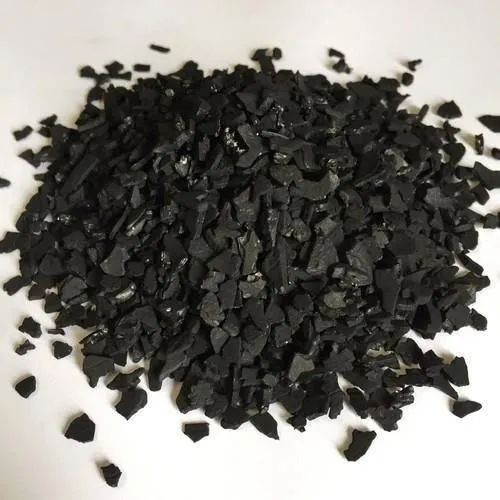
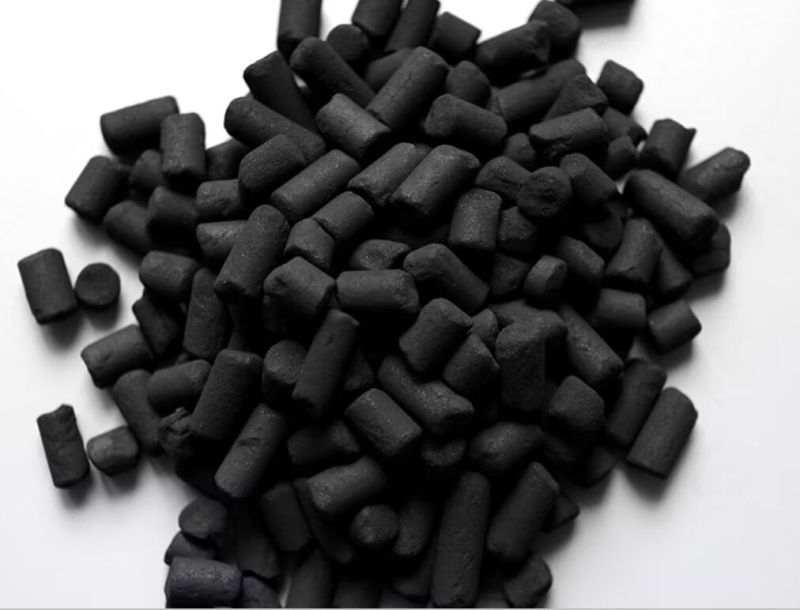
Coal based activated carbon is available in four different types of base material - bituminous, sub bituminous, anthracite, & lignite, consisting of micro, meso and macro pore structures. This unique pore distribution makes coal based activated carbon ideal to remove small to large molecular structures. Typical applications include but not limited to odor control in liquid & vapor phase applications, improve taste in liquids, liquid decolorization and purification of wastewater & potable water. Coal base carbon is also available in granular, extruded (Pelletized), and powder forms.
Applications
Standard Available Mesh Sizes
| 4×8 | 6×12 | 8×30 | 12×50 |
| 4×10 | 8×16 | 12×30 | 50×200 |
| 6×10 | 8×20 | 12×40 | 80×325 |
| -325 | - | - | - |
Custom sizes also available on request

Vapor Phase Adsorption Units
| Model Number | VAP-200 | VAP-300 | VAP-500 | VAP-1000 | VAP-2000 | VAP-5K | VAP-10K | VAP-20K |
|---|---|---|---|---|---|---|---|---|
| Pounds of carbon (lbs.) | 200 | 300 | 500 | 1000 | 2000 | 5000 | 10000 | 20000 |
| Connections | 2" FNPT | 2" FNPT | 2" FNPT | 4" FNPT | 4" FNPT | 6" FNPT | 6" FNPT | 18"X18" FNPT |
| Recommended Flow rate (cfm) | 100 | 200 | 300 | 500 | 600 | 1600 | 5000 | 10000 |
| Maximum Pressure (psig) | 8 | 12 | 12 | 15 | 15 | 10 | 10 | 10 |
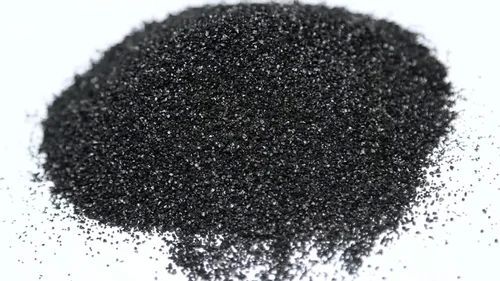
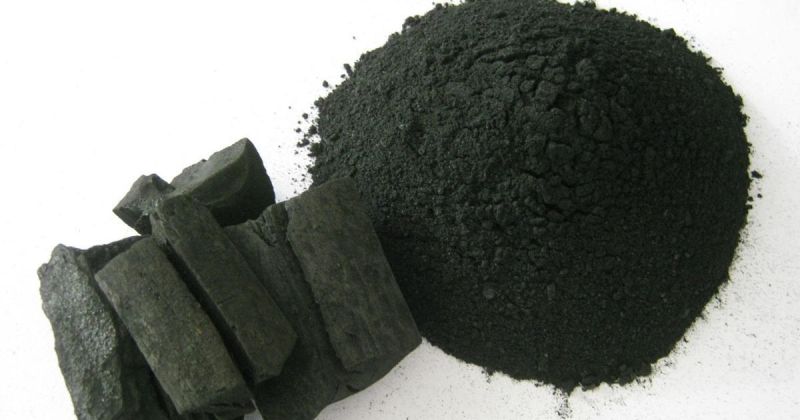
Wood based activated carbon is produced from selected types of wood and sawdust. This type of carbon is produced by either steam or phosphoric acid activation. Most pores in wood based carbon are in the meso and macro pore region which is ideal for decolorization of liquids and water. Wood base carbon is primarily used in surface water and wastewater filters to remove organic impurities and to effectively remove larger molecular structures like MIB (2-Methylisoborneol) and Geosmin. Wood base phosphoric acid activation can yield carbon with a very high surface area, ranging from 1500-2500 m2/g. The product is available in granular, pelletized, or powder forms.
Applications
This Carbon Is Available In The Standard Mesh Sizes:
| 4×8 | 6×12 | 8×30 | 20×50 |
| 4×10 | 8×16 | 12×30 | 50×200 |
| 6×10 | 8×20 | 12×40 | -325 |
Custom sizes also available on request
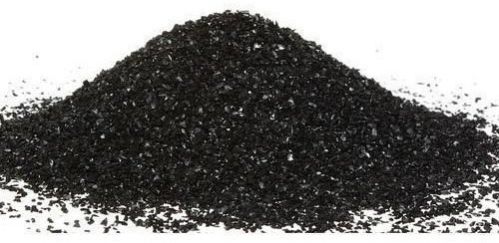
Carbon Activated makes a variety of coconut shell-based, impregnated activated carbon, in standard and custom sizes, for applications where non-treated carbon may not be effective. Surface impregnation chemically modifies activated carbon through a fine distribution of chemicals and metal particles on the internal surfaces of its pores. This greatly enhances the carbon’s adsorptive capacity through a synergism between the chemicals and the carbon. And provides a cost-effective way to remove impurities from gas streams which would otherwise not be possible.
Application
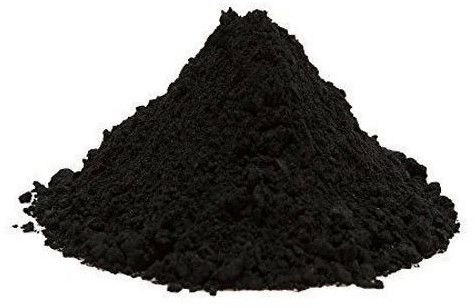
Powdered Activated Carbon (PAC) is similar to Granular Activated Carbon (GAC) as it is made from high quality coal, wood or coconut shell raw material. PAC is typically considered to have particles less than U.S standard 80 mesh size, which makes it ideal for water treatment. Our PAC is a reliable, economical water treatment option for taste and odor control and removal of organic compounds. The use of PAC is beneficial economically and environmentally, since it reduces operating costs, produces minimal waste sludge, allows for the conservation of resources, and provides superior water quality.
Carbon Activated Corp. PAC can be used by water treatment plants on either a regular basis or as needed by the season for taste, color and odor control or removal of organic chemicals. It is also built into air purification systems to adsorb volatile compounds and heavy metals, like mercury. Our activated carbon products are heavily used in the food and beverage industries as they are ideal for the removal of unwanted colors, tastes, and odors. Powdered Activated Carbon is effective in the removal of haze, odor, and decolorization in wine, modification of the taste of beer, and the purification and decolorization of gelatin. It is also utilized in purification and quality control of several other food and beverage products.

Liquid Phase Filter Vessel
| Model Number | LIQ-200 | LIQ-300 | LIQ-500 | LIQ-1000 | LIQ-2000 | LIQ-10K | LIQ-20K |
|---|---|---|---|---|---|---|---|
| Pounds of carbon (lbs.) | 200 | 300 | 500 | 1000 | 2000 | 10000 | 20000 |
| Connections | 2" FNPT | 2" FNPT | 2" FNPT | 4" FNPT | 4" FNPT | 6" FLNG | 8" FLNG |
| Recommended Flow rate (cfm) | 10 | 20 | 30 | 50 | 95 | 500 | 750 |
| Maximum Pressure (psig) | 10 | 12 | 14 | 25 | 12 | 125 | 125 |
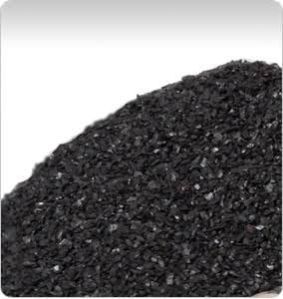
Catalytic carbon is a class of activated carbon used to remove chloramines and hydrogen sulfide from drinking water. It has all the adsorptive characteristics of conventional activated carbons, as well as the ability to promote chemical reactions
What are Chloramines?
Chloramines are added to water as an alternative to chlorine. They inhibit the formation of carcinogenic trihalomethanes (THMs) caused by the interaction of chlorine with organic plant materials.
Catalytic Carbon is Not Impregnated with Caustic Chemicals
Because catalytic carbons have no impregnates, you won’t have to worry about reduced organic odor capacity or the higher bed fire potential of the impregnated carbons. Catalytic carbon is created by altering the surface structure of activated carbon. It is modified by gas processing at high temperatures to change the electronic structure and create the highest level of catalytic activity on carbon for reducing chloramine and H2S in water. This added catalytic functionality is much greater than that found in traditional activated carbons. Catalytic carbon is an economical solution to treat H2S levels as high as 20 to 30 ppm. Catalytic carbon converts adsorbed H2S into sulfuric acid and sulfurous acid which are water soluble, so carbon systems can be regenerated with water washing to restore H2S capacity for less frequent physical change-outs.
Benefits
 Mr. Sanu Mohan (Carbon Activated Corp)
 GCRA 141, Changampuzha Nagar, Edappally, Kochi, Kerala - 682033, India
 Share us via