 Jinan, China
 Write a Review
Our Products
We offer the best product range of Sodium Bromide, Polyaluminum Chloride, Calcium Hypochlorite, Isobutyric Acid and Isobutyric Acid (CAS 79-31-2) 99.5% Purity.
Manufacturing Derivatives: Mainly used for producing cyanuric acid bromides, chlorides, bromochlorides, iodochlorides, as well as their salts and esters.
Synthetic Chemicals: Applied in synthesizing new-type bactericides, disinfectants, water treatment agents, bleaching agents, chlorinating agents, brominating agents, antioxidants, paint coatings, selective herbicides, and metal cyanidation moderators.
Direct Applications: Serves as a chlorine stabilizer for swimming pools, flame retardant for nylon, plastics, and polyesters, cosmetic additives, and in the synthesis of special resins.
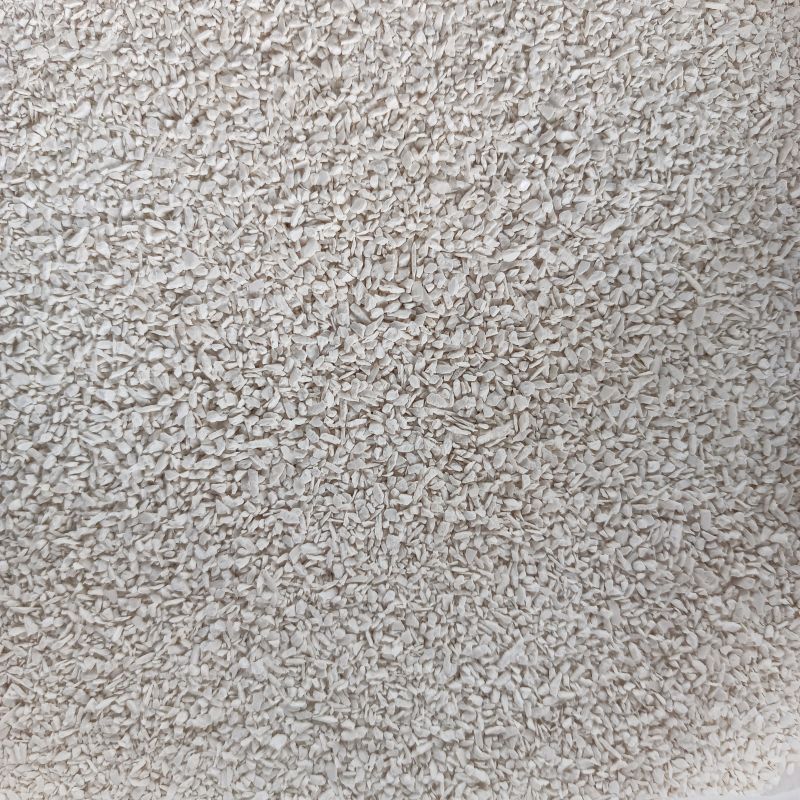
Physical and Chemical PropertiesAppearance: White crystalline powder with whiteness 90.
Thermal Property: Decomposes into cyanic acid and isocyanic acid at around 330C. pH value of saturated solution 4.0.
Hydration State: Crystals precipitated from water contain 2 molecules of crystal water, with a relative density of 1.768 (0C); they effloresce and lose moisture in the air. Crystals precipitated from concentrated hydrochloric acid or sulfuric acid are anhydrous.
Solubility: 1g dissolves in approximately 200ml of water. Odorless, slightly bitter taste.
Tautomerism: Exists in the keto form (isocyanuric acid).
Solvent Compatibility: Soluble in hot water, hot alcohol, pyridine, concentrated hydrochloric acid, and sulfuric acid without decomposition; also soluble in sodium hydroxide and potassium hydroxide aqueous solutions. Insoluble in cold alcohol, ether, acetone, benzene, and chloroform.
Specifications and ModelsMoisture Content:
Wet basis: Moisture 25-30%
Dry basis: Moisture 0.5% (available in powder, granules, and tablets)
Production Process Types:
Cyanuric acid produced with urea and ammonium chloride as additives
Cyanuric acid directly produced from urea
Quality Indicators| Item | Index |
| Cyanuric Acid Content | 98.5% |
| Water Insoluble Matter | 0.25% |
| Ash Content | 0.35% |
| pH Value (Saturated Solution) | 4.0 |
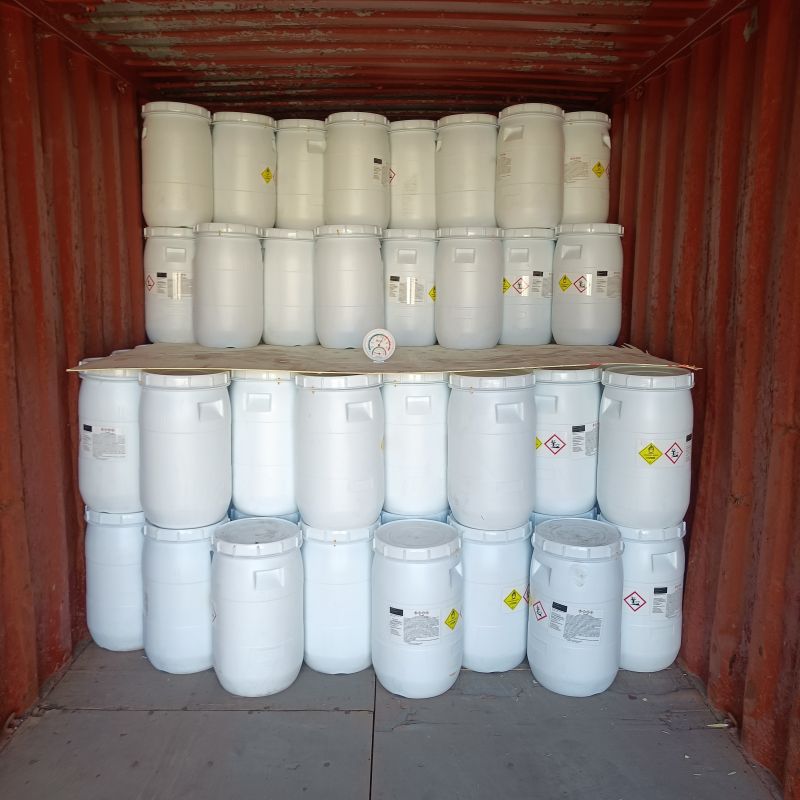
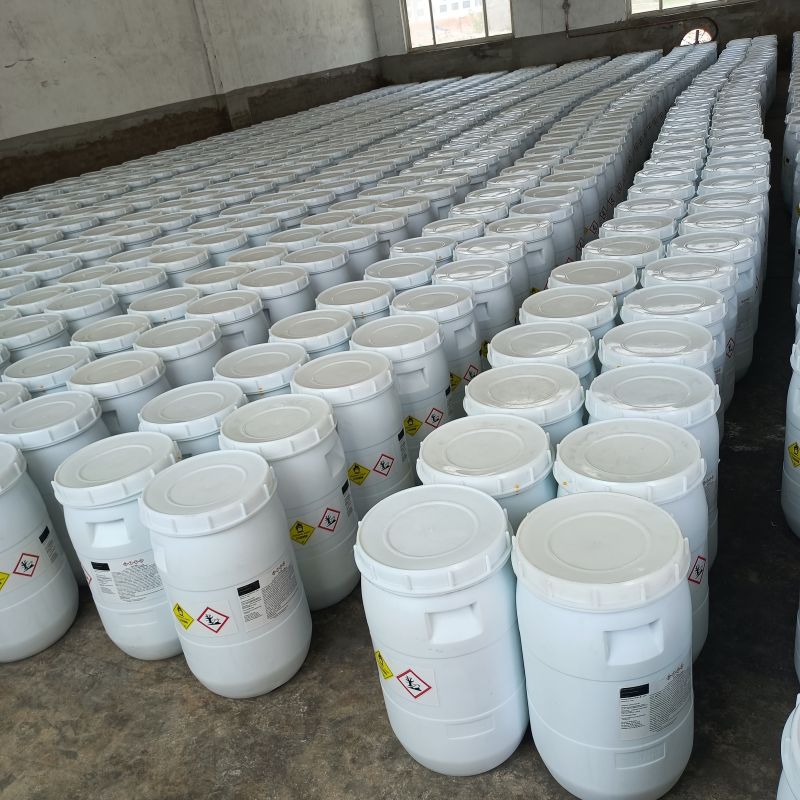
Packed in plastic woven bags with inner plastic liners, net weight 25kg or 50kg per bag.
Customized packaging solutions are available according to customer requirements.
If you are interested in our products, please contact:
Bill Zhang
Sales Director
SHANDONG SUMCHEMICALS CO., LTD.
Mobile/ WhatsApp: +86 156 6271 5985
QQ:
Wechat: billzhang5985
E-mail: bill@
E-mail: billzhangsales@
Additional Information:
Payment Terms : T/T
Packaging Details : Packed in plastic woven bags with inner plastic liners, net weight 25kg or 50kg per bag.
Customized packaging solutions are available according to customer requirements.
Delivery Time : 15days
Isobutyric acid99.5% ISO BUTYRIC ACID ( 2- METHYLPROPIONIC ACID )
CAS Number79-31-2
EINECSNumber 201-195-7
Isobutyric acid, also known as 2-methylpropanoic acid or isobutanoic acid, is a carboxylic acid with structural formula (CH3)2CHCOOH. It is an isomer of butyric acid. It is classified as a short-chain fatty acid. Deprotonation or esterification gives derivatives called isobutyrates.
Isobutyric acid is a colorless liquid with a somewhat unpleasant odor. It is soluble in water and organic solvents. It is found naturally in carobs (Ceratonia siliqua), in vanilla, and in the root of Arnica dulcis, and as an ethyl ester in croton oil.
Production
Isobutyric acid is manufactured by the oxidation of isobutyraldehyde, which is a byproduct of the hydroformylation of propylene.
It can also be prepared by the high pressure hydrocarboxylation (Koch reaction) from propylene:
CH3CH=CH2 + CO + H2O (CH3)2CHCO2H
Isobutyric acid can also be manufactured commercially using engineered bacteria with a sugar feedstock.
Laboratory methods
Many routes are known including the hydrolysis of isobutyronitrile with alkalis and the oxidation of isobutanol with potassium dichromate in the presence of sulfuric acid. In the presence of proton donors, the action of sodium amalgam on methacrylic acid also gives isobutyric acid.
Reactions
The acid reacts as a typical carboxylic acid: it can form amide, ester, anhydride, and chloride derivatives.[10] Its acid chloride is commonly used as the intermediate to obtain the others. When heated with a chromic acid solution it is oxidized to acetone. Alkaline potassium permanganate oxidizes it to -hydroxyisobutyric acid, (CH3)2C(OH)-CO2H.
Uses
Isobutyric acid and its volatile esters are present naturally in a wide variety of foods and, at varying concentrations, can impart a range of flavors.[11] The compound 's safety as a food additive was reviewed by an FAO and WHO panel, who concluded that there were no concerns at the likely levels of intake.
Biology
In humans, isobutyric acid is a minor product of the gut microbiome and can also be produced by metabolism of its esters found in food. It has a characteristic odor like rancid butter (4-carbon organic compounds take the root, butyl, which is in turn from butyric which is in turn from the Latin word for butter and the Greek, ) but anosmia for it has been reported in about 2.5% of people.
Additional Information:
Payment Terms : T/T
Packaging Details : Packaging form Specifications Transport mark
Galvanized iron drum 200 kg/barrel Corrosive liquid (Class 8)
IBC ton barrel 1000 kg/barrel UN 2529, PG III
ISO TANK 20, 000 L Anti-static grounding device required
Delivery Time : 15days
Sodium bromide product technical information
Product name: Sodium bromide (Sodium Bromide)
Chemical formula: NaBr
CAS number: 7647-15-6
Purity grade:
Industrial grade: 99.0%
Pharmaceutical grade: 99.5% (in accordance with USP/EP standards)
Reagent grade: 99.9%
Appearance: white crystalline powder or granules
Solubility: easily soluble in water (90.5 g/100ml, 25C), slightly soluble in alcohol
Key physical and chemical properties
Item Parameters
Molecular weight 102.89 g/mol
Density 3.21 g/cm (crystal)
Melting point 747C
Boiling point 1, 390C
pH value (5% solution) 6.5-8.0
Hygroscopicity Strong (strict moisture-proof)
Core application areas
1. Pharmaceutical synthesis
Antiepileptic/sedative raw materials: synthetic barbiturates (such as phenobarbital)
Contrast agent excipients: stabilizer for sodium iodide solution for CT scanning
2. Industrial water treatment
Bactericides and algaecides: Bromine-based disinfectants for cooling towers and swimming pools (replacing chlorine and reducing the production of carcinogens)
Oilfield drilling fluids: inhibit sulfate-reducing bacteria (SRB) from corroding pipelines
3. Photosensitive industry
Photographic emulsions: bromide ion source for traditional film developers
4. Organic synthesis
Phase transfer catalysts: Williamson ether synthesis reaction
Bromination reagents: preparation of brominated alkanes (such as ethyl bromide)
5. Flame retardant additives
Enhance the flame retardant properties of plastics/textiles (synergistic with antimony oxide)
Packaging and storage and transportation specifications
Packaging form Specifications Transport mark
Plastic-lined woven bag 25 kg/bag Non-hazardous goods
Moisture-proof cardboard barrel 50 kg/barrel (lined with PE bag) UN No requirements
Ton bag 1000 kg/bag Avoid mechanical damage
Reagent bottle 500 g/bottle (brown glass bottle) For laboratory use only
Storage conditions
Environmental requirements: cool and dry warehouse, relative humidity 40%
Stacking limit: pallet stacking 3 layers to prevent packaging damage
Contraindications: keep away from strong acids and strong oxidants (such as nitric acid, potassium permanganate)
Shelf life: 24 months in a sealed state
Safety and operating specifications
Health hazards:
Excessive inhalation of dust can cause respiratory irritation (N95 masks are required for operation)
High concentration solutions contact the skin and cause burns (wear PVC gloves)
Emergency treatment for leaks:
Use a plastic shovel to collect solids and place them in a closed container
Flush the contaminated area with large amounts of water to the wastewater treatment system
Customized services
Particle size customization:
Coarse particles (1-3mm, anti-caking type for oil fields)
Ultrafine powder (200 mesh, accelerated pharmaceutical synthesis reaction)
Additional Information:
Payment Terms : T/T
Packaging Details : Packaging form Specifications Transport mark
Plastic-lined woven bag 25 kg/bag Non-hazardous goods
Moisture-proof cardboard barrel 50 kg/barrel (lined with PE bag) UN No requirements
Ton bag 1000 kg/bag Avoid mechanical damage
Reagent bottle 500 g/bottle (brown glass bottle) For laboratory use only
Delivery Time : 15days
Aluminium sulfate Aluminium sulfate is a salt with the formula Al2(SO4)3. It is soluble in water and is mainly used as a coagulating agent (promoting particle collision by neutralizing charge) in the purification of drinking waterand wastewater treatment plants, and also in paper manufacturing. The anhydrous form occurs naturally as a rare mineral millosevichite, found for example in volcanic environments and on burning coal-mining waste dumps. Aluminium sulfate is rarely, if ever, encountered as the anhydrous salt. It forms a number of different hydrates, of which the hexadecahydrate Al2(SO4)316H2O and octadecahydrate Al2(SO4)318H2O are the most common. The heptadecahydrate, whose formula can be written as [Al(H2O)6]2(SO4)35H2O, occurs naturally as the mineral alunogen. Aluminium sulfate is sometimes called alum or papermaker 's alum in certain industries. However, the name "alum " is more commonly and properly used for any double sulfate salt with the generic formula XAl(SO4)212H2O, where X is a monovalent cation such as potassium or ammonium. Uses Aluminium Sulfate is used in water purification and as a mordant in dyeing and printing textiles. In water purification, it causes impurities to coagulate which are removed as the particulate settles to the bottom of the container or more easily filtered. This process is called coagulation or flocculation. When dissolved in a large amount of neutral or slightly-alkaline water, aluminium sulfate produces a gelatinous precipitate of aluminium hydroxide, Al(OH)3. In dyeing and printing cloth, the gelatinous precipitate helps the dye adhere to the clothing fibers by rendering the pigment insoluble. Aluminium sulfate is sometimes used to reduce the pH of garden soil, as it hydrolyzes to form the aluminium hydroxide precipitate and a dilute sulfuric acid solution. An example of what changing the pH level of soil can do to plants is visible when looking at the Hydrangea macrophylla. The gardener can add Aluminum sulfate to the soil to reduce the pH level which in turn will result in the flowers of the Hydrangea turning a different color. Aluminium sulfate is the active ingredient of some antiperspirants; however, beginning in 2005 the US Food and Drug Administration no longer recognized it as a wetness reducer. Aluminium sulfate is usually found in baking powder, where there is controversy over its use due to concern regarding the safety of adding aluminum to the diet. In construction industry it is used as waterproofing agent and accelerator in concrete. Another use is a foaming agent in fire fighting foam. It is also used in styptic pencils, and pain relief from stings and bites; it is the active ingredient in popular pain relief products such as Stingose. It can also be very effective as a molluscicide, killing spanish slugs. Precautions Explosion hazard: This product is non-flammable and irritating. Health hazards: It has a certain irritating effect on the eyes and mucous membranes. Ingestion of a large amount of aluminum sulfate will irritate the mouth and stomach. Skin contact: Take off contaminated clothes and rinse with running water. Eye contact: Lift the eyelids and rinse with running water or saline. Seek medical attention. Inhalation: Leave the scene to a place with fresh air. If breathing is difficult, give oxygen. Seek medical attention. Ingestion: Drink enough warm water and induce vomiting. Seek medical attention. Hazardous characteristics: No special combustion and explosion characteristics. High heat decomposition produces toxic sulfide fumes. Harmful combustion products: Natural decomposition products are unknown. Fire extinguishing methods: Firefighters must wear full-body fireproof and anti-gas suits and extinguish fires in the upwind direction. When extinguishing a fire, move the container from the fire scene to an open area as much as possible. Emergency treatment: Isolate the leaked contaminated area and restrict entry and exit. It
Additional Information:
Payment Terms : T/T
Packaging Details : 50KG Bag
Net Weight (N.W): 50KGS
Gross Weight (G.W): 50.1KGS
Material: White woven bag
25KG Bag
Net Weight (NET WEIGHT): 25KGS
Gross Weight (GROSS WEIGHT): 25.1KGS
Material: White woven bag
Custom packaging (weight, material, printing) available upon request.
Delivery Time : 15days
Product Name: Poly Aluminium Chloride (PAC)
Grade: Industrial Grade
Formula: [Al(OH)Cl(6)] (m 10, n 5)
Key Content: Aluminium Oxide (AlO) 28.0%
Physical & Chemical Properties| Item | Specification | Test Result | Remarks |
| Appearance | Yellow Powder | Yellow Powder | Visual inspection |
| Solubility | Easily Soluble | Easily Soluble | In water |
| Toxicity | Non-toxic | Non-toxic | Safety standard |
| Solution Color | Yellow | Yellow | Identification test |
| Item | Standard Requirement | Test Result | Significance |
| AlO Content | 28.0% | 28.25% | Core active ingredient |
| Basicity | 7090% | 70.23% | Hydroxyl ion ratio |
| pH (1% Aqueous Solution) | 3.55.0 | 4.0 | Acid-base property |
| Water Insoluble Matter | 1.52.5% | 1.7% | Purity indicator |
| Iron (Fe) Content | 5% | 3.0% | Impurity control |
Packaging:
Double-layer bag: Inner plastic liner + outer woven bag
Net weight: 25kg/bag (customizable packaging available)
Storage Conditions:
Seal tightly and store in dry, ventilated areas
Avoid rain, high temperatures, and direct sunlight
Shelf Life: 24 months under proper storage conditions
Application ScenariosWater treatment (sewage purification, industrial wastewater treatment)
Paper sizing agent
Cosmetic additive (auxiliary agent)
Petrochemical industry (oilfield water treatment)
Quality AssuranceStrict compliance with international quality standards
Full-process quality monitoring from raw materials to finished products
Professional QC team ensures batch-to-batch consistency
Delivery & ServiceFast delivery within 7-15 working days
Technical support for application solutions
Customized production according to specific requirements
If you are interested in our products, please contact:
Bill Zhang
Sales Director
SHANDONG SUMCHEMICALS CO., LTD.
Mobile/ WhatsApp: +86 156 6271 5985
QQ:
Wechat: billzhang5985
E-mail: bill@
E-mail: billzhangsales@
Additional Information:
Payment Terms : T/T
Packaging Details : In two-layer bag with the interior in plastic bag and the exterior in woven. The net weight of each bag is 25kg.
Delivery Time : 15days
Cyanuric Acid
Alternative Names: Isocyanuric Acid; Cyanuric Acid; 1, 3, 5-Triazine-2, 4, 6-(1H, 3H, 5H)-trione; S-Triazine-2, 4, 6-triol; Isocyanuric Acid; 2, 4, 6-Tris(2 '-hydroxy-4 '-n-butoxyphenyl)-1, 3, 5-triazine; Symmetrical Trihydroxy Triazobenzene; 2, 4, 6-Trihydroxy-1, 3, 5-triazine
English Name: Cyanuric Acid or Isocyanuric Acid
(1, 3, 5-Triazine-2, 4, 6-triol, 2, 4, 6-Trihydroxy-s-triazine)
Molecular Formula: CHNO
Manufacturing Derivatives: Mainly used for producing cyanuric acid bromides, chlorides, bromochlorides, iodochlorides, as well as their salts and esters.
Synthetic Chemicals: Applied in synthesizing new-type bactericides, disinfectants, water treatment agents, bleaching agents, chlorinating agents, brominating agents, antioxidants, paint coatings, selective herbicides, and metal cyanidation moderators.
Direct Applications: Serves as a chlorine stabilizer for swimming pools, flame retardant for nylon, plastics, and polyesters, cosmetic additives, and in the synthesis of special resins.
Physical and Chemical PropertiesAppearance: White crystalline powder with whiteness 90.
Thermal Property: Decomposes into cyanic acid and isocyanic acid at around 330C. pH value of saturated solution 4.0.
Hydration State: Crystals precipitated from water contain 2 molecules of crystal water, with a relative density of 1.768 (0C); they effloresce and lose moisture in the air. Crystals precipitated from concentrated hydrochloric acid or sulfuric acid are anhydrous.
Solubility: 1g dissolves in approximately 200ml of water. Odorless, slightly bitter taste.
Tautomerism: Exists in the keto form (isocyanuric acid).
Solvent Compatibility: Soluble in hot water, hot alcohol, pyridine, concentrated hydrochloric acid, and sulfuric acid without decomposition; also soluble in sodium hydroxide and potassium hydroxide aqueous solutions. Insoluble in cold alcohol, ether, acetone, benzene, and chloroform.
Specifications and ModelsMoisture Content:
Wet basis: Moisture 25-30%
Dry basis: Moisture 0.5% (available in powder, granules, and tablets)
Production Process Types:
Cyanuric acid produced with urea and ammonium chloride as additives
Cyanuric acid directly produced from urea
Quality Indicators| Item | Index |
| Cyanuric Acid Content | 98.5% |
| Water Insoluble Matter | 0.25% |
| Ash Content | 0.35% |
| pH Value (Saturated Solution) | 4.0 |
Packed in plastic woven bags with inner plastic liners, net weight 25kg or 50kg per bag.
Customized packaging solutions are available according to customer requirements.
If you are interested in our products, please contact:
Bill Zhang
Sales Director
SHANDONG SUMCHEMICALS CO., LTD.
Mobile/ WhatsApp: +86 156 6271 5985
QQ:
Wechat: billzhang5985
E-mail: bill@
E-mail: billzhangsales@
Additional Information:
Packaging Details : Packed in plastic woven bags with inner plastic liners, net weight 25kg or 50kg per bag.
ustomized packaging solutions are available according to customer requirements.
Delivery Time : 15days
Cyanuric acid or 1, 3, 5-triazine-2, 4, 6-triol is a chemical compound with the formula (CNOH)3. Like many industrially useful chemicals, this triazine has many synonyms. This white, odorless solid finds use as a precursor or a component of bleaches, disinfectants, and herbicides. In 1997, worldwide production was 160 million kilograms.
Loaded production capacity:100, 000tons/year.
Applications:
Packaging:
Additional Information:
Payment Terms : T/T
Packaging Details : 1. 600kg bags with pallets: 24Mt/20GP
2. 25kg bags without pallets: 27Mt/20GP
3. 25kg bags with pallets: 25Mt/20GP
Delivery Time : 15-25 days after receiving advance payment
Magnesium sulfate heptahydrate
Magnesium sulfate heptahydrate, also known as sulphobitter, bitter salt, cathartic salt, Epsom salt, chemical formula MgSO47H2O), is a white or colorless acicular or oblique columnar crystal, odorless, cool and slightly bitter. After heat decomposition, the crystal water is gradually removed to anhydrous magnesium sulfate. Mainly used in fertilizer, leather, printing and dyeing, catalyst, paper making, plastics, porcelain, pigments, matches, explosives and fireproof materials manufacturing, can be used for printing and dyeing thin cotton cloth, silk, as a heavy agent of cotton silk and kapok products filler.
Uses:
Package
25Kg/50Kg/ Ton Bag, Plastic Inside and Woven Outside, English Neutral Packaging, Provide Customized Service. There Is A Free Sample Of 1000 Grams, But You Will Have to Pay the Shipping Costs Yourself.
Storage
Stored In A Ventilated, Dry Warehouse, Packaging Containers Must Be Sealed To Prevent Moisture, Separate From The Delixing Items, Pay Attention To Rain And Exposure During Transportation, Handling Gently To Prevent Packaging Damage.
Additional Information:
Payment Terms : T/T
Packaging Details : 25Kg/50Kg/ Ton Bag, Plastic Inside and Woven Outside, English Neutral Packaging (Customized Service Available);
Free 1000g sample (buyer covers shipping cost)
Delivery Time : 15-20 days after payment received
Product Name:Isobutyric Acid
Chemical Formula:C4H8O2
CAS Number:79-31-2
Purity Grade: 99.5%
Appearance:Colorless transparent liquid
Smell:Characteristic pungent sour taste
Key Physical and Chemical Properties
| Item | Parameters |
| Molecular Weight | 88.11 g/mol |
| Density (20C) | 0.95 g/cm |
| Boiling Point | 154-155C |
| Melting Point | -47C |
| Flash Point | 55C (Closed Cup) |
| Solubility | Soluble in water, ethanol, ether |
Application Areas
Packaging and storage specifications
| Packaging form | Specifications | Transport mark |
| Galvanized iron drum | 200 kg/barrel | Corrosive liquid (Class 8) |
| IBC ton barrel | 1000 kg/barrel | UN 2529, PG III |
| ISO TANK | 20, 000 L | Anti-static grounding device required |
Storage conditions

Additional Information:
Payment Terms : T/T
Packaging Details : 25kg plastic-lined woven bags;
50kg moisture-proof barrels; 1000kg ton bags
Delivery Time : 15-20 days after payment received
 Bill Zhang (SHANDONG SUMCHEMICALS CO LTD), Jinan, China
 Share us via