My ExportersIndia

For Buyer

For Seller

For Help

SJZChem-PharmCo.Ltd.

SJZChem-PharmCo.Ltd.
location Shijiazhuang, China

Write a Review

Our Products

  1. Potassium Bicarbonate 16 Products available
  2. Alkalized /Natural Cocoa Powder 15 Products available
  3. Diammonium Hydrogen Phosphate 13 Products available
  4. Trichloroisocyanuric Acid 12 Products available
  5. Sodium Metabisulfite 5 Products available
  6. Ammonium Chloride 4 Products available
  7. Polyaluminum Chloride 4 Products available
  8. Potassium Chloride 3 Products available
  9. Creatinine 2 Products available
  10. Trichloromethane 2 Products available
  11. Sodium Benzoate 2 Products available
  12. Calcium Chloride 2 Products available
  13. Sodium Dichloroisocyanurate 1 Products available
  14. Stevia Leaf Extract 1 Products available
  15. Tiamulin Hydrogen Fumarate 1 Products available
  16. Phosphoric Acid 1 Products available
  17. Sodium Carbonate Light 1 Products available
  18. Vincamine 1 Products available
  19. Organic Oils 1 Products available
  20. Potassium Carbonate 1 Products available
  21. Sodium Acetate 1 Products available
  22. Potassium Acetate 1 Products available
  23. Benzoic Acid 1 Products available
  24. Sodium Bisulfite 1 Products available
  25. Ascorbic Acid 1 Products available
  26. Sodium Bicarbonate 1 Products available

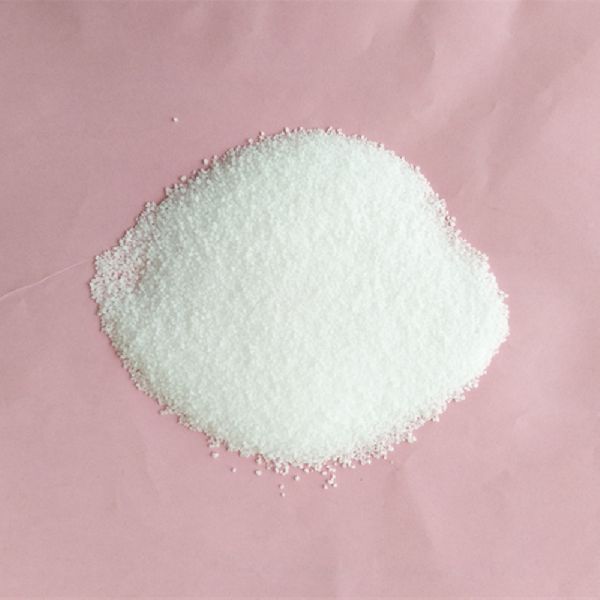
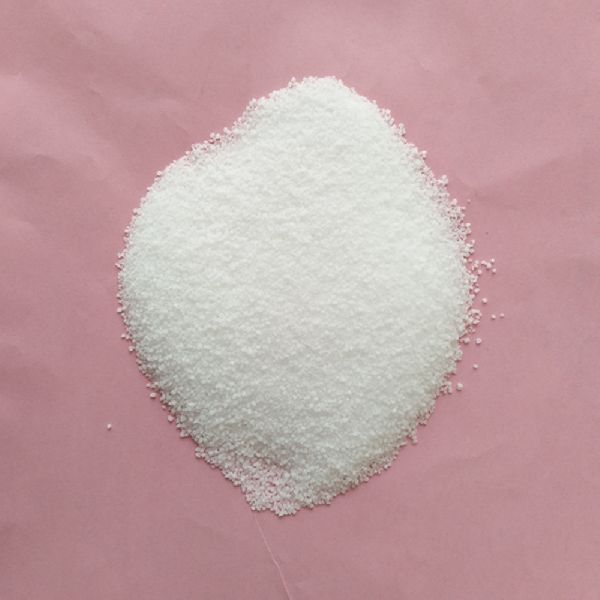
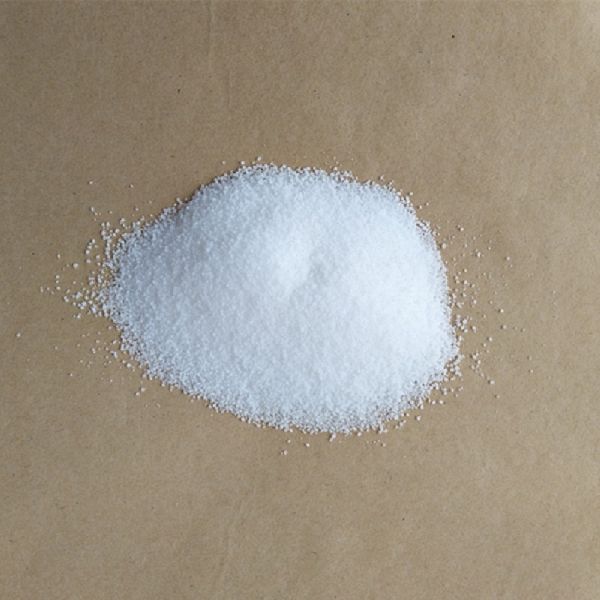
Potassium Bicarbonate

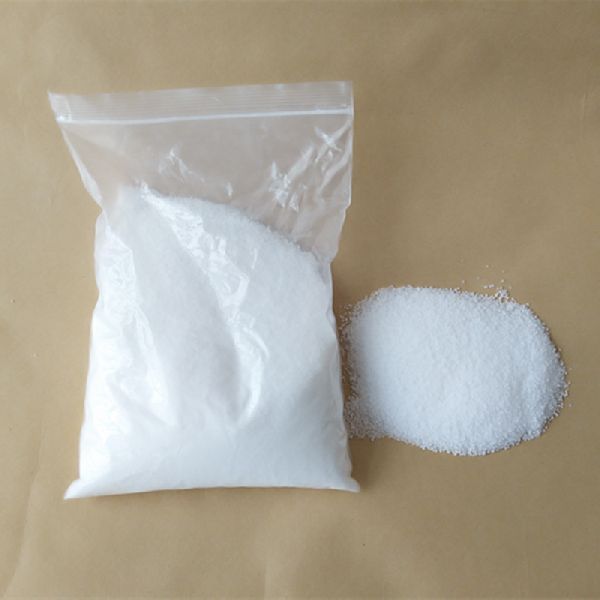
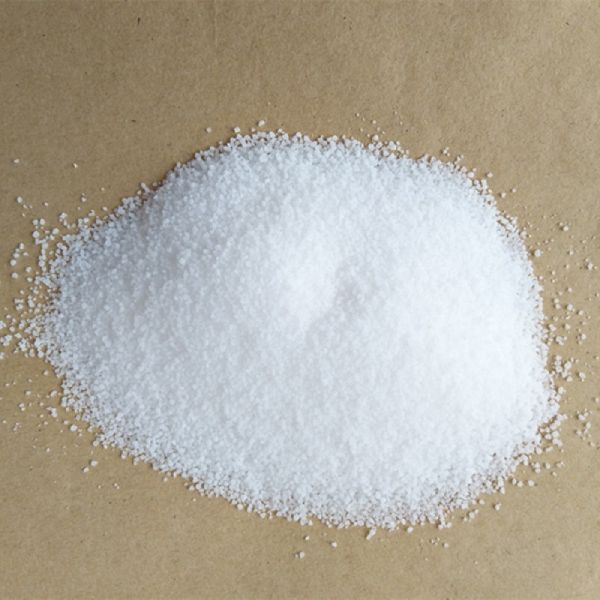
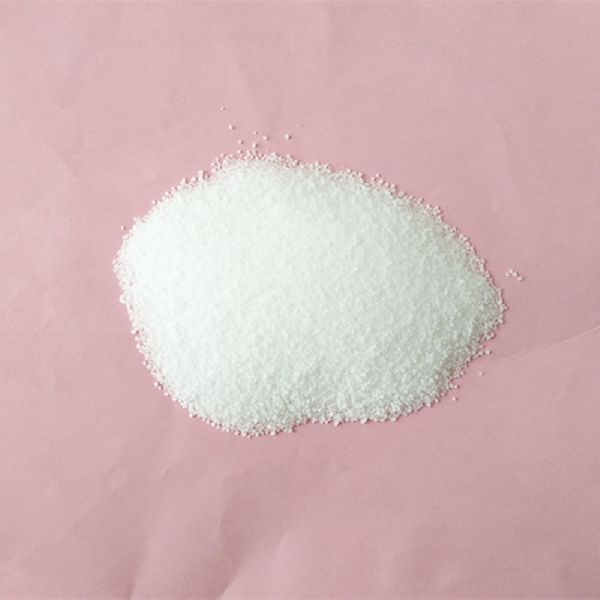
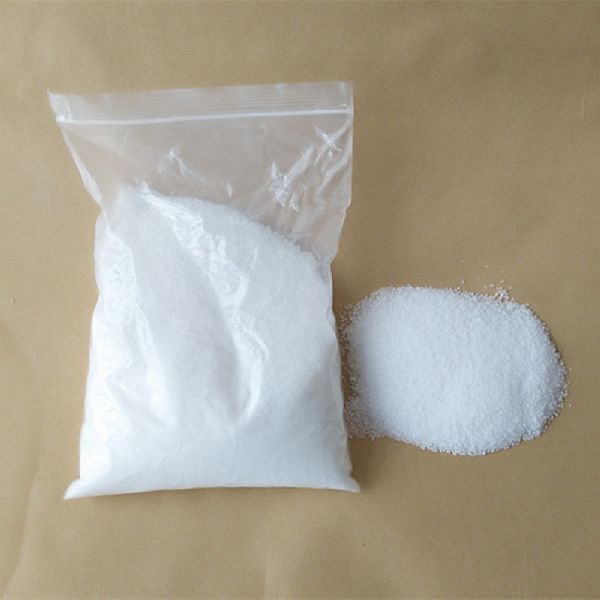
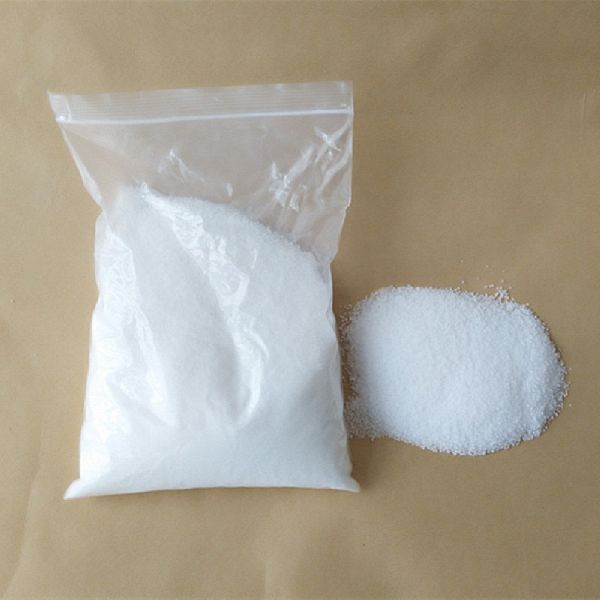
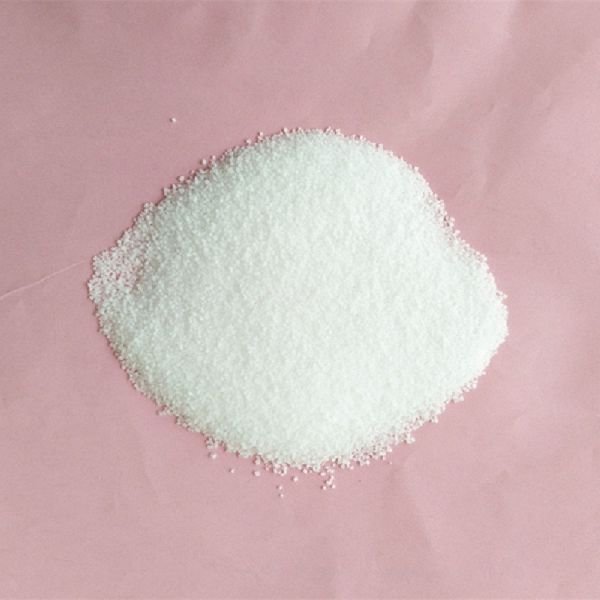
We are manufacturer of Potassium Bicarbonate in China, if you want to buy Bicarbonate Potassium, Potassium Bicarbonate Fungicide, please contact us.

Potassium Bicarbonate As Grape Deacidfier Food Grade

Characteristics:potassiumbicarbonate (e-501) is a product deacidifying which modifies the ph and lowersthe acidity. Added to wort or wine, it reacts with tartaric acid and producespotassium bitartrate which is insolubilized effectively. Applications duringthe harvest, as deacidifier of the must. Inwhite, ros and red wines, to correct acidity during the elaboration process. Organolepticqualities potassiumbicarbonate softens wines by giving greater harmony and balance while reducingtheir acidity. Does: mustor wine 0.2 - 1 g / lthe maximum deacidification allowed in wines is 0.65 g / l expressed as sulfuric acid (1 g / l expressed as acid tartaric), whichcorresponds to a treatment dose in potassium bicarbonate of 1.3 g / l. This product can be subject todeclaration.notes:1. Potassium bicarbonate reacts exclusively with tartaric acid formingbitartrate potassium. This delay precipitates when using the cold stabilizationprocess, which leads to a further decrease in total acidity.2. When applied before bottling, will wait 4 to 6 weeks before putting the winein bottle. manual dissolvebeforehand in a part of the must or wine at process, then add to the totalvolume. Shake vigorously after 24 hours. packing: plastic woven bag or kraft paper bag inner with plastic bag, in 25/50/500/1000kg net. Storage andtransportation: keep the product in its original packaging, stored in dry and ventilatedhouse away from moisture.
View Complete Details

KOSER Potassium Bicarbonate

Characteristics:potassiumbicarbonate (e501) is a product deacidifying which modifies the ph and lowersthe acidity. Added to wort or wine, it reacts with tartaric acid and producespotassium bitartrate which is insolubilized effectively.potassiumbicarbonate is used as a carbon dioxide source for leavening in baking. with kosher/hala/reach certificates.the fcc grade meets the requirements of the food chemical codex indicates and is suitable for all food, beverage and nutritional supplement. Applications duringthe harvest, as deacidifier of the must. Inwhite, ros and red wines, to correct acidity during the elaboration process. Organolepticqualities potassiumbicarbonate softens wines by giving greater harmony and balance while reducingtheir acidity. Does: mustor wine 0.2 - 1 g / lthe maximum deacidification allowed in wines is 0.65 g / l expressed as sulfuric acid (1 g / l expressed as acid tartaric), whichcorresponds to a treatment dose in potassium bicarbonate of 1.3 g / l. This product can be subject todeclaration.notes:1. Potassium bicarbonate reacts exclusively with tartaric acid formingbitartrate potassium. This delay precipitates when using the cold stabilizationprocess, which leads to a further decrease in total acidity.2. When applied before bottling, will wait 4 to 6 weeks before putting the winein bottle. manual dissolvebeforehand in a part of the must or wine at process, then add to the totalvolume. Shake vigorously after 24 hours.
View Complete Details

Potassium Bicarbonate Correct Acidity During The Elaboration Process

Description of goods: potassium bicarbonate mol.formula: khco3 chemical properties: white crystals andstable in the air, easily soluble in water and the solution appears weak base, insoluble in ethanol. Physical property odorless white powder or crystals, mol.wt:100.11, specific gravity:2.17. Characteristics potassiumbicarbonate (e-501) is a product deacidifying which modifies the ph and lowersthe acidity. Added to wort or wine, it reacts with tartaric acid and producespotassium bitartrate which is insolubilized effectively. Applications duringthe harvest, as deacidifier of the must. Inwhite, ros and red wines, to correct acidity during the elaboration process. Organolepticqualities potassiumbicarbonate softens wines by giving greater harmony and balance while reducingtheir acidity. Does: mustor wine 0.2 - 1 g / lthe maximum deacidification allowed in wines is 0.65 g / l expressed as sulfuric acid (1 g / l expressed as acid tartaric), whichcorresponds to a treatment dose in potassium bicarbonate of 1.3 g / l. This product can be subject todeclaration.notes:1. Potassium bicarbonate reacts exclusively with tartaric acid formingbitartrate potassium. This delay precipitates when using the cold stabilizationprocess, which leads to a further decrease in total acidity.2. When applied before bottling, will wait 4 to 6 weeks before putting the winein bottle. manual dissolvebeforehand in a part of the must or wine at process, then add to the totalvolume. Shake vigorously after.

View Complete Details

Potassium Bicarbonate Industrial Grade

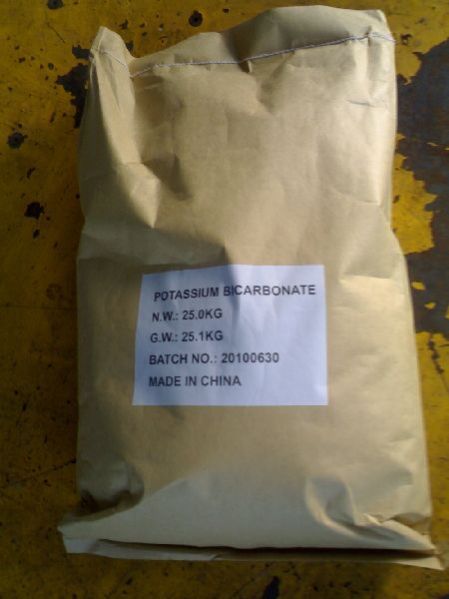
White Crystal Potassium Bicarbonate Food Grade, Industrial Grade Product Description CAS : 298-14-6Molecular Formula : KHCO3M.W.:100.114Property :White crystals and stable in the air, easily soluble in water and the solution appears weakbase, insoluble in ethanol. Use Used as alkaline agent, leavening agent, nutritional supplement, excipient and PH regulator. Packing & Shipping Packing: Plastic woven bag or kraft paper bag inner with plastic bag, in 25/50/500/1000kgnet. Storage and transportation : Stored in dry and ventilated house away from moisture. Protecting the material from rain when loading and unloading. Be sure to keep the package dry and free from contaminant. Avoiding handling and transporting together with acid substances .
View Complete Details

Potassium Bicarbonate KHCO3 For Winery

Potassium Bicarbonate in winery/making wine. Description of goods: Potassium Bicarbonate Mol.formula: KHCO3 Chemical properties: white crystals andstable in the air, easily soluble in water and the solution appears weak base, insoluble in ethanol. Physical Property Odorless white powder or crystals, Mol.wt:100.11, specific gravity:2.17. Characteristics Potassiumbicarbonate (E-501) is a product deacidifying which modifies the pH and lowersthe acidity. Added to wort or wine, it reacts with tartaric acid and producespotassium bitartrate which is insolubilized effectively. Applications Duringthe harvest, as deacidifier of the must. Inwhite, ros and red wines, to correct acidity during the elaboration process. OrganolepticQualities Potassiumbicarbonate softens wines by giving greater harmony and balance while reducingtheir acidity. Does: Mustor wine 0.2 - 1 g / lThe maximum deacidification allowed in wines is 0.65 g / l expressed as sulfuric acid (1 g / l expressed as acid tartaric), whichcorresponds to a treatment dose in potassium bicarbonate of 1.3 g / l. This product can be subject todeclaration.Notes:1. Potassium bicarbonate reacts exclusively with tartaric acid formingbitartrate potassium. This delay precipitates when using the cold stabilizationprocess, which leads to a further decrease in total acidity.2. When applied before bottling, will wait 4 to 6 weeks before putting the winein bottle. Manual Dissolvebeforehand in a part of the must or wine at process.
View Complete Details

Fine Potassium Bicarbonate For Brewery

Potassium Bicarbonate in winery/making wine/brewery Description of goods: Potassium Bicarbonate Mol.formula: KHCO3 Chemical properties: white crystals andstable in the air, easily soluble in water and the solution appears weak base, insoluble in ethanol. Physical Property Odorless white powder or crystals, Mol.wt:100.11, specific gravity:2.17. Characteristics Potassiumbicarbonate (E-501) is a product deacidifying which modifies the pH and lowersthe acidity. Added to wort or wine, it reacts with tartaric acid and producespotassium bitartrate which is insolubilized effectively. Applications Duringthe harvest, as deacidifier of the must. Inwhite, ros and red wines, to correct acidity during the elaboration process. OrganolepticQualities Potassiumbicarbonate softens wines by giving greater harmony and balance while reducingtheir acidity. Does: Mustor wine 0.2 - 1 g / lThe maximum deacidification allowed in wines is 0.65 g / l expressed as sulfuric acid (1 g / l expressed as acid tartaric), whichcorresponds to a treatment dose in potassium bicarbonate of 1.3 g / l. This product can be subject todeclaration.Notes:1. Potassium bicarbonate reacts exclusively with tartaric acid formingbitartrate potassium. This delay precipitates when using the cold stabilizationprocess, which leads to a further decrease in total acidity.2. When applied before bottling, will wait 4 to 6 weeks before putting the winein bottle. Manual Dissolvebeforehand in a part of the must or wine at process.
View Complete Details

Potassium Bicarbonate KOSER/ HALA

Description of goods: Potassium Bicarbonate Mol.formula: KHCO3 Chemical properties: white crystals andstable in the air, easily soluble in water and the solution appears weak base, insoluble in ethanol. Physical Property Odorless white powder or crystals, Mol.wt:100.11, specific gravity:2.17. Characteristics Potassiumbicarbonate (E-501) is a product deacidifying which modifies the pH and lowersthe acidity. Added to wort or wine, it reacts with tartaric acid and producespotassium bitartrate which is insolubilized effectively. Applications Duringthe harvest, as deacidifier of the must. Inwhite, ros and red wines, to correct acidity during the elaboration process. OrganolepticQualities Potassiumbicarbonate softens wines by giving greater harmony and balance while reducingtheir acidity. Does: Mustor wine 0.2 - 1 g / lThe maximum deacidification allowed in wines is 0.65 g / l expressed as sulfuric acid (1 g / l expressed as acid tartaric), whichcorresponds to a treatment dose in potassium bicarbonate of 1.3 g / l. This product can be subject todeclaration.Notes:1. Potassium bicarbonate reacts exclusively with tartaric acid formingbitartrate potassium. This delay precipitates when using the cold stabilizationprocess, which leads to a further decrease in total acidity.2. When applied before bottling, will wait 4 to 6 weeks before putting the winein bottle. Manual Dissolvebeforehand in a part of the must or wine at process, then add to the totalvolume.
View Complete Details

Potassium Bicarbonate Food Grade FCC

Characteristics:Potassiumbicarbonate (E-501) is a product deacidifying which modifies the pH and lowersthe acidity. Added to wort or wine, it reacts with tartaric acid and producespotassium bitartrate which is insolubilized effectively.Potassiumbicarbonate is used as a carbon dioxide source for leavening in baking. The FCC grade meets the requirements of the Food Chemical Codex indicates and is suitable for all food, beverage and nutritional supplement. Applications Duringthe harvest, as deacidifier of the must. Inwhite, ros and red wines, to correct acidity during the elaboration process. OrganolepticQualities Potassiumbicarbonate softens wines by giving greater harmony and balance while reducingtheir acidity. Does: Mustor wine 0.2 - 1 g / lThe maximum deacidification allowed in wines is 0.65 g / l expressed as sulfuric acid (1 g / l expressed as acid tartaric), whichcorresponds to a treatment dose in potassium bicarbonate of 1.3 g / l. This product can be subject todeclaration.Notes:1. Potassium bicarbonate reacts exclusively with tartaric acid formingbitartrate potassium. This delay precipitates when using the cold stabilizationprocess, which leads to a further decrease in total acidity.2. When applied before bottling, will wait 4 to 6 weeks before putting the winein bottle. Manual Dissolvebeforehand in a part of the must or wine at process, then add to the totalvolume. Shake vigorously after 24 hours.
View Complete Details

Potassium Bicarbonate

Description of goods: Potassium Bicarbonate Mol.formula: KHCO3 Chemical properties: white crystals andstable in the air, easily soluble in water and the solution appears weak base, insoluble in ethanol. Physical Property Odorless white powder or crystals, Mol.wt:100.11, specific gravity:2.17. Characteristics Potassiumbicarbonate (E-501) is a product deacidifying which modifies the pH and lowersthe acidity. Added to wort or wine, it reacts with tartaric acid and producespotassium bitartrate which is insolubilized effectively. Applications Duringthe harvest, as deacidifier of the must. Inwhite, ros and red wines, to correct acidity during the elaboration process. OrganolepticQualities Potassiumbicarbonate softens wines by giving greater harmony and balance while reducingtheir acidity. Does: Mustor wine 0.2 - 1 g / lThe maximum deacidification allowed in wines is 0.65 g / l expressed as sulfuric acid (1 g / l expressed as acid tartaric), whichcorresponds to a treatment dose in potassium bicarbonate of 1.3 g / l. This product can be subject todeclaration.Notes:1. Potassium bicarbonate reacts exclusively with tartaric acid formingbitartrate potassium. This delay precipitates when using the cold stabilizationprocess, which leads to a further decrease in total acidity.2. When applied before bottling, will wait 4 to 6 weeks before putting the winein bottle. Manual Dissolvebeforehand in a part of the must or wine at process, then add to the totalvolume.
View Complete Details

99%-101.5% Potassium Bicarbonate White Crystals

Description of goods: Potassium Bicarbonate Mol.formula: KHCO3 Chemical properties: white crystals andstable in the air, easily soluble in water and the solution appears weak base, insoluble in ethanol. Physical Property Odorless white powder or crystals, Mol.wt:100.11, specific gravity:2.17. Characteristics Potassiumbicarbonate (E-501) is a product deacidifying which modifies the pH and lowersthe acidity. Added to wort or wine, it reacts with tartaric acid and producespotassium bitartrate which is insolubilized effectively. Applications Duringthe harvest, as deacidifier of the must. Inwhite, ros and red wines, to correct acidity during the elaboration process. OrganolepticQualities Potassiumbicarbonate softens wines by giving greater harmony and balance while reducingtheir acidity. Does: Mustor wine 0.2 - 1 g / lThe maximum deacidification allowed in wines is 0.65 g / l expressed as sulfuric acid (1 g / l expressed as acid tartaric), whichcorresponds to a treatment dose in potassium bicarbonate of 1.3 g / l. This product can be subject todeclaration.Notes:1. Potassium bicarbonate reacts exclusively with tartaric acid formingbitartrate potassium. This delay precipitates when using the cold stabilizationprocess, which leads to a further decrease in total acidity.2. When applied before bottling, will wait 4 to 6 weeks before putting the winein bottle. Manual Dissolvebeforehand in a part of the must or wine at process.
View Complete Details

Potassium Bicarbonate KHCO3 Food Grade

Description of goods: potassium bicarbonate mol.formula: khco3 chemical properties: white crystals andstable in the air, easily soluble in water and the solution appears weak base, insoluble in ethanol. Physical property odorless white powder or crystals, mol.wt:100.11, specific gravity:2.17. Characteristics potassiumbicarbonate (e-501) is a product deacidifying which modifies the ph and lowersthe acidity. Added to wort or wine, it reacts with tartaric acid and producespotassium bitartrate which is insolubilized effectively. Applications duringthe harvest, as deacidifier of the must. Inwhite, ros and red wines, to correct acidity during the elaboration process. Organolepticqualities potassiumbicarbonate softens wines by giving greater harmony and balance while reducingtheir acidity. Does: mustor wine 0.2 - 1 g / lthe maximum deacidification allowed in wines is 0.65 g / l expressed as sulfuric acid (1 g / l expressed as acid tartaric), whichcorresponds to a treatment dose in potassium bicarbonate of 1.3 g / l. This product can be subject todeclaration.notes:1. Potassium bicarbonate reacts exclusively with tartaric acid formingbitartrate potassium. This delay precipitates when using the cold stabilizationprocess, which leads to a further decrease in total acidity.2. When applied before bottling, will wait 4 to 6 weeks before putting the winein bottle. manual dissolvebeforehand in a part of the must or wine at process, then add to the totalvolume. Shake vigorously after.

View Complete Details

Potassium Bicarbonate For Grape Granular FCC

Characteristics:Potassiumbicarbonate (E-501) is a product deacidifying which modifies the pH and lowersthe acidity. Added to wort or wine, it reacts with tartaric acid and producespotassium bitartrate which is insolubilized effectively.Potassiumbicarbonate is used as a carbon dioxide source for leavening in baking. Applications Duringthe harvest, as deacidifier of the must. Inwhite, ros and red wines, to correct acidity during the elaboration process. OrganolepticQualities Potassiumbicarbonate softens wines by giving greater harmony and balance while reducingtheir acidity. Does: Mustor wine 0.2 - 1 g / lThe maximum deacidification allowed in wines is 0.65 g / l expressed as sulfuric acid (1 g / l expressed as acid tartaric), whichcorresponds to a treatment dose in potassium bicarbonate of 1.3 g / l. This product can be subject todeclaration.Notes:1. Potassium bicarbonate reacts exclusively with tartaric acid formingbitartrate potassium. This delay precipitates when using the cold stabilizationprocess, which leads to a further decrease in total acidity.2. When applied before bottling, will wait 4 to 6 weeks before putting the winein bottle. Manual Dissolvebeforehand in a part of the must or wine at process, then add to the totalvolume. Shake vigorously after 24 hours. Packing: Plastic woven bag or kraft paper bag inner with plastic bag, in 25/50/500/1000kg net. Storage andtransportation: Keep the product in its original packaging, Stored in dry and ventilatedh.
View Complete Details

White Crystals Potassium Bicarbonate (E-501)

Description of goods: Potassium Bicarbonate Mol.formula: KHCO3 Chemical properties: white crystals andstable in the air, easily soluble in water and the solution appears weak base, insoluble in ethanol. Physical Property Odorless white powder or crystals, Mol.wt:100.11, specific gravity:2.17. Characteristics Potassiumbicarbonate (E-501) is a product deacidifying which modifies the pH and lowersthe acidity. Added to wort or wine, it reacts with tartaric acid and producespotassium bitartrate which is insolubilized effectively. Applications Duringthe harvest, as deacidifier of the must. Inwhite, ros and red wines, to correct acidity during the elaboration process. OrganolepticQualities Potassiumbicarbonate softens wines by giving greater harmony and balance while reducingtheir acidity. Does: Mustor wine 0.2 - 1 g / lThe maximum deacidification allowed in wines is 0.65 g / l expressed as sulfuric acid (1 g / l expressed as acid tartaric), whichcorresponds to a treatment dose in potassium bicarbonate of 1.3 g / l. This product can be subject todeclaration.Notes:1. Potassium bicarbonate reacts exclusively with tartaric acid formingbitartrate potassium. This delay precipitates when using the cold stabilizationprocess, which leads to a further decrease in total acidity.2. When applied before bottling, will wait 4 to 6 weeks before putting the winein bottle. Manual Dissolvebeforehand in a part of the must or wine at process, then add to the totalvolume. Shake vigorously.
View Complete Details
Tell Us What are you looking for? Will call you back

Contact Us