 GST : 24BRCPP2278R1Z5
 Write a Review
Our Products
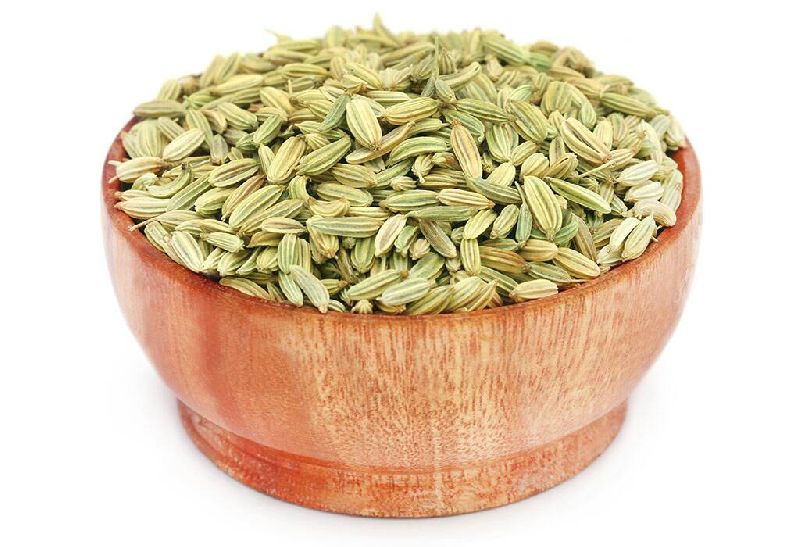
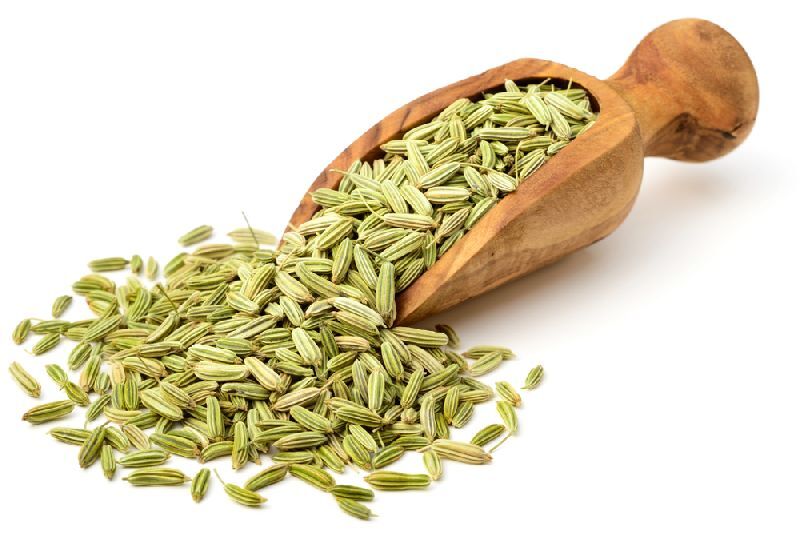
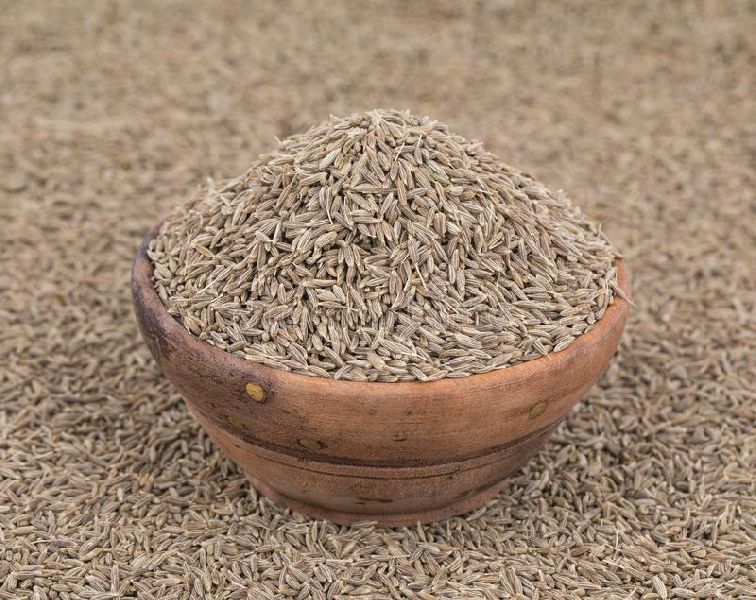
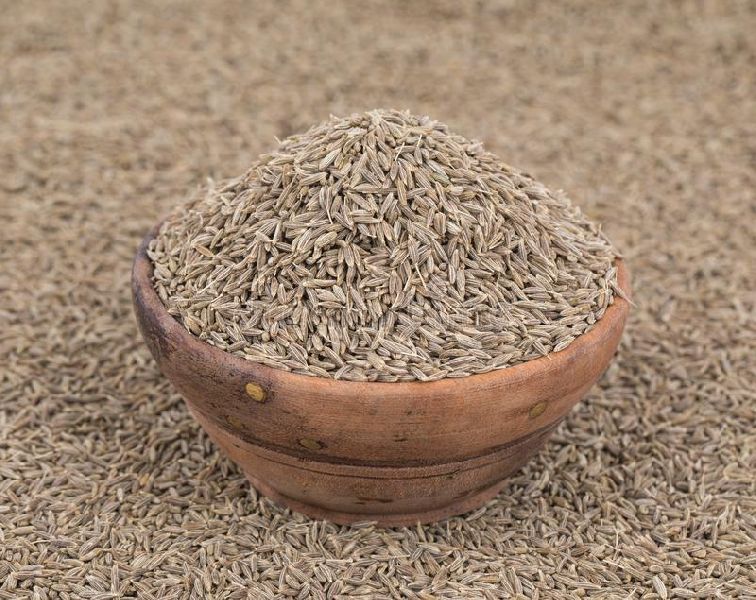
We offer a complete product range of Fennel Seeds, Cumin Seeds and Dill Seeds
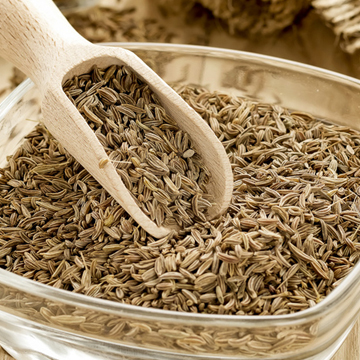
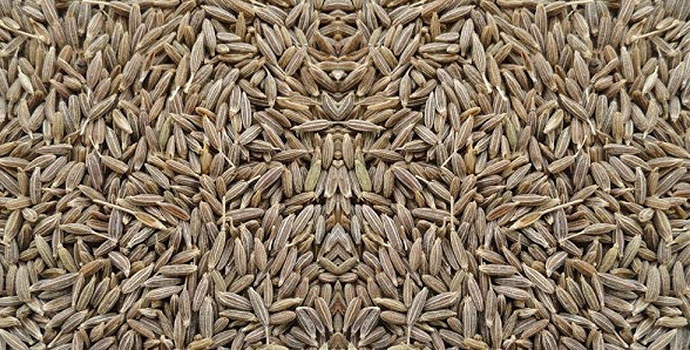
The seed spice dominates a variety of our preparations. Did you know that India happens to be the largest exporter of fennel seeds, widely known as saunf. A common practice in most Indian households is to have few fennel seeds or saunf at the end of every meal. This practice you might think is to freshen the mouth, but think again. A concentrated source of minerals like Copper, Potassium, Calcium, Zinc, Manganese, Vitamin C, Iron, Selenium and Magnesium, the age old practice does much more than simply beat bad breath. From regulating blood pressure to water retention, fennel seeds pack a bevy of nutrients that make it a must have in your kitchen. In size and shape they resemble cumin or zeera, but fennel is a different spice altogether.
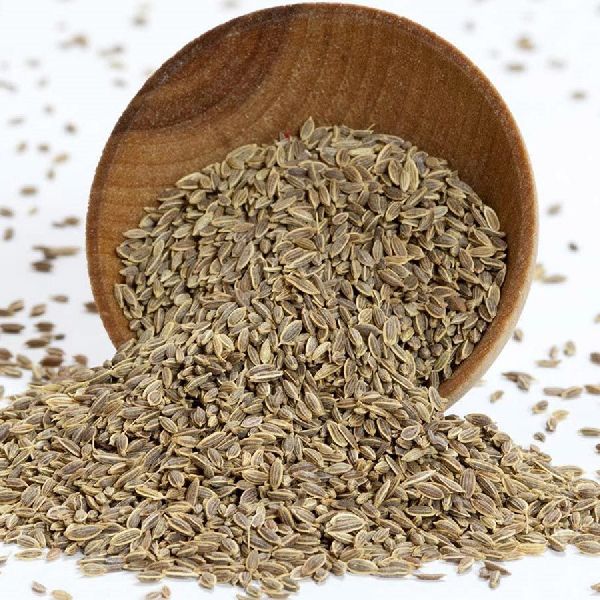
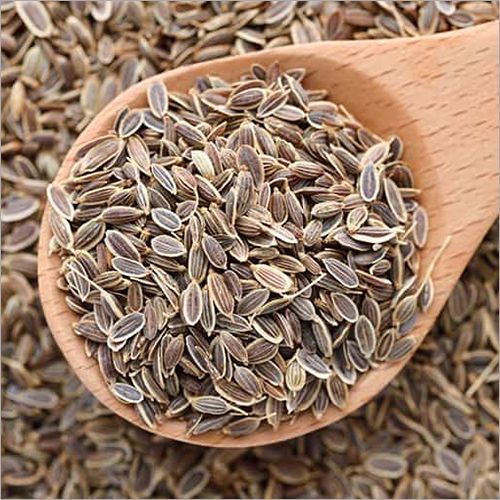
Dill seed has been used in traditional herbal practices for its beneficial properties and is also a pungent culinary spice. Typical preparations include infusions, extractions, and macerating in liqueur or vinegar. Dill seed can also be used to flavor baked goods and pickling recipes.
The Vikings cultivated a plant they called "dilla, " or "soothing, " that was administered to babies. The easy-to-grow dill weed has become an essential ingredient in cuisines around the world.
"Dill seed" actually isn't seed but the flat, oval, dark brown whole fruits of the herb. The term "dill weed" refers to the green leaves (and sometimes stems) of the plant. Dill seed and dill weed have different chemical compositions, different uses in cooking, and different applications in herbal healing.Dill likes a moist, well-drained soil in full sun, although it grows on most kinds of soils. Stress on the plant by heat or drought improves its flavor. If you let dill come up on its own, it will mature and go to seed before you have cucumbers. If you want to use dill in pickling, plant dill and cucumbers at the same time. Dill belongs to the Apiaceae family and is also called shatapushpa.
 Mr. Maheshbhai Patel & Mr. Darshan Patel (Darshan Agro)
 B 63, APMC Market Yard Unjha, Mahesana, Gujarat - 384170, India
 Share us via