| C.I.NAME |
Basic Violet 1 |
| Shade |
Dark Shade Light Shade |
| Physical Property |
Powder |
| Appearance |
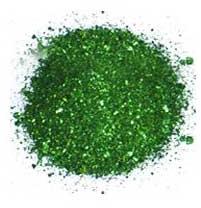
Greenish Powder |
| Molecular Formula |
C24H28CLN3 |
| Molecular Weight |
393.95 |
| Melting Point |
137 ºC |
| Water solubility |
Soluble |
| Strength |
100 + 2% against standard by Spectro D65 |
| Solubility |
In Water |
| Bulk Volume (L/KG) |
1.4 |
| Packing |
25 KGS in HDPE drums |
|
|
|
|
Physical and Chemical Properties :
Green crystalline solid
Odor : OdorlessSolubility : Very soluble in water% Volatiles by volume @ 21C (70F) : 0Melting Point : 164C (327F)Hazards Identification :- Harmful if swallowed or inhaled. Causes irritation to skin, eyes and respiratory tract.
- SAF-T-DATA(tm) Ratings (Provided here for your convenience).
- Health Rating : 3 - Severe (Poison)
- Flammability Rating : 1 - Slight
- Reactivity Rating : 1 - Slight
- Contact Rating : 4 - Extreme (Corrosive)
- Lab Protective Equip. : GOGGLES & SHIELD; LAB COAT & APRON; VENT HOOD; PROPER GLOVES
- Storage Color Code : White (Corrosive)
Potential Health Effects :- Information on the human health effects from exposure to this substance is limited.
Inhalation :- Causes irritation to the respiratory tract.
- Symptoms may include coughing, shortness of breath.
Ingestion :- Toxic by ingestion
- Adverse health effects unknown
- Causes irritation to the gastrointestinal tract
- Symptoms may include nausea, vomiting and diarrhea
- Skin Contact : Causes irritation to skin, symptoms include redness, itching, and pain
- Eye Contact : Causes irritation, redness, and pain
First Aid Measures :
Remove to fresh air. If not breathing, give artificial respiration. If breathing is difficult, give oxygen. Get medical attention.
Ingestion : Induce vomiting immediately as directed by medical personnel. Never give anything by mouth to an unconscious person. Get medical attention.Skin Contact : Immediately flush skin with plenty of water for at least 15 minutes. Remove contaminated clothing and shoes. Get medical attention. Wash clothing before reuse. Thoroughly clean shoes before reuse.Eye Contact : Immediately flush eyes with plenty of water for at least 15 minutes, lifting lower and upper eyelids occasionally. Get medical attention immediately.Fire Fighting Measures :
Not considered to be a fire hazard
Explosion : Not considered to be an explosion hazardFire Extinguishing Media : Use any means suitable for extinguishing surrounding fireSpecial Information :- In the event of a fire, wear full protective clothing and NIOSH-approved self-contained breathing apparatus with full face piece operated in the pressure demand or other positive pressure mode.
Accidental Release Measures :- Ventilate area of leak or spill
- Wear appropriate personal protective equipment as specified in Section 8. Spills
- Sweep up and containerize for reclamation or disposal
- Vacuuming or wet sweeping may be used to avoid dust dispersal
Handling and Storage :Keep in a tightly closed container, stored in a cool, dry, ventilated area. Protect against physical damage. Isolate from incompatible substances. Containers of this material may be hazardous when empty since they retain product residues (dust, solids); observe all warnings and precautions listed for the product.
Exposure Controls/Personal Protection :
- Airborne Exposure Limits :
None established
Ventilation System : A system of local and/or general exhaust is recommended to keep employee exposures as low as possible. Local exhaust ventilation is generally preferred because it can control the emissions of the contaminant at its source, preventing dispersion of it into the general work area. Please refer to the ACGIH document, Industrial Ventilation, A Manual of Recommended Practices, most recent edition, for details.Personal Respirators (NIOSH Approved) : For conditions of use where exposure to dust or mist is apparent and engineering controls are not feasible, a particulate respirator (NIOSH type N95 or better filters) may be worn. If oil particles (e.g. lubricants, cutting fluids, glycerin, etc.) are present, use a NIOSH type R or P filter. For emergencies or instances where the exposure levels are not known, use a full-face positive-pressure, air-supplied respirator. WARNING: Air-purifying respirators do not protect workers in oxygen-deficient atmospheres.
Disclaimers :
Wear impervious protective clothing, including boots, gloves, lab coat, apron or coveralls, as appropriate, to prevent skin contact.
Eye Protection : Use chemical safety goggles and/or full face shield where dusting or splashing of solutions is possible. Maintain eye wash fountain and quick-drench facilities in work area.Stability and Reactivity :
Stable under ordinary conditions of use and storage.
Hazardous Decomposition Products : Burning may produce carbon monoxide, carbon dioxide, nitrogen oxides.Hazardous Polymerization : Will not occurIncompatibilities : Strong oxidizersConditions to Avoid : IncompatiblesDisposal ConsiderationsWhatever cannot be saved for recovery or recycling should be managed in an appropriate and approved waste disposal facility. Processing, use or contamination of this product may change the waste management options. State and local disposal regulations may differ from federal disposal regulations. Dispose of container and unused contents in accordance with federal, state, and local requirements.
 Nikunj Hirani (MEHUL DYE CHEM INDUSTRIES)
 Plot No 1803, Near Crystal Chowkdi, Gidc Industrial Estate, Ankleshwar, Gujarat - 393002
 https://www.mehuldyechem.com
 Share us via










