
 GST : 27IEEPM2545Q1ZS
 4.0/5
4.0/5
Our Products
Our product range contains a wide range of Sodium Carboxymethyl Cellulose Powder and Hydroxy Propyl Methyl Cellulose Powder
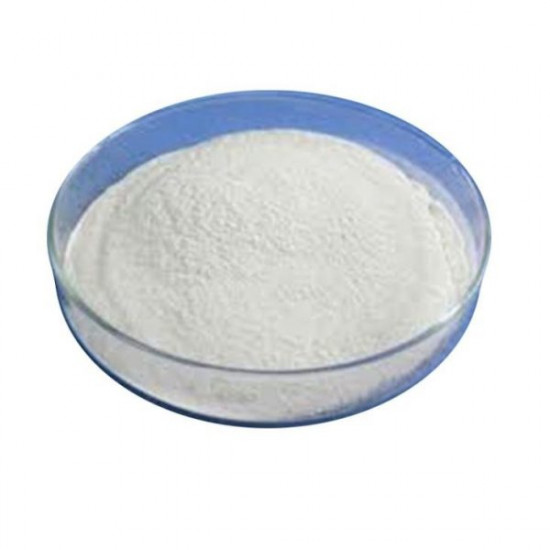
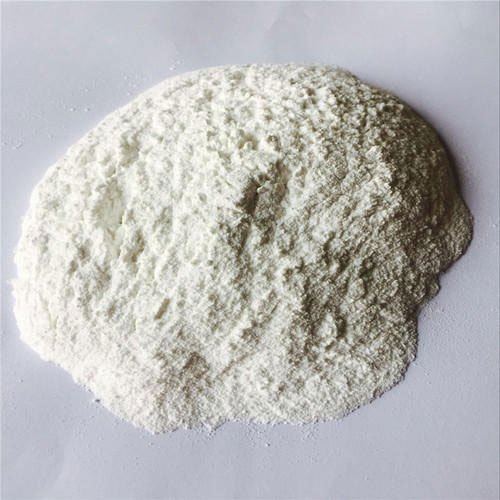
LD 50 (Rat): > 5 g/kg .Hypromellose is considered low toxicity to non-toxic .Adverse events may include blurred vision and contact dermatitis . Hypersensitivity and intolerance reactions may occur (for example, eye burning, pain, increased lacrimation, a sensation of foreign body, conjunctival hyperemia, eyelid swelling, pruritus). The stickiness sensation of the eyelids, the decreased sense of smell, photosensitivity .
Chemical propertiesHypromellose is an odorless and tasteless, white or creamy-white fibrous or granular powder. This product is soluble in water (10 mg/ml). However, it is very important to thoroughly disperse the particles in water with agitation before they will dissolve. Otherwise, they will lump and form a gelatinous membrane around the internal particles, preventing them from wetting completely. There are four dispersion techniques commonly used to prepare solutions of hydroxypropylmethylcellulose: dispersion in hot water, dry blending, dispersion in non-solvent medium, and dispersion of surface-treated powders.
The Uses of Hydroxypropyl methyl celluloseHydroxypropyl Methylcellulose is a gum formed by the reaction of propylene oxide and methyl chloride with alkali cellulose. it will gel as the temperature is increased in heating and upon cooling will liquefy. the gel temperature ranges from 60°c to 90°c, forming semifirm to mushy gels. it is used in bakery goods, dressings, breaded foods, and salad dressing mix for syneresis control, texture, and to provide hot viscosity. usage level ranges from 0.05 to 1.0%
BackgroundHypromellose, or hydroxypropyl methylcellulose (HPMC) , is a semisynthetic, inert, and viscoelastic polymer that forms a colloid solution when dissolved in water. It acts as a thickening agent, coating polymer, bioadhesive, solubility enhancer in solid dispersions, and binder in the process of granulation and in modified release formulations . It is a commonly used as a delivery component in oral pharmaceutical products that provides the release of a drug in a controlled fashion, effectively increasing the duration of release of a drug to prolong its therapeutic effects . Hypromellose is also found in eye drops as a lubricant .
Production MethodsA purified form of cellulose, obtained from cotton linters or wood pulp, is reacted with sodium hydroxide solution to produce a swollen alkali cellulose that is chemically more reactive than untreated cellulose. The alkali cellulose is then treated with chloromethane and propylene oxide to produce methyl hydroxypropyl ethers of cellulose. The fibrous reaction product is then purified and ground to a fine, uniform powder or granules. Hypromellose can then be exposed to anhydrous hydrogen chloride to induce depolymerization, thus producing low viscosity grades.Hydroxypropyl methyl cellulose is used as an ophthalmic lubricant, an emulsifier and a thickening and suspending agent. It is widely used as an excipient in pharmaceutical formulations. It acts as a food additive. Its eye drops are known as artificial tears, which are used to relieve eye dryness and soreness. It finds applications in various fields as emulsifier, film former, protective colloid, stabilizer, suspending agent, or thickener in foods. Pharmaceutic aid (suspending agent; tablet excipient; demulcent; viscosity increasing agent); hydrophilic carrier in drug delivery systems. In adhesives, asphalt emulsions, caulking compounds, tile mortars, plastic mixes, cements, paints.
Additional Information:
Payment Terms : L/C, D/P, T/T
Packaging Details : 25 KG
Delivery Time : 2-3 DAYS
 Mr. Pawan D Mourya (Dopran Pharma Healthcare)
 Gala No.5, 2nd Floor, Building No. 4, Manish Compound, Rehnal Village, Bhiwandi, Thane, Maharashtra - 421302
 Share us via