 GST : 27AAACE3165H1ZS
 4.6/5
4.6/5
Our Products
Our Complete range of products are Circograph CI Eddy Current Crack Detection System, Defectomat CI Eddy Current Testing System for Crack Detection, Statograph CM+/CM Eddy Current Crack Detection Machine, Magnatest D Eddy Current Material Mix up Test Instrument and Koerzimat 1.097HCJ / J-H Measuring System.
Compact test system for longitudinal surface defects
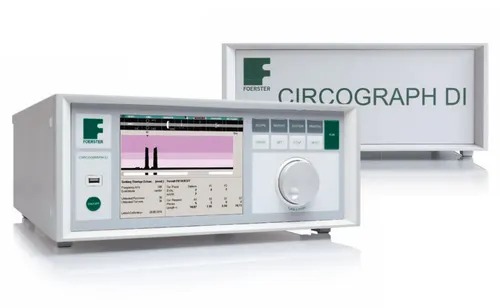
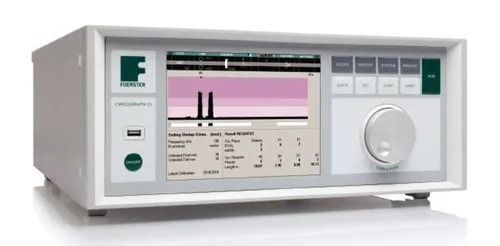
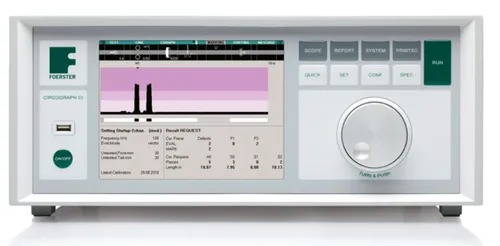
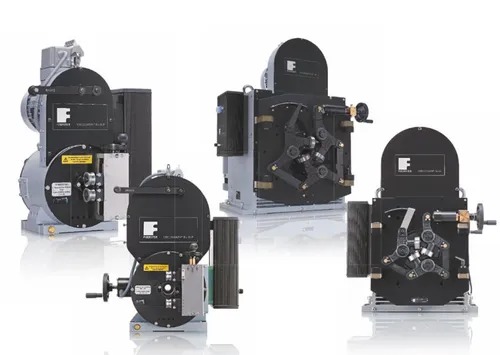
The CIRCOGRAPH CI combines a compact design with intuitive operation in one high-precision rotating test system. The CIRCOGRAPH CI features a user-friendly operation unit as well as easy "Turn-and-Push" rotary switch. The 2-channel system can be adjusted optimally to suit your test tasks thanks to a large range of different rotating heads. Longitudinal defects in the material surface can thus be detected from depths as low as 30 µm.
Your advantages at a glance:
2-channel base module for almost all requirements
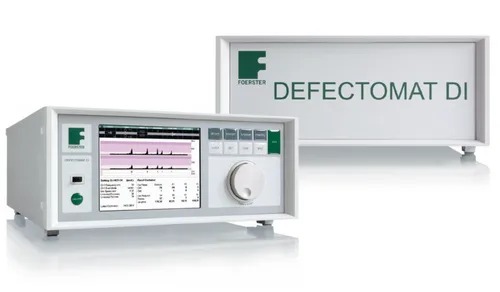
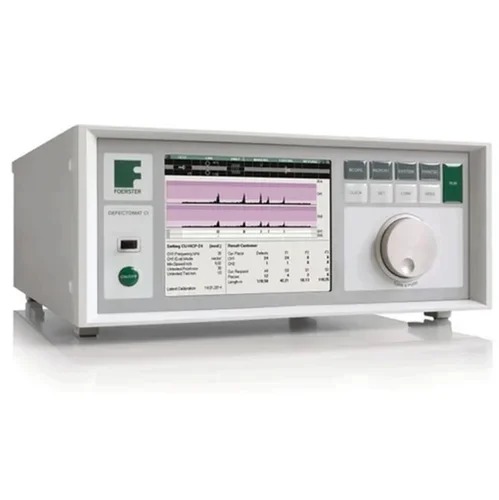
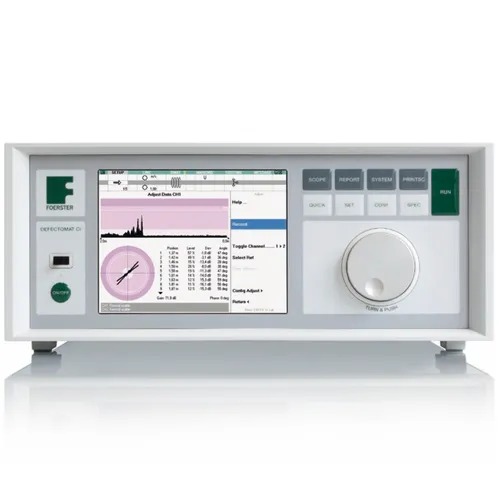
One of the most popular eddy current test instruments in the world with an unrivaled compact design. The DEFECTOMAT CI features an operation unit as well as easy "Turn and Push" operation. The evaluation electronic equipment also comes with two optional, fully operational measurement channels. It also has a filter tracking setting, excitation frequencies from 1 to 1, 000 kHz, and a sector signal analysis function.
Your advantages at a glance
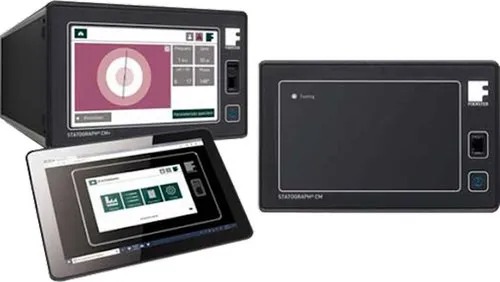
Compact and robust, the STATOGRAPH CM+ / CM consists of powerful hardware and software to guarantee reliable inspections. Both STATOGRAPH modules are network-compatible and can thus be operated via a tablet or smartphone. Production line status can therefore be checked anytime and anywhere, meaning that immediate corrective action can be taken if necessary. Test parameters and other settings can be captured and adjusted on the fly.
The STATOGRAPH CM+ also has a touch screen for use directly in the line.
On the STATOGRAPH CM, a multi-color LED tells the device status with a quick glance into the control cabinet.
SENSOR TECHNOLOGY:
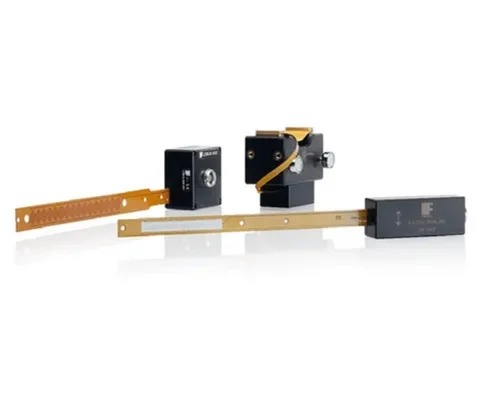
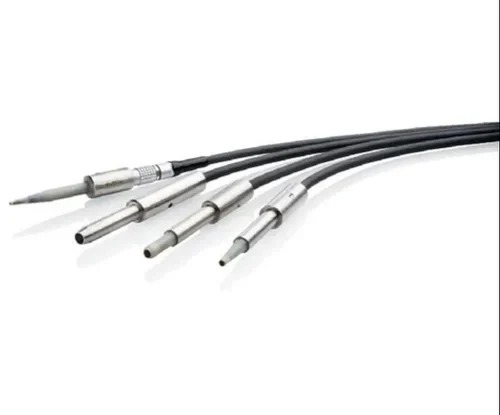
All existing probes can be connected as usual to the new STATOGRAPH CM+ / CM modules. A broad portfolio of standard and special-purpose probes is available. This means that, with FOERSTER, you’re optimally prepared for any challenge.
Standard probes:For crack testing on components, stationary differential-eddy-current probes are usually installed directly in the test station. These have a very high test sensitivity and generate reproducible test results.
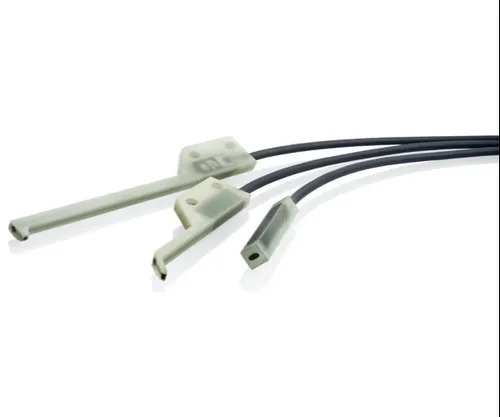
Special probes:Components with complex geometries require special test solutions. For this reason, FOERSTER’s probe portfolio includes, among others, angled sensors and its FLEXPROBES, which are flexible probes that can be adapted to the unique geometry of the test piece.
In addition, we can also develop customer-specific probes for high-resolution testing.
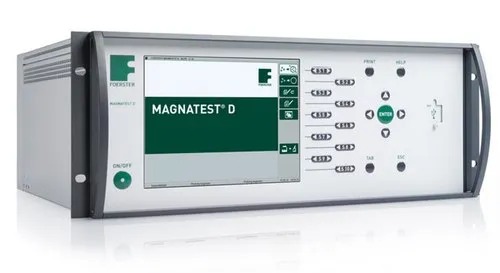
The FOERSTER MAGNATEST D 3.623 is an electronic instrument for non-destructive testing of conductive materials for their different magnetic and/or electrical properties.
It is ideal for testing mass-produced components (such as fasteners, shafts, studs, rings, valves, sprockets, gears, forged parts, cast parts, machined parts, sintered parts, and more) for differences in:
Features & Benefits:
Automated micro-structure and hardness testing with coils and probes:
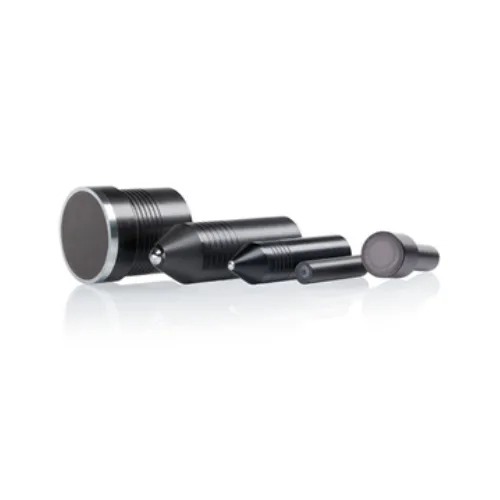
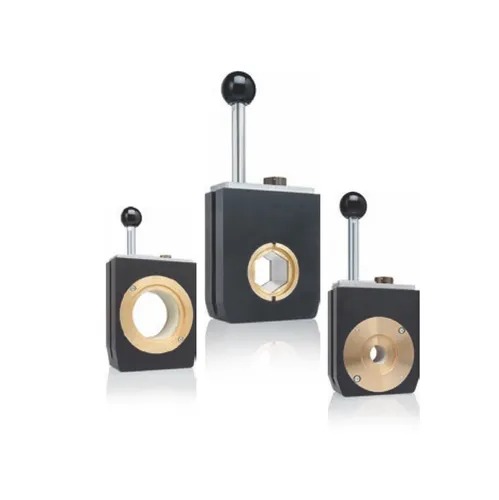
The sensors for testing material properties are available as coils or probes, depending on the material concerned. A broad range of standard testing coils and standard testing probes is available for the various MAGNATEST test instruments. In addition, we offer individually adapted customized solutions for special sizes or geometries.
Material evaluation based on magnetic properties
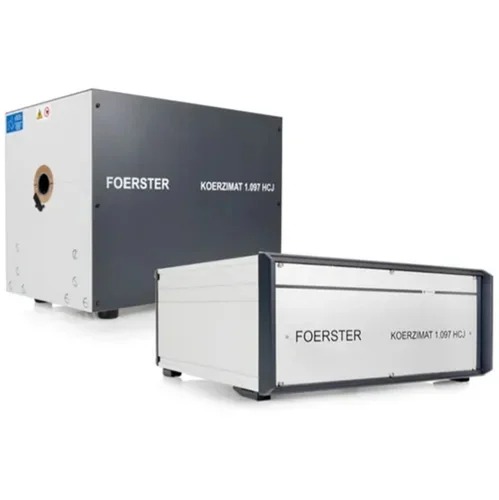
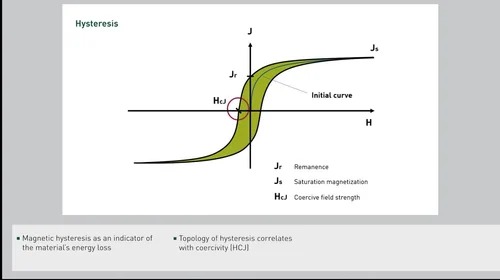
Magnetic values such as coercivity HCJ correlate with numerous important process parameters and material properties in the production of sintered hard metals and powder-metallurgical components. The KOERZIMAT 1.097 HCJ measuring system by FOERSTER facilitates the accurate, automatic, and fast measurement of the coercivity HCJ. The largely geometry-free measurement is particularly suitable for testing samples with complex shapes. The extension module J-H measurement offers the possibility to determine the complete J-H Hysteresis on soft magnetic steel incl. the initial curve.
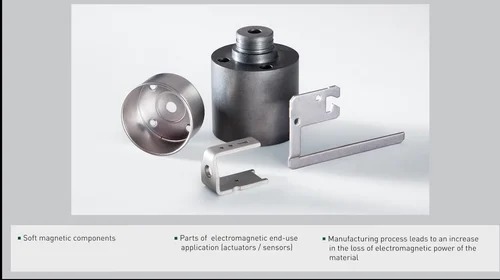
The applications of the KOERZIMAT include the control of the sintering level and particle size of hard metals and the quality control of metallic powders for the production of magnets and hard metals. The unit can also be used for monitoring the quality of the annealing and the mechanical stress state of soft-magnetic components (SMC) and for controlling electromechanical components in the electronics, automotive, computer, and clock sectors.
Your advantages at a glance:
• Determination of coercivity in accordance with IEC 60404-7
• Determination of hysteresis J(H) for soft magnetic steel bars
• Determination of relative permeability µr(H) for soft magnetic steel bars
• PC-controlled measuring system
• Geometry-free measurement
• Lightweight, extremely compact design
• Software for controlling individual and series measurements
• Database for collecting measurement data and parameter sets
• Customer-specific reports
• Remote port for automation, data access, etc.
Technical Data:
KOERZIMAT 1.097 HCJ/J-H
Measurement range: HCJ 0 – 100 kA/m
µr(H) 100 – 2500
Magnetization field strength: up to 450 kA/m
Homogenous field area: 170 x 40 mm (LxD), coil 40
120 x 60 mm (LxD), coil 60
Measurement uncertainty: 1 % of measured value
Sensor elements: Foerster probes (fluxgates)
Power supply: 100 – 240 VAC, 50/60 Hz
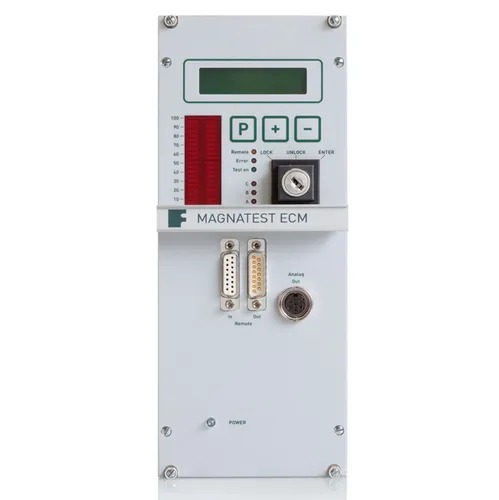
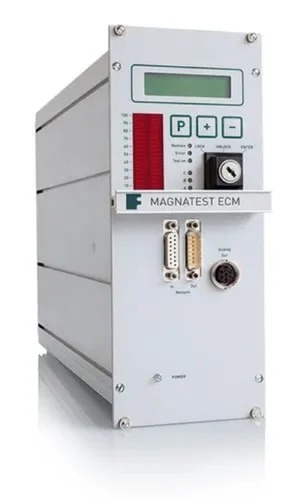
MAGNATEST ECM is the line-ready compact module for simple testing tasks. The unit simply and reliably performs testing tasks such as material mix and deviation measurements as well as deviations in surface hardness and case-hardening depth. MAGNATEST ECM is designed to be used as the core component in quality assurance systems during series production and for installation in production systems. It is particularly suitable for applications that primarily focus on profitability and less on multiple functions.
Technical Data
| Excitation frequency: | 2 Hz to 128 kHz, 17 levels |
| Throughput: | depending on excitation frequency, approx. 10 items at 1 kHz |
| Test resolution: | manual, external, internal |
| Sorting threshold: | circle, ellipse, rectangle |
| Stimulation: | mono-frequency |
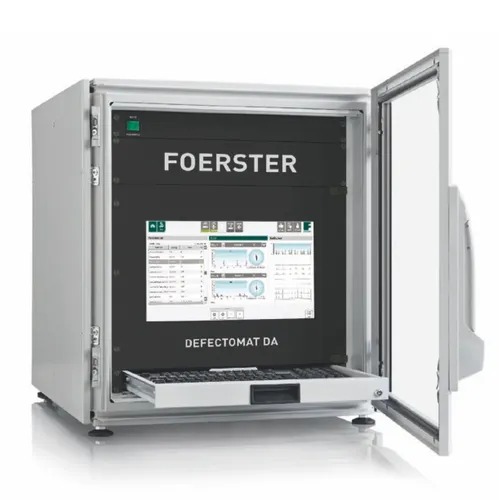
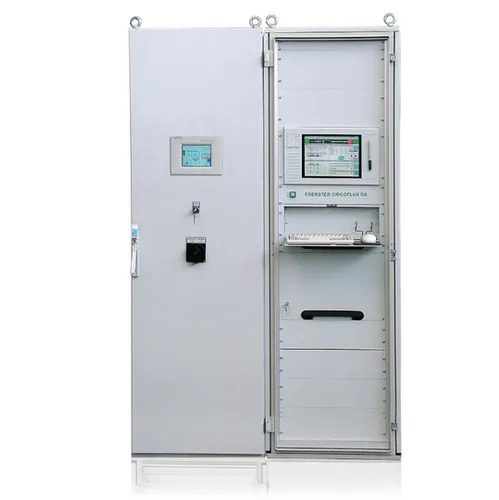
The DEFECTOMAT DA evaluation electronic equipment by FOERSTER has a combination of key features that as a whole are designed to provide consistent productivity and process reliability. Fully digital and fitted with innovative operating software, this system with unequalled specifications combines the latest technology for non-destructive eddy current testing of tubes, rods, and wires. Experience the eddy current technology of the future today.
Your advantages at a glance
Multi-Channel Eddy Current Testing at the Highest Level
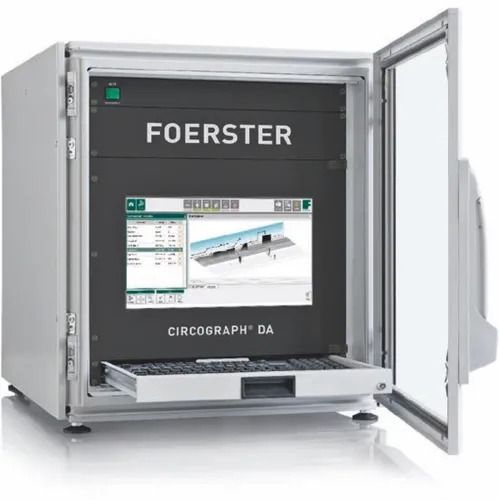
With the CIRCOGRAPH DA, FOERSTER sets new standards in non-destructive eddy current testing of long products such as tubes, bars and wires for longitudinally oriented surface defects. CIRCOGRAPH DA offers unsurpassed reproducibility at high test speeds by combining advanced digital electronics with sophisticated system architecture. Digitization takes place directly at the sensor. In order to reduce possible interferences from the outside, the signal paths of the analog test signals have been reduced to a minimum. Equipped with the latest technology and intelligent details, the CIRCOGRAPH DA can also be integrated into existing production lines.
Better Overview by Visualization of the Test Signals as C-Scan
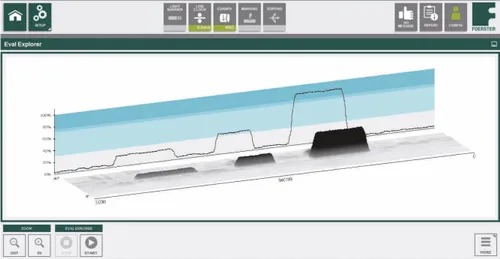
The new product generation CIRCOGRAPH DA enables displaying of the test signals as a C-Scan. The signal sequence is shown as usual as the sum signal over the distance. The defect position is displayed in the longitudinal direction. Additionally, in the C-Scan view, the signals are now also displayed in the circumferential position. The operator is thus given a better overview of where and, above all, how the defect propagates on the material surface.
Your advantages at a glance
Affordable and compact quality assurance solution
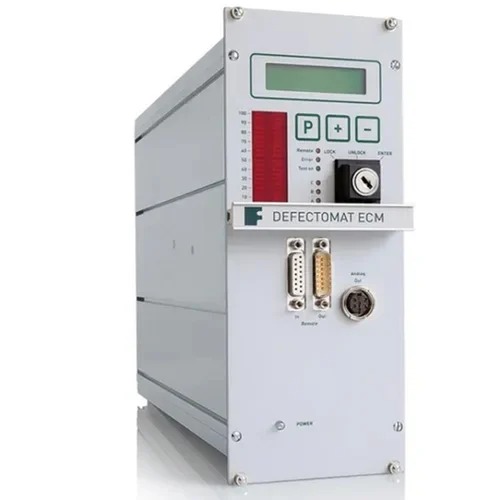
The modular DEFECTOMAT ECM is extremely compact, yet features many options for integration in popular production systems. Designed for simple operation, the compact test instrument performs Yes/No filtering of the test materials. The module has an integrated port for expanding the line functionality, e.g. for a marking, sorting, and crosscutting device. In addition, the test results can be logged, statistically analyzed, and archived via a connected master computer.
Your advantages at a glance
NON-DESTRUCTIVE CRACK TESTING WITH ROTATING PROBE
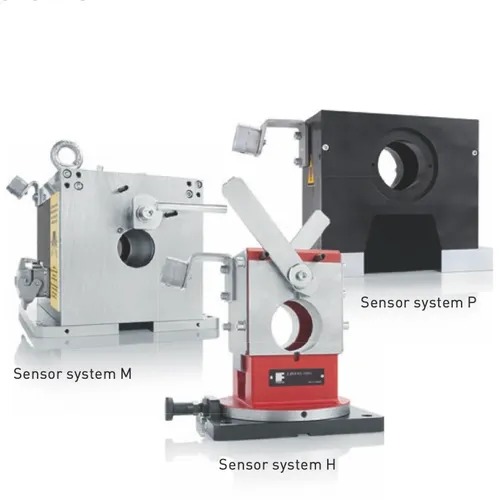
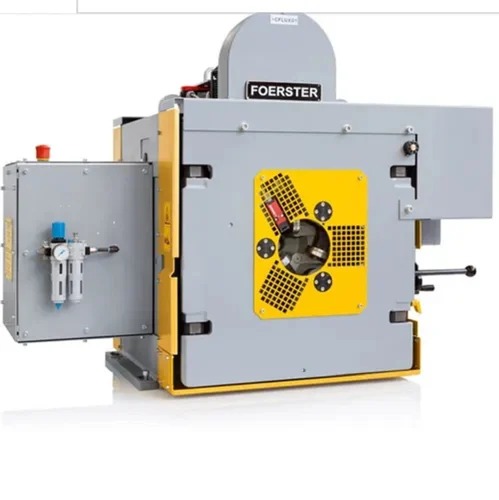
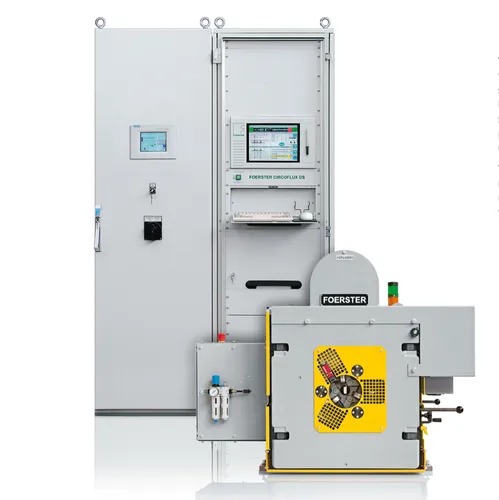
The CIRCOFLUX test system is used for the non-destructive surface testing of ferromagnetic steel bars using the magnetic flux leakage method in accordance with standard EN 10221. This method is the most sensitive surface testing method for longitudinal, crack-like defects in hot-rolled ferromagnetic steel bars. The CIRCOFLUX sensor system therefore replaces subjective testing methods such as the magnetic powder test (magnetic crack detection) and visual checks, which are difficult to document and reproduce.
The available sensor systems cover a material diameter range from approx. 10 to 180 mm. FOERSTER''s long-standing experience in this field ensures high operating reliability. The modular design of the test electronics is also ideally suited to meet future demand for ever increasing defect detection sensitivity.
Your advantages at a glance
Technical Data
| Sensor system: | Rotating sensor system with two opposite test heads |
| Max. number of measurement channels: | 24 |
| Max. throughput speed: | 4 m/s |
| Magnetizing current frequency: | 6 kHz (Ro75, Ro100, Ro180) or 7.5 kHz (Ro130) |
| Testing error: | depth 0.15 mm x width 0.1 mm |
| Diameter ranges: | 10 - 75 mm (Ro 75); 10 - 100 mm and 15 - 105 mm (Ro 100); 15 - 130 mm (Ro 130); 20 - 180 mm (Ro 180) |
| Setting time (with roller guide): | approx. 3 minutes (Ro 75, Ro 100, Ro 130); approx. 5 minutes (Ro 180) |
| Maximum rotational speeds: | 2, 400 rpm (Ro 75); 1, 500 rpm (Ro 100 and Ro 130); 960 rpm (Ro 180) |
| Maximum throughput speed: | 2 m/s (Ro 75); 3.75 m/s (Ro 100); 4 m/s (Ro 130); 2.4 m/s (Ro 180) |
 Mr.Swami Nand Singh (Electronic & Engineering co. (I) P. Ltd.)
 EEC House, C-7, Dalia Industrial Estate, Off New Link Road, Andheri West, Mumbai, Maharashtra - 400053
 https://www.ndtproducts.co.in
 Share us via